
Journalist

HAN Joon ho
-
 Russia and Ukraine Accuse Each Other of Ceasefire Violations, Peace Talks Stalled Russia and Ukraine are engaged in a heated exchange of accusations over ceasefire violations during a truce brokered by U.S. President Donald Trump. According to Yonhap News Agency, the Russian Defense Ministry reported on May 11 that since the ceasefire began at midnight on May 9, there have been a total of 23,802 recorded violations by Ukrainian forces within the designated "special military operation" zone. In just one day, the Ukrainian military allegedly fired 767 rounds using multiple rocket launch systems, artillery, and mortars in 12 separate incidents targeting Russian positions. Additionally, the Russian Defense Ministry claimed there were 6,905 drone strikes conducted by Ukrainian forces. The ministry also reported that 18 drones targeted civilian areas in the Belgorod region, which borders Ukraine, resulting in injuries to two residents. In response to these attacks, the Russian military stated it struck multiple rocket launch positions, artillery, and mortar sites, as well as command posts and drone launchers. Conversely, Ukraine accused Russia of continuing its assaults with kamikaze drones at the front lines. In a speech the previous evening, Ukrainian President Volodymyr Zelensky stated, "The Russian military has not adhered to any ceasefire at the front and has made no effort to do so." Zelensky noted that while there had been no large-scale drone or missile attacks targeting rear urban areas in the past day, Russian forces launched over 150 attacks at the front lines. He specifically mentioned that nearly 10,000 of these involved kamikaze drone strikes, along with more than 100 artillery shellings. "All Ukrainian units will respond in kind to Russia," Zelensky declared. Both sides had agreed to a three-day ceasefire from May 9 to May 11 to coincide with Russia's Victory Day celebrations marking the end of World War II. U.S.-mediated peace negotiations between the two nations have effectively stalled due to the ongoing situation in the Middle East. On May 8, U.S. Secretary of State Marco Rubio stated that while he is prepared to play a mediating role regarding the Russia-Ukraine war, he does not want to waste time if no progress is being made.* This article has been translated by AI. 2026-05-12 05:13:01
 -
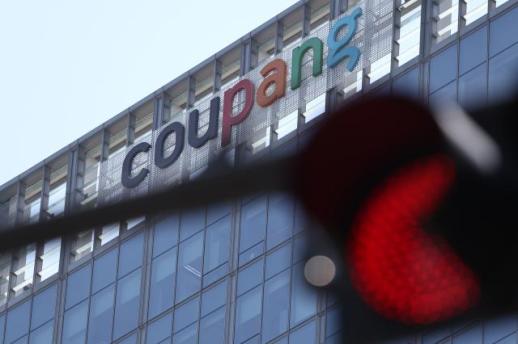 Coupang Files Lawsuit Against Fair Trade Commission Over Designation of Founder Kim Beom-seok Coupang has filed a lawsuit against the Fair Trade Commission (FTC) seeking to overturn its decision to designate founder Kim Beom-seok as the company's individual representative. According to Yonhap News on May 11, Coupang submitted the lawsuit to the Seoul High Court on May 8, contesting the FTC's designation. The company also filed for a suspension of the enforcement of this designation on May 9. On April 29, the FTC changed the designation of Coupang's representative from the corporation to the individual, Kim Beom-seok. This marks the first time since Coupang was classified as a corporate group with total assets exceeding 5 trillion won in 2021 that the FTC has altered its designation. The FTC determined that Kim's brother, Kim Yoo-seok, is effectively involved in Coupang's management, which led to the conclusion that the criteria for designating an individual representative instead of a corporation had been met. Under the Fair Trade Act, if an individual is designated as the representative, the corporate group must disclose additional information about stock ownership and transaction history of relatives, and the scope of regulations on profit-sharing is also expanded. Previously, Coupang responded to the FTC's announcement by stating, "Neither Kim nor his relatives hold shares in Korean affiliates, so there is no concern for profit-sharing issues," and indicated plans to pursue administrative litigation.* This article has been translated by AI. 2026-05-12 05:11:21
 -
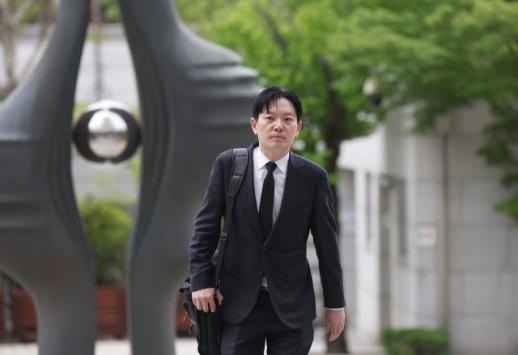 Prosecutor Park Sang-yong Appears Before Disciplinary Committee Over Salmon Party Allegations Prosecutor Park Sang-yong of the Incheon District Prosecutors' Office appeared before the Supreme Prosecutors' Office's disciplinary committee to address allegations of testimony coercion related to the 'salmon party' incident. He stated, "I provided a thorough explanation regarding the inaccuracies." The disciplinary committee convened on the afternoon of May 11 to deliberate on potential disciplinary actions against Park. The allegations under review include: the importation of alcohol into the investigation room, a recorded phone conversation disclosed by attorney Seo Min-seok, repeated summons, incomplete documentation, and consumption of outside food. According to Yonhap News, Park requested the opportunity to explain himself and waited for about three hours in the Supreme Prosecutors' Office's reception area before being allowed to present his case around 5 p.m. After concluding his explanation at approximately 6:17 p.m., he remarked, "I provided a thorough explanation regarding the inaccuracies. I feel grateful to the committee members for giving me this opportunity, and I believe I should repay this kindness by living faithfully, regardless of the conclusion they reach." Earlier, Park had expressed to reporters, "I have not been informed at all about the nature or number of the allegations against me. I wish to have the opportunity to explain myself to the external committee members as if I were knocking on the door of a public complaint office." He added, "Even regarding the salmon party, the correctional officers nearby were unaware of it, and if such an event did not occur, how could it be considered true? It is unprecedented in the history of the prosecution to impose disciplinary action based on the results of a lie detector test, which lacks evidentiary value, and it does not align with legal principles or reality." Park also stated, "If a disciplinary decision is ultimately made and I cannot accept it, I plan to file a lawsuit for cancellation." Park is under scrutiny for allegedly attempting to extract testimony from suspects, including former Gyeonggi Province Peace Vice Governor Lee Hwa-young and former Ssangbangwool Chairman Kim Seong-tae, by providing them with salmon and alcohol during the investigation into the Ssangbangwool North Korea remittance case on May 17, 2023. The Seoul High Prosecutors' Office's Human Rights Violation Task Force, which has been investigating the allegations, concluded that a drinking event did occur and reported this to the Supreme Prosecutors' Office. During a National Assembly investigation, Kim denied drinking alcohol, while a former Ssangbangwool director, identified as Park, claimed he purchased alcohol for personal consumption and drank it in his car. However, it has been reported that evidence, including corporate credit card records showing the purchase of soju at a nearby convenience store and the lie detector test results indicating truthful responses from Lee, were used as grounds for the allegations. The disciplinary committee's decision regarding Park's potential punishment will be advisory, and the Prosecutor General is not obligated to follow it. Nonetheless, the Prosecutor General has typically respected the committee's recommendations in determining disciplinary measures. Disciplinary actions against prosecutors can range from reprimands to suspension, dismissal, or removal from office, with the execution of penalties, excluding the mildest reprimand, requiring the Minister of Justice's recommendation and the President's approval. If a judge or prosecutor is dismissed as a disciplinary measure, they cannot practice law for three years.* This article has been translated by AI. 2026-05-12 05:08:56
 -
 Search Continues for Missing 11-Year-Old in Juwangsan National Park Search authorities are continuing their nighttime efforts to locate an 11-year-old boy, A, who went missing in Juwangsan National Park in Cheongsong County, North Gyeongsang Province. On May 11, officials from the North Gyeongsang Provincial Police Agency, the North Gyeongsang Fire Department, and the Korea National Park Service reported that they would deploy equipment and personnel for nighttime searches. Considering the weather conditions, the search will involve 80 personnel, including 40 police officers, 28 firefighters, and 12 national park staff, along with five drones equipped with thermal imaging cameras. The search teams plan to focus their efforts along the hiking trail from Giam Bridge, where A was last seen by his parents, to the summit, which stands at an elevation of 720.6 meters. The distance between Giam Bridge and the summit is approximately 2.3 kilometers. A police official stated, "The five drones will be operated until the rain begins, and the timing for concluding the search will be determined based on the situation on the ground." Earlier that day, authorities had already deployed a helicopter, two drones, and around 90 personnel in their search for A. Police reviewed closed-circuit television footage within the national park and found no indications that A's disappearance was related to any criminal activity. A, who lives in Daegu, had visited a temple in Juwangsan National Park with his parents the previous day. Around noon, he told them he would "just go up the mountain for a bit" and then disappeared. When A did not return, his parents reported him missing to emergency services at 5:53 PM that same day. A is described as approximately 145 centimeters tall and slender, wearing a Samsung Lions uniform and cap at the time of his disappearance. He did not have a mobile phone with him. In a phone call with Yonhap News Agency, A's father shared, "There is a short path from the temple to the mountain, and we were together until that point. That was the last time I saw him."* This article has been translated by AI. 2026-05-12 05:06:21
 -
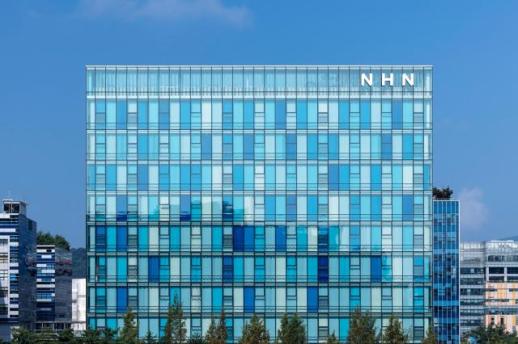 NHN to Buy Back 430,000 Shares and Burn Them to Enhance Shareholder Returns NHN announced it will buy back 430,000 shares and subsequently burn them, aiming to strengthen its commitment to shareholder returns. The company stated on May 11 that it will acquire 431,525 shares from May 12 to August 11. The total value of the buyback is approximately 16.7 billion won, and NHN plans to burn all acquired shares. KB Securities will manage the buyback. By burning the shares instead of holding them, NHN aims to reduce the number of shares in circulation and increase the value per share. According to Article 343, Paragraph 1 of the Commercial Act, the company explained that the board of directors has resolved to burn the treasury shares. This will decrease the total number of issued shares without reducing the capital. This initiative is part of NHN's three-year shareholder return policy announced last August. The company has committed to allocating 15% of its annual EBITDA to shareholder returns, which will be used for cash dividends and share buybacks. Notably, NHN plans to increase cash dividends each year, ensuring they exceed the previous year's per-share dividend. In line with amendments to the Commercial Act, starting in 2026, NHN intends to burn at least 50% of newly acquired shares within the same year to maximize benefits for shareholders.* This article has been translated by AI. 2026-05-12 05:04:33
 -
 Japan Approves MBK Partners' Acquisition of Altamira Holdings Korean private equity firm MBK Partners will acquire Japanese aluminum company Altamira Holdings for approximately 130 billion yen (about $1.2 billion). The Japanese government approved the transaction following a pre-review under the Foreign Exchange and Foreign Trade Act. This decision contrasts sharply with the recent recommendation to halt MBK's acquisition of Makino Precision, raising questions about the criteria used in Japan's economic security reviews. According to the Nihon Keizai Shimbun (Nikkei) on May 11, MBK plans to purchase shares of Altamira Holdings from U.S.-based Apollo Global Management. The total acquisition cost, including debt, is around 130 billion yen. Altamira specializes in aluminum cans and industrial aluminum materials, generating approximately 200 billion yen in revenue. It ranks third in Japan's aluminum can market, following Toyo Seikan. The company was formed in 2022 when Showa Denko's aluminum business merged with Mitsubishi Materials, both of which were acquired by Apollo prior to the merger. Apollo has been expanding its presence in the Asian market and recycling business under its management. Altamira was required to undergo pre-review because some of its lithium-ion battery-related materials fall under Japan's designated 'core industries.' The Japanese government mandates that foreign investments or acquisitions in sectors deemed critical to national security must be reported and reviewed beforehand. Lithium-ion battery materials were added to this list following the enactment of the Economic Security Promotion Act in 2022. This move aims to reduce reliance on Chinese technology in battery development, as these materials are also used in defense equipment. At the time of Apollo's acquisition, this sector had not yet been classified as a core industry. Just a month prior, MBK received a contrary decision from the Japanese government regarding its bid for Makino Precision. The government advised halting the acquisition based on the Foreign Exchange Act, marking one of the first such recommendations since 2008, when a British fund's stake in J-Power was blocked. Concerns were raised about the potential for information leaks due to the extensive use of Makino's machinery in defense manufacturing processes. In contrast, the approval for Altamira's acquisition came relatively quickly. While discussions regarding Makino lasted about ten months, the review for Altamira was completed in approximately two months. Authorities likely assessed that security concerns regarding Altamira were minimal. However, it remains unclear whether the criteria for investment approvals have become more transparent. Industry voices have expressed that within core industries, the boundaries of what is approved remain vague, complicating investment decisions. While the approval of Altamira sets a new precedent, uncertainty will persist until Japanese authorities disclose specific judgment criteria. This acquisition reflects changes in the M&A landscape surrounding Japanese companies. Pressures to enhance corporate value on the Tokyo Stock Exchange and rising costs due to inflation have prompted Japanese firms to pursue management buyouts (MBOs) and business separations. Consequently, private equity firms with financial resources and restructuring expertise are playing an increasingly significant role. According to Nikkei, the number of M&A transactions involving foreign investment funds in Japanese companies reached 226 in 2025, the highest since records began in 1998. Notably, large acquisitions are often led by foreign funds, with their total acquisition value in 2025 exceeding 5.4 trillion yen, four times that of Japanese funds. The approval of the Altamira acquisition suggests that Japan is not outright blocking foreign capital under the guise of economic security. However, the distinction between what is permitted and what is prohibited remains opaque. The contrasting decisions regarding Makino and Altamira provide some insight into Japan's economic security review process, but a clear set of criteria that the market can accept is still lacking.* This article has been translated by AI. 2026-05-12 05:01:23
 -
 Korean Air Pilots Prepare for Strike Amid Labor Dispute Korean Air's pilots' union has begun preparations to enhance the effectiveness of a potential strike. They are seeking to change the criteria for essential staffing levels that must be maintained during a strike due to the nature of essential public services. The outcome of this adjustment is expected to be a key factor in determining the intensity of any future strike and the extent of operational disruptions. According to industry sources, Korean Air will enter the first mediation process for amending the 'Essential Maintenance Agreement' at the local labor commission next week. Representatives from both the airline and the pilots' union are expected to attend. The Essential Maintenance Agreement is a labor-management accord that establishes minimum staffing levels and operational scope to ensure that essential services related to public safety and daily life are not interrupted during strikes or other labor disputes. Under labor law, the airline industry is classified as an essential public service, requiring a certain percentage of staff to be maintained even during a strike. During this mediation process, the pilots' union aims to revise the criteria for determining necessary staffing levels during a strike. Currently, Korean Air maintains that 80% of its international flight schedule must be operational based on a monthly flight schedule. The union plans to argue that this should be calculated on a daily flight schedule instead. They contend that using a monthly basis could lead to an inflated number of essential staff, as it may include pilots not involved in operations on the day of the strike. The airline's staffing structure is based on flight schedules, with duties, rest, standby, and training alternating daily. If staffing needs are calculated based on the entire month, it could include legally mandated rest periods, standby personnel, and those needing rest after long-haul flights. This would increase the number of essential staff and reduce the number of pilots available to participate in the strike. Conversely, if the revision is implemented, the number of operational pilots during a strike could significantly decrease. For example, if 280 flights are typically operated daily, requiring two pilots each, the total staffing need would be 560. To maintain an 80% operational rate for international flights, at least 224 flights must be operated, which would reduce the necessary staffing to just 448 pilots for that day, representing about 16% of the total 2,800 pilots. The remaining pilots could choose to participate in the strike, thereby increasing the strike's effectiveness. Last month, the Korean Air pilots' union approved a strike authorization with an 80% approval rate. The key issue is the reestablishment of seniority ahead of a merger with Asiana Airlines at the end of the year. They plan to secure their right to strike following the mediation process, interpreting the current preparations as a way to ensure the strike's effectiveness through amendments to the Essential Maintenance Agreement. An industry insider noted, "Due to the nature of flight schedules, pilots typically only work about 55% of the time even during normal operations. The debate over how to calculate essential staffing levels has been ongoing, and it is likely to continue within Korean Air until the merger is finalized at the end of the year."* This article has been translated by AI. 2026-05-12 04:56:28
 -
 Samsung Electronics Strike Looms as Negotiations Continue Samsung Electronics is set to engage in last-minute negotiations ahead of a planned strike in ten days. Experts warn that a breakdown in talks could disrupt semiconductor production and damage trust with global clients. According to industry sources, Samsung Electronics and its labor union will conduct post-adjustment procedures at the Central Labor Relations Commission in Sejong City over two days, from May 11 to May 12. The super labor union has announced a strike starting on May 21. The core issue at stake is not whether to provide performance bonuses, but how to determine the funding criteria and the cap on those bonuses. The union remains steadfast in its demands to eliminate the cap and to link bonuses to operating profits. Choi Seung-ho, head of the Samsung Electronics branch of the super labor union, stated before attending the post-adjustment meeting, "We continue to advocate for a 15% performance bonus and the elimination of the cap, as well as institutionalizing these changes. If there is no stance on institutionalization, adjustments will not be possible." While the company has left the door open for additional compensation, it has drawn the line at institutionalizing the elimination of the cap. Legal experts caution against overestimating the significance of the post-adjustment process. Jo Yong-hyun, head of the law firm Class Han-gyeol, noted, "Post-adjustment is a procedure for the labor and management to ultimately come together. The commission can offer opinions and recommendations, but it cannot impose legal obligations." He added, "Ultimately, both parties must agree for it to take effect." The legitimacy of the demand for performance bonuses as a valid purpose for industrial action is also a contentious issue. Jo suggested that it is likely to be interpreted as part of working conditions, but it could also be seen as an issue of management rights, leading to potential disputes. A failure in post-adjustment talks is likely to lead to a strike. An executive at Samsung Electronics remarked, "If negotiations break down this time, it will be realistically difficult to resume talks before the strike." The semiconductor industry is particularly concerned that a strike could have a greater impact than in other manufacturing sectors. Semiconductor production involves a series of continuous processes, and halting the lines can make it difficult to maintain yield and delivery schedules. Kim Yang-pyung, a researcher at the Korea Institute for Industrial Economics and Trade, explained, "The semiconductor production line is like a furnace; once it stops, products in production must be discarded, and the repercussions can last for three to four months." He added, "Calculating the exact damage is virtually impossible, but it will likely exceed the figures currently being discussed." Experts are more concerned about the long-term damage to trust rather than short-term production losses. Samsung Electronics is at a critical juncture in restoring trust with global clients in high-bandwidth memory (HBM), server DRAM, and advanced foundry processes. Repeated strike risks could raise questions about supply stability, contributing to heightened internal tensions at Samsung Electronics. Kim warned, "In the long run, the company will inevitably suffer significant damage to its credibility."* This article has been translated by AI. 2026-05-12 04:53:36
 -
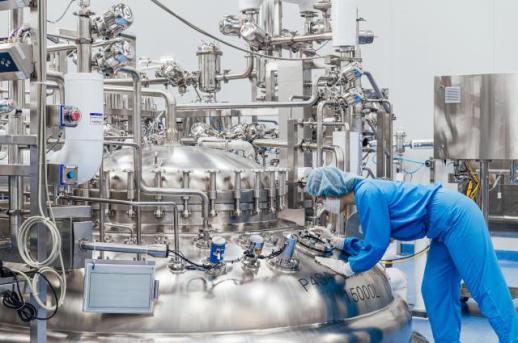 Samsung Biologics Faces Labor Risks While Celltrion Accelerates Growth The domestic biotech sector is witnessing contrasting trends between the two industry leaders, Samsung Biologics and Celltrion. Samsung Biologics reported record earnings in the first quarter of this year but is grappling with prolonged labor disputes that threaten its reputation with global clients and dampen investor sentiment. In contrast, Celltrion is capitalizing on the expansion of its Jimpenetra product in the U.S. and Europe, alongside a robust push into contract development and manufacturing (CDMO).According to industry reports, Samsung Biologics achieved first-quarter revenues of 1.2571 trillion won ($1.1 billion) and an operating profit of 580.8 billion won ($490 million), marking its highest quarterly performance to date. This represents a 25.8% increase in revenue and a 35.0% rise in operating profit compared to the same period last year. The strong results were driven by full operations at its first four plants and ramping up production at its fifth plant, along with operational leverage.However, market attention has shifted from the record earnings to the looming 'labor risk.' The Samsung Biologics Workers' Union has been unable to reach an agreement with management during wage and collective bargaining negotiations, leading to concerns about a second strike following an initial walkout earlier this month. Analysts predict that production disruptions could impact the company's second-quarter performance and new orders.This situation has dampened forecasts from financial analysts. Samsung Securities lowered its target stock price for Samsung Biologics from 2.2 million won to 2.1 million won on April 23. The company's stock price surged to 1.965 million won on January 15 but has since declined due to uncertainties surrounding the labor strike, closing at 1.458 million won, a drop of about 26% from its January peak.Despite the strong first-quarter results, Samsung Biologics has set an annual revenue growth guidance of 15-20%, though the potential for a slowdown cannot be ignored. An industry insider noted, "In the contract manufacturing business for biopharmaceuticals, which involves long-term production commitments from clients, predictable supply and accident-free operations are crucial. This labor dispute could tarnish Samsung Biologics' stability premium, which has been its greatest strength."On the other hand, Celltrion is maintaining a relatively stable trajectory. The company is accelerating the market entry of its autoimmune disease treatment Jimpenetra in the U.S. and expanding into Europe, while prominently featuring its CDMO business as a new growth pillar. Celltrion's CDMO subsidiary, established at the end of last year, aims to achieve 3 trillion won in revenue by 2031, enhancing its full-cycle services for drug development and production.Celltrion's contract wins are also boosting market expectations. Earlier this year, the company signed a contract worth $473 million (approximately 698 billion won) with Eli Lilly, followed by an additional contract for up to 375.4 billion won for the contract manufacturing of biopharmaceutical raw materials with a global pharmaceutical company in March. The cumulative CMO order backlog surpassed 1 trillion won in the first quarter.In addition to its core biosimilar business, Celltrion is positioning CDMO as a new growth engine, where production stability is becoming a key selling point.An industry expert remarked, "Ultimately, the contrasting fortunes of the two companies reflect differences in operational stability rather than mere performance comparisons. Samsung Biologics stands out in terms of results and production capacity, but labor risks are weighing on investor sentiment, while Celltrion is gaining momentum with relatively quiet internal operations and new contract wins." The expert added, "Resolving the labor dispute is crucial for Samsung Biologics, while early success in the CDMO business is vital for Celltrion."* This article has been translated by AI. 2026-05-12 04:50:32
 -
 Apple Partners with Samsung as Foundry Landscape Shifts with 2nm Technology Samsung Electronics is accelerating its advanced semiconductor manufacturing with the official announcement of its next-generation 2nm technology roadmap. The company aims to solidify partnerships with global tech giants, including Apple, by demonstrating production stability within the year.According to industry sources, Samsung will host the 'SAFE Forum 2026' on May 28 at its U.S. semiconductor research facility in San Jose. The event will showcase its second-generation 2nm process technology (SF2P) along with current production yields and process achievements. Plans for a third-generation process (SF2P+) expected to begin production next year will also be presented.The SAFE (Samsung Advanced Foundry Ecosystem) Forum is an annual technical event organized by Samsung's foundry division since 2019, aimed at sharing the latest semiconductor technologies and collaboration strategies with partners and industry experts.Last year, Samsung announced a two-year delay in the introduction of its 1.4nm process, pushing the timeline to 2029. This decision was made to stabilize yields for the 2nm process, prioritizing profitability and technological reliability over aggressive competition in ultra-fine processes.Building on this foundation, Samsung plans to begin production of its mobile application processor 'Exynos 2700' based on the SF2P process in the second half of this year, aiming to take the lead in the next-generation foundry market. The company intends to attract global tech giants, weary of supply bottlenecks from TSMC, to its Taylor Fab in the U.S., which is set to commence full operations next year.Recently, key executives from Apple visited Samsung's Taylor Fab to explore potential chipset partnerships. The collaboration could involve Apple's self-designed system-on-chip (SoC) products, including the 'A series' for iPhones and the 'M series' for iPads and MacBooks. These chipsets are critical components that serve as the brains of the devices.Samsung has supplied Apple with chipsets since the early models of the iPhone in 2007, but collaboration ceased in 2015 when Apple entered an exclusive contract with TSMC. If Samsung secures new orders this year, it would mark a return to Apple's advanced mobile processor supply chain after nearly 11 years.The Taylor Fab serves as Samsung's advanced process base, offering significant geographic and strategic advantages for big tech companies looking to produce chips directly in the U.S. Having already established its technological credibility through contracts for Tesla's autonomous driving chips and AMD's next-generation CPUs, industry observers believe Samsung will successfully forge a partnership with Apple by proving the stability of its processes.An industry insider noted, "The foundry market, which has been heavily reliant on TSMC, has reached a breaking point in terms of customer fatigue and supply instability. If Samsung can demonstrate the reliability of its 2nm process, the pace of restructuring in the foundry market centered around Taylor Fab will accelerate much faster than expected."* This article has been translated by AI. 2026-05-12 04:48:07