

Journalist

Park Sae-jin
-
 NVIDIA CEO Jensen Huang Open to Hosting GTC in Seoul, Emphasizes Robotics Investment NVIDIA CEO Jensen Huang expressed interest in potentially hosting the company’s AI conference, GTC, in Seoul. During his visit to Taiwan, he also mentioned the possibility of meeting with major South Korean business leaders, suggesting that a second gathering could involve enjoying samgyeopsal, a popular Korean dish. On June 1, Huang addressed questions about the GTC event during a dinner for South Korean companies, stating, "If Korea wants it, I would be happy to hold GTC here." The GTC is NVIDIA's flagship AI developer conference, recognized for setting the technological direction of the global AI ecosystem. Huang also indicated a willingness to expand investments in South Korea, saying, "We will always consider investing in Korea. The country has an excellent ecosystem, and the companies are very impressive." He highlighted robotics as a promising field for investment, noting, "I believe robotics is very important for Korea. I hope NVIDIA can contribute to the development of robotics in the country." He added, "Korea has great imagination, creativity, and ambition, but its workforce is declining. AI and robots can maximize Korea's potential." Huang reflected on NVIDIA's long-standing relationship with Korea, stating, "Korea has been a hub for e-sports and PC culture for a long time, and it has been very close to me since the early days of GeForce." This underscores the significance of the Korean gaming ecosystem and PC culture in NVIDIA's growth. During his visit, Huang is expected to meet with prominent figures such as Chey Tae-won, chairman of SK Group; Chung Eui-sun, chairman of Hyundai Motor Group; Koo Kwang-mo, chairman of LG Group; and Lee Hae-jin, chairman of Naver. However, he declined to comment on specific meetings with Samsung Electronics and SK Hynix. Huang also made light of his interactions with South Korean business leaders, joking, "The most important thing is to eat chicken and samgyeopsal in Korea." This comment suggests that, following last year's chicken dinner with business leaders, a samgyeopsal gathering may be on the horizon. Regarding the purpose of his visit, Huang noted, "This year, NVIDIA and our partners in Korea have achieved great results. I expect the second half of this year and next year to be very busy, so I came to prepare for that." He also congratulated SK Hynix for surpassing a market capitalization of $1 trillion, expressing pride and happiness in witnessing their success. 2026-06-02 07:39:00
 -
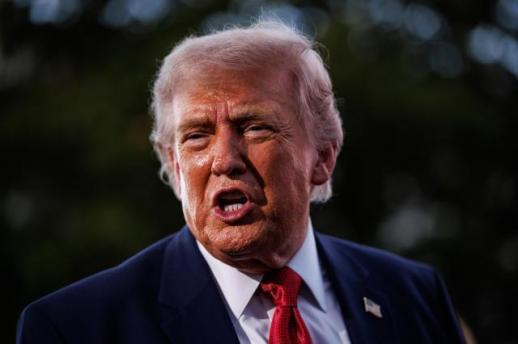 Trump: Agreement on Iran War Ceasefire MOU Possible Within a Week Donald Trump, the President of the United States, stated that an agreement on a memorandum of understanding (MOU) to end the war in Iran could be reached within a week. In a phone interview with ABC News on June 1, Trump expressed optimism about the ceasefire negotiations, saying, "I believe we can reach an agreement on the MOU within the next week." He noted that "Iran wants an agreement," but did not specify the conditions for the agreement or when a final signature might occur. The MOU serves as an initial agreement that would pave the way for subsequent negotiations to end the conflict. ABC reported that the U.S. and Iran are discussing a framework to resolve the impasse in the Strait of Hormuz and to schedule comprehensive nuclear agreement talks. The current draft reportedly includes provisions for easing Iran's control over the Strait of Hormuz, lifting U.S. port sanctions on Iran, and addressing issues related to Iran's nuclear program. However, specific terms are expected to be discussed in follow-up negotiations over the next 30 days. No official agreement has yet been reached. ABC noted that while both sides have exchanged several drafts, it remains uncertain whether the Iranian regime has reached a consensus to move forward with a final agreement.* This article has been translated by AI. 2026-06-02 07:27:00
 -
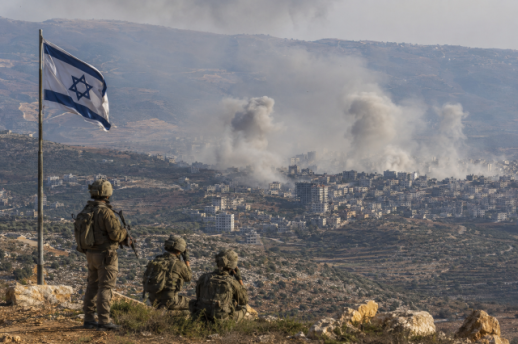 Trump Declares Efforts to Prevent Escalation in Middle East, Netanyahu Maintains Threats President Donald Trump has taken direct action to prevent escalation in the Middle East. He denied reports of halted negotiations with Iran and announced a mutual ceasefire between Israel and Hezbollah. However, Israeli Prime Minister Benjamin Netanyahu has maintained a policy of striking Beirut if Hezbollah continues its attacks. While the U.S. emphasizes de-escalation, Israel has not ruled out military options. On June 1, Trump stated on his Truth Social platform that negotiations with the Islamic Republic of Iran are "continuing at a rapid pace." This announcement came shortly after Iranian news agency Tasnim reported that Iran had ceased indirect message exchanges with the U.S. In an NBC News interview, Trump also noted that he had not received any notification from Iran about stopping negotiations. He reiterated the message of ongoing talks through his Truth Social post, publicly refuting claims of a breakdown in negotiations. However, this has not been confirmed by an official statement from the Iranian government. According to Reuters, Tasnim reported that Iran had stopped indirect message exchanges with the U.S. due to Israel's military actions in Lebanon. It remains unclear whether negotiations are genuinely ongoing or if mediation channels are functioning properly. The backdrop to the reports of halted contacts is the escalation on the Lebanon front. Israel has recently intensified its offensive in southern Lebanon, capturing the Bofort Fortress and surrounding ridges. Reuters reported that Hezbollah has been attacking northern Israel with rockets and drones, raising the level of on-ground clashes despite an existing ceasefire. The possibility of strikes on Beirut has emerged, making the Lebanon front a significant variable in U.S.-Iran negotiations. After a phone call with Netanyahu, Trump announced a de-escalation on the Lebanon front, stating, "There will be no troops heading to Beirut, and those already en route have turned back." He also mentioned that he had contacted Hezbollah through senior representatives, stating that they agreed to cease all fire. The Lebanese embassy in the U.S. confirmed that Hezbollah agreed to a ceasefire proposal mediated by the U.S. The first step involves Israel halting attacks on southern Beirut while Hezbollah ceases its attacks on Israel. The issue lies in Israel's interpretation. Netanyahu acknowledged the call with Trump but reaffirmed the conditional policy of striking Beirut. In a statement, he said, "If Hezbollah does not stop attacking our cities and civilians, Israel will strike terrorist targets in Beirut. This position has not changed." Operations in southern Lebanon will continue. Netanyahu stated, "We will continue our operations in southern Lebanon as planned." While Trump emphasized mutual cessation of attacks, Israel has indicated it may continue strikes on Beirut and operations in the south if Hezbollah persists in its attacks. This gap is central to the current situation. The U.S. aims to prevent escalation in Lebanon from disrupting U.S.-Iran negotiations, while Israel seeks to maintain military pressure due to Hezbollah's attacks. Although Lebanon has stated that Hezbollah agreed to the ceasefire, the actual implementation on the ground remains unverified. 2026-06-02 06:48:00
 -
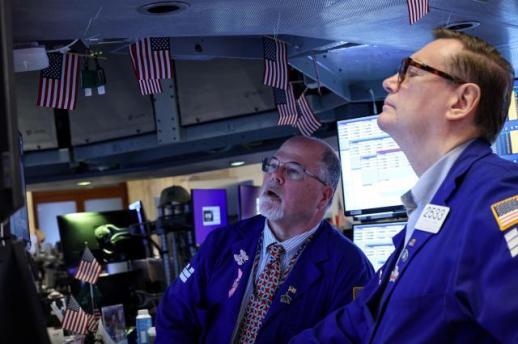 New York Stock Exchange Closes Higher as AI Eases Oil Price Concerns; S&P 500 and Nasdaq Hit Record Highs The New York Stock Exchange closed higher, buoyed by strong performance in technology stocks. Despite rising tensions between the U.S. and Iran that pushed international oil prices up more than 4%, optimism surrounding Nvidia's artificial intelligence (AI) developments lifted market indices. The S&P 500 and Nasdaq both reached new all-time highs. On June 1, the Dow Jones Industrial Average rose by 46.42 points (0.09%) to close at 51,078.88. The S&P 500 gained 19.90 points (0.26%) to finish at 7,599.96, while the Nasdaq increased by 114.19 points (0.42%) to close at 27,086.81. Technology stocks led the gains, with Nvidia surging 6.3% after unveiling a new chip designed to integrate AI capabilities into personal computers. Microsoft also saw a 2.3% increase. The excitement surrounding Nvidia and Microsoft contributed to the upward momentum in large tech stocks. Semiconductor stocks had mixed results. Micron Technology rose 6.6%, surpassing $1,000 for the first time. The Philadelphia Semiconductor Index increased by 1.1%. However, Qualcomm fell by 8.8%, and Intel dropped by 4.7%. While demand for AI remains strong, the performance varied significantly among individual stocks. The upward trend did not extend across the entire market. Among the 11 sectors of the S&P 500, only technology and energy stocks posted gains. Airline stocks and other sectors heavily impacted by fuel costs struggled due to the surge in oil prices. According to Reuters, declining stocks outnumbered advancing stocks on the New York Stock Exchange. Geopolitical tensions in the Middle East have resurfaced as a concern. Amid discussions about the sustainability of negotiations between the U.S. and Iran, Iranian officials recently mentioned a halt to indirect talks with the U.S. following recent clashes. As geopolitical tensions escalated, Brent crude closed at $94.98 per barrel, up 4.24%. The rise in oil prices also affected the bond market. The yield on the U.S. 10-year Treasury note approached 4.52% during the day but later settled around 4.46%. As oil prices retreated from their intraday highs, some pressure on interest rates eased. However, concerns remain that rising energy prices could reignite inflationary pressures. Economic indicators have somewhat alleviated fears of a slowdown. U.S. manufacturing activity has expanded for five consecutive months, with May's figures reaching a four-year high. Investors are expected to assess AI investment demand and interest rate trajectories based on upcoming employment data and Broadcom's earnings report this week.* This article has been translated by AI. 2026-06-02 06:36:00
 -
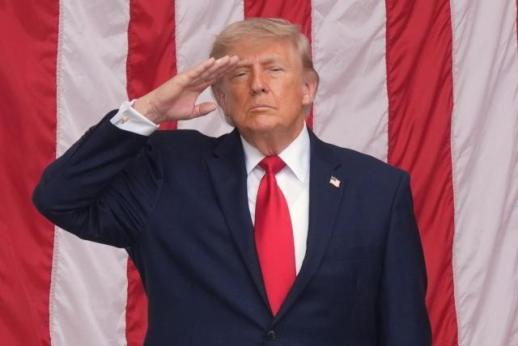 Trump Denies Reports of Halt in Iran Negotiations President Donald Trump stated that discussions with Iran are continuing at a rapid pace, directly contradicting reports from Iranian state media that claimed a halt in indirect message exchanges with the U.S. Amid rising tensions in the Middle East, concerns about a breakdown in negotiations have prompted Trump to address the issue. On June 1, Trump posted on his social media platform, Truth Social, saying, "Negotiations with the Islamic Republic of Iran are continuing at a rapid pace." He added, without further elaboration, "Thank you for your interest in this matter." Earlier, Iranian state news agency Tasnim reported that Iran had ceased indirect message exchanges with the U.S., citing Israel's military actions in Lebanon as a reason. However, there has been no official confirmation from the Iranian government regarding a suspension of communications with the U.S. In an interview with NBC News, Trump also mentioned that he had not received any notification from Iran regarding a halt in discussions. He suggested that even if talks had temporarily paused, reducing rhetoric could be beneficial. He later reiterated on Truth Social that negotiations are ongoing. The backdrop to the reports of halted communications is the escalation of conflict along the Lebanon front. Israel has intensified its military operations in southern Lebanon targeting Hezbollah, which Iranian media cited as a reason for the cessation of message exchanges with the U.S. As the conflict between Israel and Hezbollah escalates, it could also impact U.S.-Iran discussions. Trump revealed that he spoke with Israeli Prime Minister Benjamin Netanyahu on the same day. He claimed that Israel decided not to send troops toward Beirut and that forces in transit were turned back. This move is interpreted as an effort to mitigate the impact of the Lebanon escalation on negotiations with Iran. However, Trump's statements do not necessarily indicate substantial progress. It remains unclear whether Iran is still exchanging messages with the U.S. or if the conflict between Israel and Hezbollah will genuinely de-escalate. What is clear is that the U.S. has denied claims of a breakdown in negotiations. Key issues remain unresolved, particularly concerning Iran's nuclear program and navigation through the Strait of Hormuz. Tasnim reported that Iran has also mentioned the possibility of blocking the Strait. Even if discussions continue, significant negotiations over nuclear material handling and maritime issues are likely to persist. While the U.S. emphasizes that negotiations with Iran are ongoing, there has yet to be an official confirmation from the Iranian government. The assertion that dialogue is continuing reflects the U.S. position, but the prospects for an agreement remain fluid.* This article has been translated by AI. 2026-06-02 06:27:00
 -
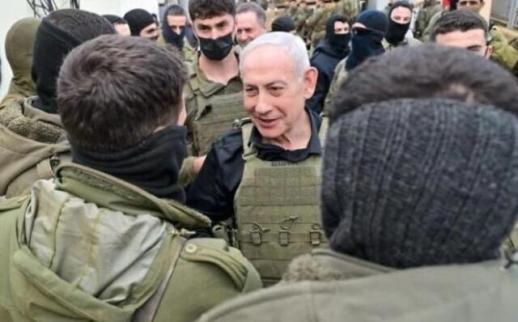 Netanyahu Threatens to Strike Beirut if Hezbollah Attacks Continue Israeli Prime Minister Benjamin Netanyahu reaffirmed his stance that Israel will strike Beirut if Hezbollah continues its attacks. This declaration comes despite U.S. President Donald Trump's assertion that hostilities between Israel and Hezbollah would cease. According to reports from the Times of Israel and Ynet on June 1, Netanyahu stated, "I spoke with President Trump this evening and told him that if Hezbollah does not stop attacking our cities and civilians, Israel will target terrorist sites in Beirut." He added, "This position has not changed." Netanyahu also indicated that operations in southern Lebanon would continue. He said, "At the same time, the Israel Defense Forces will continue operations in southern Lebanon as planned," signaling that military pressure on Hezbollah would not be lifted following Trump's announcement. Israel had previously directed its military to target Hezbollah sites in the southern outskirts of Beirut's Dahieh neighborhood. Netanyahu and Israeli Defense Minister Yoav Gallant explained that this directive was due to Hezbollah's repeated violations of ceasefire conditions and attacks on Israeli cities and civilians. Dahieh is considered a key stronghold for Hezbollah. Following Israel's directive, concerns grew over the potential escalation of airstrikes in Beirut. Tensions remained high along the Lebanon front, with both sides continuing to exchange attacks despite the existing ceasefire. Trump later stated on Truth Social that he had a "very productive call" with Netanyahu, asserting that "there will be no troops heading to Beirut, and those already en route have turned back." He mentioned that he had also contacted Hezbollah through senior representatives, claiming, "All fire will cease." He concluded, "Israel will not attack them, and they will not attack Israel." The Lebanese Embassy in Washington confirmed that Hezbollah agreed to a U.S.-brokered ceasefire proposal, which reportedly involves Israel halting its attacks on southern Beirut while Hezbollah would cease its attacks on Israel. However, Netanyahu's office issued a statement that appeared to differ from Trump's announcement. While Trump emphasized mutual cessation of attacks, Netanyahu maintained that Israel would strike Beirut if Hezbollah did not stop its assaults. He reiterated that operations in southern Lebanon would continue.* This article has been translated by AI. 2026-06-02 06:18:00
 -
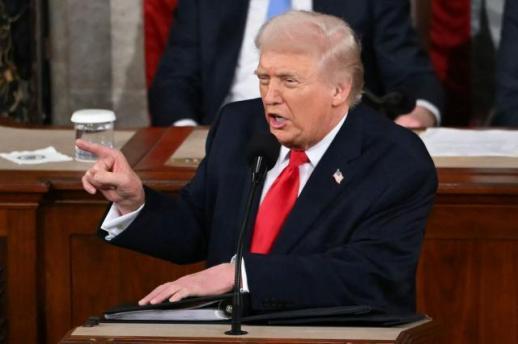 Trump: No Israeli Troops Will Enter Beirut; Hezbollah Agrees to Ceasefire President Donald Trump stated that Israeli forces will not enter Beirut, Lebanon, and announced that Hezbollah has agreed to a ceasefire proposal put forth by the United States. This development marks a significant step in U.S. mediation efforts aimed at preventing the escalation of conflict along the Lebanon front. On June 1, Trump wrote on his Truth Social platform that he had a "very productive call" with Israeli Prime Minister Benjamin Netanyahu, asserting, "There will be no troops heading to Beirut, and those already en route have turned back." Trump also mentioned indirect communication with Hezbollah, stating, "I had a very good conversation with them through high-level representatives. They agreed to stop all firing." He added, "Israel will not attack them, and they will not attack Israel." The Lebanese U.S. Embassy confirmed that Hezbollah has agreed to the U.S.-mediated ceasefire proposal. According to Reuters, the initial phase involves Israel halting its attacks on southern Beirut while Hezbollah ceases its assaults on Israel. A statement shared by the Lebanese presidential office indicated that this ceasefire would apply throughout Lebanon. This announcement came shortly after heightened concerns regarding Israel's military operations in Lebanon. The U.S. had previously suggested that if Hezbollah stopped its attacks on Israel, Israel would refrain from escalating its offensive in Beirut. Secretary of State Marco Rubio discussed this plan with Lebanese President Joseph Aoun and Prime Minister Netanyahu. Netanyahu had ordered an expansion of military operations in Lebanon in response to Hezbollah's attacks. Recently, Israeli forces captured the southern Lebanese town of Bofort and surrounding ridges. Despite an existing ceasefire, clashes have continued, raising tensions along the Lebanon front. However, it remains uncertain whether Trump's announcement will lead to an immediate ceasefire on the ground. An Israeli military official contradicted Trump's assertion, stating that there were no troops heading to Beirut. Additionally, the Israeli government has not issued a separate announcement regarding a complete halt to military pressure on Hezbollah. The key issue is the implementation of the ceasefire. For the U.S. proposal to take effect, Israel must stop its offensive in Beirut and southern Lebanon, while Hezbollah must cease its attacks on northern Israel. If either side resumes hostilities, the Lebanon front could once again become unstable, despite Trump's public announcement.* This article has been translated by AI. 2026-06-02 06:09:00
 -
 June Movie Releases Target Nostalgia with 'Wild Thing,' 'Toy Story 5,' and 'Supergirl' June brings a wave of familiar titles to theaters, appealing to audiences with a mix of nostalgia. From a comedy rooted in 2000s pop culture to beloved animated franchises and a new hero from the DC Universe, these films aim to attract viewers of all ages.The first film to hit theaters is "Wild Thing," set to premiere on June 3. This comedy follows the fictional three-member dance group "Triangle," which once dominated the music scene but disbanded due to unforeseen circumstances. Now, 20 years later, they embark on a reckless challenge to seize a second chance at fame.Actors Kang Dong-won, Um Tae-goo, and Park Ji-hyun portray the members of "Triangle." Kang plays Hyun-woo, the leader and dance machine; Um takes on the role of Sang-goo, an overly passionate rapper; and Park plays the center, Domi. Oh Jung-se adds comedic flair as Seong-gon, a ballad singer who has been stuck at number two for 39 weeks."Wild Thing" goes beyond merely recreating the past music scene. It tells the story of individuals who enjoyed their prime two decades ago and now confront their realities as they return to the stage, blending humor with themes of redemption. The film is produced by About Film, known for hits like "Extreme Job," and directed by Son Jae-gon, who has helmed projects such as "Sweet, Savage Family" and "The Villainess."Music and performance are key highlights of the film. It features songs like "Love Is," the debut track of "Triangle," and the title track from their second album, "Shout It Out," along with Seong-gon's ballad, "I Like You," creating an authentic representation of the music industry. The film's production team includes K-pop composers like Shim Eun-ji, who has worked with groups such as TWICE and SHINee, and choreographer Yang Wook, known for his work on "Ssak3."The cast underwent rigorous training, resembling that of actual idol trainees. Kang mastered hip-hop, breakdancing, and headspins, while Um trained in rap at JYP Entertainment's headquarters. Park, as the center of "Triangle," learned choreography and stage gestures, and Oh prepared for Seong-gon's performances. Elements like Y2K styling and a 4:3 aspect ratio in the music video evoke the nostalgia of the 2000s music scene.Another major animated franchise returns with "Toy Story 5." This installment sees Woody, Buzz, Jessie, and other toys unite for a new adventure when Bonnie's new smart tablet, LilyPad, creates a crisis. Directed by Andrew Stanton, who won Academy Awards for "Finding Nemo" and "WALL-E," and co-directed by McKenna Harris of "Elemental," the film explores the relationship between toys and technology.Stanton describes the film as a reflection on the reality that children no longer play with toys, rather than a simple conflict. The voice cast includes Tom Hanks as Woody, Tim Allen as Buzz, and Joan Cusack as Jessie, with Greta Lee from "Past Lives" voicing the new character, LilyPad.The DC Universe also introduces a new character with the film "Supergirl," which is set to be released in June 2026. The first poster and trailer have been unveiled. Directed by Craig Gillespie, known for "Cruella," this film continues the narrative of the DC Universe following "Superman."The lead role of Supergirl is played by Milly Alcock, who gained attention from the HBO series "House of the Dragon." Jason Momoa, known for his role in "Aquaman," also stars, generating excitement among DC fans. The film promises a fresh take on the superhero genre, incorporating traditional elements like the suit and cape with modern visuals such as sunglasses, headsets, and trench coats.From "Wild Thing" to "Toy Story 5" and "Supergirl," these films aim to engage both existing fanbases and new audiences, setting the stage for an exciting summer at the box office.* This article has been translated by AI. 2026-06-02 06:03:00
 -
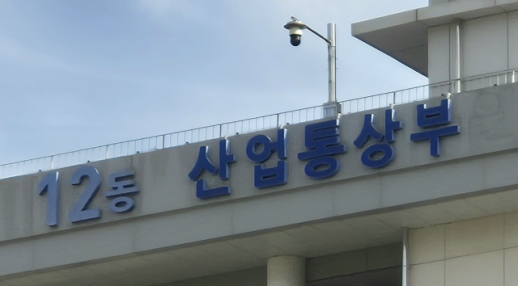 Korean Government Expands Public Stockpile of Non-Ferrous Metals The South Korean government is expanding its public stockpile of non-ferrous metals amid increasing supply chain uncertainties. On June 2, the Ministry of Trade, Industry and Energy held the 19th Non-Ferrous Metals Day ceremony at the LSMnM Onsan smelter, attended by key figures including Yang Gi-wook, head of the Industrial Resource Security Office, Do Seok-gu, president of the Non-Ferrous Metals Association, and Cho Si-young, chairman of the Korea Copper and Metal Industry Cooperative. Non-Ferrous Metals Day commemorates the first melting of copper ore at the Janghang smelter. The ministry has hosted this event since 2008, marking the 90th anniversary of the initial production this year. During the ceremony, 18 individuals were recognized for their contributions to the non-ferrous metals industry, receiving awards including one presidential citation, two prime ministerial citations, and 15 ministerial citations. Jo In-rae, team leader at LSMnM, received the presidential citation for significantly increasing the smelting of copper concentrate and scrap through equipment improvements and process optimization, contributing to supply chain stabilization. Last month, non-ferrous metal exports surged by 41.5% year-on-year, reaching $16.7 billion, reflecting growing demand. The demand for copper and aluminum has risen due to expansions in artificial intelligence and digital infrastructure, with raw material prices also increasing, resulting in 12 consecutive months of export growth. The non-ferrous metals industry relies heavily on imported raw materials, making supply chain stability crucial for competitiveness. As this sector evolves into a strategic industry that underpins advanced manufacturing, effective supply chain management becomes essential. In response, the government plans to enhance the non-ferrous metals industry by expanding public stockpiles, diversifying raw material procurement for a stable supply chain, developing high-value materials and recycling technologies linked to demand industries, and addressing trade uncertainties. Yang Gi-wook stated, "The non-ferrous metals industry is the foundation of South Korea's manufacturing sector and a key asset for the future. I appreciate the efforts of those in the non-ferrous metals industry for driving export growth and strengthening industrial competitiveness despite challenging domestic and international conditions, including U.S. tariff policies."* This article has been translated by AI. 2026-06-02 06:03:00
 -
 Zero Subsidies for Mid-Sized Electric Trucks Despite Demand This year, the newly established subsidy for mid-sized electric trucks has yet to disburse any funds. While manufacturers exist and there is clear demand for purchases, mid-sized electric trucks are rarely seen on the roads. With half the year gone, widespread adoption remains elusive. The government introduced a subsidy for mid-sized and larger electric trucks in January 2026, as part of its "2026 Electric Vehicle Supply Project Subsidy Management Guidelines." It allocated up to 40 million won for electric cargo trucks weighing between 1.5 and 5 tons, and up to 60 million won for trucks over 5 tons. This expansion of support, previously focused on 1-ton electric trucks, has garnered significant interest from the freight industry. However, the program has struggled to gain traction in the market. Tata Daewoo, which has entered the mid-sized electric truck market, reports difficulties in selling its 'Gisen' model. Even with government subsidies, the trucks are about 100 million won more expensive than internal combustion engine vehicles. The price of a Gisen truck ranges from 180 million to 200 million won. Despite using lithium iron phosphate (LFP) batteries to reduce costs, industry insiders have noted that selling these trucks often results in losses. The Ministry of Climate, Energy, and Environment, which established the mid-sized electric truck subsidy, is also in a difficult position. No vehicles have yet passed the certification process required for subsidy eligibility. The ministry explained that the evaluation process for manufacturers is taking longer than expected. As a result, there is a disconnect between policy and market realities. The government has created subsidies, but the vehicles are not ready, and while manufacturers have introduced trucks, consumers are hesitant to purchase. Although mid-sized trucks attract less attention than passenger cars, they are widely used in daily life. Most cleaning vehicles, moving trucks, and convenience store delivery vehicles in urban areas are mid-sized trucks. A significant number of vehicles also operate between logistics centers, factories, and ports. Given their repetitive routes, electrifying these vehicles could have a substantial impact. Mid-sized cargo trucks typically have longer operating distances and higher fuel consumption compared to passenger cars, making them effective for reducing emissions. Industry experts estimate that one mid-sized electric truck can have the carbon reduction effect equivalent to dozens of internal combustion engine passenger cars. Additionally, operating these trucks incurs lower fuel costs and minimal expenses for replacing consumables like engine oil. The longer they are in operation, the more economically viable they become. The widespread adoption of mid-sized electric trucks is no longer a matter of choice. The government aims to reduce greenhouse gas emissions by 40% from 2018 levels by 2030, as part of its Nationally Determined Contributions (NDC). The introduction of the mid-sized electric truck subsidy reflects the understanding that achieving carbon neutrality cannot rely solely on the electrification of passenger vehicles. Reducing emissions in the transportation sector is essential to meet these goals. However, transportation operators purchasing vehicles must prioritize economic viability over carbon considerations. While there is acknowledgment of the need to transition to electric vehicles, voices in the field express difficulty in making purchasing decisions due to vehicle prices, charging infrastructure, and maintenance costs. It is crucial to remember that trucks are ultimately a means of livelihood. The government also needs to reflect on its approach. What is needed now is to ensure that the system can operate at the same pace as the market. Lowering price accessibility is vital for expanding mid-sized commercial vehicles, but current government policies focused on protecting domestic industries have resulted in dissatisfaction for both consumers and manufacturers. In this context, the "zero subsidies for mid-sized electric trucks" is not just a number. It serves as a symbolic report card illustrating the significant gap between carbon neutrality policies and industrial realities. Achieving carbon neutrality cannot be accomplished through declarations alone.* This article has been translated by AI. 2026-06-02 05:03:00