

Journalist

RYU SO HYUN
-
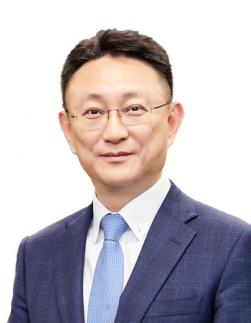 Kim Woo-seok of Samsung Asset Management: From Top Asset Manager to Standard in Wealth Management Kim Woo-seok, the CEO of Samsung Asset Management, embodies a financial entrepreneurial spirit focused more on stable growth than flashy victories. He is recognized as a seasoned financial professional with extensive experience in insurance, asset management, and risk management. Having built his expertise at Samsung Fire & Marine Insurance and Samsung Life Insurance, he now leads Samsung Asset Management, the largest asset management firm in South Korea.His management philosophy is straightforward: protect client assets while ensuring continuous growth. This approach drives his efforts to enhance the competitiveness of the KODEX ETF brand and to innovate in pension, OCIO, and AI-based management. The essence of Kim's leadership lies not in aggressive expansion but in 'long-term compounding management based on trust.'Understanding Risk in Asset ManagementKim's competitive edge stems from his background outside traditional asset management. He has worked in management, actuarial, and risk management at Samsung Fire & Marine Insurance and served as the head of asset management at Samsung Life Insurance, overseeing more than 200 trillion won in assets. Typically, insurance companies prioritize stability over profitability, as risk management is crucial due to the long-term nature of contracts. Kim applies this insurance philosophy to asset management.Today's financial markets are far more complex than in the past, with interest rates, exchange rates, and geopolitical risks moving simultaneously. Investors seek high returns but dislike volatility. The role of asset management firms is not just to present high yields but to manage risks while achieving long-term performance. Kim emphasizes this point repeatedly.He has stated, "A sustainable management system is more important than short-term results." This principle is reflected in the actual management strategy. In the competitive ETF market, Samsung Asset Management emphasizes product diversity and a long-term investment culture over reckless risk-taking. Advocating for the expansion of long-term investments centered on pensions and ISAs aligns with this philosophy.Kim believes the essence of investing lies in time and compounding. He stresses unwavering investment principles, even during market surges or declines. His philosophy is that the role of asset management firms is not to predict the market but to help clients outperform it, which has become a distinctive competitive advantage in the fiercely competitive financial industry.KODEX ETF: Achieving a Competitive EdgeSince Kim's appointment, Samsung Asset Management has strengthened its unparalleled competitiveness in the domestic ETF market. The firm's assets under management have surpassed 500 trillion won, and the KODEX ETF brand maintains about 40% market share, solidifying its position as the industry leader. Notably, KODEX 200 has surpassed 20 trillion won in net assets, establishing itself as a leading ETF in South Korea.Interestingly, Kim is not content with merely expanding market share. He emphasizes that creating a standard for wealth management that adds real value to customers' lives is more important than holding the title of the top firm.In fact, Samsung Asset Management is evolving ETFs from simple investment products into comprehensive wealth management platforms. The firm has expanded its product range to include U.S. and Chinese ETFs, bonds, gold, and thematic ETFs, facilitating easier portfolio construction for investors. As the ETF market grows, the number of products has surged, making choices more challenging for investors. Kim is committed to addressing this issue through both product and service innovation.The competition in the ETF space is no longer just about fees; it is about who can provide a better investment experience. Samsung Asset Management is broadening its investor engagement by expanding its ETF information platform and asset allocation services, aiming to transform from a company that sells ETFs into one that offers investment solutions.Notably, even amid fierce competition with Mirae Asset Global Investments, Samsung has managed to widen its market share gap, a significant achievement attributed to its operational capabilities and organizational execution.Pensions and AI: Setting Future Standards in Wealth ManagementKim's primary focus for the future market is pensions. He believes the future of the Korean capital market lies in long-term, accumulation-based investments rather than short-term trading. Samsung Asset Management is accelerating its efforts in the retirement pension market by expanding target date funds (TDF) and ETF-based pension products.This strategy is not merely about selling new products; it is a response to the rapidly growing demand for retirement asset management as Korean society ages. In the future, a financial company's competitiveness will likely be determined more by how long it can manage customer assets than by how many clients it has.Kim views pensions as a key growth area for the future, alongside AI. He envisions transforming Samsung Asset Management into a company that operates with AI rather than just utilizing it.Indeed, Samsung Asset Management is expanding its use of AI through its ETF information platform, FunETF, and asset allocation service, PortRabbit. Customers can compare and analyze numerous ETF products and receive portfolio recommendations tailored to their investment preferences.Additionally, the firm continues to excel in the OCIO market, having maintained its position as the primary manager for the public pension investment pool, establishing itself as a standard for public fund management. This recognition reflects not just the scale of its operations but also the trust and stability it has earned.Ultimately, Kim's leadership direction is clear. It is not just about maintaining the top position in the ETF market; it is about creating standards in the wealth management industry based on pensions, AI, and a long-term investment culture. Financial entrepreneurship does not solely mean risk and aggression; sometimes, safeguarding client assets and fostering long-term wealth can represent a greater innovation.SWOT Analysis:Strength: Kim Woo-seok's greatest strength is his risk management capability, having experience in both insurance and asset management. His proven ability in long-term investment and risk management, along with the KODEX brand and over 500 trillion won in assets under management, provides a strong competitive edge.Weakness: A management focus on stability may weaken aggressive growth momentum in a rapidly changing market. Additionally, global ETF competitiveness is seen as an area needing improvement compared to some competitors.Opportunity: The expansion of the retirement pension market, the popularization of ETFs, and the proliferation of AI-based asset management services present significant opportunities for Samsung Asset Management. The pension market is expected to be one of the fastest-growing financial sectors over the next decade.Threat: Ongoing challenges include global ETF competition from firms like Mirae Asset, fee reduction pressures, and increased volatility in capital markets. Managing profitability amid expanding operational scale remains a critical issue.* This article has been translated by AI. 2026-06-02 10:18:00
 -
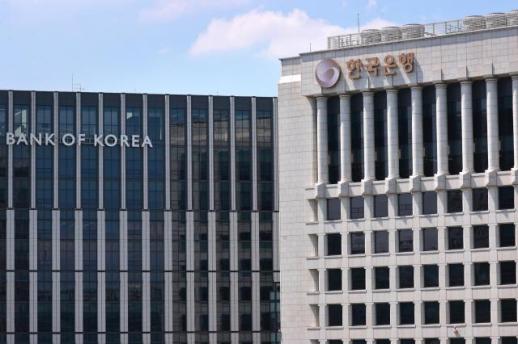 Bank of Korea Projects Inflation Rate to Remain Around 3% The Bank of Korea announced on June 2 that it expects the inflation rate to remain around 3% for the time being. Lee Ji-ho, head of the Bank's Economic Research Department, made the statement during a morning meeting to assess the inflation situation. He noted that the impact of rising oil prices is gradually spreading to other sectors. He added, "While there is significant uncertainty regarding the trajectory of inflation due to developments in the Middle East and the resulting oil price fluctuations, we will closely monitor the situation with vigilance." According to the data released, consumer prices in May rose by 3.1% compared to the same month last year, an increase from the 2.6% rise in April. Oil prices surged by 24.2% year-on-year, while prices for agricultural, livestock, and fishery products increased by 2.2%. Core inflation stood at 2.5%. Lee assessed that the rise in consumer prices in May was significantly influenced by the increased oil prices and higher service costs, particularly in travel-related sectors such as domestic and international airfares. He also projected that the inflation rate in June would remain similar to that of May due to sustained high oil price increases.* This article has been translated by AI. 2026-06-02 10:15:00
 -
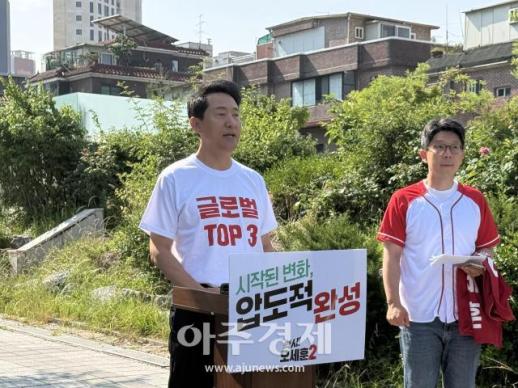 Oh Se-hoon: Seoul Needs an Experienced Mayor Ahead of Local Elections Oh Se-hoon, the People Power Party candidate for Seoul mayor, criticized his opponent, Jeong Won-o of the Democratic Party, on June 2, stating, "Labeling all unfavorable issues as 'negative campaigning' shows a fear of scrutiny." He added, "If you are running to manage a megacity like Seoul, you should never avoid verification." During a press conference held near Hyochang Park Station in Yongsan District, Oh pointed out that Jeong had missed the opportunity to convey his vision for Seoul by rejecting debate invitations. "By refusing to engage in discussions, he has completely failed to communicate his mindset or vision for the city," Oh said. Oh emphasized that candidates can clearly express their vision for the future of Seoul and South Korea through repeated debates. He suggested that voters have likely already formed their opinions about Jeong based on his refusal to participate. With just one day to go before the June 3 local elections, Oh launched his final campaign push, stating, "We cannot turn Seoul into a training ground for novice drivers. During this 'golden time' when we need to propel the city into a world-class metropolis, we need a veteran who has weathered numerous crises." Dressed in a white T-shirt emblazoned with the phrase 'Global TOP 3' in red, Oh expressed his commitment to elevate Seoul to one of the world's top three cities in terms of quality of life, global competitiveness, and attractiveness during his term. He also called for a balanced government in South Korea, arguing that with the Democratic Party controlling both the executive and legislative branches, Seoul must serve as a counterbalance to protect the nation's freedoms and rule of law. "A country where one side dominates is less secure than one where both sides check each other," he said, urging that Seoul remain a 'last bastion' against such imbalance. As the election approaches, the race for Seoul mayor remains tight. Recent polls indicate a negligible gap in support, with both the Democratic Party and the People Power Party classified as competitive in the region. Oh remarked, "I see the race as extremely close, and I will approach the final moments with the mindset of being 3-5% behind, giving my all as a challenger." Earlier that morning, Oh began his campaign in Yeouido near Yeouido Station and planned to visit various districts, including Yongsan, Mapo, Jung, Eunpyeong, Gangseo, Yangcheon, Guro, Geumcheon, Gwanak, Dongjak, and Seocho. He will conclude his campaign with a final rally near Sinchon Station in Seodaemun District before moving to Gwanghwamun to engage with citizens until the time when the use of loudspeakers is prohibited. 2026-06-02 10:15:00
 -
 May Livestock Prices Rise 5.8% as Government Activates Summer Supply Stabilization Task Force Last month, the consumer price index rose above 3% for the first time in two years and two months, with agricultural and livestock product prices increasing by 1.8% compared to the same month last year, driven by strong livestock prices. In response to potential supply shortages due to extreme heat and heavy rain, the government plans to activate a "Summer Agricultural and Livestock Supply Stabilization Task Force." According to the National Statistical Office's "Consumer Price Trends for May 2026," while agricultural product prices fell by 0.8% year-on-year, livestock prices surged by 5.8%. For agricultural products, prices of most vegetables, including cabbage, carrots, and onions, decreased, although prices for some items like rice and green onions rose. Rice prices have remained stable at around 62,000 won for a 20-kilogram bag since the government's grain supply plan was announced in February. The Ministry of Agriculture, Food and Rural Affairs (MAFRA) is closely monitoring rice price trends and plans to manage consumer burdens by considering additional government grain supplies if necessary, alongside discount support and demand requests from distribution companies. MAFRA anticipates that the price of green onions, which have recently increased due to delayed growth, will stabilize as shipments increase later this month. The rise in livestock prices is attributed to a decrease in supply caused by the spread of livestock diseases such as avian influenza and African swine fever. The number of cattle raised and the amount available for slaughter have decreased, while the price of imported beef remains relatively high due to reduced production in exporting countries like the United States and unfavorable exchange rates. Pork prices have seen a slight increase due to heightened demand during the family month. Although supply is expected to increase in the second half of the year compared to last year, various factors could affect this outlook. To alleviate consumer burdens, MAFRA is applying tariff quotas to pork processing materials to distribute demand for processed pork. The increase in egg and chicken prices is analyzed to be due to reduced supply resulting from expanded culling due to livestock diseases and delayed weight gain. Production conditions for eggs are expected to gradually stabilize after July, and MAFRA plans to continue supplying imported fresh eggs and pursue additional imports until production levels recover. The government is focusing on proactive measures to address potential supply disruptions in agricultural and livestock products during the summer. MAFRA has established a "Summer Agricultural and Livestock Supply Stabilization Task Force," led by Vice Minister Kim Jong-gu, to closely monitor growth trends and shipment conditions, aiming to stabilize the market through stockpile supplies in times of crisis. Park Jeong-hoon, head of MAFRA's Food Policy Office, stated, "Summer is a time when extreme weather events are likely to occur. We will strengthen monitoring of supply conditions by item and mobilize all available resources to stabilize agricultural and livestock prices."* This article has been translated by AI. 2026-06-02 10:06:00
 -
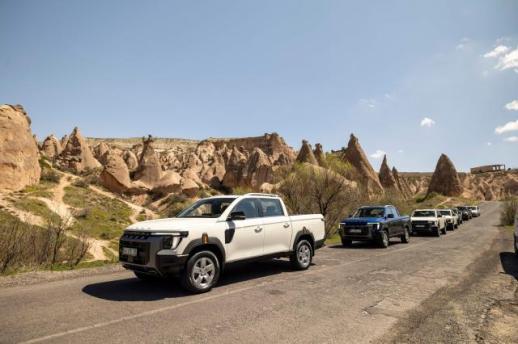 KGM's MUSSO Surpasses 10,000 Sales, Leading Pickup Market with 86% Share KG Mobility (KGM) announced on June 2 that its traditional pickup truck, the MUSSO, has surpassed 10,000 cumulative sales just five months after its launch. Since its release in January, the MUSSO has sold 6,642 units in the domestic market and 4,896 units internationally, totaling 10,538 units globally by the end of May. This achievement reflects robust domestic growth and strong export performance, with the MUSSO exceeding the 10,000 sales mark before the first half of the year has concluded, indicating positive market reception. The domestic pickup market has become increasingly competitive due to the launch of new models by rival companies. From January to May, KGM sold a total of 10,360 units, including 3,718 MUSSO EVs and 6,642 MUSSO trucks, capturing over 86% of the market share and maintaining its position as the leading pickup brand. In May alone, the MUSSO brand sold 1,892 units in the domestic market, comprising 1,137 MUSSO trucks and 755 MUSSO EVs, achieving an impressive 88.3% market share. The success of the MUSSO is attributed to its diverse options and appealing features tailored to customer needs. KGM offers a multi-powertrain lineup, including gasoline, diesel, and electric models, allowing customers to choose based on their driving environment and purpose. The MUSSO's design emphasizes both rugged pickup aesthetics for off-road driving and a more urban-friendly grand style. KGM is also accelerating its global market expansion. The company recently completed a successful launch in Turkey, a strategic location, and is continuing to diversify its export channels with launch events in various countries. A KGM representative stated, "The MUSSO is an iconic model that has led the history and expansion of pickup trucks in South Korea. Surpassing 10,000 cumulative sales in just five months is a testament to our competitiveness in both the domestic market and global strategic markets." The representative added, "We will continue to introduce a diverse lineup under the MUSSO brand, aligning with the strong demand for leisure and the trend toward eco-friendly electrification, showcasing the strength of K-pickups on the global stage."* This article has been translated by AI. 2026-06-02 10:06:00
 -
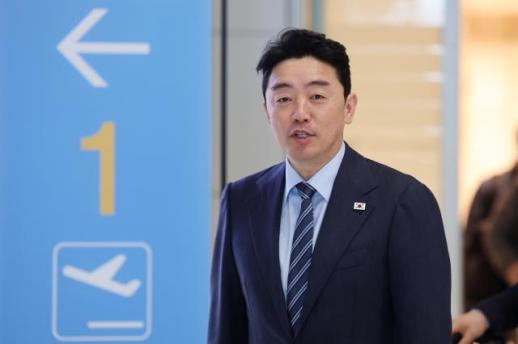 Korea, Canada deepen advanced industry ties with MOUs in defense, space sectors SEOUL, June 02 (AJP) - South Korea and Canada discussed ways to expand cooperation in advanced industries, with companies from the two countries signing three memorandums of understanding in the defense and space sectors, Seoul's industry ministry said Monday. The Korea-Canada Advanced Industry Cooperation Business Roundtable was held at the Park Hyatt Toronto hotel, organized by the Korea Trade-Investment Promotion Agency, or KOTRA, according to the Ministry of Trade, Industry and Resource. The event brought together about 50 government officials and business leaders from both countries in key sectors such as defense, space and hydrogen. Attendees included Presidential Chief of Staff Kang Hoon-sik, Vice Industry Minister Moon Shin-hak, Defense Acquisition Program Administration Minister Lee Yong-cheol and Stephen Lecce, Ontario's minister of energy and mines. The roundtable was designed to discuss concrete cooperation projects between Korean and Canadian companies in promising future industries, including defense, space and hydrogen, while exploring possible government support measures. During the event, Hanwha presented ways to expand cooperation between the two countries in the defense and space sectors, while Hyundai Motor introduced potential cooperation in the hydrogen sector, including hydrogen projects in Canada. “If Canada’s abundant resources and advanced technologies are combined with Korea’s world-class manufacturing capabilities, the two countries will be able to lead the global market in advanced industries,” Kang said. He also stressed that industrial cooperation between the two countries should go beyond simple purchasing and supply arrangements and develop into an ecosystem that connects technology, security and talent. As part of the visit, the special delegation for strategic economic cooperation also visited Martinrea, one of the key parties involved in an MOU signed in April between Hanwha and Canada’s Automotive Parts Manufacturers’ Association. The ministry said the event led to three MOUs between Korean and Canadian companies in satellite communications, launch sites and defense vehicles. Kang left for Canada on Sunday as President Lee Jae Myung’s special envoy for strategic economic cooperation, accompanied by officials from the industry and foreign ministries, as well as companies and organizations in energy, resources, supply chains and advanced industries. During the trip, Kang and other officials are also expected to support Korean companies seeking to win Canada’s submarine procurement project. 2026-06-02 10:03:14
 -
 LG Electronics Donates 440 'Tiuun Mini' Units to Elementary Schools in Gyeongbuk for Smart Farm Education LG Electronics is supporting smart farm education for elementary students by utilizing its plant cultivation appliance, the Tiuun Mini. The initiative aims to allow students to grow plants in the classroom while experiencing the integration of agriculture and IT technology. According to industry sources, LG Electronics held a launch ceremony for the elementary school smart farm experience program, "Green Button Supporters," in collaboration with the Gyeongbuk Agricultural Cooperative at its local headquarters. This program will be implemented in 23 elementary schools across the Gyeongbuk region. As part of the initiative, LG Electronics provided 440 Tiuun Mini units. Training on product usage and plant cultivation guidelines was also conducted for the attending educators. The Tiuun Mini is a compact plant cultivation appliance that allows users to grow plants indoors using seed kits, water, and nutrients, along with LED lighting. It is less affected by seasonal changes or weather, enabling cultivation experiences even during summer and winter months. The Gyeongbuk Agricultural Cooperative has previously supported plant cultivation education through school gardens. This time, the focus is on introducing a stable indoor growing environment to expand educational opportunities. With growing concerns about climate change and food security, there is an increasing demand for integrated education that combines agriculture, environmental awareness, and digital technology starting from elementary levels. LG Electronics anticipates that this support will help enhance students' ecological sensitivity and emotional stability. Observing the growth process of plants will teach them the value of nature and provide everyday experiences in plant care indoors. Additionally, LG Electronics continues its social contribution activities using the Tiuun Mini, including product donations for emotional support to hospital patients and child sponsorship programs. Yoon Seong-woon, head of the HS/ES Advanced Business Development Office at LG Electronics, stated, "We will continue to develop various activities to make plant cultivation accessible to everyone through the Tiuun Mini."* This article has been translated by AI. 2026-06-02 10:03:00
 -
 LG Display Achieves ASPICE Level 2 Certification for Automotive Software LG Display has strengthened its competitiveness in the automotive display business by obtaining international certification for automotive software development. The company aims to enhance its hardware-centric automotive displays into software-based electronic components to target the global automotive market. On June 2, LG Display announced that it has received ASPICE (Automotive SPICE) Level 2 certification from the certification body C&BIS. ASPICE is an international standard established by the global automotive industry to evaluate the software development capabilities and quality management systems of electronic component suppliers. It comprehensively assesses whether a systematic process is in place throughout the planning, development, and verification of automotive software. As the share of electronic control units (ECUs) and software in vehicles rapidly increases, the stability and reliability of related components have become key competitive factors. A single software error can lead to vehicle defects or large-scale recalls, prompting automakers to strengthen verification across their supply chains. LG Display applied its self-developed diagnostic and control functions to displays for automotive dashboards and center consoles to achieve this certification. The company has demonstrated its capabilities in both hardware quality and software control in the automotive display sector. In December of last year, LG Display became the first in the display industry to obtain the international standard for automotive cybersecurity engineering, ISO/SAE 21434, and has now secured ASPICE certification. By establishing key certification systems for functional safety, security, and software quality in automotive displays, the company is enhancing its competitiveness in the electronic components sector. With this certification, LG Display plans to expand its new orders in the global automotive market, including North America. As the transition to software-defined vehicles (SDVs) accelerates, the company aims to strengthen strategic collaborations with its clients. Kwon Geuk-sang, head of LG Display's automotive business group, stated, "The ASPICE certification recognizes that our automotive displays possess not only hardware completeness but also high-quality software technology capabilities. We will strengthen our leadership in the automotive display market based on differentiated technological competitiveness."* This article has been translated by AI. 2026-06-02 10:03:00
 -
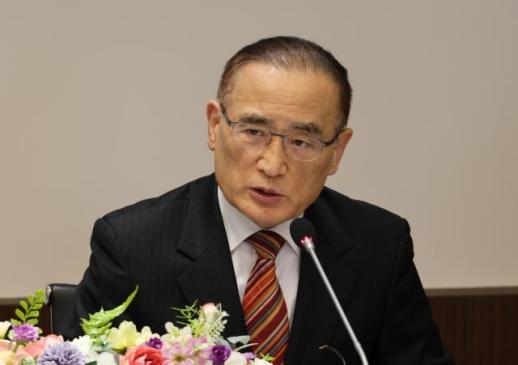 South Korea's National Security Chief to Meet with U.S. Deputy Secretary of State Wi Sung-lak, South Korea's National Security Chief, is set to meet with U.S. Deputy Secretary of State Alison Hooker on June 2 during her visit to South Korea.The discussions, taking place at the Blue House, are expected to cover a range of issues, including South Korea's construction of nuclear-powered submarines, uranium enrichment, and the authority for reprocessing spent nuclear fuel. The ongoing discussions regarding the transfer of wartime operational control may also be addressed.Hooker arrived in South Korea on June 1, leading a U.S. delegation that includes representatives from the National Security Council, State Department, Department of Energy, and Department of Defense.This visit aims to initiate formal negotiations to implement security agreements made during the summit between President Yoon Suk Yeol and President Donald Trump in October 2025.Official meetings between the South Korean and U.S. delegations began on the morning of June 2 at the Ministry of Foreign Affairs and will continue until June 3.First Vice Minister of Foreign Affairs Park Yoon-joo and Deputy Secretary Hooker will co-chair the meetings, followed by detailed discussions led by both countries' national security offices.Delays in initiating these discussions have been attributed to issues such as the pace of South Korean investments in the U.S., the war in Iran, and matters related to Coupang.During their stay, the U.S. delegation is also coordinating meetings with senior South Korean officials, including Foreign Minister Park Jin and Jeong Yeon-du, head of the Foreign Affairs and Security Strategy Bureau.* This article has been translated by AI. 2026-06-02 10:00:00
 -
 Samsung Electronics Surpasses Meta and Tesla in Market Value, Rises to 9th Globally On June 2, Samsung Electronics' market capitalization surged past that of major U.S. tech companies Meta and Tesla, elevating it to the 9th largest company in the world. According to the global market capitalization comparison site CompaniesMarketCap, Samsung's market value reached $1.581 trillion (approximately 239 trillion won) as of 9:53 AM, reflecting a 4.29% increase from the previous day. This rise allowed Samsung to surpass Meta, which was valued at $1.524 trillion, and Tesla, valued at $1.561 trillion, during trading on June 1 (local time). However, Samsung's stock initially jumped nearly 6% to 370,000 won before the gains moderated, indicating that the market capitalization rankings could shift again depending on the closing prices. Despite this, Samsung's stock price increase has positioned it within striking distance of the 8th largest company, Saudi Arabia's state-owned Aramco, which has a market cap of $1.763 trillion. The top seven companies by market capitalization are currently Nvidia, Alphabet (Google), Apple, Microsoft, Amazon, TSMC, and Broadcom. Samsung's recent stock performance has been bolstered by a surge in demand for memory semiconductors driven by the artificial intelligence (AI) boom. The momentum was further fueled by news this week that Nvidia CEO Jensen Huang announced the next-generation AI chip, Vera Rubin, will feature HBM4 memory from Samsung and SK Hynix. In contrast, Meta has invested heavily in AI development but has yet to achieve significant results, leading to a 5.04% drop in its stock price on June 1 (local time). Tesla also faced challenges, with CEO Sam Altman of OpenAI announcing an accelerated push for talent in robotics, raising concerns about competition in that sector and resulting in a 4.57% decline in its stock price. 2026-06-02 10:00:00