

Journalist

RYU SO HYUN
-
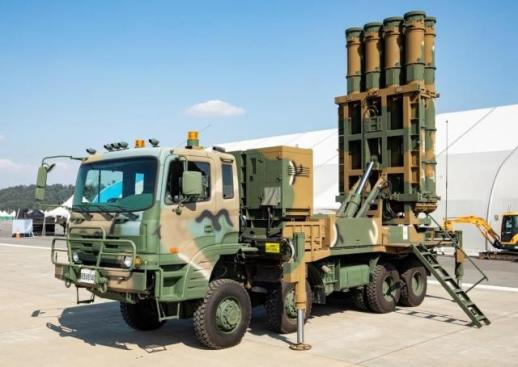 Hanwha Aerospace Discusses New Weapon Exports with Germany and the UK Hanwha Aerospace is in discussions with European countries, including Germany and the UK, regarding new weapon export contracts amid a global increase in military spending triggered by the Ukraine and Iran conflicts. On May 30, during an interview with Bloomberg TV at the 23rd Asia Security Summit (Shangri-La Dialogue) in Singapore, Alex Wong, Chief Strategy Officer of Hanwha Aerospace, shared these insights. "Demand is outpacing supply," Wong stated, adding that the recent conflicts in Ukraine and currently in Iran have highlighted the necessity for global militaries to enhance their production capabilities and ammunition stockpiles. Wong noted that Hanwha is engaging in discussions not only with existing clients like Poland and Romania but also with potential customers in Germany and the UK. He elaborated that the talks encompass not just the procurement of defense systems but also considerations on where to establish new production capabilities and how to utilize local workforce resources. "To protect citizens, a multi-layered and integrated missile defense system is essential," Wong explained. "We cannot afford to wait; we want to secure these systems immediately and hope to localize supply chains to build resilience and rapidly increase production during conflicts." In this context, Wong mentioned that Hanwha Aerospace is increasing domestic production to meet the surging demand for ammunition, missiles, and various weapon systems while also expanding manufacturing bases in Europe and the United States. "Our customers need more ammunition and more intercept missiles," he said. "We have been shifting production to meet that demand." Bloomberg reported that Europe is considered a key growth market for Hanwha Aerospace. Following a commitment from most NATO member countries to raise defense spending to around 5% of GDP last year, European militaries are expanding their acquisition of ground weapon systems, long-range strike capabilities, artillery, and advanced missile defense systems. Hanwha Aerospace is accelerating its efforts in the European market by opening a new office in Berlin this year. After securing a missile contract with Poland last year, the company also won a contract worth 1.3 trillion won to supply Chunmoo multiple launch rocket systems to Norway in February.* This article has been translated by AI. 2026-05-31 16:09:00
 -
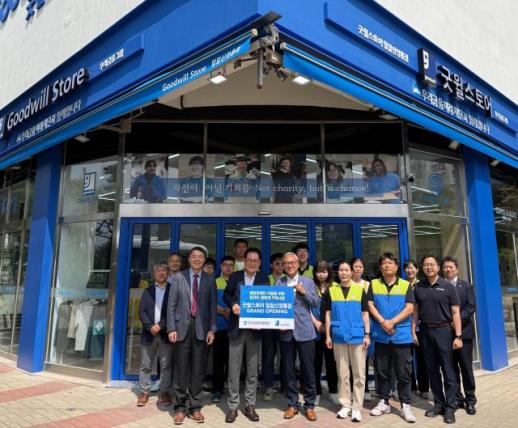 Woori Financial Opens 14th Goodwill Store for Individuals with Developmental Disabilities Woori Financial Group announced on May 31 that its Woori Future Foundation has opened a new Goodwill Store in Hwaseong City, dedicated to supporting the independence of individuals with developmental disabilities. The Goodwill Store operates as a workplace for individuals with disabilities, funded by the sale of donated items from businesses and individuals. The newly opened Goodwill Store in Hwaseong is the 14th location established in collaboration with the Milal Welfare Foundation. It aims to provide stable employment opportunities for individuals with developmental disabilities in the Gyeonggi region and to expand the community's support base. To enhance employment opportunities for individuals with developmental disabilities in local areas, Woori Financial opened Goodwill Stores in Ulsan, Daegu, and Cheongju last year. Additionally, the company introduced a social contribution branch called Goodwill Branch, which combines Woori Bank services with Goodwill Store operations, in Yeoju. This year, the expansion will continue from Hwaseong to other locations, including Hanam and Jeonju. Woori Financial has set a goal to invest a total of 30 billion won by 2034 to establish 100 Goodwill Stores nationwide, providing stable jobs for 1,500 individuals with developmental disabilities. Furthermore, the Woori Future Foundation signed a memorandum of understanding with the Milal Welfare Foundation in 2023 to build an ecosystem for employment for individuals with developmental disabilities, committing to invest 30 billion won over ten years to support the establishment of 100 stores. The foundation aims to open at least six new stores each year and provide first-year salary support to help establish a foundation for independence for individuals with developmental disabilities.* This article has been translated by AI. 2026-05-31 16:09:00
 -
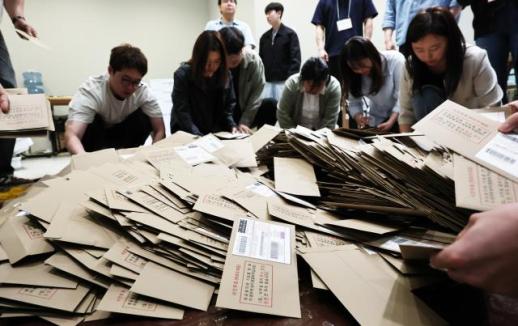 Record Early Voting Rate Complicates Strategies for Parties Ahead of Local Elections As early voting for the June 3 local elections and National Assembly by-elections reached a record high, both ruling and opposition parties are recalibrating their strategies. The Democratic Party and the People Power Party are expected to analyze regional early voting rates to adjust their campaign tactics in the remaining days before the election. According to the National Election Commission on May 31, 10,498,411 out of 44,649,908 eligible voters participated in early voting held on May 29 and 30, resulting in a preliminary turnout rate of 23.51%. This figure is 2.89 percentage points higher than the previous record of 20.62% from four years ago. In Seoul, a key battleground, 23.84% of voters cast their ballots early, an increase of 2.64 percentage points from 21.20% four years ago. The highest early voting rate in the country was recorded in Jeollanam-do at 38.95%, while Daegu had the lowest at 18.65%. With the high early voting turnout, both parties are busy calculating their potential advantages and strategizing for the future. The Democratic Party believes the increased participation will work in their favor. Democratic Party spokesperson Kang Jun-hyun stated to reporters, "This reflects a political judgment against the insurrectionist forces and a willingness to support the Lee administration's governance." Conversely, the People Power Party is taking a more cautious approach. Party leader Jang Dong-hyuk emphasized during a press conference that they need to examine which regions had higher early voting rates and analyze age-specific turnout rates that have not yet been disclosed. He added, "It is difficult to determine the advantages or disadvantages for each party based solely on the fact that early voting rates have slightly increased compared to the last local elections." Political analysts predict that both parties will focus their efforts on developing election strategies based on early voting analysis. There is a significant possibility that undecided voters and those disappointed with the political landscape did not participate in early voting, prompting parties to target the center and encourage potential supporters who may have abstained to head to the polls. Democratic Party Secretary General Cho Seung-rae stated at a press conference, "The foundation of our election strategy remains the same in the remaining period. This election is fundamentally about voting to encourage, support, and cheer for President Lee Jae-myung, and judging the incompetence of the People Power Party in regions like Seoul and Busan, where they have been in charge for four years." On the other hand, Leader Jang emphasized, "We will focus on ensuring that the public, especially the younger generation in their 20s and 30s, come out to vote. It is crucial to motivate voters who have decided to support the People Power Party, as well as those disappointed with the ruling party and the Lee administration, to participate in the election." 2026-05-31 16:06:00
 -
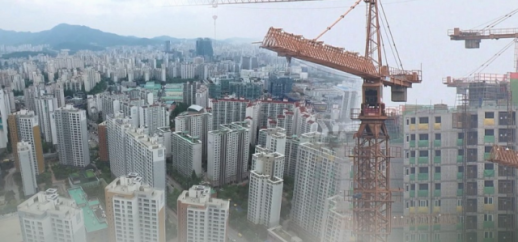 Savings Banks See Rising Delinquency Rates in Real Estate Loans As the real estate market continues to stagnate, the delinquency rates for real estate loans at mid-sized and large savings banks have risen. While the resolution of troubled real estate project financing (PF) has improved asset quality indicators, concerns are growing over the management of delinquencies in other areas, such as real estate loans.According to disclosures from the top five savings banks—SBI, Korea Investment, Welcome, OK, and Accuon—on May 31, SBI, Korea Investment, and OK Savings Banks have seen increases in delinquency rates despite reducing their real estate loan volumes.SBI Savings Bank reported a delinquency rate of 17.88%, up 10.5 percentage points from 7.38% in the same period last year. Although its real estate loan amount decreased from 1.2035 trillion won to 671.3 billion won, the delinquent amount rose from 88.8 billion won to 120 billion won.Korea Investment Savings Bank and OK Savings Bank also experienced increases in delinquency rates, rising from 13.87% to 17.54% and from 14.10% to 17.03%, respectively. Despite reductions in loan amounts of 370.2 billion won and 180.8 billion won, their delinquent amounts increased by 7.7 billion won to 281.6 billion won and by 17.8 billion won to 251.7 billion won.Welcome Savings Bank saw a slight decrease in its delinquency rate from 44.39% in the first quarter of last year to 43.61% this year, maintaining the highest rate among the top five banks. In contrast, Accuon Savings Bank improved its delinquency rate from 14.01% to 1.35%, with delinquent amounts dropping from 29 billion won to 3.7 billion won.In contrast, the delinquency rates for construction loans fell during the same period: OK from 19.22% to 5.25%, Korea Investment from 18.20% to 7.51%, Accuon from 9.76% to 2.09%, Welcome from 18.06% to 13.35%, and SBI from 8.63% to 7.83%. All five banks reported improvements in delinquency rates for real estate PF loans, except for SBI.Industry analysts note that while the resolution of non-performing loans in real estate PF has eased issues related to PF and construction, the burden of soundness has increased for real estate loans to rental and development companies due to a sluggish rental market and delays in development projects.A similar trend is emerging in credit loans, raising concerns that savings banks, having resolved PF issues, now face new challenges in maintaining soundness. According to data submitted to lawmaker Yang Soo from the People Power Party by the Financial Supervisory Service, the balance of credit loans at 31 domestic mid-sized and large savings banks was 25.63 trillion won in the first quarter of this year, a decrease of 1.76 trillion won compared to the same period last year. Meanwhile, the number of borrowers increased by 88,000, and the average delinquency rate rose to 6.93%, up 0.54 percentage points, indicating a decline in the repayment capacity of multiple debtors due to the economic downturn.* This article has been translated by AI. 2026-05-31 16:03:00
 -
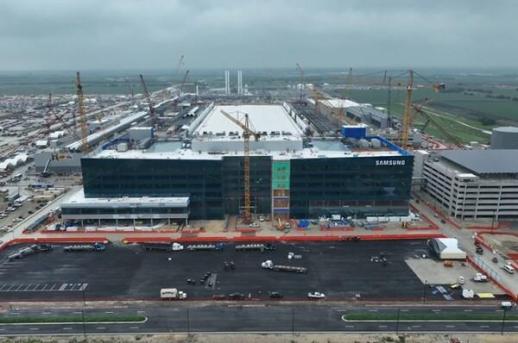 Samsung to Launch Texas Foundry Operations Next Year Samsung Electronics plans to officially begin operations at its Texas foundry facility in Taylor next year. Recently, Vice Chairman Lee Jae-Yong has taken a hands-on approach to securing overseas clients, raising expectations for improved performance in the struggling non-memory semiconductor sector.According to industry sources, Samsung confirmed on May 28 during the Samsung Foundry 'SAFE Forum 2026' held in the U.S. that production at the Taylor Fab will commence next year. More details about the advanced processes will be revealed at the SAFE Forum scheduled for July 1 in South Korea.The Taylor facility, which broke ground in 2022, is a key part of Samsung's $17 billion (approximately 25.5 trillion won) investment plan in the U.S. semiconductor sector. Once completed, it is expected to enhance Samsung's competitiveness in the foundry market, rivaling Taiwan's TSMC. Currently, Tesla has reserved $16.5 billion (about 22 trillion won) worth of production for its next-generation AI and autonomous driving chip, AI6, set for mass production in 2027. Recently, key executives from Apple also visited the Taylor Fab to discuss potential chipset partnerships.Samsung is also focusing on advancing its foundry processes for high-performance AI chip development. For instance, semiconductor design software company Synopsys has collaborated with Samsung Foundry to fully integrate AI into the semiconductor design process. To support the multi-die architecture essential for high-performance AI chips, Samsung has enhanced its 3rd generation 2-nanometer process and next-generation 3D IC platform. This transition from manual to AI-automated circuit design has significantly reduced development costs and design errors.These advancements in foundry technology are expected to strengthen Samsung's competitiveness in next-generation high-bandwidth memory (HBM). Samsung has supplied the world's first 12-layer samples of the 7th generation HBM, 'HBM4E,' to global clients. The collaboration between Samsung's memory and foundry divisions has been credited with accelerating development. HBM4E utilizes both the validated 1c (10-nanometer class 6th generation) DRAM and 4-nanometer foundry processes. As advanced packaging and 3D stacking technologies become increasingly important, Samsung's in-house foundry capabilities are directly linked to its competitiveness in next-generation HBM technology.Historically, the foundry and non-memory sectors have been significant challenges for Samsung. The foundry and system LSI division reportedly incurred an operating loss of approximately 6.8 trillion won last year. While the memory sector achieved record operating profits of around 53 trillion won in the first quarter of this year, the non-memory division is expected to have recorded losses in the hundreds of billions of won.However, there is optimism for a turnaround in the foundry business next year. Major clients such as Tesla, Qualcomm, and Apple are expected to drive new demand, along with AI startups like Anthropic. As TSMC's advanced factories operate at near full capacity, supply shortages are becoming evident. There is a growing trend of clients seeking Samsung as an alternative supplier.Lee Jae-Yong is personally overseeing the foundry business. After recently concluding labor negotiations, he traveled to Taiwan to meet with executives from MediaTek, a semiconductor design firm currently relying on TSMC for production. Samsung aims to leverage its stable supply of memory and HBM, along with competitive pricing, to attract new foundry clients.Park Yoo-ack, a researcher at Kiwoom Securities, stated, "Samsung's non-memory division is expected to improve significantly, turning from a 3.6 trillion won loss this year to an 1.8 trillion won profit by 2027." Kim Dong-won, head of research at KB Securities, also noted, "Samsung's foundry orders are expected to increase by over 100% compared to last year, with the foundry division likely to transition from a loss of about 7 trillion won last year to profitability next year."* This article has been translated by AI. 2026-05-31 16:03:00
 -
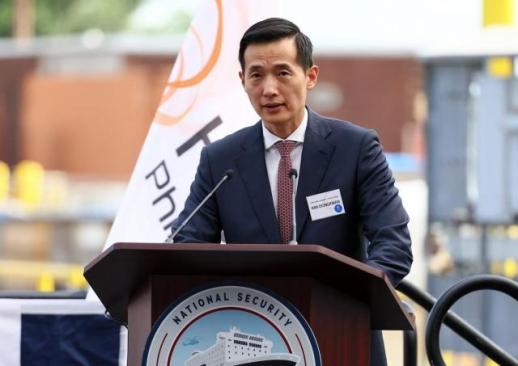 Hanwha Group Intensifies Efforts to Secure $60 Billion Canadian Submarine Contract The Canadian submarine project (CPSP), valued at up to 60 trillion won, is emerging as a critical opportunity for Hanwha Group to establish itself as a global defense contractor. The company plans to leverage its submarine technology, maintenance, repair, and overhaul (MRO) capabilities, artificial intelligence (AI), and local production of ground weapons as part of a comprehensive defense package strategy to secure the contract. According to industry sources on May 31, Hanwha is ramping up efforts to secure the CPSP contract, having successfully concluded the CANSEC 2026, Canada’s largest defense exhibition. Hanwha Ocean emphasized its submarine capabilities and contributions to the Canadian economy at the exhibition, where Chief of Naval Operations Kim Kyung-ryul and Defense Acquisition Program Administration Commissioner Lee Yong-cheol visited Hanwha's booth to engage with Canadian political and industrial figures in support of the bid. Ministers from Ontario and Nova Scotia, along with key representatives from Canadian defense and shipbuilding sectors, also visited Hanwha's booth to discuss collaboration opportunities. On May 21, Hanwha signed a memorandum of understanding with Canadian aerospace firm Reaction Dynamics to explore strategic investments aimed at enhancing Canada’s launch capabilities. Business analysts note that under the leadership of Vice Chairman Kim Dong-kwan, Hanwha is consolidating all its resources to secure the CPSP contract. At the heart of the bidding process is Hanwha Ocean's long-established submarine technology. The company is showcasing its capabilities with the Changbogo-III class submarine, a 3,000-ton vessel developed in South Korea. When the lead ship, the Dosan Ahn Chang-ho, docked at the Esquimalt naval base in British Columbia on May 24, Canadian naval officials were able to verify its long-range operational capabilities and operational stability. The Canadian government views the rapid delivery of next-generation submarines as a key factor in addressing capability gaps, and Hanwha Ocean's adherence to delivery timelines, a strength of the 'K-Shipbuilding' initiative, is emerging as a core competitive advantage. Hanwha Ocean has proposed delivering four submarines to Canada by 2035. However, analysts caution that securing the contract may not be easy, as competitor TKMS from Germany is leveraging its NATO interoperability and experience in European defense collaboration. In response, Hanwha has launched a group-wide package strategy as a decisive move. The company has submitted plans to the Canadian government to maintain and operate submarines within Canada while expanding collaboration into ground weapons and defense electronics. Hanwha Ocean will handle submarine construction and MRO, while Hanwha Aerospace aims to establish a joint venture in Canada to set up a local production base for military vehicles and other ground weapons. Hanwha Systems plans to broaden cooperation in satellite communications, AI, and surveillance technologies in the defense electronics sector with Canada. A Hanwha Ocean representative stated, "We are committed to becoming a trusted long-term partner for Canada through local investment, industrial cooperation, workforce development, and continuous economic contributions that support Canada's 'Buy Canadian' policy." 2026-05-31 16:03:00
 -
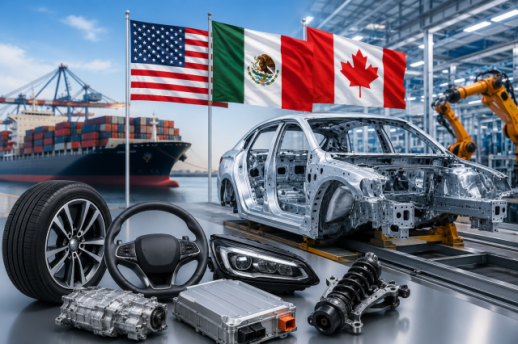 USMCA Negotiations Loom as U.S. Proposes 50% Domestic Content Rule for Auto Parts As the decision on whether to extend the United States-Mexico-Canada Agreement (USMCA) approaches in a month, the domestic automotive industry is on high alert. Reports indicate that the U.S. has proposed increasing the domestic content requirement for auto parts and materials to over 50%, raising concerns among companies operating in Mexico. According to industry sources, the U.S. and Mexico-Canada are currently conducting a joint review ahead of the USMCA extension decision scheduled for July 1. The USMCA, which took effect in July 2020, includes a sunset clause that mandates a review every six years to determine whether to maintain the agreement. During recent bilateral talks between the U.S. and Mexico, key issues included reducing the trade deficit with Mexico and strengthening U.S. supply chains. Discussions also covered significant topics such as auto origin regulations, steel and aluminum tariffs, and economic security. According to reports from outlets like The Wall Street Journal, the U.S. negotiating team is considering raising the domestic content requirement for auto parts and materials to over 50%. Additionally, they proposed increasing the threshold for tariff-free benefits from 75% to 82% for parts sourced from the U.S., Mexico, and Canada. This proposal reflects the initial stance of the Trump administration and may change during negotiations. Domestic automakers and parts suppliers are closely monitoring the USMCA negotiations. If the domestic content requirement is enforced, companies like Hyundai Mobis, SL, and Sambo Motors, which operate production bases in Mexico, will likely need to overhaul their supply chains. An industry representative expressed concern, stating, "We have established production bases in Mexico based on relatively low labor costs, and we are worried. If the domestic content requirement is strengthened, we will need to explore partnerships with U.S. suppliers and expand local production." Hyundai Mobis, for instance, supplies parts to Kia's plant in Pesquería, Mexico, from its facility in Nuevo León. SL has established a new plant in San Luis Potosí, capable of producing up to 1 million headlamp modules annually. Automakers receiving parts are also expected to be affected. Global manufacturers, including Hyundai, Kia, Toyota, and Nissan, are concerned about potential cost increases due to stricter origin regulations. There are also worries that the profitability of some lower-cost models could decline. Industry experts believe there is a strong possibility that U.S. demands will be reflected in the negotiations. The Korea Automotive Technology Institute analyzed in a report published in February that the U.S. holds a structural advantage in negotiations, being the largest market among the three countries and the top exporter of automobiles to Canada and Mexico. The institute projected, "If the U.S. government strengthens origin regulations as desired, the burden on automakers will vary based on production scale and the proportion of U.S.-sourced parts." 2026-05-31 16:03:00
 -
 Daiso Dominates Summer Sports and Running Market with Surge in Sales 아성다이소가 압도적 가격 경쟁력과 기능성을 앞세워 여름철 스포츠·러닝 시장을 빠르게 장악하고 있다. 러닝과 같은 일상 스포츠족을 겨냥해 출시한 기능성 의류들이 입소문을 타면서 온·오프라인 매장마다 품절 행진이 이어지는 모습이다. According to industry reports, Daiso's sportswear sales surged nearly 200% from January to April this year compared to the same period last year. Sales of sports accessories, including sports bands, arm bands, and leisure towels, also increased by about 40%, indicating robust growth across the lifestyle sports sector. This explosive growth is largely attributed to a collaboration with the sports brand HEAD. Daiso recently launched over 60 types of running apparel and gear, including running vests, caps, socks, mesh T-shirts, lightweight shorts, and windbreakers. Notably, the running vest, considered essential for nighttime runners, quickly sold out across the country after its release, generating significant buzz. On Daiso's online store, the number of customers signing up for restock notifications for this product exceeded 13,000. The primary reason sports enthusiasts are flocking to Daiso is its low prices. Functional windbreakers and shorts are priced at around $5, caps at $3, and sports socks at $2. Even when purchasing a complete set of clothing, including tops, bottoms, hats, socks, and UV-blocking sunglasses, the total cost remains under $20, which is less than the price of a single T-shirt from typical sports brands. Many customers have noted that the quality is comparable to that of established specialty products. Additionally, Daiso is diversifying its offerings by expanding into various sports categories, including swimming, yoga, home training, golf, tennis, and hiking. The demand for UV protection products, essential for outdoor summer sports, has also seen a seasonal boost. From May 1 to 28, Daiso's sun care product sales nearly doubled compared to the same period last year. During the same timeframe, sales of hats increased by about 90%, and fashion accessories like arm sleeves and parasols saw a growth rate of approximately 50%. Daiso's emergence as a go-to destination for summer sports and beauty products can be attributed to its one-stop shopping experience. The popularity of seasonal beauty items, such as sunscreen and tinted moisturizers, has been bolstered by a strategic placement of functional apparel and fashion accessories, driving sales upward. This approach effectively captures the demand for outdoor sports and leisure activities in one location. An industry insider stated, "As the recession deepens, budget-conscious sports enthusiasts are thrilled with Daiso's high-quality, ultra-low-cost strategy. Daiso's uniform pricing model is rapidly penetrating markets previously dominated by established specialty brands in functional fashion and summer beauty products." 2026-05-31 15:42:00
 -
 April Donghaeng Festival Records 544.1 Billion Won in Sales, Increased Onnuri Sales 중소벤처기업부는 '4월 동행축제'에서 5441억원의 직접 매출을 기록했다고 31일 밝혔다. The Ministry of SMEs and Startups reported on May 31 that the April Donghaeng Festival generated direct sales of 544.1 billion won. According to the ministry, this year's festival saw participation from a record 36,000 small and medium-sized enterprises (SMEs) and small businesses. Notably, 200 online and offline distribution channels operated discount promotions, resulting in a 178 billion won (3.4%) increase compared to last year's average sales of 526.3 billion won. During the festival, the sales of Onnuri gift certificates rose by 48% from the previous year, reaching 511.8 billion won, thanks to temporary increases in discount rates for digital certificates. A key feature of this year's festival was the collaboration with local governments to link regional festivals with the Donghaeng Festival program, as well as expanded partnerships with large retail companies that have nationwide sales networks. To support small businesses and boost consumer spending, the Minister and Vice Minister of SMEs and Startups visited major consumer sites across the country simultaneously during the festival. Thirteen regional SMEs and Startups offices operated a total of 71 specialized programs that reflected local characteristics and were linked to regional festivals. A notable example is the Daegu-Gyeongbuk Regional SMEs and Startups Office's 'Daegu Handmade Burger Festival,' which identified ten young entrepreneurs in the local alley economy and promoted their local brand products. During the event, each business averaged 10 million won in sales, a 3.3-fold increase compared to the annual average daily sales of 1.5 million won. The event attracted around 12,000 visitors. Additionally, in collaboration with local governments, a special 'Eomheungdo City Tour' was organized to coincide with the success of the film 'The King and the Man,' linking it to the Gunwi traditional market to encourage local consumption through lunch and market tours, revitalizing the local economy. Looking ahead, the Ministry plans to institutionalize two annual consumer festivals, focusing on the 'April Donghaeng Festival' in the first half and the 'Korea Grand Festival,' a comprehensive government initiative to promote consumption, in the second half of the year. Han Seong-sook, Minister of SMEs and Startups, stated, "In the second half of this year, we will further invigorate domestic consumption through the 'Korea Grand Festival,' which will consolidate the government's consumption promotion capabilities."* This article has been translated by AI. 2026-05-31 15:42:00
 -
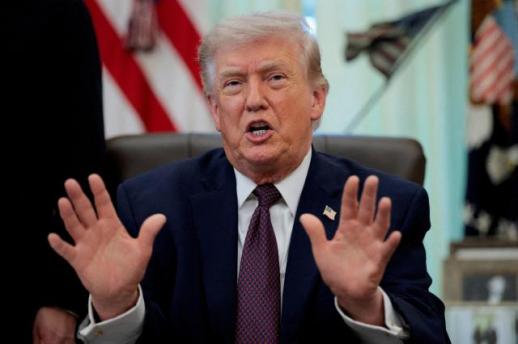 Trump Delays Announcement on Iran Agreement, Raising Uncertainty Over Peace Talks Amid delays in announcing a peace agreement with Iran, uncertainty surrounding the deal has intensified. The two nations have shown differences over key issues, including Iran's nuclear program and navigation through the Strait of Hormuz, raising questions about whether a peace agreement can be reached this time. The New York Times reported on May 30, citing three officials, that President Trump has not yet approved the draft memorandum of understanding (MOU) aimed at ending the war between the U.S. and Iran. According to the report, Trump has strengthened the preliminary conditions outlined in the peace MOU and sent a revised document back to Iran. However, specific details of the changes have not been confirmed. Previously, on May 29, Trump discussed the approval of the peace MOU during a meeting in the White House Situation Room but concluded the meeting without a separate announcement. The draft MOU reportedly includes a 60-day extension of the ceasefire between the U.S. and Iran, full opening of the Strait of Hormuz, and an agreement on Iran's denuclearization during the extended ceasefire period. On the same day, Trump mentioned on social media platform Truth Social that key conditions include a ban on Iran's nuclear weapons development, the complete opening of the Strait of Hormuz without tolls, immediate removal of underwater mines by Iran, and U.S.-led excavation and removal of highly enriched uranium buried at Iranian nuclear facilities. The White House also stated that any agreement Trump makes with Iran would only be beneficial to the U.S. and meet his red lines. As criticism grew among hardliners within the Republican Party regarding the Trump administration's approach to Iran's nuclear issue, it is interpreted that Trump has conveyed even tougher demands to quell these concerns. In contrast, Iran has criticized the U.S. for maintaining a maritime blockade and making excessive demands. Mohsen Rezaei, a senior Iranian official and former commander of the Islamic Revolutionary Guard Corps (IRGC), stated, "As expected, the U.S. president is betraying diplomacy for the third time." He added, "By continuing the maritime blockade and pursuing excessive demands in negotiations, he has proven that he is not a negotiator and is pursuing other objectives." U.S. Hints at Military Options Amid these developments, the U.S. has indicated that military options against Iran remain on the table. Defense Secretary Pete Hagel stated at a press conference following the Shangri-La Dialogue in Singapore that the U.S. military's blockade of Iran remains strong and that they are prepared to resume military intervention if peace negotiations fail. He emphasized, "The Strait of Hormuz will be an open waterway, freely accessible to the world, without tolls. That is how it should be." On the same day, U.S. forces reportedly fired missiles at a Gambian-flagged cargo ship heading toward an Iranian port, according to U.S. Central Command (CENTCOM). CENTCOM stated that the vessel was observed passing through international waters toward the Iranian port and that over 20 warnings were issued regarding violations of the U.S. maritime blockade. The U.S. Treasury Department is also increasing pressure on Iran regarding navigation issues in the Strait of Hormuz. On May 29, the Treasury announced that Americans should not use any services provided by the Iranian government, including safe passage services, regardless of toll payments. Earlier, on May 27, the Treasury's Office of Foreign Assets Control (OFAC) designated the newly established Persian Gulf Strait Authority (PGSA), created by Iran to manage navigation in the Strait of Hormuz, and all individuals or entities cooperating with it as special sanctions targets. Since the outbreak of war, Iran has effectively blocked the Strait of Hormuz, securing unprecedented leverage. Iran has been overtly asserting its control over the strait, recently proposing tolls of up to $2 million per vessel (approximately 300 million won) as part of its management and licensing system for navigation. Consequently, despite Trump's earlier mention of making a 'final decision' regarding the peace agreement on May 29, the lack of clear updates has raised concerns about the potential for renewed military conflict, further increasing uncertainty surrounding the peace agreement. On the other hand, some mediators suggest that a significant portion of the agreement has already been finalized. A senior Arab official involved in directly mediating peace negotiations between the U.S. and Iran stated to NBC News on May 28 that both negotiating teams had agreed on ceasefire conditions a few days prior, but both sides are delaying final confirmation and announcement. The official explained, "It was already wrapped up three days ago in Doha. Now everyone is playing a game of who comes first, the chicken or the egg," expressing frustration over the delay.* This article has been translated by AI. 2026-05-31 15:42:00