
Journalist

Seán Canney
-
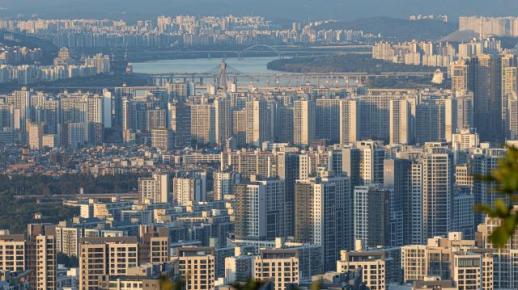 Experts Say Shortening Approval Process Alone Won't Solve Housing Supply Issues Seoul mayoral candidates from both major parties are competing to present promises for redevelopment projects, but experts agree that simply shortening the approval process will not resolve the housing supply crisis. They point out that the proposals lack specific alternatives to address the core issues of regulatory conflicts and rising construction costs. Additionally, both candidates have failed to present short-term measures for non-apartment housing to alleviate the immediate supply shortage, and there is a need for consistency with central government policies from the proposal design stage.On May 14, experts evaluating the real estate policies of the mayoral candidates expressed agreement with the general direction of the proposals but criticized their superficial analysis, noting a significant gap from reality. They emphasized that while shortening the approval process is like starting the engine, it is essential to simultaneously release the brakes of finance and regulation for the supply clock to function properly.Shim Hyung-seok, head of the Woo Dae-bbang Real Estate Research Institute, stated, "In a situation where regulations such as restrictions on the transfer of reconstruction association member status are in place, projects are often delayed due to members being blocked from progressing even if they want to move forward. Shortening the approval process without regulatory relaxation is merely half a measure."Shim also pointed out that substantial incentives for private projects need to be clearly outlined in the proposals, especially amid soaring construction costs. According to the Korea Construction Technology Institute, the construction cost index rose to 134.42 in March, a 0.49% increase from the previous month and more than 30% higher compared to the base year of 2020 (100). The surge in construction costs leads to conflicts between associations and construction companies. Industry voices have consistently called for the introduction of standard contracts from the selection stage of construction companies and for the decisions of dispute resolution committees to have practical enforceability to alleviate this structural bottleneck.Kim In-man, head of the Kim In-man Real Estate Economic Research Institute, criticized both candidates for lacking immediate short-term measures for non-apartment housing that could release supply into the market. He suggested supporting private construction financing to ease the financial burden on small builders and proposed direct development of parking laws and infrastructure as alternatives. He emphasized the need to strengthen oversight to ensure high-quality non-apartment housing is supplied to the market without defects. Kim stated, "Creating an environment where the private sector can supply high-quality non-apartment housing that is livable, even if not at the level of apartments, is a realistic supply measure that the Seoul city government can implement immediately. It is crucial to encourage the private sector to provide high-quality non-apartment housing rather than purchasing existing villas with tax money, which is the key to short-term supply."Concerns have also been raised that without clearly distinguishing between promises that can be implemented solely by the Seoul city government, those requiring legislative action from the National Assembly, and those dependent on cooperation from the central government, the promises may stall during the term due to 'external factors.'Seo Jin-hyung, a professor at Kwangwoon University, noted, "The key to realizing the promises lies in how closely both candidates can cooperate with the central government. Promises that do not differentiate between what can be achieved within the authority of the Seoul city government and what cannot may end up being mere election rhetoric." He added that specific financial initiatives at the city level are needed to address stalled projects due to issues like relocation costs or project financing.Song Seung-hyun, head of Urban and Economy, emphasized that without regulatory relaxation, it is challenging for projects to progress, pointing out that there tends to be a disconnect between policies of the Seoul city government and the central government. He stressed the need for policy coordination and role-sharing with the central government to address economic issues such as construction costs.* This article has been translated by AI. 2026-05-14 18:32:01
 -
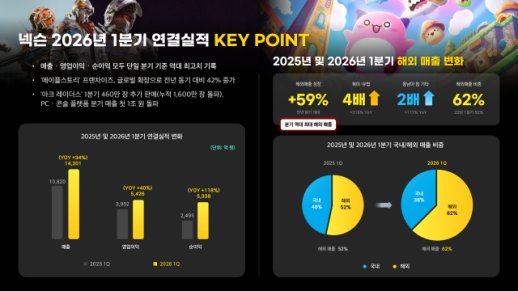 Nexon Reports Record Q1 Revenue of 1.42 Trillion Won, Eyes 5 Trillion Won Annual Milestone Nexon achieved a record revenue of 1.42 trillion won in the first quarter of 2026, marking its highest quarterly performance to date. The company is now poised to become the first in the domestic gaming industry to surpass 5 trillion won in annual revenue. Nexon previously exceeded 4 trillion won in annual revenue in 2024, a first for a South Korean game company. On May 14, Nexon reported first-quarter revenue of 1.42 trillion won, operating profit of 542.6 billion won, and net profit of 533.8 billion won. Revenue and operating profit increased by 34% and 40%, respectively, compared to the same period last year. Net profit surged by 118%, achieving record highs for a single quarter. The success of Nexon’s flagship intellectual properties (IPs) like 'MapleStory' and the newly launched 'Arc Raiders' in October 2025 has expanded its growth into global markets, including North America, Europe, and Southeast Asia. This marks a successful diversification of its revenue structure, which had previously been heavily reliant on East Asia, including South Korea and China. With domestic revenue growth, Nexon’s overseas revenue now accounts for 62% of its total. Revenue from North America, Europe, and Southeast Asia saw increases of 310% and 111%, respectively, compared to the previous year, achieving record highs for a single quarter. A Nexon representative stated, "In the first quarter, Nexon’s overseas revenue increased by more than half compared to the same period last year, despite a lack of growth momentum in the Chinese market." The 'MapleStory' IP has expanded its reach through a platform diversification strategy, with overall revenue from the IP increasing by 42% year-on-year. The mobile casual game 'MapleStory Growing' has attracted new users in North America, Europe, and Southeast Asia. The user-generated content platform 'MapleStory World' experienced a 79% growth in Taiwan, driven by updates for the Lunar New Year compared to the previous year. The original PC version of 'MapleStory' saw an 8% increase in revenue in Western markets compared to the same period last year, indicating successful expansion in those regions. 'Arc Raiders,' launched in October 2025, sold an additional 4.6 million units in the first quarter, bringing its global cumulative sales to over 16 million within six months of release. The success of 'Arc Raiders' in Western markets led to Nexon’s PC and console revenue surpassing 1 trillion won for the first time in a single quarter. In China, the PC game 'Dungeon & Fighter' also recorded double-digit growth year-on-year, benefiting from updates during the Lunar New Year in January. As a result, expectations are growing that Nexon will become the first domestic game company to surpass 5 trillion won in annual revenue. Nexon previously achieved 4 trillion won in annual revenue in 2024, a first for a South Korean game company. Nexon plans to strengthen the competitiveness of its 'FC' and 'Dungeon & Fighter' franchises. The company has extended its publishing contract with Tencent for 'Dungeon & Fighter' in China for another 10 years. Additionally, Nexon aims to implement the IP expansion strategy validated by 'MapleStory' to revitalize the 'Dungeon & Fighter' franchise. The company is developing various titles, starting with the mobile idle game 'Dungeon & Fighter Growing,' followed by the 2D action RPG 'Dungeon & Fighter Classic,' the open-world action RPG 'Dungeon & Fighter: Arad,' and the 3D action RPG 'Project Overkill,' all targeting the global market. Nexon is also focusing on strengthening its mid- to long-term growth drivers through new partnerships and the expansion of next-generation IPs. In March, Nexon announced a publishing agreement with Blizzard Entertainment for the Korean service of the global blockbuster 'Overwatch' PC version, set to launch within the year. 'Vindictus: Defying Fate,' an action RPG based on the 'Mabinogi Heroes' IP, and the multiplayer open-world survival game 'Durango World' are among the various self-developed titles aimed at expanding its IP portfolio for the global market. Jung Heon Lee, CEO of Nexon Japan, stated, "The global success of the 'MapleStory' franchise and 'Arc Raiders' contributed to our strong performance in the first quarter. We will secure mid- to long-term growth drivers through strategic partnerships and a robust lineup of new titles, while enhancing profitability and global competitiveness through the innovative initiatives presented in the CMB (Capital Market Briefing) 2026."* This article has been translated by AI. 2026-05-14 18:29:39
 -
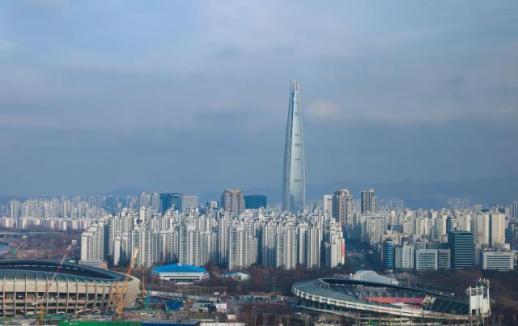 Candidates Clash Over Housing Supply Plans Ahead of Seoul Mayor Election The race for the Seoul mayoral election is narrowing down to a competition between Democratic Party candidate Jeong Won-o and People Power Party candidate Oh Se-hoon over housing supply promises. Both candidates emphasize accelerating the housing supply by streamlining administrative procedures, but doubts remain about the feasibility of their funding plans and timelines. Concerns are growing about potential physical limitations and procurement challenges, highlighting the need for a concrete execution roadmap.According to the redevelopment industry on May 14, Jeong Won-o announced on May 12 that he aims to supply a total of 360,000 housing units across both private and public sectors by 2031. Last month, he unveiled a blueprint for his 'smooth development' initiative, which aims to reduce the typical 15-year project timeline to within 10 years by supporting the entire redevelopment process until occupancy.Additionally, Jeong plans to implement a 'simultaneous application system' that allows for concurrent progress on basic plans and designation of redevelopment areas, as well as approval of redevelopment plans in a single assembly meeting. He also aims to expedite the early construction of 32,000 affordable housing units in the city and increase the annual supply of rental units, including villas and officetels, to between 7,000 and 9,000.In contrast, Oh Se-hoon plans to expedite the supply of 310,000 housing units during his term by designating 85 projects that have reached the critical point of management approval as 'core strategic redevelopment areas.' His strategy involves mobilizing all city resources to advance construction timelines by more than a year.To address the chronic delays in redevelopment projects, Oh intends to launch a 'rapid integration' system to streamline administrative processes and establish a unified review system for project implementation and management approvals.However, both candidates have yet to provide clear execution plans or realistic timelines for construction and occupancy.Jeong's proposal for 360,000 units, which is 50,000 more than Oh's, relies on 'purchase rentals,' but the feasibility of securing funding is considered low. The funds needed to secure an additional 50,000 rental units vary based on the purchase method and unit price, but even at 500 million won per unit, it would require at least 25 trillion won. Given the city's annual budget, it is challenging to allocate over 25 trillion won within a specific term.Moreover, implementing the simultaneous application system requires amending the current Urban and Residential Environment Improvement Act, necessitating cooperation with the central government and the National Assembly.For Oh, among the 310,000 units, 85,000 in the 'core strategic redevelopment areas' are already at the management approval or relocation/demolition stages, making a 2031 construction start feasible, according to industry assessments. However, the timeline for the remaining 225,000 units remains uncertain. Oh's flagship rapid integration planning initiative has seen only two out of 224 candidate sites begin construction as of the end of last year, resulting in an execution rate of just 0.9%.Oh also proposed supporting construction funding through special housing project accounts and housing promotion funds by 2031, along with expanding low-interest loans. However, critics argue that these funds are already earmarked for existing rental housing management and housing benefit support, and the total amount remains insufficient for large-scale redevelopment projects.Critics have pointed out that the proposed construction timelines from both candidates may not be realistic. The standard duration for redevelopment projects typically spans 10 to 15 years. To meet the promised 2031 construction start, all target areas must reach at least the 'association establishment approval' stage by the end of this year. Adding the 3 to 4 years required for completion after construction begins suggests that the actual occupancy for the promised 2031 housing supply could extend into 2034 or 2035.An industry insider noted, "The anxiety felt on the ground stems not only from the speed of approvals but also from the soaring construction costs and interest rate burdens, which create structural delays in securing construction timing even after management approval. Concrete solutions for funding procurement and conflict resolution must be included in the candidates' pledges."* This article has been translated by AI. 2026-05-14 18:27:24
 -
 POSCO Holdings Partners with Korea Development Bank to Support Non-Metropolitan Startups POSCO Holdings has partnered with the Korea Development Bank (KDB) to attract investment and support the growth of startups outside the metropolitan areas. POSCO Holdings announced on May 14 that it signed a memorandum of understanding with KDB at Ground Gwangyang to collaborate on revitalizing the venture ecosystem and promoting balanced regional development. The agreement aims to combine POSCO Group's venture development capabilities with KDB's financial support infrastructure to discover promising regional startups and facilitate their continuous growth. The memorandum includes provisions for KDB to review direct investments or loans for startups located in regions recommended by POSCO Group, support for attracting investments for recommended companies through KDB's regional specialized venture platform, and collaboration on nurturing regional startups and discovering promising ventures. Following the signing ceremony, an investor relations (IR) session was held for five regional venture companies recommended by POSCO Group. This session is part of the investment attraction support activities outlined in the agreement, featuring five promising ventures in the fields of secondary battery materials, biotechnology, and robotics, either currently based at or intending to move to Ground Gwangyang. CEO Lee Joo-tae stated, "Through our open innovation venture platform, CHANGeUP, POSCO Group has been strengthening ties with venture companies in our core business areas, including steel and secondary battery materials, while also discovering new business opportunities. With our collaboration with KDB, we aim to solidify the support framework for the growth of regionally based ventures and contribute to regional economic revitalization and national balanced development." The signing ceremony was attended by approximately 110 people, including Lee Joo-tae, CEO of POSCO Holdings, Ko Jae-yoon, head of POSCO Gwangyang Steelworks, KDB Senior Vice President Lee Bong-hee, representatives from venture companies, venture investors, and officials from startup-related organizations. Meanwhile, POSCO Holdings reported on April 30 that it achieved consolidated revenues of 17.876 trillion won, operating profit of 707 billion won, and net profit of 543 billion won for the first quarter of this year. Despite increased uncertainty in energy supply chains and financial markets due to the Middle East conflict, the commercial production of lithium at POSCO Argentina significantly reduced losses in that sector, leading to increases in both revenue and profit.* This article has been translated by AI. 2026-05-14 18:24:48
 -
 US-China Summit Complicates South Korea's Strategic Calculations U.S. President Donald Trump and Chinese President Xi Jinping held a summit in Beijing on May 14. The meeting addressed key issues affecting the global economy and security, including tariffs, semiconductors, rare earth elements, artificial intelligence, Taiwan, and the Middle East. While the summit appeared to focus on stabilizing relations and managing conflicts, the reality is more complex. The U.S. and China have already entered a so-called 'tariff truce' by temporarily easing mutual tariffs. China has relaxed some restrictions on rare earth exports, and the U.S. has adjusted certain sanctions. This reflects a pragmatic recognition that the global supply chain shocks can no longer be ignored. However, the essence of the summit leans more toward competition for leadership rather than compromise. The U.S. aims to curb China's rise in advanced technologies while also mitigating supply chain instability and inflationary pressures. Meanwhile, China needs to manage the intensity of its conflicts with the U.S. amid economic slowdown and declining exports. The two nations are not meeting to reduce tensions but rather to manage the costs of potential larger confrontations. Particularly noteworthy are the discussions surrounding AI and advanced technology. The U.S. has classified semiconductor and AI infrastructure as national security assets, tightening export controls to China. In response, China is leveraging its control over rare earth materials and battery supply chains. What once was a simple trade dispute has evolved into a competition for technological hegemony and industrial dominance. South Korea finds itself at the center of this conflict. The South Korean economy is intricately linked to both the U.S. security framework and the Chinese market. Most of its key industries, including semiconductors, batteries, automobiles, and shipbuilding, are directly tied to the U.S.-China supply chains. Changes from either side could disrupt the entire structure of corporate investments and exports. The U.S. tightening semiconductor regulations directly impacts Samsung Electronics and SK Hynix's operations in China. China's control over rare earth elements poses challenges for South Korea's electric vehicle and battery industries. Additionally, tensions in the Taiwan Strait and risks in the Middle East complicate logistics and energy costs. The outcomes of the U.S.-China summit have a direct impact on South Korea's industries and financial markets. As the U.S. and China reshape their supply chains and technological order, South Korea appears to be caught in a cycle of responding to individual issues. Support measures for semiconductors are delayed, the AI infrastructure race is lagging, and strategies for energy and mineral supply chains remain unstable. There are concerns that South Korea's diplomacy lacks a consistent strategy between principles and realities. The U.S.-China rivalry is no longer a temporary conflict. It is likely to persist as a structural clash, even with changes in government or international circumstances. South Korea's diplomatic and industrial strategies must move beyond short-term event responses. While maintaining its alliance with the U.S., South Korea must also manage the realities of the Chinese market and supply chains with a clear-eyed approach. To reduce the pressure of forced choices, enhancing technological competitiveness and supply chain independence is essential. Above all, the speed of national strategy is crucial. The U.S. and China are already maneuvering over future industrial orders in AI, semiconductors, rare earths, and energy. Meanwhile, South Korea remains mired in political conflicts and short-term issues. The reconfiguration of the global order will not wait. This U.S.-China summit is not just a matter for the two nations. It signals how the center of the global economy is shifting. South Korea can no longer remain a mere observer. The time to simultaneously overhaul its diplomatic, industrial, and security strategies has not only approached; it has already begun.* This article has been translated by AI. 2026-05-14 18:22:42
 -
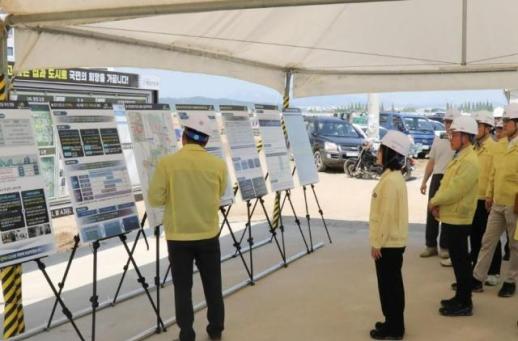 LH Conducts Special Inspection at Incheon Gyeyang, First Site for Third New Town Residents The Korea Land and Housing Corporation (LH) announced on May 14 that it conducted a special inspection at the Incheon Gyeyang Techno Valley public housing site, where the first residents of the third new town are expected to move in by the end of this year.On this day, Acting President Jo Kyung-sook visited the A2 block (747 public sale units) and A3 block (538 newlywed hope town units), where housing finishing works are underway. Jo listened to concerns from site officials and discussed solutions. This inspection was organized to ensure construction quality and prevent safety accidents amid rising raw material prices and supply instability due to recent tensions in the Middle East. The focus was particularly on the status of the A2 and A3 blocks, which will be the first to welcome residents among the third new towns. Currently, infrastructure work, including roads and water supply systems, is ongoing in the Incheon Gyeyang area, with the A2 and A3 blocks set for occupancy in December. Jo emphasized, "As Incheon Gyeyang marks the starting point for the third new town's occupancy, essential facilities like schools and parks, as well as transportation infrastructure, must be established in a timely manner," urging that safety and quality on-site should be the top priorities. Incheon Gyeyang is a key project of the third new town, being developed over 3.35 million square meters in the Bakchon-dong area of Incheon, with plans for 18,000 housing units. It aims to create a self-sufficient city centered on advanced industries, securing land 1.4 times larger than Pangyo Techno Valley. The project features improved access to Seoul through the introduction of S-BRT and expanded road networks. It is the fastest-moving project among the third new towns, with the first resident move-ins scheduled for the end of this year.An industry insider noted, "Gyeyang is not only the fastest project among the third new towns but also has significant geographical advantages due to its proximity to the Magok district in Seoul. If the planned future industrial infrastructure is completed as scheduled, it will reshape the residential landscape of the northwestern metropolitan area."* This article has been translated by AI. 2026-05-14 18:20:59
 -
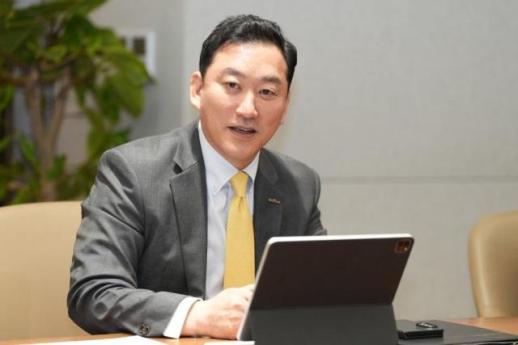 Korea Investment & Securities to Compensate Belgian Fund Investors 50.2% Korea Investment & Securities has reportedly compensated investors in the "Belgian real estate fund" approximately 50.2% of their losses. Initially, the firm offered limited voluntary compensation to some investors, but it has since expanded the scope to include all investors. This decision is said to reflect a significant commitment to consumer protection by President Kim Seong-hwan.According to the Financial Supervisory Service and the financial investment industry on May 14, Korea Investment & Securities has compensated investors in the "Korea Investment Belgian Core Office Real Estate Investment Trust No. 2" (Belgian fund) at an average rate of 50.2% of their losses.The "Belgian fund" was established in 2019 by Korea Investment Real Asset Management and was structured to invest in lease rights for local office buildings leased long-term by Belgian government agencies. However, it faced controversy over improper sales, leading to numerous investor complaints. Initially, the fund was marketed with an emphasis on stable rental income over five years, but a surge in global interest rates and a downturn in the European commercial real estate market led to failed asset sales and ultimately resulted in total investment losses.The total loss from this fund amounts to approximately 90 billion won, with Korea Investment & Securities accounting for about 58.9 billion won of that. Following the complete loss of the fund, the firm initially conducted voluntary compensation for only 458 out of 1,897 sales, which represented 24.1% of total sales, amounting to about 6.07 billion won. The remaining 1,439 cases were excluded from compensation.After discussions with investors, Korea Investment & Securities changed its policy to provide blanket compensation for all investors. The compensation rate was reportedly adjusted based on individual sales processes and investment preferences, ranging from 40% to 80%. The total compensation amount is approximately 29.5 billion won, which is about half of the sales amount for the fund. This represents a fivefold increase compared to the initial voluntary compensation decision.The significant expansion of the compensation scope by Korea Investment & Securities reflects a proactive response to the financial authorities' emphasis on enhancing consumer protection. Since the appointment of Lee Chan-jin as the head of the Financial Supervisory Service, there have been repeated calls to strengthen consumer protection for high-risk overseas alternative investment products. Lee publicly stated early in his tenure that if violations of internal controls related to improper sales are confirmed, the compensation standards for all disputes, including those already processed, could be readjusted. Additionally, the Financial Supervisory Service plans to mandate the submission of due diligence reports related to overseas real estate funds and establish standard guidelines for investment risks to significantly enhance investor protection.In line with this direction, Korea Investment & Securities has established a consumer protection task force directly under the president's office, strengthening its consumer protection system throughout the entire process from product development to sales and post-management. An industry official commented, "This is a measure taken in response to the need to restore investor trust and enhance financial consumer protection, especially as large securities firms are achieving record performances recently."* This article has been translated by AI. 2026-05-14 18:20:03
 -
 KCC Achieves Historic '0% Miracle' in Korean Basketball Busan KCC has made history by becoming the first sixth-place team to win the championship in the history of professional basketball in South Korea, capping off the 2025-2026 season with an unprecedented achievement. The team also set significant milestones for both its players and coaching staff, marking a notable chapter in Korean basketball. KCC triumphed over Goyang Sono, winning 76-68 in the fifth game of the 2025-2026 KBL Championship Finals held at Goyang Sono Arena on May 13. With this victory, KCC secured the series 4-1, reclaiming the championship title for the first time since the 2023-2024 season. This win also marked KCC's seventh championship, tying them with Ulsan Hyundai Mobis for the most playoff titles in league history. This championship has been dubbed the '0% Miracle,' as it is the first time since the league's inception in 1997 that a sixth-place team has advanced to the finals and won the title. KCC previously made history two years ago by becoming the first fifth-place team to win the championship. During the playoffs, KCC achieved a stunning upset by defeating third-place Wonju DB in three straight games and overcoming second-place Anyang Jeonggwanjang with a 3-1 series win. They continued their momentum by winning six consecutive games against fourth-place Seoul SK and first-place Changwon LG, ultimately reaching the finals. After taking an early lead in the series, KCC faced a setback in Game 4 but sealed their championship in the decisive Game 5. Lee Sang-min, who took over as head coach before the season, became the first coach in professional basketball history to win a championship as a player, coach, and manager with the same team. He has won three championships as a player during his time with KCC's predecessor, Hyundai, and added a coaching title this season after previously serving as an assistant coach. After the game, Lee expressed his joy, stating, "Winning as a coach for the first time holds great significance for me. The pressure of preparing for the finals was immense compared to my playing days. I found it challenging to sleep due to the tension. Winning now feels even better than when I was a player." The Most Valuable Player (MVP) award went to Heo Hoon, who celebrated his first championship victory. He received 79 out of 98 votes from the media, averaging over 38 minutes per game in the finals while contributing 15.2 points, 9.8 assists, and 4.4 rebounds. Heo Hoon, who joined KCC this season to play alongside his older brother Heo Woong, also followed in the footsteps of his father, former coach Heo Jae, who won the MVP award in the 1997-1998 season. Meanwhile, Goyang Sono, which made its playoff debut this season after being established in 2023, finished as the runner-up. Son Chang-hwan, the head coach of Sono, reflected on the season, saying, "I never imagined we would reach the finals in our first playoff appearance. Our original goal was to reach the top six and achieve a .500 winning percentage, so I am proud of what the players accomplished. Anything beyond that is a bonus. A new beginning awaits, and I will work with the players to build an even better team for next season. Act One has concluded, and we must prepare for Act Two."* This article has been translated by AI. 2026-05-14 18:16:31
 -
 Trump and Xi Meet: Implications of Their Summit U.S. President Donald Trump and Chinese President Xi Jinping met again in Beijing on May 14. The summit between the world's top superpower and the second-largest economy is always a significant event that can influence global order, but this meeting carries particular weight and symbolism. The backdrop includes the ongoing war in Ukraine, conflicts in the Middle East, competition for dominance in artificial intelligence (AI), the semiconductor race, issues surrounding Taiwan, control of rare earth elements, supply chain restructuring, and the dominance of the dollar versus the internationalization of the yuan. This summit is not merely a diplomatic event between the two nations; it represents a significant exploration of who will shape the world order in the mid-21st century and how. The U.S. seeks to maintain the existing hegemonic order, while China aims to establish a new multipolar system. The world watches with both anxiety and anticipation as these two leaders navigate their relationship. The two leaders held a summit for over two hours at the Great Hall of the People in Beijing. Following the meeting, they moved to the Temple of Heaven, a sacred site where Chinese emperors once prayed for national peace and a good harvest. A state dinner followed in the evening. China's choice of the Temple of Heaven as one of the meeting venues is no coincidence. It symbolizes the authenticity of Chinese civilization and the concept of the Mandate of Heaven. This site was where emperors of the Ming and Qing dynasties confirmed their divine right to rule, reflecting China's self-perception as a civilization-state with a history spanning thousands of years, rather than just a modern nation-state. The image of Trump and Xi walking together on the rainy stone paths of the Temple of Heaven was particularly symbolic. Trump described the experience as “wonderful,” but notably refrained from discussing Taiwan. This silence encapsulates the complex realities facing the U.S. today. The U.S. remains the world's strongest nation, but it is increasingly unable to dominate all fronts as it once did. The war in Ukraine continues to drag on, and tensions between Iran and Israel are escalating in the Middle East. Domestically, the U.S. faces deepening issues of budget deficits, high interest rates, deindustrialization, and social polarization. While the U.S. pressures China in the AI and semiconductor sectors, it cannot ignore the reality that global supply chains would be destabilized without China. China, too, faces challenges. It grapples with structural issues such as a real estate market slump, local government debt, youth unemployment, and sluggish domestic demand. However, it remains the world's largest manufacturing nation and maintains significant influence in the supply chains for rare earth elements, batteries, solar energy, and electric vehicles. Through this summit, China aimed to project itself as a “civilization-state” on par with the U.S. The significance of the Temple of Heaven lies in this context. The U.S. is a relatively young empire, with just over 250 years of history, while China sees itself as the heir to a 5,000-year-old civilization. Xi's invitation to Trump to the Temple was not merely ceremonial; it was a strong message that China is not a fleeting state but a civilization with a long history, philosophy, and order. The summit's key agenda items can be summarized into six main topics. First is the issue of tariffs and trade. Trump appears to have strongly urged for increased purchases of U.S. soybeans, grains, and meat, mindful of American farmers and manufacturing workers. China, facing economic slowdown, also needs stability in the U.S. market. Ultimately, both nations are in a structure where they need each other despite their conflicts. Second is the semiconductor and AI issue. The U.S. is restricting exports of advanced AI semiconductors and equipment to curb China's technological rise. However, China is rapidly pursuing domestic alternatives, particularly through companies like Huawei. This competition is not just about technology; it is about who will control the operational framework of future civilizations. Third is the issue of rare earth elements and supply chains. Recently, China has utilized rare earth export controls as a strategic card, as it dominates key materials for electric vehicles, semiconductors, and defense industries. While the U.S. is pushing for supply chain diversification, completely severing dependence on China in the short term is challenging. Fourth is the Taiwan issue. This was the most sensitive yet cautiously addressed topic during the summit. Xi reportedly warned that mishandling the Taiwan issue could increase the risk of conflict between the two nations. The U.S. cannot easily abandon Taiwan, but it also finds it difficult to confront China directly. The Taiwan Strait is likely to become one of the biggest geopolitical risk areas for the global economy moving forward. Fifth is the Middle East issue. With the recent escalation of conflict between Iran and Israel, the U.S. finds itself needing China's role, given China's strategic relationship with Iran. China, which previously mediated reconciliation between Saudi Arabia and Iran, seeks to showcase its diplomatic influence once again. Sixth is the issue of the dollar and yuan. Beneath the surface of this summit lies an invisible competition over the international financial order. The U.S. aims to maintain the dollar's dominance, while China seeks to expand the yuan's internationalization. If the yuan's share in energy and trade payments increases, it could shake the foundations of the global financial order. However, the most significant takeaway from this summit is the fact that “dialogue continues amidst conflict.” The U.S. and China may seek to contain each other, but they are also in a relationship that is difficult to sustain without one another. Both nations face challenges without the other, and the global economy would struggle to cope with a complete separation. Particularly in Northeast Asia, the situation is likely to enter a new phase following this summit. China will aim to minimize U.S. intervention in the Taiwan issue, while the U.S. will seek to strengthen security cooperation with Japan and South Korea. Japan is likely to accelerate its military buildup, and North Korea will closely monitor changes in U.S.-China relations. Ultimately, Northeast Asia is poised to become the frontline of U.S.-China competition. While the Cold War era centered on military confrontations between the U.S. and the Soviet Union, the new Cold War is likely to involve a complex competition encompassing AI, semiconductors, energy, maritime issues, and supply chains. So what should South Korea focus on? South Korea must look at structures rather than emotions. The U.S. is our key security ally, while China is one of our largest trading partners. We cannot survive by aligning with only one side. Therefore, South Korea should not merely align itself between the U.S. and China but should strive to create a strategic balance based on its technological, industrial, and diplomatic capabilities. Particularly in sectors such as semiconductors, AI, shipbuilding, nuclear power, batteries, and defense, South Korea already possesses global competitiveness. The important thing is not to view itself as a “middle power” but to recognize its potential as a strategic nation amid the reconfiguration of Northeast Asian order. The rain at the Temple of Heaven was not just a weather phenomenon. It may have signaled a transition to a new season in the global order. And on that rainy path, the U.S. and China were calculating their futures through different civilizational lenses.* This article has been translated by AI. 2026-05-14 18:12:00
 -
 Air Force chief to accelerate F-5 phaseout, prepare manned-unmanned combat systems SEOUL, May 14 (AJP) - Air Force Chief of Staff Gen. Son Seok-rak said South Korea will accelerate the phaseout of its aging F-5 fighter jets from 2030 to 2027, as the Air Force prepares to shift toward manned-unmanned combat systems. “We are preparing to withdraw the F-5 fighter jets from service before the end of next year,” Son said during a meeting with defense ministry correspondents in Seongnam, Gyeonggi Province, on Wednesday. The F-5 has long served as one of the Republic of Korea Air Force’s key light fighter jets. Introduced in the 1970s and later produced locally as the KF-5, the aircraft helped expand South Korea’s fighter fleet at a time when the country was strengthening its independent air defense capabilities. Son said the Air Force is also pushing to introduce low-cost unmanned assets such as LUCAS by the early 2030s, which could be deployed in large numbers during the initial stage of a war. “We are aiming to develop AI pilots by the 2040s and further prepare for a transition to unmanned combat squadrons,” he said. Son said the KF-21 alone would not be enough to meet future operational needs, stressing the need to speed up the development of unmanned attack aircraft and unmanned combat aircraft. “We will complete a manned-unmanned teaming system and connect it to a sixth-generation fighter system in the 2040s and 2050s,” he said. He added that unmanned systems are not intended to replace humans, but to enhance combat power. “The judgment and expertise of pilots will become even more important,” Son said. The Air Force is also stepping up efforts to build AI-based command and operational systems. Son said the Air Force is currently operating “Air Wars,” a generative AI platform developed in-house. “We have established the military’s first AI-based work management system,” he said. “The Air Force is also taking part in designing generative AI platforms for the defense ministry and the defense acquisition sector.” 2026-05-14 18:09:28