
Journalist

Tinglong Dai
-
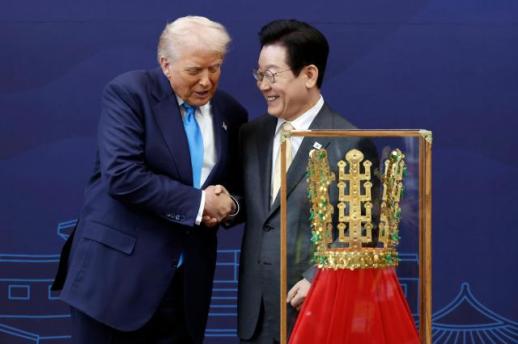 Lee scores high on US ties in first-year diplomacy review SEOUL, May 15 (AJP) - South Korean President Lee Jae Myung may appear domestically focused — his cabinet meetings are live-streamed and his social-media presence is constant — but his first year was defined by foreign affairs. He traveled to 15 countries and held 45 summit meetings, according to his vice foreign minister, a pace that far outstrips his recent predecessors: both Moon Jae-in and Yoon Suk Yeol visited nine countries in their respective first years. Much of that effort went toward restoring national dignity after Yoon Suk Yeol's brief martial-law declaration and subsequent impeachment, said Second Vice Foreign Minister Kim Jina at a Sejong Institute forum Thursday. "Over the past year, we have managed crises and expanded opportunities amid an unstable international environment," Kim said. The sixth Sejong Special Policy Forum, held Thursday afternoon at the institute's conference room, brought together specialists on the United States, Japan, China and North Korea to assess the first year of President Lee's diplomacy and security policy ahead of the administration's first anniversary next month. Panelists broadly agreed that Lee's "pragmatic diplomacy" had stabilized South Korea's external relations after a turbulent period, but warned that Seoul must now move from crisis management to a more durable strategy. Lee Chan-song, a research fellow at the Sejong Institute, gave the administration a favorable evaluation on relations with Washington, citing progress on the transfer of wartime operational control (OPCON) as one of the clearest achievements in alliance management. Crisis management also held up surprisingly well under Donald Trump's second presidency, which unleashed a barrage of tariffs on allies and adversaries alike on Liberation Day in April 2025. During his campaign, Lee had pledged a diplomacy "grounded in national interests," describing the alliance with Washington as the foundation of his foreign policy and calling for trilateral cooperation with the United States and Japan. Lee Seung-joo, a professor of political science and international relations at Chung-Ang University, described Lee's first year as dominated by tariff negotiations and argued that Seoul had developed what could be called a "Korean model" of tariff bargaining. The Trump administration's strategy of pressing multiple trading partners simultaneously created a dynamic in which early deals became benchmarks for later negotiations. Seoul, which entered talks later than some competitors due to a domestic leadership vacuum, had to move quickly while managing uncertainty, he pointed out. South Korea also leveraged its role as host of the Asia-Pacific Economic Cooperation summit in Gyeongju, where Lee chaired the leaders' meeting and presided over a session on artificial intelligence and demographic change. The two sides reached a trade deal in late July that lowered U.S. duties on Korean goods from 25 percent to 15 percent in exchange for a US$350 billion investment package and US$100 billion in U.S. energy purchases, centered on shipbuilding, semiconductors, batteries and other strategic industries. Still, Lee Chan-song warned that alliance modernization is beginning to expose differences. He urged the government to choose its language carefully in Washington, saying terms such as "strategic coordination" or "strategic alignment" would be preferable to "strategic autonomy." He also called on Seoul to prepare for the post-Trump era. His remarks came after Gen. Xavier Brunson, commander of U.S. Forces Korea, told a U.S. House Armed Services Committee hearing that Seoul and Washington aim to meet the conditions for OPCON transfer no later than the first quarter of 2029. South Korea handed wartime operational control to the U.S.-led U.N. Command during the 1950–53 Korean War, retook peacetime OPCON in 1994 and has since pursued a conditions-based transfer of wartime command. Japan Lee Ki-tae, a research fellow at the Sejong Institute, said the administration had chosen a careful but effective path — managing historical disputes without allowing them to block cooperation on security, supply chains and advanced technologies. "The Lee Jae Myung government is doing well in South Korea-Japan relations," Lee Ki-tae said, though he cautioned that "the current South Korea-Japan relationship is closer to a conditional expansion of cooperation than to full reconciliation." He described the relationship as a "managed" phase: Seoul remains mindful of domestic sentiment on history-related issues, while Tokyo has adopted a practical approach that emphasizes trust-building over quick symbolic breakthroughs. A January summit between Lee and Japanese Prime Minister Sanae Takaichi in Nara was a key milestone. Takaichi, just three months in office, performed "Golden" and "Dynamite" at the gathering. A few months later, she is due to visit Lee's hometown of Andong — also an ancient city, coincidentally — next week, continuing the shuttle diplomacy. Both summits face shared challenges, including energy security risks from Strait of Hormuz tensions and U.S. pressure to join operations against an Iranian blockade of the corridor, alongside shared opportunities in AI. Lee Ki-tae said the future of South Korea-Japan ties will depend less on dramatic gestures and more on policy continuity and crisis management. He identified intelligence sharing, supply chain resilience, technology security, disaster relief and nontraditional security as areas where both sides can produce results without excessive political risk. He also warned that the two countries do not fully share the same priorities on North Korea. Seoul's preferred approach combines exchanges, normalization and denuclearization, while Japan places stronger emphasis on denuclearization and the abduction issue. Any restart of diplomacy involving Pyongyang, he said, would require close advance coordination between Seoul and Tokyo. China Kang Jun-young, a professor at Hankuk University of Foreign Studies, said Beijing had expected a liberal South Korean government to tilt toward China after years of stronger Seoul-Washington alignment under the previous conservative administration. That it has not, he argued, should itself be read as a mark of success. "If Beijing thinks the Lee Jae Myung government did not come as close to China as it expected, that means the Lee government did well," Kang said. Lee's first summit with Chinese President Xi Jinping, on the sidelines of the APEC summit in Gyeongju in November, set a constructive tone as the two leaders agreed on the need to cooperate for peace on the Korean Peninsula. Xi's visit was his first to South Korea in 11 years. The two met again in Beijing in January, with denuclearization, economic ties and cultural exchanges on the agenda. Lee later said the summits helped put bilateral relations "back on track." Kang stressed that the economic relationship between South Korea and China is shifting from complementarity to competition. China's technological advancement and growing self-sufficiency are eroding the foundation of South Korea's exports, while Seoul remains heavily dependent on Beijing for key minerals, processed raw materials and advanced materials. He called for a model of economic-security cooperation that balances engagement with risk reduction. Kang also flagged growing Chinese naval activity in the Yellow Sea as a serious security concern given its proximity to South Korea's capital region, calling for clearer red lines on high-risk security issues and more active cooperation in lower-risk areas such as culture, tourism, climate, local government exchanges and academic cooperation. North Korea Little progress has been made on the North Korean front. Park Won Gon, a professor of North Korean studies at Ewha Womans University, said North Korea's shift is not merely rhetorical but constitutional, military and nuclear in nature. "The Lee Jae Myung government's North Korea policy must go beyond the short-term goal of resuming dialogue and expand into a long-term national strategy responding to North Korea's structural strategic shift," Park said. In the first half of 2026, North Korea institutionalized its hostile state-to-state relationship with the South. A revised constitution added a territorial clause and dropped all references to unification, reinforcing Pyongyang's break from the idea of inter-Korean relations as a temporary division within one nation. In March, state media reported that Kim Jong-un formally designated South Korea the "most hostile state" and reaffirmed the North's nuclear status. Park said the implications are profound. By redefining the South as an enemy state rather than a partner in national reconciliation, Pyongyang is constructing political and ideological justification for the potential use of nuclear weapons. The North's doctrine now combines conventional military modernization, nuclear force development and a legal framework that has discarded the old language of peaceful unification. Seoul's response, Park argued, should begin with a strategic redefinition of inter-Korean relations. South Korea may continue to uphold unification as a constitutional and national goal, but daily policy management must treat North Korea as a de facto hostile state for the purposes of crisis prevention and deterrence. That would require stronger extended deterrence with the United States, improved operational capability in South Korea's three-axis defense system and new mechanisms to prevent accidental clashes. With past inter-Korean military agreements effectively rendered void, Park said Seoul should explore indirect communication channels through the U.N. Command or third-party intermediaries — not as political concessions, but as minimum safety devices against escalation. The Lee government has nonetheless kept the door to dialogue open. National Security Adviser Wi Sung-lac has described Lee's "END" initiative — exchange, normalization and denuclearization — as a mutually reinforcing structure in which progress in one area helps advance the others, with the overarching goal of ending confrontation and hostility on the Korean Peninsula through an integrated approach. 2026-05-15 16:49:18
 -
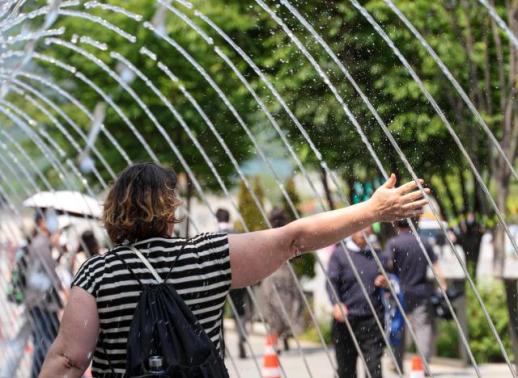 Seoul sizzles as early summer heat pushes temperatures above 30C SEOUL, May 15 (AJP) -An unusually early summer heat spell swept across South Korea on Friday as temperatures in Seoul climbed above 30 degrees Celsius, driving citizens and foreign tourists toward fountains and shaded public spaces to escape the scorching weather. At Gwanghwamun Square in central Seoul, visitors crowded around fountain facilities and water features as children splashed through streams of water under clear blue skies. The scene reflected the growing popularity of outdoor urban cooling spots during Korea’s increasingly hotter and longer warm seasons. According to the Korea Meteorological Administration, daytime highs nationwide were forecast to range between 22C and 32C, significantly above seasonal averages for mid-May. Morning lows ranged from 10C to 17C. Meteorologists said the hot and dry conditions arrived earlier than usual this year, fueled by warm southwesterly winds and strong daytime sunshine. Air quality across most regions was expected to remain at “good” to “moderate” levels, creating favorable conditions for outdoor activities and tourism despite the heat. Authorities also issued maritime visibility warnings as fog developed over parts of the West Sea and East Sea. Some island areas were expected to see visibility drop below 200 meters alongside light drizzle, raising concerns over maritime safety and ferry operations. Wave heights were forecast at 0.5 to 1 meter along the eastern and southern coasts, while offshore waves in parts of the South Sea could rise to around 2 meters. 2026-05-15 16:48:13
 -
 KOSPI sinks more than 6%, erasing weekly gains in violent foreign selloff SEOUL, May 15 (AJP) — South Korean stocks suffered a brutal reversal Friday as the benchmark KOSPI plunged more than 6 percent, wiping out all gains made earlier this week after foreign and institutional investors rushed to lock in profits once the index briefly crossed the 8,000 mark. The KOSPI closed down 6.12 percent at 7,493.18 after swinging wildly between an intraday high of 8,046.78 and a low of 7,371.68. The selloff marked the first intraday drop of more than 6 percent since March 23 and highlighted how quickly sentiment deteriorated as concerns mounted over rising Japanese interest rates, surging oil prices and a broader global bond-yield repricing. The index had initially extended its AI-driven rally in early trading, supported by continued gains in robotics and semiconductor-related shares, before foreign investors abruptly turned into aggressive sellers. Retail investors rushed in to buy the dip, purchasing a net 7.22 trillion won ($5.50 billion) worth of KOSPI shares. Foreign investors dumped 5.6 trillion won, while institutions sold 1.73 trillion won. Volatility intensified in the afternoon, prompting the Korea Exchange to activate a sell-side sidecar at 1:28 p.m. after KOSPI200 futures plunged more than 5 percent. The sharp reversal came despite relatively firm semiconductor sentiment overnight in the United States, where the Philadelphia Semiconductor Index rose 0.5 percent amid continued optimism surrounding AI demand and NVIDIA-linked supply chains. Investors instead shifted focus toward mounting macroeconomic risks tied to global interest rates and energy markets. Brent crude futures climbed above $107 per barrel while West Texas Intermediate crude traded above $103 as tensions surrounding Iran and the Strait of Hormuz escalated further. Concerns deepened after reports indicated severe disruptions to oil flows through the strategic shipping route, fueling fears of prolonged supply shortages and renewed global inflation pressure. The Korean won also weakened sharply alongside the equity rout, ending at 1,500.3 per dollar, up 0.5 percent from the previous session, as investors sought safe-haven assets. Semiconductor heavyweights led the decline as foreign investors concentrated selling on large-cap AI beneficiaries that had powered the recent rally. Samsung Electronics fell 8.6 percent to 270,500 won, while SK hynix dropped 7.7 percent to 1,819,000 won. Foreign investors sold more than 1.17 trillion won worth of Samsung Electronics shares and 639.9 billion won worth of SK hynix during the session. The broad market weakness contrasted with continued speculative strength in selected robotics and physical AI-related stocks. LG Electronics surged 10.8 percent to 240,500 won, extending its recent rerating rally after stronger-than-expected earnings and expanding cooperation with global AI firms including NVIDIA and Google DeepMind. Investors increasingly viewed the company as a potential hardware-platform beneficiary in the emerging physical AI ecosystem. Doosan Robotics also jumped 19.3 percent to 127,400 won as investors rotated into humanoid robotics and automation-related plays. The stock has recently attracted strong inflows on expectations that tightening U.S. restrictions on Chinese robotics technologies could benefit Korean suppliers. Transportation-related redevelopment plays also remained resilient despite the broader market collapse. Dongyang Express rose 17.1 percent while Chunil Express gained 12 percent as investors continued betting on redevelopment value tied to Seoul Express Bus Terminal assets ahead of local election-related policy discussions. In contrast, construction and infrastructure shares came under heavy pressure as risk appetite deteriorated rapidly. Daewoo E&C plunged 12.6 percent to 28,500 won, while Doosan Enerbility fell 5.4 percent and Korea Electric Cable dropped 7.1 percent. The tech-heavy KOSDAQ also slumped sharply, falling 5.14 percent to 1,129.82 after moving between 1,197.23 and 1,110.16 during the session. Foreign investors bought a net 398.2 billion won worth of KOSDAQ shares, while retail investors sold 144.9 billion won and institutions offloaded 13.7 billion won. Robotics-related names that had surged earlier in the week reversed sharply. Cosmo Robotics plunged 16.3 percent after recent speculative gains, while broader secondary battery and semiconductor equipment shares also weakened significantly. Elsewhere in Asia, Japan’s Nikkei 225 fell 2.2 percent to 61,268.90 as AI-related shares came under pressure following disappointing earnings guidance from Fujikura, raising concerns over stretched semiconductor and data-center valuations. Hong Kong’s Hang Seng Index fell 1.9 percent to 25,898.8, while China’s Shanghai Composite dropped 1.2 percent to 4,218.4. 2026-05-15 16:43:34
 -
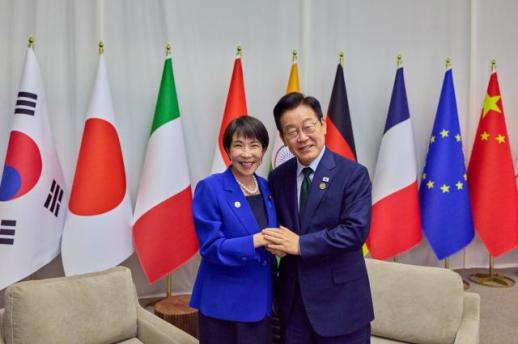 Japanese Prime Minister Takaichi to visit President Lee's hometown of Andong SEOUL, May 15 (AJP) - Japanese Prime Minister Sanae Takaichi will visit Andong, North Gyeongsang Province, the hometown of President Lee Jae Myung, for a summit with the South Korean leader on May 19, the presidential office said Friday. Presidential spokesperson Kang Yu-jung said Takaichi will make a two-day visit to Andong from May 19 to 20 to meet Lee. The two leaders are scheduled to hold both a small-group summit and an expanded summit, followed by a joint press announcement, a dinner and other informal events aimed at strengthening personal ties. The visit is seen as a reciprocal gesture after Lee traveled to Nara Prefecture, Takaichi’s hometown, in January. That meeting marked the first summit between the two leaders earlier this year. Lee was born in Andong in 1964. He graduated from elementary school there in 1976 before moving to Seongnam, Gyeonggi Province. The upcoming summit will bring the two leaders together about four months after Lee’s January visit to Nara. Nara is where Takaichi was born and raised, and it is also her current constituency in Japan’s House of Representatives. Takaichi first won a seat there as an independent candidate in the 1993 general election and has since been elected 10 times. Holding a summit in a leader’s political or personal hometown, rather than in the capital, is not without precedent in international diplomacy. Ten years ago, in 2016, then-Japanese Prime Minister Shinzo Abe hosted Russian President Vladimir Putin for a summit in Nagato, Yamaguchi Prefecture, Abe’s electoral district. Chinese President Xi Jinping also invited Indian Prime Minister Narendra Modi to Xi’an, his political base, instead of Beijing in 2015. In his memoir published in 2023, Abe wrote that inviting a counterpart to one’s home rather than to a restaurant can make the other side feel that they have “won your heart.” He said this was why he invited Putin to Nagato, his family’s registered domicile and the place where his father’s grave is located. U.S. President Donald Trump was also known for holding meetings with foreign leaders, including Abe, Xi and Israeli Prime Minister Benjamin Netanyahu, at his Mar-a-Lago resort in Florida instead of the White House. The Andong meeting will be the third summit between Lee and Takaichi, following their first encounter at the APEC summit in Gyeongju last October and Lee’s visit to Nara in January. 2026-05-15 16:30:38
 -
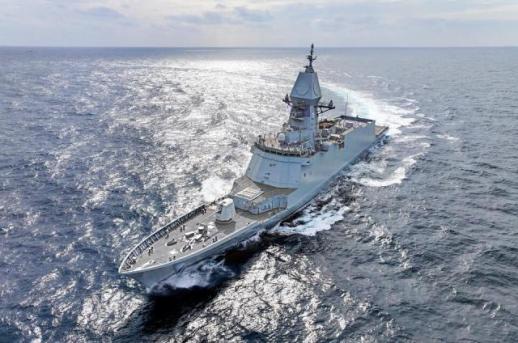 HD Hyundai Heavy skips first KDDX bid, expected to join second round SEOUL, May 15 (AJP) - HD Hyundai Heavy Industries did not participate in the first round of bidding for ships for South Korea’s next-generation destroyer project, but is expected to join the second round. According to the Defense Acquisition Program Administration and industry officials on Friday, HD Hyundai Heavy did not complete preliminary registration for the designated competitive bidding process for the Korean Destroyer Next Generation, or KDDX, by Thursday’s deadline. However, the company said it is preparing to take part in the bidding process, signaling that it is likely to participate in the second round. With HD Hyundai Heavy absent from the first round, Hanwha Ocean was the sole bidder, meaning the bid effectively failed to meet the required conditions. DAPA is expected to issue a second bidding notice later this month to move the long-delayed project forward. “We are currently preparing to participate in the bidding,” an HD Hyundai Heavy official said. “But we need more time to comprehensively review the relevant conditions.” The KDDX project, worth 7.04 trillion won ($5 billion), aims to build six 6,000-ton-class destroyers, often referred to as “mini-Aegis” ships. Naval shipbuilding projects typically move from concept and basic planning to detailed engineering, construction and follow-on vessels. The KDDX contract is expected to be awarded through a competitive bidding process between HD Hyundai Heavy and Hanwha Ocean. DAPA had planned to select the final contractor within the first half of this year after issuing the bidding notice in March and completing proposal evaluations and negotiations. The agency aims to deliver the lead ship to the Navy by 2032. But with the bidding process for the detailed design and lead ship construction delayed, the final selection of the contractor is also expected to be pushed back. “As the project has already been delayed for a long time, we will promptly issue a rebid notice and proceed with the project without further setbacks,” a DAPA official said. 2026-05-15 16:26:32
 -
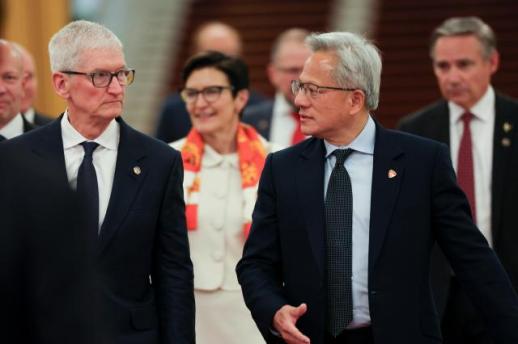 ASIA INSIGHT: Why did US' big tech titans march into Beijing together? The strategic meaning behind Trump bringing Jensen Huang and Silicon Valley’s AI generals to China The summit held in May 2026 at Beijing’s Great Hall of the People was not merely another diplomatic ceremony between the leaders of the United States and China. It was a vivid demonstration that the architecture of global power in the 21st century is no longer defined solely by armies, alliances, or nuclear arsenals. Increasingly, it is being shaped by artificial intelligence, semiconductors, data networks, energy systems, supply chains, and technological ecosystems. What drew particular attention during this summit was the extraordinary composition of President Donald Trump’s delegation. Alongside senior officials stood some of the most influential corporate leaders in modern capitalism: Jensen Huang of Nvidia, Elon Musk of Tesla, Tim Cook of Apple, and executives from BlackRock, Goldman Sachs, Qualcomm, Meta, Micron, Boeing, Visa, Mastercard, and other pillars of American finance, manufacturing, and digital technology. This was not a conventional business delegation. It resembled something far more consequential: a strategic deployment of America’s technological command structure. During the Cold War, summit diplomacy revolved around missiles, military alliances, and ideological blocs. In the emerging AI era, however, the central battlefield has shifted toward semiconductors, computational power, platforms, cloud infrastructure, rare earths, advanced manufacturing, and control over the digital arteries of the global economy. Today, geopolitical influence is increasingly measured not by the number of aircraft carriers a nation possesses, but by who commands the world’s AI infrastructure and semiconductor ecosystems. Trump’s decision to bring Silicon Valley’s most powerful figures to Beijing was therefore deeply intentional. It carried both a warning and an invitation. The United States currently dominates many of the foundational layers of artificial intelligence. American firms continue to lead in advanced AI models, chip design, cloud architecture, software ecosystems, and large-scale computational infrastructure. NVIDIA’s graphics processing units, in particular, have become the indispensable engines of the AI revolution — so essential that some analysts now describe GPUs as the “oil” of the AI age. In this context, the presence of Jensen Huang carried extraordinary symbolism. Born in Taiwan and now leading one of the world’s most strategically important corporations, Huang stands at the center of the global AI transformation. NVIDIA represents not only America’s technological superiority but also the immense interdependence linking the United States, Taiwan, and China within the semiconductor ecosystem. Yet Nvidia, like many American technology giants, also understands a fundamental reality: long-term growth cannot be sustained without access to China’s vast industrial and consumer markets. China remains the world’s largest manufacturing base and one of the largest future markets for AI deployment. Trump appears keenly aware of this strategic contradiction. Washington seeks to preserve technological supremacy while simultaneously recognizing that complete economic decoupling from China remains extraordinarily difficult. The result is a policy that combines containment and negotiation, pressure and engagement. Perhaps the most striking image from Beijing was the partial participation of corporate executives inside the summit process itself. Such scenes remain highly unusual in modern diplomacy. Traditionally, summit rooms are occupied by presidents, foreign ministers, military advisers, and intelligence officials. Yet in Beijing, business leaders appeared almost as extensions of national strategy. This reflects a broader transformation in the nature of American power. The United States no longer operates solely through state institutions. Its global influence increasingly emerges from the fusion of government, universities, venture capital, defense systems, and private technology corporations. Silicon Valley, Wall Street, elite research institutions, and the Pentagon together form a vast strategic ecosystem. In effect, America’s AI dominance has evolved into a “state-corporate technological alliance.” China, however, is hardly standing still. Although Beijing still trails Washington in several core semiconductor technologies, it possesses formidable advantages in manufacturing scale, industrial application, infrastructure deployment, and centralized national mobilization. Companies such as Huawei, SMIC, Alibaba, Tencent, and Baidu continue advancing despite mounting American sanctions and export controls. China’s greatest strength may ultimately lie in speed and concentration. Where the United States relies upon decentralized market innovation, China deploys a state-coordinated model capable of aligning central ministries, provincial governments, state-owned enterprises, and private firms toward a common strategic objective. The same industrial mobilization that transformed China into a dominant force in electric vehicles, solar energy, and high-speed rail is now being directed toward artificial intelligence. Data represents another decisive factor. In the AI era, power increasingly rests upon three foundations: semiconductors, electricity, and data. China’s enormous population and highly digitized mobile economy generate immense volumes of data at a scale few nations can rival. Combined with manufacturing capacity and a massive domestic market, this creates a formidable competitive platform. The United States, by contrast, maintains its advantage through foundational innovation. Companies such as OpenAI, Google DeepMind, Nvidia, Microsoft, and Apple continue to shape the frontier of AI research and computational architecture itself. Thus, the emerging AI rivalry is not merely technological. America retains superiority in foundational innovation and advanced design. China commands extraordinary scale, execution, and industrial integration. Each side therefore fears the strengths of the other. Washington worries that China could eventually combine manufacturing dominance with AI deployment at such scale that technological self-sufficiency becomes irreversible. Beijing fears that the United States may use semiconductors, cloud systems, and AI infrastructure as strategic choke points capable of constraining China’s long-term rise. Viewed through this lens, the Beijing summit was never simply about tariffs or trade balances. It was, at its core, a negotiation over the future architecture of global technological power. Where, then, does South Korea stand? South Korea occupies one of the world’s most delicate strategic positions. Through Samsung Electronics and SK hynix, the country remains a global leader in memory semiconductors. At the same time, Korea is attempting to develop its own AI ecosystems through firms such as Naver, Kakao, LG AI Research, and Samsung Research. Yet Korea also faces structural limitations. The United States dominates platforms and foundational AI technologies. China commands scale and manufacturing ecosystems. Korea’s semiconductor strength is immense, but its AI platform ecosystem remains comparatively smaller. Still, significant opportunities remain. First, AI semiconductors. The future of artificial intelligence ultimately depends upon computational power, and AI cannot function without advanced memory technologies. In high-bandwidth memory (HBM), Korean companies remain among the strongest in the world. Second, industrial AI. South Korea possesses globally competitive industries in automobiles, shipbuilding, batteries, robotics, and advanced manufacturing. The convergence of AI with industrial systems may offer Korea a pathway into the world’s top tier of applied AI powers. Third, cultural soft power. In the AI era, culture itself becomes strategic data. The worldwide influence of K-pop, Korean cinema, Korean dramas, and digital content may eventually become an important asset within future AI training ecosystems and platform competition. Ultimately, the world is entering an era in which military power alone no longer defines supremacy. Artificial intelligence, semiconductors, supply chains, digital infrastructure, energy systems, financial networks, and cultural influence are converging into a single geopolitical framework. This is why America’s technology giants traveled to Beijing alongside President Trump. They were not merely executives. They were, in many ways, the technological generals of 21st-century American power. And the scenes unfolding inside the Great Hall of the People revealed something profound: the world has already entered the age of the AI Cold War. 2026-05-15 16:23:47
 -
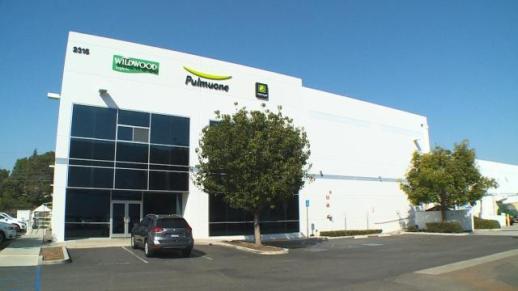 Pulmuone logs record Q1 on overseas turnaround SEOUL, May 15 (AJP) - South Korean food maker Pulmuone reported its strongest-ever first-quarter results, lifted by steady gains at home and a long-awaited turnaround at its overseas units, particularly in the United States. According to regulatory filings released Friday, revenue climbed 7.2 percent from a year earlier to 850.4 billion won ($566.6 million) in the January to March period, while operating profit surged 68.9 percent to 19 billion won. The company said that its earnings jump was driven by tighter cost controls at home and a sharp improvement in profitability abroad, where the firm's U.S. arm booked its third consecutive quarterly profit since swinging into the black in the second half of last year. Pulmuone's Japan unit cut its losses by more than 40 percent on the year. The food service and distribution division, which supplies industrial cafeterias, military bases, airport lounges and highway rest stops, posted a 10.6 percent rise in sales to 254 billion won. Operating profit in the unit climbed 28.3 percent to 6.1 billion won, with concession and rest-area operations alone growing 17.7 percent on stronger travel demand. Overseas food manufacturing and distribution sales rose 13.8 percent to 189.8 billion won, with the segment swinging to roughly break-even from a 5.3 billion won loss a year earlier. "For overseas operations, we plan to keep up growth through expanded supply to global retail and warehouse club channels and a stronger K-Food portfolio, while sustaining profits on the back of North American cold-chain capabilities," said Kim Jong-heon, head of Pulmuone's management planning office. Shares of Pulmuone ended at 11,020 won per stock, 1.87 percent lower than the day before. 2026-05-15 16:14:32
 -
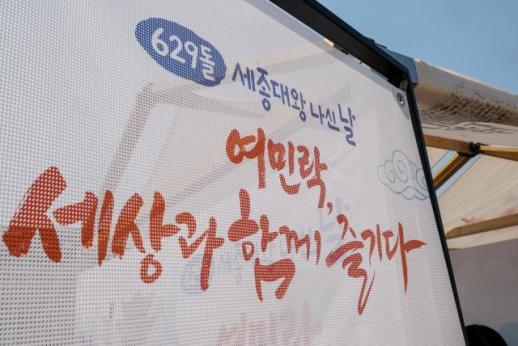 S. Korea celebrates birthday of Hangeul inventor King Sejong the Great SEOUL, May 15 (AJP) - South Korea has celebrated the 629th birthday of King Sejong the Great, the creator of the Korean alphabet Hangeul, with cultural programs and hands-on experiences at Gyeongbokgung Palace in central Seoul on May 15. The Ministry of Culture, Sports and Tourism said commemorative events took place at Heungnyemun Square inside Gyeongbokgung Palace, offering visitors a chance to experience the Korean language and traditional culture through interactive programs. Visitors participated in activities including ink-rubbing prints of the Hunminjeongeum preface, making the traditional Korean sundial “Angbuilgu,” multimedia Hangeul experiences, and crafting the traditional Korean bamboo flute “danso.” King Sejong, one of Korea’s most respected historical figures, created Hangeul in the 15th century to improve literacy among ordinary people. Hangeul is widely recognized for its scientific and easy-to-learn writing system and remains a key symbol of Korean cultural identity. Traditional performances including the royal military music “Daechwita” and court music piece “Yeominrak” will also be held later in the day. 2026-05-15 16:09:22
 -
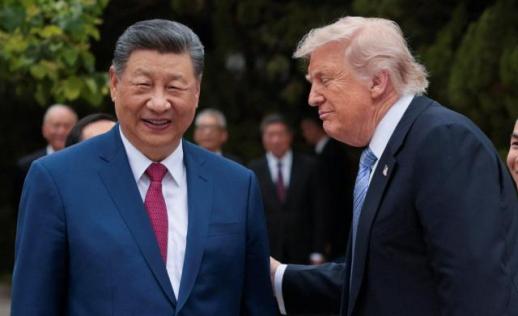 ASIA INSIGHT: Will US-China summit help ease tensions in Iran? When will the joint statement on Iran’s nuclear freeze and freedom of navigation in the Strait of Hormuz truly take effect? The real significance of the May 2026 summit in Beijing between the leaders of the United States and China extended far beyond the management of bilateral relations. Behind the carefully staged diplomacy lay a much larger calculation: the urgent need to stabilize the Middle East, preserve the global flow of energy, and prevent financial markets from sliding into another era of geopolitical panic. Among the many issues discussed during the summit, none drew greater attention within diplomatic circles than Iran’s nuclear ambitions and the future stability of the Strait of Hormuz. The official language released after the meeting was measured and restrained. Yet beneath the diplomatic phrasing stood a clear and unmistakable message: both Washington and Beijing now understand that the world can no longer afford an uncontrolled explosion in the Persian Gulf. At present, the global economy rests uneasily atop three major geopolitical fault lines. The first is the prolonged war in Ukraine. The second is the escalating struggle between the United States and China over artificial intelligence, semiconductors, and technological supremacy. The third — and perhaps the most immediately dangerous for the global energy system — is the confrontation surrounding Iran’s nuclear program and the security of the Strait of Hormuz. The Strait of Hormuz is not merely a narrow waterway between nations. It is one of the great strategic arteries of modern civilization. Roughly one-third of the world’s seaborne oil trade passes through that corridor. Crude oil and liquefied natural gas from Saudi Arabia, the United Arab Emirates, Kuwait, Qatar, Iraq, and Iran move through the strait toward Asia and Europe. Any military confrontation, blockade, or disruption there would almost certainly send global oil prices, shipping rates, and insurance premiums soaring within days. For years, the United States and Iran have engaged in a prolonged and dangerous struggle over Tehran’s nuclear activities. Washington has consistently maintained that it cannot permit Iran to approach the threshold of nuclear-weapons capability. Tehran, meanwhile, insists that its nuclear development program is a sovereign right intended for peaceful purposes. The dispute has centered largely on uranium-enrichment levels and the operational scope of Iran’s nuclear facilities. Western governments suspect that Iran has, at various moments, moved dangerously close to weapons-grade capability. Iran, for its part, argues that American sanctions and pressure campaigns have only deepened regional instability. Complicating matters further is the position of Israel. Israel regards a nuclear-armed Iran not simply as a strategic challenge, but as an existential threat. Within Israeli political and security circles, arguments in favor of preemptive military action have repeatedly surfaced over the years. Indeed, much of the region’s military tension has revolved around the intersection of Iran’s nuclear infrastructure and Israeli security concerns. Yet the diplomatic atmosphere emerging after the Beijing summit appears subtly different from previous periods of confrontation. Both the United States and China now recognize that a full-scale Middle Eastern conflict would impose enormous costs at a moment when neither side can easily absorb them. Washington already faces mounting fiscal burdens, domestic political pressures linked to the presidential election cycle, and the continuing demands of support for Ukraine. China, meanwhile, confronts slowing growth, weakening exports, real-estate instability, and an urgent need for reliable energy supplies. As a result, both powers appear increasingly focused not on achieving a perfect resolution to the Iranian nuclear question, but on preventing a catastrophic escalation. In practical terms, that means the emergence of a more limited and realistic framework: partial nuclear restraint, expanded international monitoring, and guarantees for stable navigation through the Strait of Hormuz. Within this evolving landscape, China’s role has become especially important. Relations between China and Iran have grown steadily closer over the past decade. China has become one of Iran’s largest oil customers and, in many respects, one of the principal economic lifelines sustaining the Iranian state. The two countries have signed long-term economic cooperation agreements spanning energy, infrastructure, railways, ports, telecommunications, and industrial development. Under Beijing’s Belt and Road strategy, Iran occupies a critical geopolitical position linking Central Asia, the Middle East, and Europe. Historically, Persia itself stood at the crossroads of major trade routes connecting East and West. That strategic geography has once again become central to twenty-first-century geopolitics. For China, Iran is not simply another oil-producing nation. It is a strategic buffer against excessive dependence on American-dominated maritime systems and a crucial pillar of long-term energy security. Even under international sanctions, China has continued importing Iranian oil through various channels. Discounted Iranian crude has quietly helped support Chinese industrial stability during periods of global energy volatility. Iran, meanwhile, depends heavily upon China. With access to much of the Western financial system restricted by sanctions, Tehran increasingly relies on Chinese trade, investment, infrastructure projects, and consumer goods. Chinese economic engagement has become an essential stabilizing force within Iran’s economy. Yet Beijing cannot afford to align itself unconditionally with Tehran. China’s own economy remains deeply interconnected with American and European markets. A prolonged Middle Eastern crisis — especially one that disrupts shipping lanes or drives energy prices sharply higher — would inflict serious damage on China itself. This is precisely where the deeper significance of the Beijing summit emerges. The United States wants China to exercise a moderating influence over Iran. China, in turn, wants Washington to avoid pushing the region toward uncontrolled escalation. In other words, even amid intensifying strategic rivalry, Washington and Beijing now share a limited but meaningful common interest in preventing the Persian Gulf from descending into chaos. The central question, therefore, is not whether a joint understanding exists in principle, but when such an understanding might acquire practical force. Diplomatic observers increasingly expect a gradual, phased approach. The first stage would likely involve informal understandings aimed at preventing military confrontation and guaranteeing safe passage through the Strait of Hormuz. From there, negotiations could move toward stronger International Atomic Energy Agency inspections, limitations on uranium enrichment, and selective easing of sanctions in exchange for verifiable restraint. Yet formidable obstacles remain. Hard-line factions within Israel, divisions inside Iran’s Revolutionary Guard structure, domestic American politics, and the broader network of proxy conflicts across the Middle East all retain the capacity to destabilize negotiations at any moment. Even a relatively limited military incident could trigger a dramatic surge in global energy prices. And yet, despite those dangers, the world appears increasingly inclined toward risk management rather than total victory. That reflects a cold realism shared by all major actors. The United States, China, Iran, and even Israel understand the immense cost of a large-scale regional war. A major conflict in the Gulf would almost certainly unleash another wave of inflation, supply-chain disruption, shipping instability, and financial turbulence across the world economy. For South Korea, the stakes are especially high. South Korea remains heavily dependent on imported energy. Any serious disruption in Middle Eastern oil or liquefied natural-gas supplies would immediately place pressure on manufacturing, logistics, electricity costs, inflation, and industrial competitiveness. Conversely, stability in the Strait of Hormuz could provide critical relief for the Korean economy by easing pressure on oil prices, exchange rates, and trade balances. Ultimately, the Beijing summit was not merely another diplomatic event between two great powers. It represented a recognition that even amid fierce competition over artificial intelligence, semiconductors, and technological supremacy, the global energy system cannot be allowed to collapse into disorder. At first glance, oil tankers crossing the deserts and waters of the Middle East may appear unrelated to the polished diplomatic language spoken inside Beijing’s state halls. In reality, they are deeply connected. For all the transformations of the twenty-first century, civilization still moves on energy — and the pulse of that energy still flows through the Strait of Hormuz. 2026-05-15 15:46:23
 -
 From K-Pop to K-Ink: Korea prepares to bring tattooing into the open SEOUL, May 15 (AJP) - Since a 1992 Supreme Court ruling effectively restricted tattoo procedures to medical professionals, South Korea’s tattoo industry has operated in a legal gray zone. Under the newly passed Tattooist Act, the country is now building its first national licensing and safety framework for non-medical tattoo practitioners. The law, overseen by the Ministry of Health and Welfare, passed the National Assembly on Sept. 25, 2025 and is scheduled to take effect two years after promulgation, with enforcement expected around September or October 2027. Despite the legal restrictions, tattoo culture and cosmetic tattoo procedures have expanded rapidly in South Korea alongside the rise of K-beauty and Korean cultural exports. Industry estimates suggest that around 350,000 people were engaged in tattoo-related work in Korea as of 2021, while the Korea Tattoo Association estimates the domestic tattoo market at roughly 1 trillion won, ($667 million). An anonymous tattoo artist said one of the biggest changes under the new system would be the ability to work more openly without fear of legal uncertainty. “For many tattoo artists, being able to work in our own studios without constantly worrying about legal risks is probably the biggest change,” the artist said. Under the new law, non-medical tattoo practitioners who pass a national licensing examination and obtain government certification will be permitted to legally perform tattoo procedures. The framework also introduces hygiene and safety requirements including sterilization standards, single-use needles, infectious waste disposal rules, mandatory safety education and liability insurance requirements for tattoo businesses. Tattoo studios will be required to register with local governments, while tattoo artists must maintain records related to procedures, pigments and side effects. Tattooing minors without parental consent and performing tattoo procedures outside registered workplaces will also be prohibited. The Ministry of Health and Welfare and tattoo-related organizations participated in a consultation meeting attended by more than 40 industry groups on Tuesday, officials discussed licensing examinations, hygiene standards, temporary business registration measures and safety management rules for tattoo facilities. “The purpose of the Tattooist Act is to allow non-medical tattoo practices while ensuring public health and hygiene management,” Vice Health Minister Kim Han-sook said during the meeting, according to the ministry. As the government prepares subordinate regulations for the new framework, industry groups are also moving to establish formal educational standards for tattoo practitioners. On Friday, the Korea Tattoo Association held a publication event in Seoul for three standardized tattoo textbooks covering advanced tattoo techniques, cosmetic tattoo procedures, hygiene management and safety practices. The association said it had officially submitted the books a day earlier to the health ministry, the Korea Health Personnel Licensing Examination Institute and the Ministry of Food and Drug Safety as reference materials for future licensing, regulatory and safety policies. The association described the publication effort as part of a broader push to move the industry away from informal apprenticeship-style training practices that had long dominated the sector amid the absence of official standards. “For a long time, the industry remained outside institutional systems,” Chairman of Korea Tattoo Association, Song Kang-seop said in a statement. “Submitting standards created by the industry itself to government authorities is, in a sense, the first step toward standing before the government with confidence.” 2026-05-15 15:34:37