S. Korea celebrates birthday of Hangeul inventor King Sejong the Great

by Yoo Na-hyun Posted : May 15, 2026, 16:09Updated : May 15, 2026, 16:09
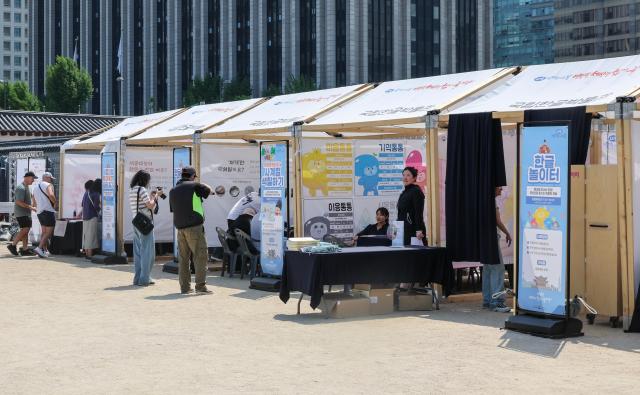
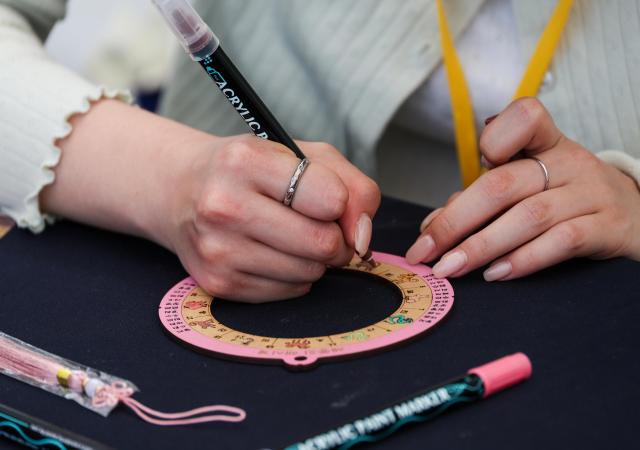
Visitors take part in cultural programs including a Hunminjeongeum ink-rubbing experience and a traditional Korean sundial “Angbuilgu” making workshop ahead of the 629th anniversary celebration of King Sejong’s birth at Gyeongbokgung Palace in Seoul on May 15 2026 AJP Yoo Na-hyun
Visitors take part in cultural programs including a Hunminjeongeum ink-rubbing experience and a traditional Korean sundial “Angbuilgu” making workshop ahead of the 629th anniversary celebration of King Sejong’s birth at Gyeongbokgung Palace in Seoul on May 15, 2026. AJP Yoo Na-hyun

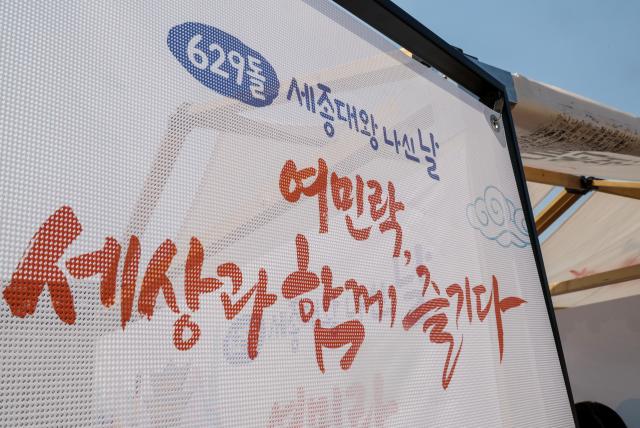
SEOUL, May 15 (AJP) - South Korea has celebrated the 629th birthday of King Sejong the Great, the creator of the Korean alphabet Hangeul, with cultural programs and hands-on experiences at Gyeongbokgung Palace in central Seoul on May 15.
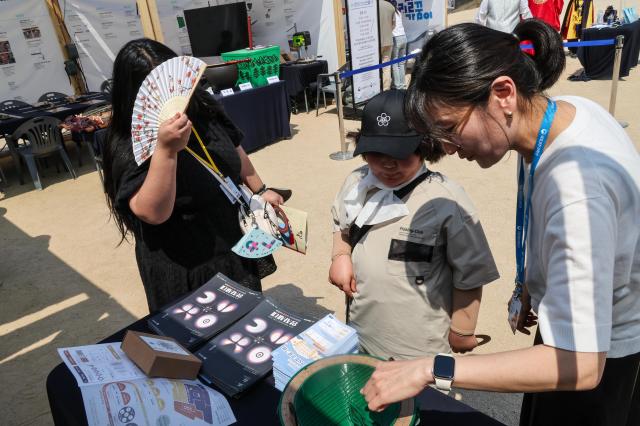
 
Visitors take part in cultural programs including a Hunminjeongeum ink-rubbing experience and a traditional Korean sundial “Angbuilgu” making workshop ahead of the 629th anniversary celebration of King Sejong’s birth at Gyeongbokgung Palace in Seoul on May 15 2026 AJP Yoo Na-hyun
Visitors take part in cultural programs including a Hunminjeongeum ink-rubbing experience and a traditional Korean sundial “Angbuilgu” making workshop ahead of the 629th anniversary celebration of King Sejong’s birth at Gyeongbokgung Palace in Seoul on May 15, 2026. AJP Yoo Na-hyun
 
Visitors take part in cultural programs including a Hunminjeongeum ink-rubbing experience and a traditional Korean sundial “Angbuilgu” making workshop ahead of the 629th anniversary celebration of King Sejong’s birth at Gyeongbokgung Palace in Seoul on May 15 2026 AJP Yoo Na-hyun

Visitors take part in cultural programs ahead of the 629th anniversary celebration of King Sejong’s birth at Gyeongbokgung Palace in Seoul on May 15, 2026. AJP Yoo Na-hyun


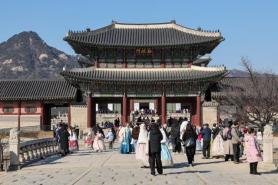
The Ministry of Culture, Sports and Tourism said commemorative events took place at Heungnyemun Square inside Gyeongbokgung Palace, offering visitors a chance to experience the Korean language and traditional culture through interactive programs.
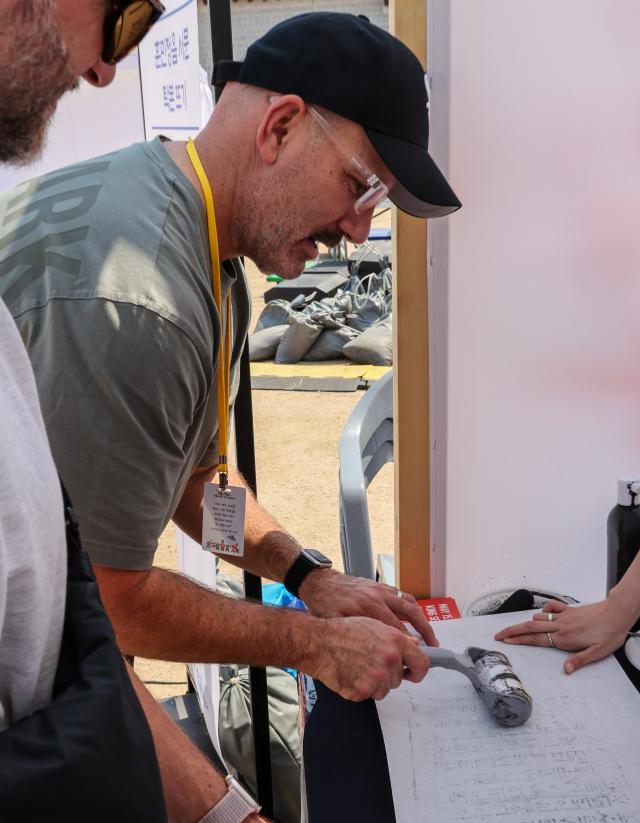
 
Visitors take part in cultural programs including a Hunminjeongeum ink-rubbing experience and a traditional Korean sundial “Angbuilgu” making workshop ahead of the 629th anniversary celebration of King Sejong’s birth at Gyeongbokgung Palace in Seoul on May 15 2026 AJP Yoo Na-hyun
Visitors take part in cultural programs ahead of the 629th anniversary celebration of King Sejong’s birth at Gyeongbokgung Palace in Seoul on May 15, 2026. AJP Yoo Na-hyun
 
Visitors take part in cultural programs ahead of the 629th anniversary celebration of King Sejong’s birth at Gyeongbokgung Palace in Seoul on May 15 2026 AJP Yoo Na-hyun
Visitors take part in cultural programs ahead of the 629th anniversary celebration of King Sejong’s birth at Gyeongbokgung Palace in Seoul on May 15, 2026. AJP Yoo Na-hyun

Visitors participated in activities including ink-rubbing prints of the Hunminjeongeum preface, making the traditional Korean sundial “Angbuilgu,” multimedia Hangeul experiences, and crafting the traditional Korean bamboo flute “danso.”
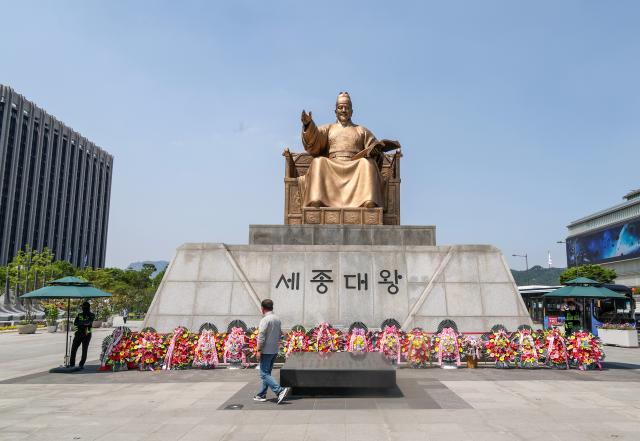
 
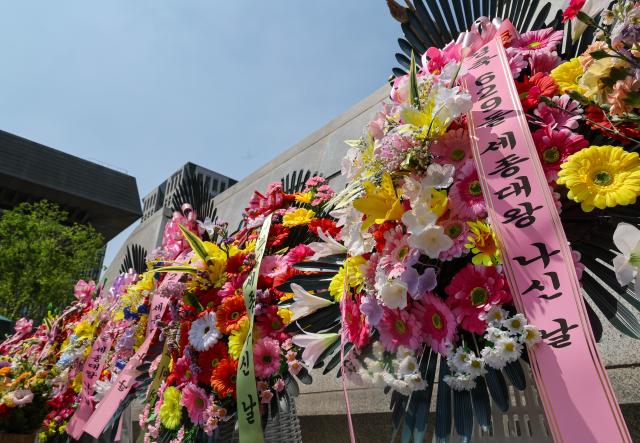
A floral tribute marking the 629th anniversary of King Sejong’s birth is displayed in front of the King Sejong statue at Gwanghwamun Square in Seoul on May 15 2026 AJP Yoo Na-hyun
A floral tribute marking the 629th anniversary of King Sejong’s birth is displayed in front of the King Sejong statue at Gwanghwamun Square in Seoul on May 15, 2026. AJP Yoo Na-hyun
 
Visitors take part in cultural programs ahead of the 629th anniversary celebration of King Sejong’s birth at Gyeongbokgung Palace in Seoul on May 15 2026 AJP Yoo Na-hyun
Visitors take part in cultural programs ahead of the 629th anniversary celebration of King Sejong’s birth at Gyeongbokgung Palace in Seoul on May 15, 2026. AJP Yoo Na-hyun

King Sejong, one of Korea’s most respected historical figures, created Hangeul in the 15th century to improve literacy among ordinary people. Hangeul is widely recognized for its scientific and easy-to-learn writing system and remains a key symbol of Korean cultural identity.

Traditional performances including the royal military music “Daechwita” and court music piece “Yeominrak” will also be held later in the day.