

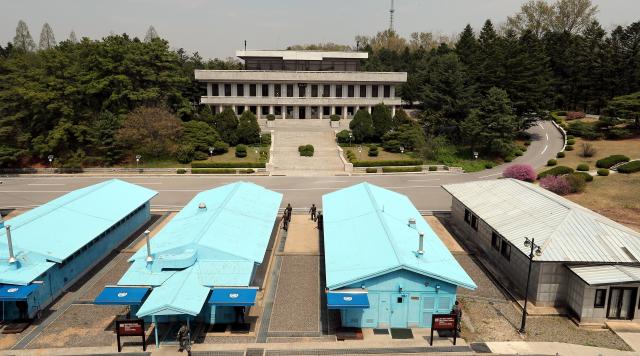
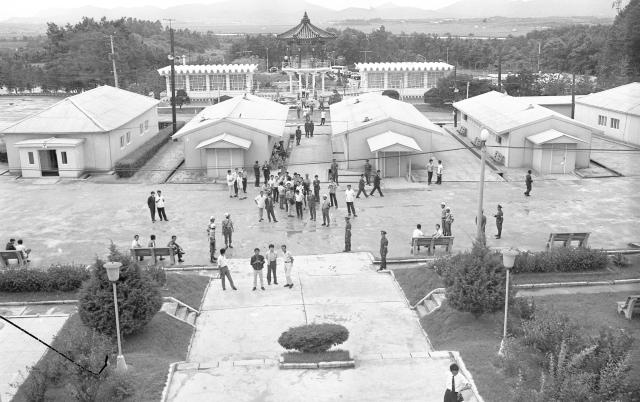
SEOUL, December 18 (AJP) - Located within the Joint Security Area (JSA), Panmunjeom is the historic site where the Korean War armistice agreement was signed in 1953.
Today, it remains a unique zone jointly managed by North and South Korea, partitioned by the Military Demarcation Line. While the area currently sits in silence due to strained inter-Korean relations and a total freeze in diplomacy, it remains the primary stage for global attention whenever dialogue resumes on the peninsula.
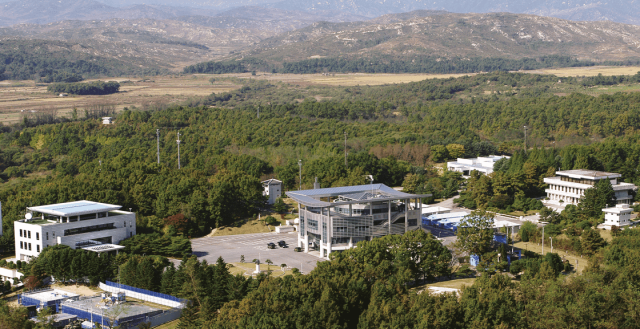
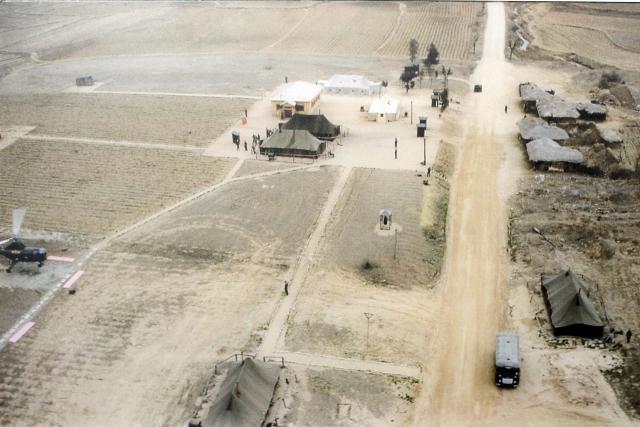
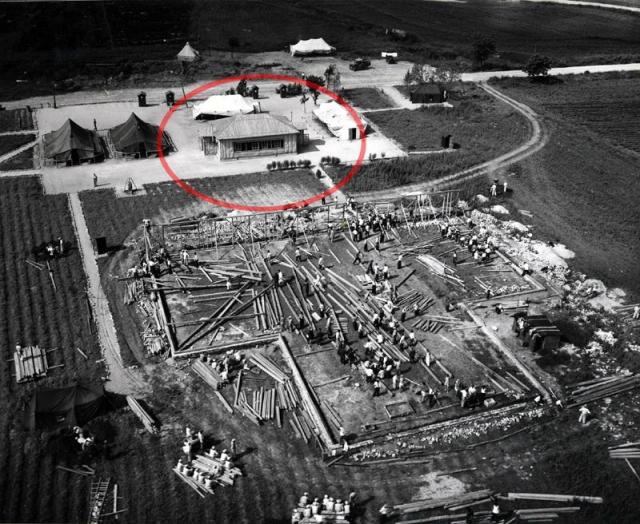
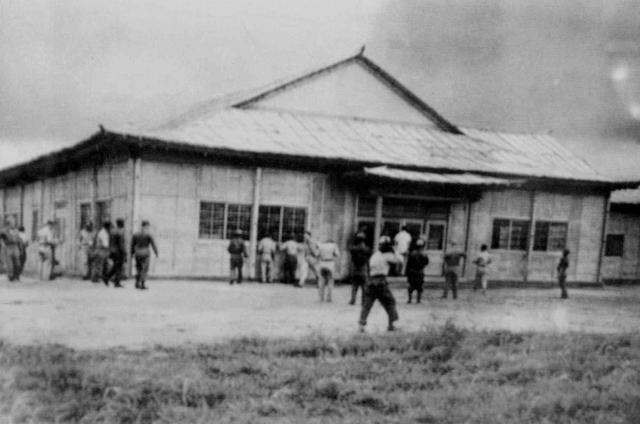
Once an anonymous hamlet consisting of only a few thatched-roof houses, Panmunjeom rose to international prominence when it became the venue for armistice negotiations on Oct. 25, 1951.
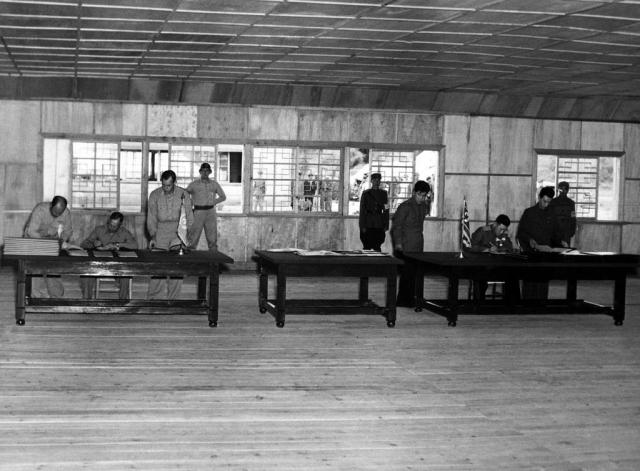
After nearly two years of talks, the armistice agreement was finally signed here on July 27, 1953. The site also facilitated the exchange of prisoners of war between August and September of that year.
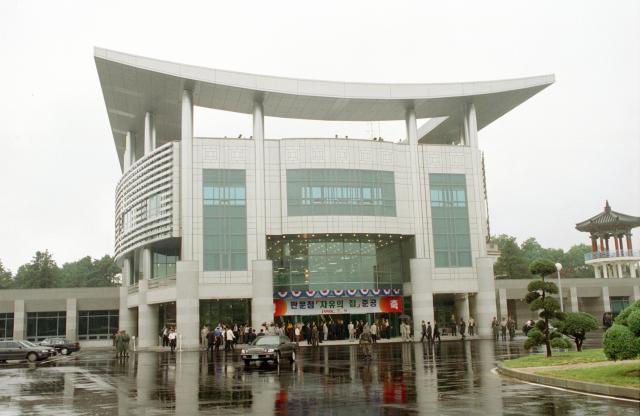
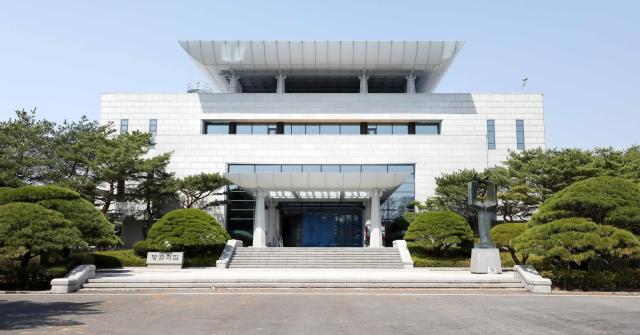
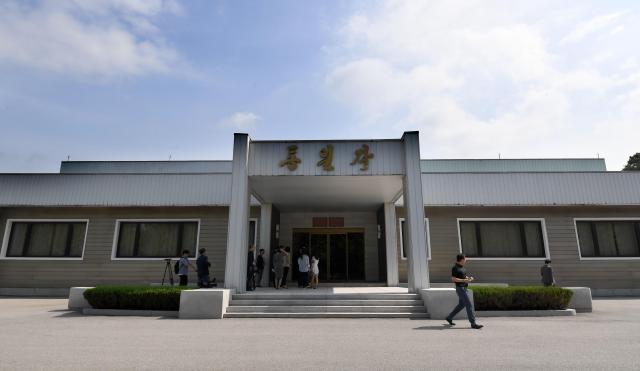
The JSA features seven functional buildings situated directly atop the MDL, including those used by the Neutral Nations Supervisory Commission (NNSC). Facilities on the southern side include Freedom House and Peace House, while the northern side is home to Panmungak and Panmungwan (formerly known as Tongilgak).
Public access to the site has been restricted for over two years. Following the unauthorized crossing of a U.S. soldier into North Korea on July 18, 2023, general tours of Panmunjeom remain indefinitely suspended as of December 2025.
Copyright ⓒ Aju Press All rights reserved.
