The answer, it seems, is rooted in something familiar — and distinctly Korean.
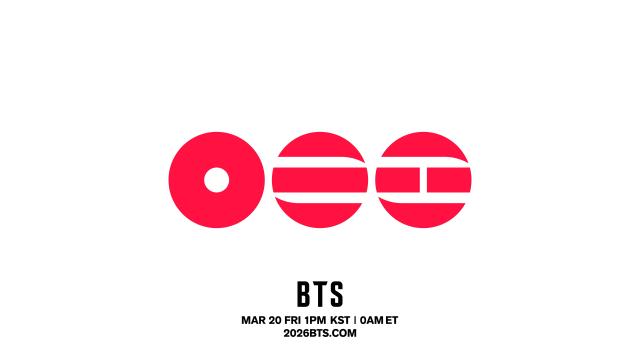
BTS will release its fifth full-length album, “ARIRANG,” on March 20, marking its first full reunion in three years and nine months. Around the album, a series of details has drawn attention for pointing in the same direction: a return framed by Korean sentiment, symbols and space.
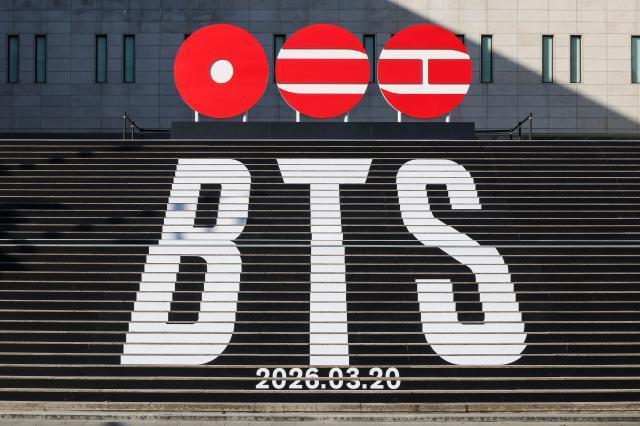
The group is also reportedly planning a three-day performance at the Gwanghwamun Square from March 20 to 22 to coincide with the album’s release, though details have yet to be officially confirmed.
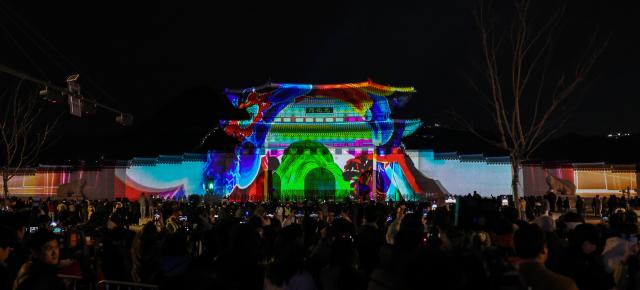
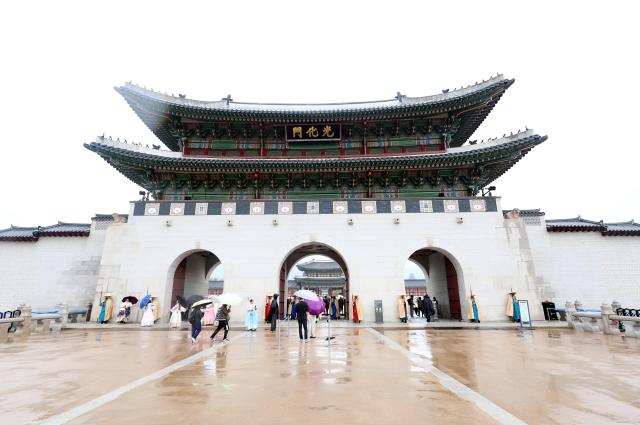
Gwanghwamun Square occupies a central position in Seoul’s historical axis, linking the modern city to Gyeongbokgung Palace, the main royal palace of the Joseon dynasty, and extending symbolically toward Sungnyemun Gate, the former southern gateway to the capital.
The square is home to statues of King Sejong the Great, creator of the Korean alphabet, and Admiral Yi Sun-sin, a national hero revered for his leadership in times of crisis. Together, these landmarks and figures anchor Gwanghwamun as a space where Korea’s political history, cultural identity and civic life converge — a place shaped by continuity, disruption and restoration across centuries.
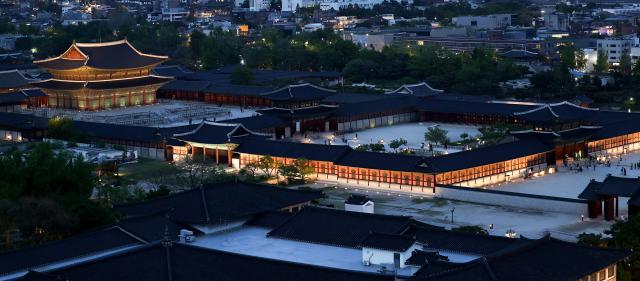
According to South Korea’s Cultural Heritage Administration, BTS’s agency HYBE has received conditional approval to use Gyeongbokgung Palace and Sungnyemun Gate for filming. While no official confirmation has been made about whether filming will actually take place — or in what form — the possibility alone has sparked interest.
These are not the kinds of locations typically associated with pop productions. Gyeongbokgung Palace, built in 1395, was the main royal palace of the Joseon dynasty, while Sungnyemun Gate, long known internationally as Namdaemun, once marked the southern entrance to the capital. Both sites are deeply woven into Korea’s historical landscape, carrying layers of memory shaped by destruction, restoration and daily coexistence with modern city life.
The album title adds another layer. “Arirang” is one of Korea’s most widely recognized folk songs, passed down through generations in countless regional versions. With no single composer or definitive form, the song has endured precisely because it has remained open — absorbing different emotions and meanings over time.

In a statement, HYBE described ARIRANG as an album that reflects BTS’s identity and the emotions they wish to share with fans, noting themes of longing and deep connection. The agency said the group naturally turned toward its roots as it prepared for its return.
Taken together, the choices surrounding the comeback suggest a mood that feels less about spectacle and more about grounding. Rather than chasing something new or unfamiliar, BTS appears to be leaning into symbols that already carry shared meaning — places and melodies that resonate without explanation.
What is becoming clear, however, is the tone BTS has chosen for its return. In a moment when expectations are high and attention is intense, the group appears to have found its answer not in scale or novelty, but in something closer to home — the familiar pull of Korean roots.

Copyright ⓒ Aju Press All rights reserved.