

Live broadcasting has long been considered the crown jewel of TV networks. Traditional live coverage typically requires expensive equipment and highly trained crews, including outside broadcast trucks that send signals by satellite back to a station for transmission.
For decades, broadcasters with deep capital and specialized staff — and, in some cases, public funding — have carried major events as part of their role as large news organizations.
But broadcasters have already been losing ground to over-the-top, or OTT, platforms in dramas and entertainment. Now, OTT services are moving aggressively into live programming as well.
Netflix, which recently live-streamed BTS' comeback performance at Gwanghwamun, has built a track record in live events. After testing live-streaming technology with a U.S. comedy show in 2023, it aired an unconventional golf event featuring Formula One figures and professional golfers, marking a push into sports coverage.
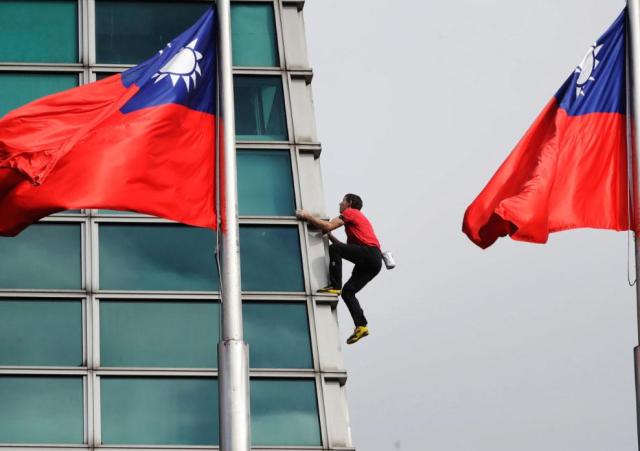
Netflix later signed an exclusive deal for WWE Raw and has offered live streams since 2025. In January, it also live-streamed “Skyscraper Live,” featuring a climb up a 101-story building in Taiwan without ropes, drawing global attention.
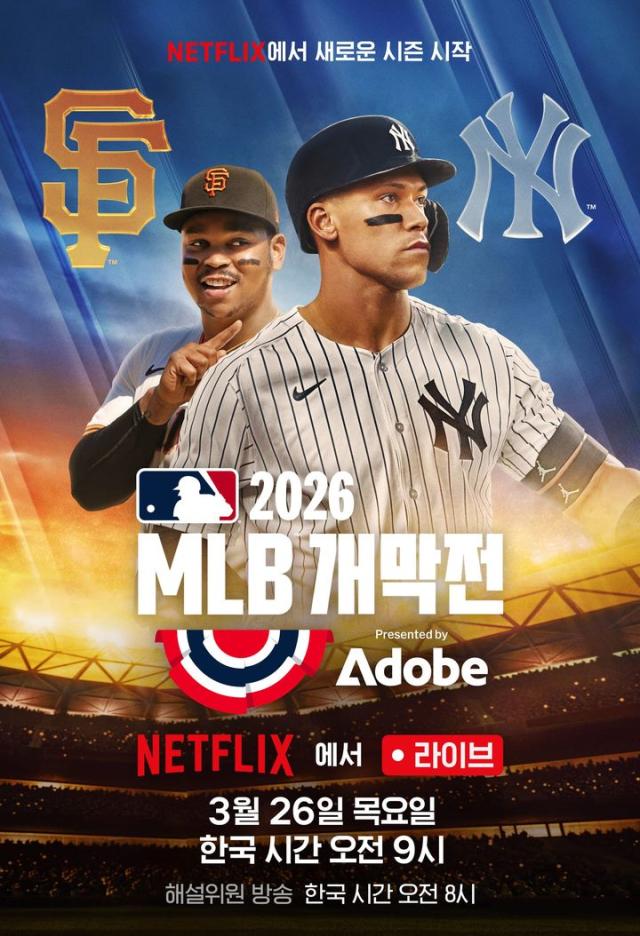
Netflix Live has now moved into Major League Baseball. Netflix said on the 25th it will broadcast the 2026 season opener between San Francisco and the New York Yankees.
Netflix said it will work with the Emmy-winning MLB Network production team to live-stream key MLB games. It said the broadcasts will be available in five languages: English, Korean, Spanish, Portuguese and Japanese.
Netflix is not alone. Coupang Play said it will live-stream two international soccer friendlies: a match against Cote d'Ivoire on the 28th and a match against Austria on April 1, described as the national team's final A matches before its final roster is set as it targets a World Cup quarterfinal run.

TVING recently exclusively live-streamed every game from the start of the World Baseball Classic main tournament. It also holds exclusive rights for Korean professional baseball live streams on mobile and PC, meaning those broadcasts can be watched only through TVING.
With OTT platforms expanding into real-time programming, major terrestrial broadcasters appear to be feeling a sharper sense of threat. If OTT services come to dominate live content, the article asks, what role will remain for free-to-air networks?
In Netflix's case, an estimated 19,000 servers deployed worldwide have lowered barriers that once made live broadcasting difficult. Backed by vast capital, Netflix has built infrastructure that can deliver live content directly to viewers around the world.
That scale is fueled by subscription fees paid each month by hundreds of millions of people. Traditional media organizations — sometimes labeled “old-fashioned” — face shrinking influence and declining advertising revenue. The article says concerns are growing that legacy media could weaken further as capital tightens and talent leaves.
Still, terrestrial broadcasting continues to function as public infrastructure closely tied to daily life, providing news, local information, and programming such as variety shows and daily dramas that reach multiple generations. Its reach, however, is largely limited to local audiences.
Korean content is widely favored globally under the banner of K-content, but the article argues that trend can also work against traditional TV broadcasters. It says a local market that once looked solid for decades is shrinking as capital becomes less available.
The article concludes by questioning whether legacy media has the tools to compete with global OTT platforms, saying those tools are hard to see even as the pressure intensifies.
* This article has been translated by AI.
Copyright ⓒ Aju Press All rights reserved.