

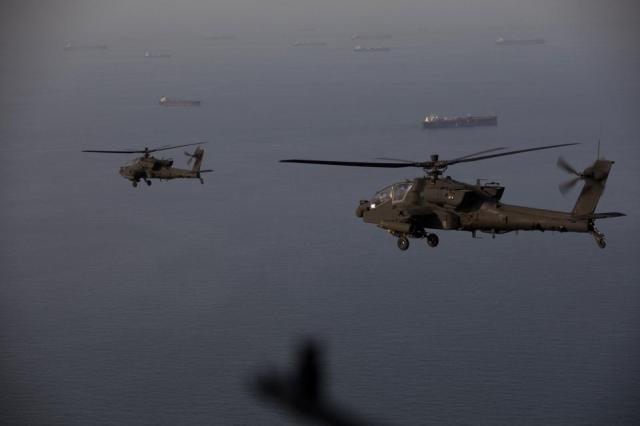
The Gulf chokepoint slipped back into tension over the weekend, with Iran warning it would again restrict transit unless the United States lifts its blockade on Iranian ports, while Washington rejected the demand and signaled continued enforcement at sea.
The conflicting positions quickly translated into operational risk. Multiple vessels reported coming under fire or being forced to turn back while attempting to pass through the strait, according to maritime authorities, highlighting the fragility of any reopening.
The Strait of Hormuz carries roughly 20 percent of global oil supply and is a critical artery for South Korea, which depends on the route for a majority of its crude and naphtha imports.
The latest disruption comes despite signs of diplomatic progress. Iran is reviewing new U.S. proposals for a potential deal, with talks expected to resume through third-party mediation, while a separate ceasefire between Israel and Hezbollah has reduced fighting in Lebanon.
However, Iranian officials have made clear that maritime access remains conditional, linking freedom of navigation to the removal of U.S. sanctions. Donald Trump has rejected that position, saying Iran “cannot blackmail” the United States.
Analysts say the result is a shift from outright closure risk to intermittent disruption, where limited attacks or threats raise shipping costs and insurance premiums without fully halting flows.
For South Korea, the episode has reinforced the need to reduce reliance on Middle Eastern supply routes.
In an interview with Yonhap News Agency, Trade, Industry and Energy Minister Kim Jung-kwan made clear that South Korea will press ahead with a structural overhaul of its energy supply chain, even if hostilities in the Gulf subside.
“Even if the war ends, we will not stop diversifying crude imports away from the Middle East and expanding transport routes,” he said, underscoring that supply chain resilience — not cost efficiency — has become the government’s defining economic doctrine.
The policy pivot reflects a hard lesson. Despite repeated Middle East crises, South Korea remained heavily reliant on the region, with 61 percent of crude oil and 54 percent of naphtha imports routed through Hormuz as of last year.
The government has also stepped up monitoring of key feedstocks such as naphtha, where supply concerns have been amplified by precautionary stockpiling across the supply chain.
Authorities expect market conditions to stabilize if disruptions remain limited through April, but warned that volatility could persist as long as tensions in the Gulf remain unresolved.
The latest developments suggest that even when the Strait of Hormuz is technically open, access may no longer be predictable — a shift that is likely to keep energy markets and import-dependent economies on edge.
Copyright ⓒ Aju Press All rights reserved.
