

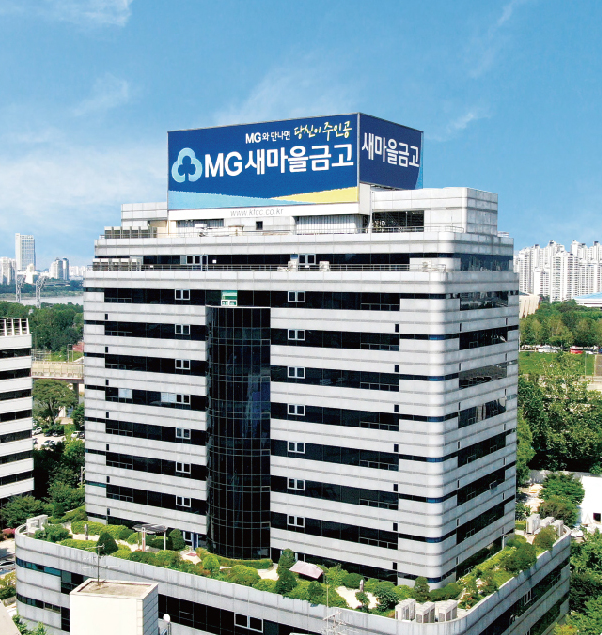
As of the end of last year, the overall delinquency rate for Saemaul Geumgo was 5.08%, down 1.73 percentage points from 6.81% at the end of the previous year. This marks a recovery to the level seen at the end of 2023 (5.07%), continuing the trend of improving asset soundness.
Despite recording a net loss of 1.2658 trillion won due to the sale of delinquent loans and the accumulation of loan loss reserves, this figure represents a reduction of 476.5 billion won compared to the previous year's loss of 1.7423 trillion won. In the second half of last year, the organization achieved a net profit of 62.9 billion won, indicating potential for recovery in profitability.
The reform efforts gained momentum following the appointment of Chairman Kim In in December 2023, during a period when rising interest rates and a downturn in the real estate market had negatively impacted the overall soundness of the mutual finance sector. The situation was exacerbated by a wave of deposit withdrawals from Saemaul Geumgo, making organizational normalization and trust restoration key priorities.
Chairman Kim prioritized enhancing soundness and organizational reform, initiating a comprehensive overhaul. Saemaul Geumgo is focusing on managing non-performing loans and strengthening risk management while pursuing mergers with 43 credit unions over the past three years to improve its financial structure.
The Ministry of the Interior and Safety noted, "Despite the challenging business environment last year due to delays in real estate recovery and stricter lending regulations, active measures such as managing non-performing loans through asset management companies, establishing the Vision 2030 Committee, and implementing company-wide reforms have gradually improved key management indicators since July of last year."
Chairman Kim, who successfully secured reappointment at the end of last year, has consistently emphasized the need for reform during events such as the founding anniversary and management evaluation meetings with Saemaul Geumgo chairpersons.
In February, Saemaul Geumgo announced its 'Vision 2030,' outlining key objectives including enhancing soundness, restoring cooperative identity, and addressing local issues. The organization aims to achieve a turnaround to profitability by 2028 and reduce the delinquency rate to the 3% range by 2030.
Saemaul Geumgo is also intensifying its role in local and low-income finance. Currently, the share of low-income finance stands at approximately 28.5%, with plans to expand this to 80%. The organization aims to provide a total of 1.8 trillion won in financial support through guarantees and other means to strengthen its support for local communities and vulnerable groups. Policy loans such as Saemaul Geumgo's Sunshine Loan, municipal agreement loans, and small business loans are steadily increasing, with amounts of 295.8 billion won in 2023, 312.3 billion won in 2024, and 405.2 billion won in 2025. In the first quarter of this year alone, 93.4 billion won in low-income finance was supplied.
Efforts to expand support for local communities are also accelerating. This year, Saemaul Geumgo plans to enhance special guarantee loans for social economy organizations, including cooperatives and social enterprises, through its newly established Social Finance Division. The organization aims to utilize its nationwide branch network to support the self-sufficiency of local social economy organizations and contribute to revitalizing the local economy.
Saemaul Geumgo will continue its support for over 20 social economy organizations this year while also expanding collaboration with existing partner companies. Starting in 2024, it will launch support programs for youth-led social enterprises.
The organization is also addressing the crisis of regional extinction due to low birth rates and an aging population. It plans to strengthen community support initiatives, particularly in financially underserved areas outside the capital, to aid in the recovery of local communities.
* This article has been translated by AI.
Copyright ⓒ Aju Press All rights reserved.