

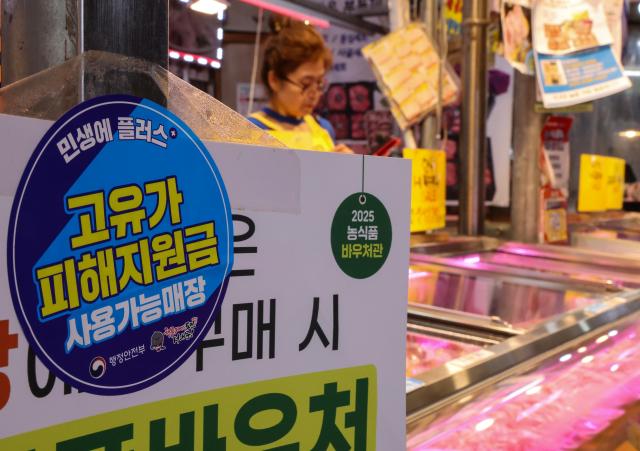
The South Korean government will begin distributing the second round of relief payments to alleviate the burden of rising fuel costs on May 18. Approximately 36 million people, representing the bottom 70% of income earners, will be eligible for this assistance. This round of payments follows an initial distribution and aims to expand support amid prolonged increases in fuel prices and living costs.
According to the Ministry of Interior and Safety on May 17, eligibility for the payments is based on health insurance premium contributions. For single-income households, individuals earning less than 130,000 won per month and couples earning less than 140,000 won will qualify. For regional subscribers, the thresholds are set at 80,000 won for single-person households and 120,000 won for two-person households. This approach indirectly reflects income levels while simplifying administrative procedures and ensuring targeted assistance.
In addition to income criteria, the government will also consider asset levels. This decision stems from concerns that households with low income but significant assets may face equity issues. Households with a total property tax assessment exceeding 1.2 billion won or annual financial income surpassing 20 million won will be excluded from eligibility. Conversely, dual-income households will have their income thresholds adjusted by adding one additional family member to account for varying financial burdens based on household structure.
Payments will vary by region, with residents in the capital area receiving 100,000 won, while those in non-capital areas will receive 150,000 won. Additionally, designated areas experiencing population decline will receive 200,000 won, and special support regions may receive up to 250,000 won.
Applications will be accepted until July 3. Vulnerable groups, including those who were eligible for the first round but did not apply, such as basic livelihood recipients and single-parent families, can reapply during this period.
Applications can be made via credit or debit card top-ups or local currency. Online applications will be available through card company websites, apps, call centers, and automated response systems, alongside offline submissions at local community centers. To reduce congestion during the initial application phase, a system based on the last digit of birth years will be implemented in the first week. Citizens can use the National Secretary notification service to receive information about payment amounts, application methods, and usage deadlines in advance.
The funds must be used by August 31. Spending is limited to local government jurisdictions and can be used at small businesses with annual sales below 3 billion won, focusing on promoting local commerce. However, gas stations will be exempt from this sales limit to reflect the intent of easing fuel costs. Any unused funds by the deadline will automatically expire.
The initiative will utilize 6.1 trillion won from a supplementary budget totaling 26.2 trillion won. The government plans to review additional measures based on future trends in fuel prices and inflation.
* This article has been translated by AI.
Copyright ⓒ Aju Press All rights reserved.