

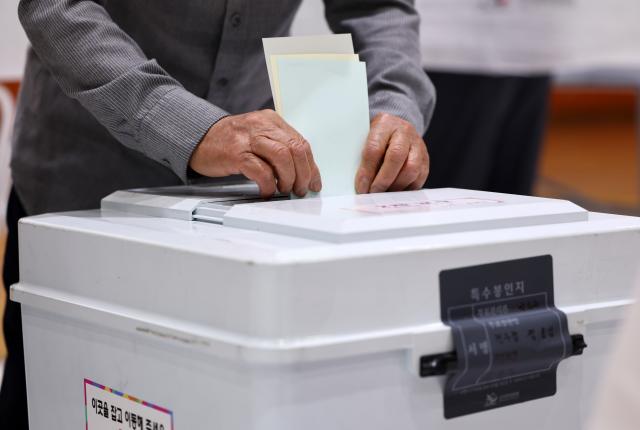
With the conclusion of the June 3 local elections, attention is turning to the fate of key financial bills that have been sidelined by political schedules. A number of bills related to the restructuring of the financial industry, including the institutionalization of digital assets, expansion of policy-based financial resources for low-income households, and the introduction of banking agency services, are pending in the National Assembly. The pace of legislation in the second half of the year is expected to influence the momentum of policy initiatives by financial authorities.
According to sources in the financial sector and the National Assembly on June 3, financial-related bills that were proposed or under discussion prior to the local elections are expected to emerge as major issues in the upcoming legislative session.
The most attention is focused on legislation concerning digital assets. The Digital Asset Basic Law, aimed at facilitating the introduction of stablecoins in the financial sector, has been pursued by the Political Affairs Committee since last year. This was also a campaign promise made by President Lee Jae-myung during his presidential bid, prompting the financial sector to expedite preparations. However, the legislative process has been delayed due to the elections.
The bill requires clarification on several contentious issues, including the entities authorized to issue won-denominated stablecoins, reserve accumulation methods, redemption obligations, and restrictions on the ownership stakes of major shareholders in virtual asset exchanges. Both ruling and opposition parties acknowledge the need to refine the basic law, and discussions are expected to gain momentum once they resume.
Legislation aimed at strengthening the support system for low-income households is also pending. Notably, a proposed amendment to the Low-Income Financial Law, which seeks to establish a stable funding system for expanding policy-based financial support, has yet to pass through the National Assembly. There have been ongoing concerns about the limitations in securing funding, especially as demand for financial assistance from vulnerable borrowers has increased amid economic slowdown and prolonged high interest rates.
Another proposed amendment to establish a Low-Income Financial Stability Fund is also awaiting action. This fund would be set up within the Korea Financial Services Agency to ensure stable funding for supporting vulnerable groups. With rising delinquency rates and an increase in business closures, there is a growing need for a permanent safety net rather than one-time assistance.
The Telecommunications Fraud Compensation Law, which includes a no-fault liability system for voice phishing, is expected to be discussed in earnest during the second half of the National Assembly session. Following President Lee's directive in June of last year to develop measures against voice phishing, a government-wide task force was established. However, strong opposition from the opposition parties has hindered progress.
Financial authorities believe that the responsibility for compensating victims should be strengthened if financial companies fail to fulfill their accident prevention obligations. However, the financial sector has raised concerns that this could lead to virtually unlimited liability. Finding a balance between consumer protection and the burden on financial companies is likely to be a key issue in future discussions.
Nonetheless, some analysts caution that optimism regarding the passage of these bills may be premature. If political schedules and national issues continue to dominate the agenda after the local elections, the review of financial legislation may be pushed down the priority list once again. In particular, the composition of the National Assembly and the distribution of committee chair positions, as well as the operational direction of the Political Affairs Committee, could significantly impact the speed of bill processing.
A source in the financial sector stated, "The institutionalization of digital assets, expansion of resources for low-income finance, and introduction of banking agency services are all core tasks being pursued by financial authorities. The speed of legislation in the National Assembly will greatly influence the momentum of financial policy initiatives."
* This article has been translated by AI.

Copyright ⓒ Aju Press All rights reserved.