

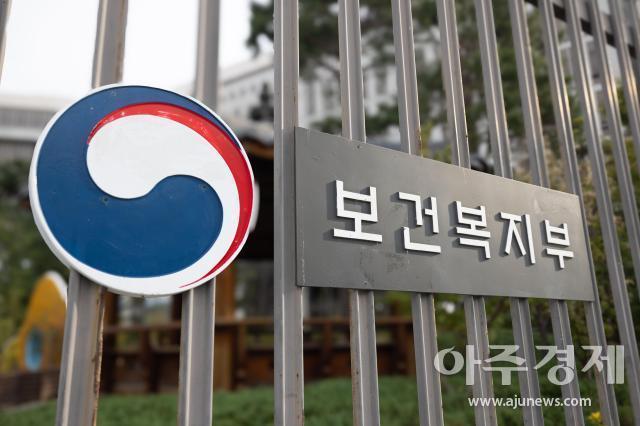
New regulations are set to curb the illegal practices of postpartum care centers that suddenly close after encouraging mothers to make large advance payments. The Ministry of Health and Welfare has announced a comprehensive overhaul of the procedures for the closure and suspension of these facilities, requiring them to notify users at least 30 days in advance and ensure the safe transfer of mothers and newborns still in their care.
On June 8, the Health Ministry stated that the government will announce a draft amendment to the enforcement rules of the Maternal and Child Health Act, aimed at protecting the rights of prospective users and preventing unexpected consumer harm. The public comment period for this draft will run from June 9 to July 20.
This amendment comes in response to ongoing issues in the postpartum care sector, where the return of advance payments has been a common problem, particularly during a time of declining birth rates. It is part of a national initiative to address gaps in consumer protection.
A key feature of the amendment is the introduction of a '30-day advance notice system' to prevent abrupt closures of inadequate care facilities. Previously, there was no clear notification period for operators wishing to cease operations, leaving consumers vulnerable to sudden closures.
Under the new rules, operators must submit a closure notice to the relevant local government at least 30 days before the intended closure date. They are also required to inform users who have contracts with them through written communication, email, or text message within the same timeframe.
Additionally, the obligations for post-closure remedies and safety measures will be significantly strengthened. Operators must fully refund any advance payments made by users before ceasing operations and ensure that mothers and infants currently using their services are safely transferred to other facilities or discharged appropriately. Failure to comply with these requirements will result in severe administrative penalties and legal repercussions from local authorities.
A Health Ministry official emphasized, "In a market where postpartum care services involve significant costs, the risk of fraudulent practices due to advance payment inducement has increased, making regulatory improvements urgent. We will gather feedback from various stakeholders, including medical professionals and consumer groups, during the public comment period and finalize the amendment for immediate implementation in the second half of this year to enhance market transparency."
On June 8, the Health Ministry stated that the government will announce a draft amendment to the enforcement rules of the Maternal and Child Health Act, aimed at protecting the rights of prospective users and preventing unexpected consumer harm. The public comment period for this draft will run from June 9 to July 20.
This amendment comes in response to ongoing issues in the postpartum care sector, where the return of advance payments has been a common problem, particularly during a time of declining birth rates. It is part of a national initiative to address gaps in consumer protection.
A key feature of the amendment is the introduction of a '30-day advance notice system' to prevent abrupt closures of inadequate care facilities. Previously, there was no clear notification period for operators wishing to cease operations, leaving consumers vulnerable to sudden closures.
Under the new rules, operators must submit a closure notice to the relevant local government at least 30 days before the intended closure date. They are also required to inform users who have contracts with them through written communication, email, or text message within the same timeframe.
Additionally, the obligations for post-closure remedies and safety measures will be significantly strengthened. Operators must fully refund any advance payments made by users before ceasing operations and ensure that mothers and infants currently using their services are safely transferred to other facilities or discharged appropriately. Failure to comply with these requirements will result in severe administrative penalties and legal repercussions from local authorities.
A Health Ministry official emphasized, "In a market where postpartum care services involve significant costs, the risk of fraudulent practices due to advance payment inducement has increased, making regulatory improvements urgent. We will gather feedback from various stakeholders, including medical professionals and consumer groups, during the public comment period and finalize the amendment for immediate implementation in the second half of this year to enhance market transparency."
* This article has been translated by AI.

Copyright ⓒ Aju Press All rights reserved.