Samsung Biologics Faces Labor Conflict Amid Record Growth
by LEE HYO JUNGPosted : June 9, 2026, 15:45Updated : June 9, 2026, 15:45
Share
facebook
twitter
URL
Text size
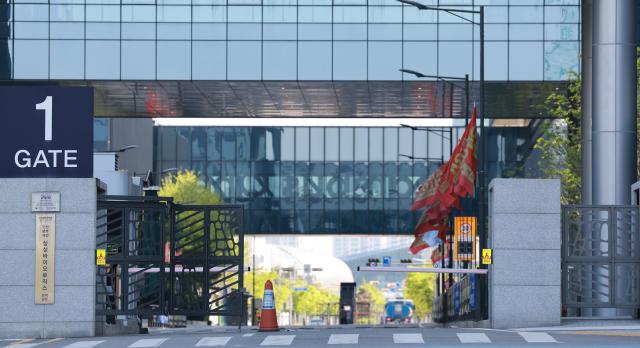
Flags flutter at the Samsung Biologics factory in Incheon. [Photo=Yonhap News]
Samsung Biologics, which has been achieving record performances through its "super gap" strategy, is facing increasing labor risks. As tensions escalate between management and labor, the union is exploring a separate path by seeking to withdraw from the Samsung Group's super labor union.
According to industry sources on June 9, the Samsung Biologics union plans to hold a general meeting from June 16 to 18 to clarify its future direction. Following this, a vote on whether to withdraw from the Samsung Group's super labor union is scheduled for June 24 to 28. If more than half of the union members participate and two-thirds of those vote in favor, the withdrawal will be realized.
Park Jae-sung, chairman of the Samsung Biologics union, stated, "Due to the differing interests among the Samsung Group's affiliates, it has been difficult to push through common agendas. As we strategize our negotiations, we have decided to move towards withdrawal from the super labor union, and we plan to conduct an electronic vote in the fourth week of this month." The union believes this move will strengthen its solidarity and secure an independent status.
Samsung Biologics has not provided a specific stance regarding the withdrawal from the super labor union. However, they expressed a commitment to "work diligently to conclude negotiations promptly."
There are also views suggesting that the union's decision may not significantly impact future negotiations. Park Jong-sik, a researcher at the Korea Labor Institute, noted, "The super labor union has not engaged in any notable joint activities, and the strengthening of solidarity within the Samsung Biologics union is a separate issue from the withdrawal."
Negotiations between Samsung Biologics and the union have been ongoing since December of last year, with 13 rounds of discussions held until March of this year. However, they have been unable to narrow their differences regarding wage increases. Ultimately, negotiations were officially declared unsuccessful in March, and the gap between the two sides remains wide. Legal disputes between management and labor are also ongoing, with no additional hearing dates set for the injunction related to labor disputes. The court has requested both parties to submit written statements by July 3.
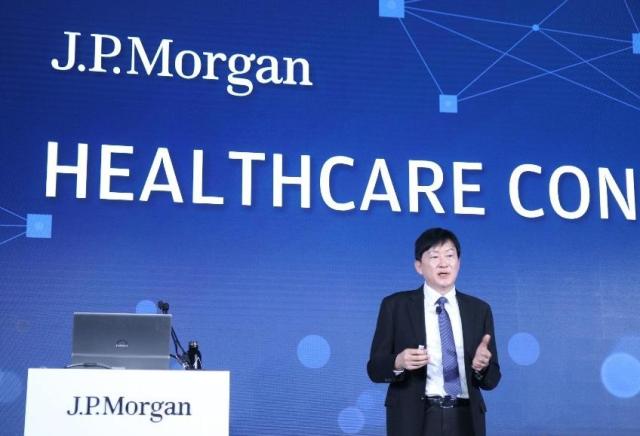
John Lim, CEO of Samsung Biologics. [Photo=Samsung Biologics]
The prolonged labor risks pose a significant burden on CEO John Lim. He has been credited with elevating Samsung Biologics to a leader in the global contract manufacturing organization (CMO) market during his tenure, successfully securing a third term. The company has consistently broken its own records for performance, driven by expanded production capacity and large orders, realizing its "super gap" strategy.
However, concerns are growing that prolonged internal labor conflicts could hinder growth strategies. The contract manufacturing business for biopharmaceuticals relies heavily on customer trust and production stability, meaning potential strikes or production disruptions could impact global customer relations.
Critics argue that the union's justification for its actions is weak, given that Samsung Biologics maintains industry-leading compensation and job security. In fact, the company's turnover rate was just 1.9% last year, one of the lowest among major manufacturing and biopharmaceutical companies in South Korea.
An industry insider remarked, "John Lim is in a position where he must simultaneously address the challenges of 'super gap growth' and 'labor stability.' The resolution of labor relations will be a crucial variable for the long-term growth trajectory of Samsung Biologics."