

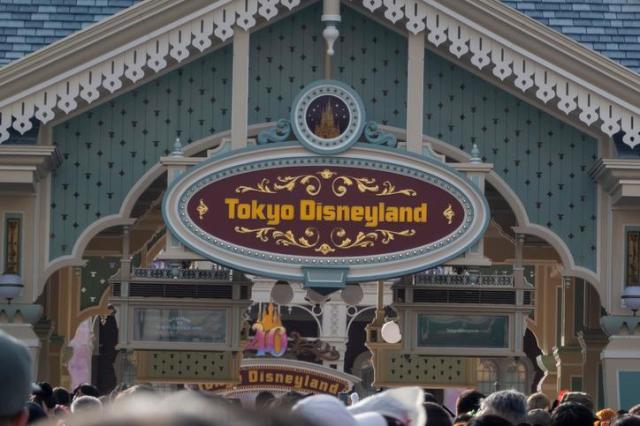
Tokyo Disneyland, a popular destination for South Korean tourists, is facing profitability challenges due to its high-cost structure. Following the COVID-19 pandemic, the introduction of ticket price increases and paid priority access has boosted revenue per visitor. However, rising depreciation costs from significant new investments, along with increased labor and maintenance expenses, are putting pressure on profits. While sales are projected to reach an all-time high, operating profit is expected to decline for the second consecutive year, leading the market to anticipate further price hikes.
Nihon Keizai Shimbun reported on June 10 that Oriental Land's stock has dropped about 60% since reaching an all-time high in January 2024, marking its lowest level in approximately seven and a half years. In contrast to the Nikkei average, which remains near record highs, Oriental Land's stock fell below the low point of March 2020, during the early days of the pandemic. Yuki Mori, a fund manager at Asset Management One, noted that both institutional and individual investors are becoming increasingly cautious.
Oriental Land forecasts that consolidated sales for the fiscal year 2026 will reach a record 724.3 billion yen (approximately $6.88 billion), a 3% increase from the previous year. However, operating profit is expected to decline by 5% to 160.7 billion yen (about $1.53 billion), significantly below the market estimate of 193.1 billion yen. The operating profit margin is projected to fall to 22.2%, down from a peak of 26.7% in fiscal year 2023.
The 25th anniversary of Tokyo DisneySea is unlikely to prevent the decline in profitability. Both Tokyo Disneyland and Tokyo DisneySea have historically benefited from large commemorative events held every five years, which have boosted visitor numbers. However, this fiscal year, the expected increase in attendance due to the anniversary is not expected to offset rising costs.
The primary cause of declining profitability is rising costs. Oriental Land's consolidated expenses for fiscal year 2026 are projected to increase by 5% to 563.5 billion yen, reaching 1.4 times the level seen before the pandemic in fiscal year 2018. The depreciation costs from the new Tokyo DisneySea area, Fantasy Springs, which opened in 2024, have begun to significantly impact the financials, and extensive hotel renovations will continue until summer 2027. Labor shortages and rising prices are further driving up labor costs, maintenance expenses, and the cost of goods and food. Satoru Sekine, a senior analyst at Daiwa Securities, remarked that the market's reaction has been one of resignation, saying, "Here we go again" regarding the rising costs.
Nikkei estimates that Oriental Land's breakeven sales have increased by about 200 billion yen over the past three years, now hovering around 450 billion yen. Fixed costs, including depreciation and labor, have risen by approximately 40%, necessitating higher sales to achieve profitability.
Since 2022, Oriental Land has focused on increasing revenue per visitor rather than expanding attendance. The company has implemented a variable pricing system and expanded its paid service, Disney Premier Access, which allows guests to enjoy popular rides with shorter wait times. This strategy aimed to reduce congestion by limiting visitor numbers while increasing average spending to enhance profitability.
This approach has been effective for a time. Revenue per visitor at Tokyo Disneyland Resort has increased by over 50% compared to pre-pandemic levels, and operating profit reached a record 172.1 billion yen in fiscal year 2024. However, the growth in revenue driven by price increases has recently slowed. Attendance for fiscal year 2025 is projected at 27.53 million, marking the first decline since fiscal year 2020. While average spending has risen due to price hikes, a decrease in attendance could limit the effectiveness of this profitability strategy.
The breakeven point may rise further. Oriental Land plans to open a new Space Mountain at Tokyo Disneyland in 2027 and enter the cruise business in 2028. With ongoing labor shortages and rising costs, operational expenses are expected to continue increasing. To improve profitability, the company will need to further raise average spending per visitor.
In an April briefing, Oriental Land indicated it would consider adjusting the sales proportions across different price ranges or changing the price tiers themselves. Nomura Securities interpreted this as a signal for potential ticket price increases, predicting that profitability could improve in the latter half of fiscal year 2026. However, the rate of increase in revenue per visitor is outpacing wage growth in Japan, which may place a heavier burden on local visitors and families. Mori from Asset Management One stated, "There is increasing pressure to provide added value that justifies price increases."
The potential loss of younger visitors is also a concern. Among visitors to Tokyo Disneyland and Tokyo DisneySea, the proportion of those aged 40 and older surpassed that of those aged 4 to 17 in fiscal year 2020, and by fiscal year 2025, they are expected to account for about 40% of total visitors. The lack of major Disney film hits since the 2014 release of "Frozen" is also cited as a factor contributing to the decline in younger visitor demand.
Tokyo Disneyland Resort remains a leading tourism and consumer brand in Japan. However, it is uncertain how long the strategy of absorbing rising costs through price increases will remain effective. Tetsuro Ii, president of Commonsto Shin, emphasized the importance of appealing to younger generations, stating, "We need to refine our sense of balance in pricing decisions, including generational changes in the board of directors." As ticket prices rise, it remains to be seen whether visitors will perceive sufficient value, placing Oriental Land's strategy under unprecedented scrutiny.
* This article has been translated by AI.
Copyright ⓒ Aju Press All rights reserved.