South Korea Disbands Military Intelligence Agency After 49 Years
by Jun sungminPosted : June 10, 2026, 17:36Updated : June 10, 2026, 17:36
Share
facebook
twitter
URL
Text size
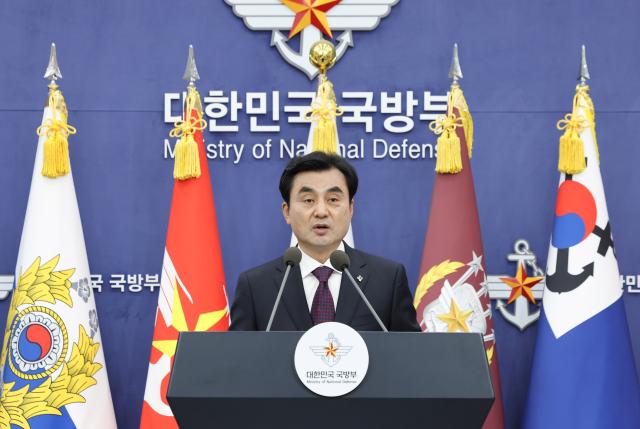
Minister Ahn Kyu-baek announces the disbandment and restructuring of the Military Intelligence Agency at a briefing in Yongsan, Seoul. [Photo=Yonhap News]
The South Korean government has decided to disband the Military Intelligence Agency (MIA), which played a crucial role during the December 3 martial law, and redistribute its key functions to various agencies. Established in 1977 as the Military Security Command, the MIA has wielded significant power for 49 years before its dissolution.
On June 10, Minister of National Defense Ahn Kyu-baek announced the "disbandment and restructuring plan for the Military Intelligence Agency" at the Ministry's headquarters in Yongsan, Seoul.
The MIA was found to have performed essential tasks during the December 3 martial law, including deploying troops to the National Assembly and the National Election Commission and operating arrest teams for politicians. The government identified the excessive concentration of power and the lack of democratic oversight as issues, prompting a review of fundamental reform measures. Based on recommendations from an advisory committee released in January, the government finalized its restructuring plan after five months of deliberation.
The government will transfer the MIA's functions, including intelligence activities related to counterintelligence and defense, security investigations, and security audits, to other agencies.
Counterintelligence and defense-related intelligence activities, along with defense and cybersecurity tasks, will be assigned to the newly established "Defense Counterintelligence Headquarters," while security investigation functions and joint investigation authority during martial law will be transferred to the Ministry of National Defense's Investigation Headquarters.
Additionally, a new "Defense Security Support Unit" will be created to handle central security audits and security incident investigations at the corps level and above.
The MIA's personnel will be reduced to one-third of its current size. Half of the current personnel will move to the Defense Counterintelligence Headquarters, while about 200 security investigation personnel will transition to the Investigation Headquarters, and the Defense Security Support Unit will be organized with approximately 200 members.
Functions related to trend analysis, personnel intelligence, and illegal or corrupt information collection, which have been criticized as foundations for the MIA's power within the military, will be completely abolished.
A Ministry official stated, "The MIA collected information even during peacetime, and the scope of background checks was extensive. In the future, data will only be collected during personnel seasons, and multi-faceted evaluations will be conducted."
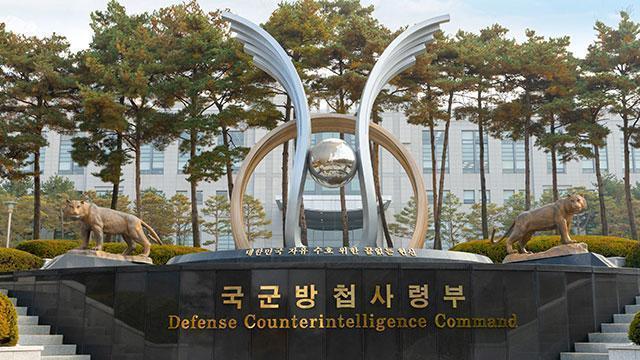
Military Intelligence Agency Headquarters [Photo=Ministry of National Defense]
Along with the disbandment of the MIA, the government plans to strengthen democratic oversight of the newly established Defense Counterintelligence Headquarters through internal audits and oversight by the National Assembly and the Ministry of National Defense.
An external senior audit official will be appointed to the position of Chief of the Audit Office at the Counterintelligence Headquarters, and a dedicated organization at the director level will be established to oversee counterintelligence, intelligence, and security agencies within the Ministry of National Defense.
To enhance external oversight, a "Compliance Audit Committee" composed of civilian experts will be established under the Minister of National Defense, and basic guidelines for counterintelligence activities will be formulated and reported to the National Assembly regularly.
Additionally, a proposed law titled "Military Counterintelligence Personnel Duty Performance Act," which will specify the scope of counterintelligence activities and penalties for illegal actions, is set to be enacted in the second half of the year.
The government also aims to break away from the MIA's previous closed and authoritative organizational culture, stating that it will integrate the personnel management system of the MIA into a "common system for the entire military" to enhance transparency and fairness in personnel operations.
The Ministry of National Defense plans to appoint a general officer at the rank of major general or a second-level civil servant as the head of the Defense Counterintelligence Headquarters.
The Ministry intends to complete the establishment of the new organization by the end of July or early August through amendments to related unit regulations. A preparatory team will be launched to facilitate the transfer process.
A Ministry official explained, "The regulations will include not only the scope of counterintelligence but also methods for challenging unjust orders and penalties for executing such orders."
Ahn Kyu-baek stated, "The disbandment of the MIA and the restructuring is a solemn promise that the military will focus solely on the Constitution and the people, fulfilling its original duties. The Ministry of National Defense will reflect on the painful historical lessons of the past and build a counterintelligence organization and system suitable for a new era with a transformative approach."