

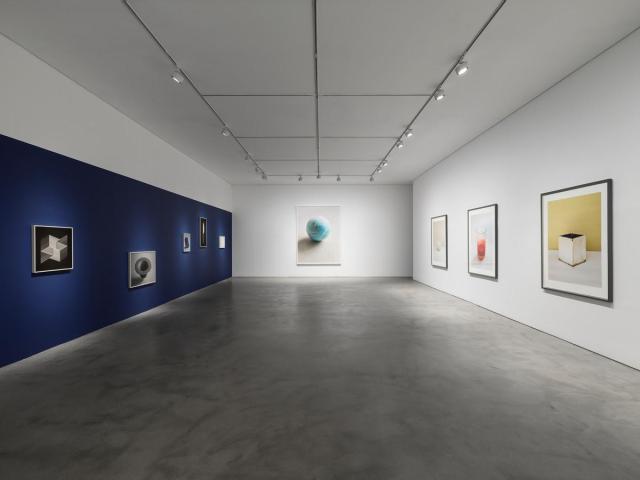
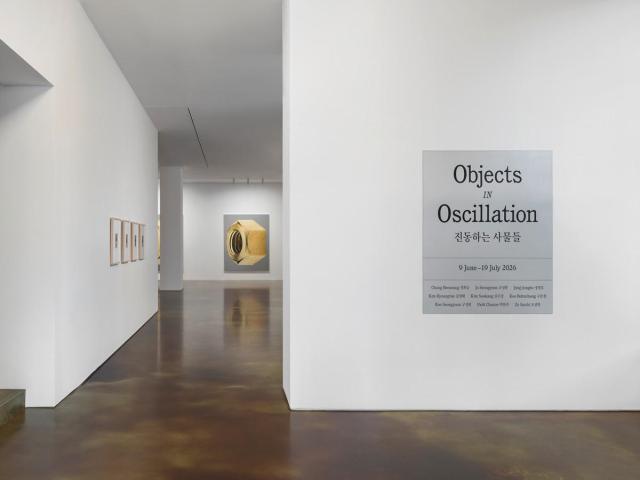
The objects in the photographs seem to come alive. The exhibition 'Vibrating Objects' at the International Gallery showcases the thoughts, emotions, and memories of nine photographers, infusing still life with a sense of vitality.
While each participating artist tells a different story through various objects, the works evoke the concept of a still moment, a serene pause that precedes the capture of a single photograph. The time spent contemplating with a camera is palpable. Unlike AI-generated images created in an instant, these photographs embody a unique perspective, time, and narrative that cling to the objects. The stillness of these items vibrates at a very low frequency.
Koo Bon-chang, the curator of the exhibition, has gathered artists who have long dedicated themselves to still life photography. "I selected those who have consistently worked on still life for 20 to 30 years, focusing on those who have persevered without compromise, even when it was difficult," he said.
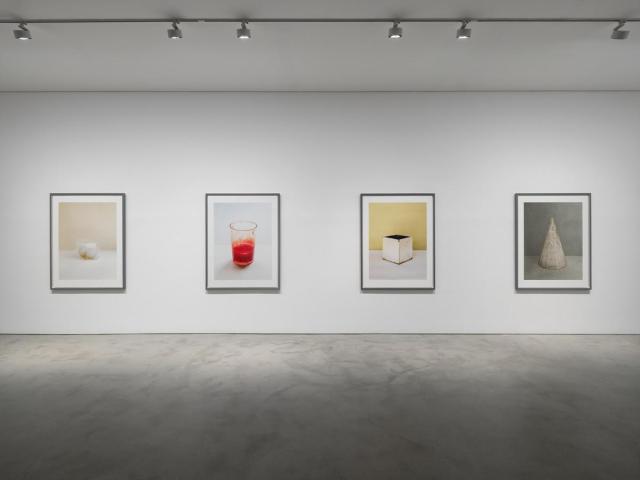
The exhibition does not chase superficial beauty. Koo explained, "I sought out those who strive to get closer to the essence of hidden objects, who work to find beauty that is not immediately apparent. It’s important to understand that these artists contemplate the narratives of objects, societal issues, and the themes of life and death through everyday items."
Koo has also interpreted the subtle sounds of objects through his camera over the years. Referring to the works displayed in the exhibition, he expressed, "I hope viewers appreciate the history, wear, and stories embedded in these objects."
Reading the Expressions of Objects Through the Camera
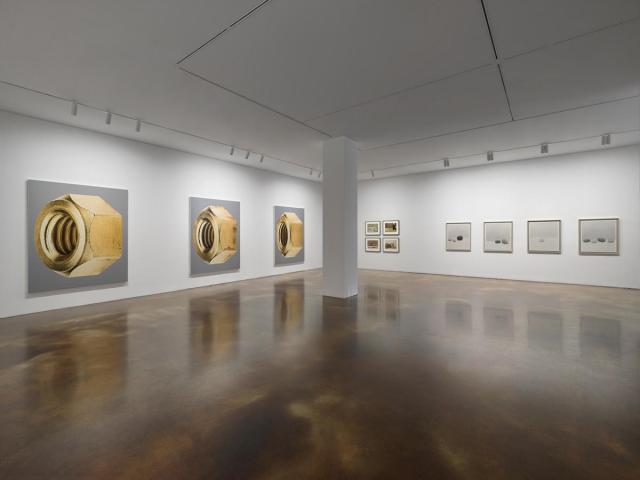
For some, common objects can be treasures or friends. For artist Kim Kyung-tae, a brass nut holds such significance. He has focused on the experience of observing both large and small items, capturing tiny nuts with diameters of 8, 11, and 14 mm up close and enlarging them.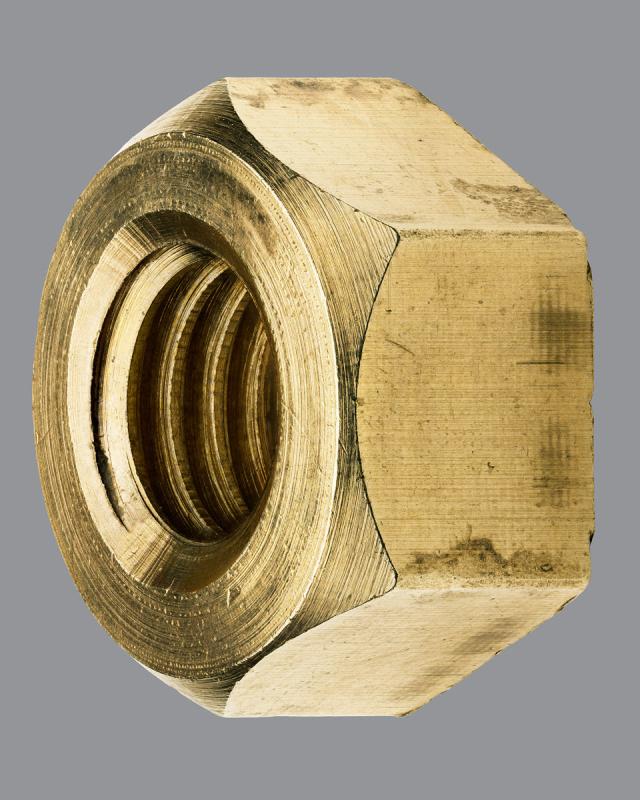
This is not a result obtained in a single shot. Using a technique called focus stacking, he took hundreds of photographs and combined the sharpest parts from each image. This method allows viewers to see the texture of the nut's surface clearly. The series 'Brass Hex Nut' (2016) reveals that even seemingly identical nuts bear unique traces.
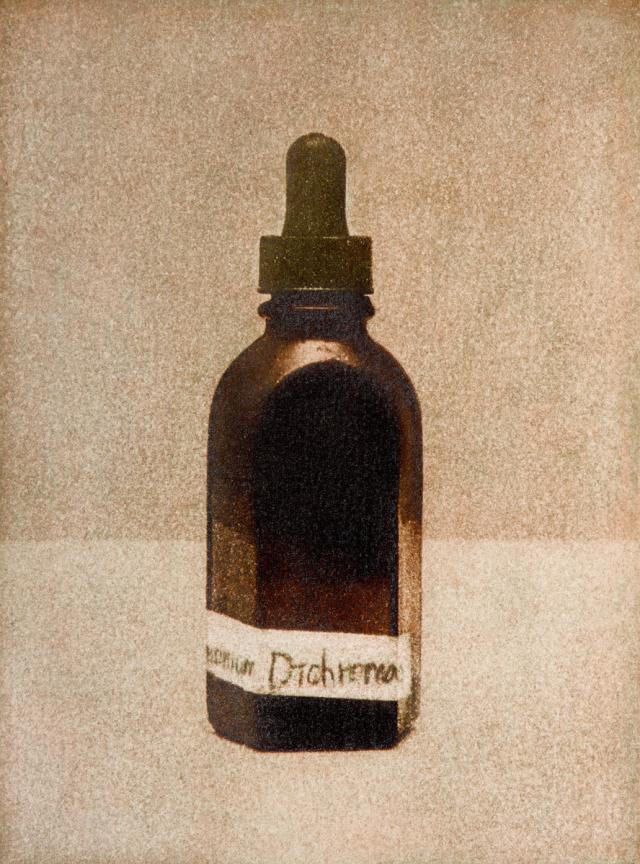
Kim Soo-gang captures the expressions of objects with his camera, whether they are stones or paper bags. To convey depth of expression, he employs the 19th-century photographic printing technique known as gum printing, which requires hands-on involvement in every step. The expressions of objects are intertwined with his life experiences. He noted, "When significant events occur, like the death of a family member or the birth of a child, the expressions of objects change very slowly over time."
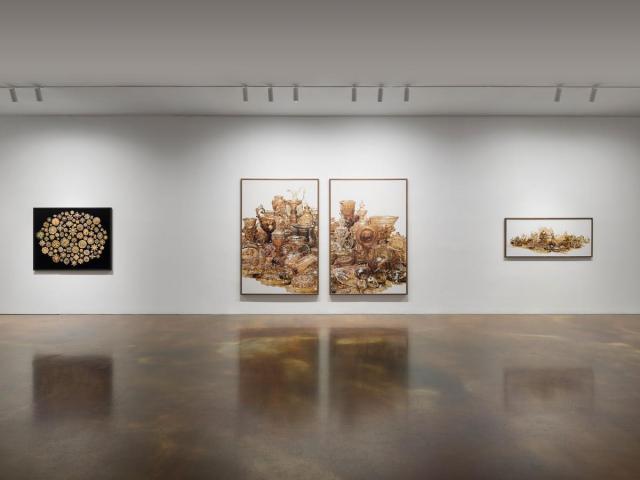
Koo Seung-yeon reveals sticky desires through photography. He meticulously carves dull decorations collected from markets into golden sugar shapes, representing the form of desire. The sweet and sparkling desire ultimately melts away. The artist sees beauty in the moment just before it disappears. "I captured the moment just before it started to melt and flow away, which I believe is the most beautiful moment," he said.
Imbuing Objects with Emotion…A Process of Invocation
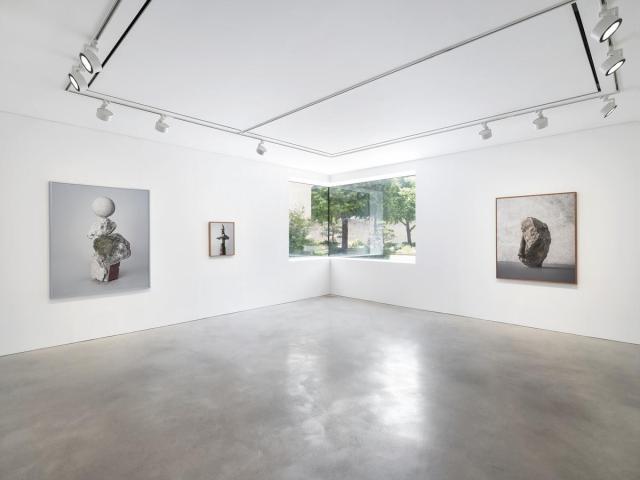
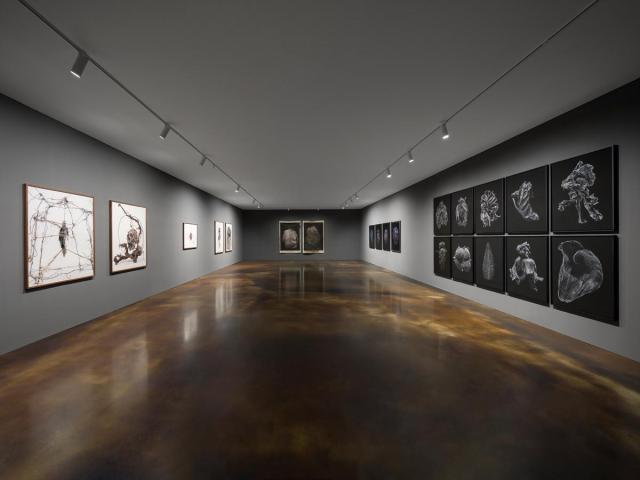
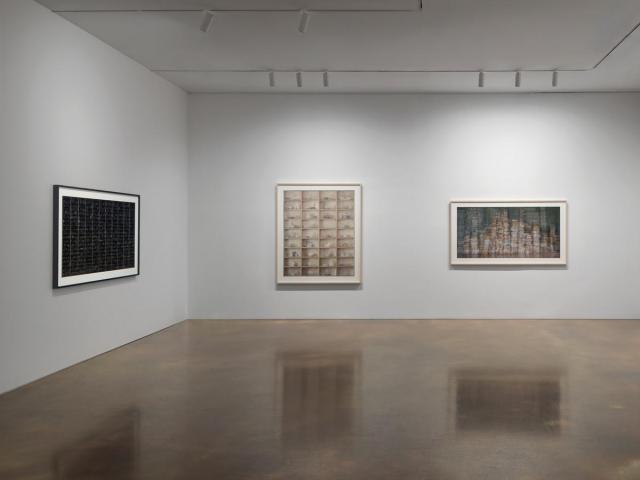
Jung Hee-seung, who enjoys translating poetry, linked the tension between chance and inevitability in the poem 'Throwing Dice' to his photographic work. Jo Sung-yeon expressed the anxiety felt during the pandemic through precarious structures stacked in an uneasy balance. Park Chan-woo borrowed the format of traditional Joseon-era book covers to highlight the accumulation of experiences by photographing expired books in layers. Jeong So-hee added materials like bleach and coffee to photographs of her mother’s back to express changes in memory through wrinkles.
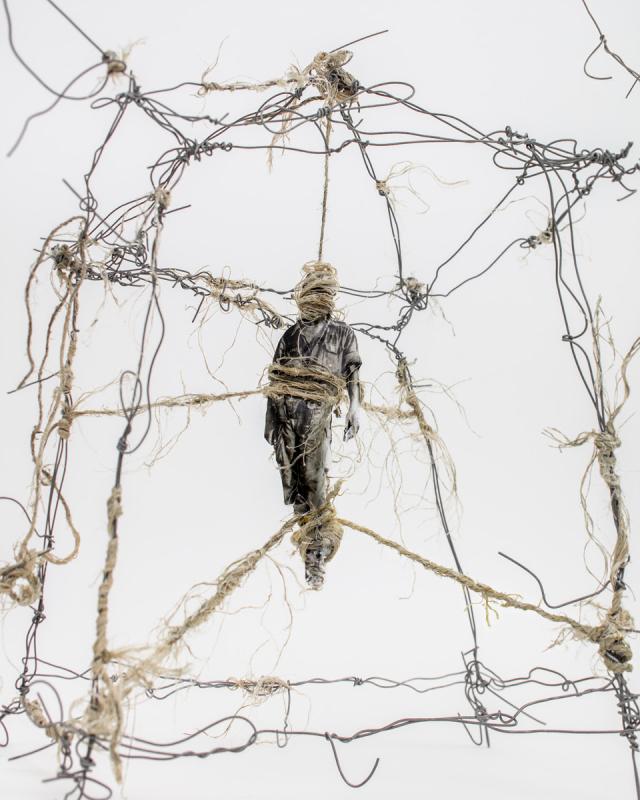
For Jeong Jeong-ho, photography is a form of 'invocation.' He recalled a moment when he was trapped in the sea due to misjudging the tide, which reminded him of his grandfather's futile death in war. To summon his grandfather, who left no photographs behind, he reconstructed and photographed objects collected from the beach, his father's military photos, and clothes he wore.
He stated, "The process of infusing emotion into still life work felt like an invocation. It felt as if my grandfather had entered me."
The exhibition runs until July 19.
* This article has been translated by AI.
Copyright ⓒ Aju Press All rights reserved.