

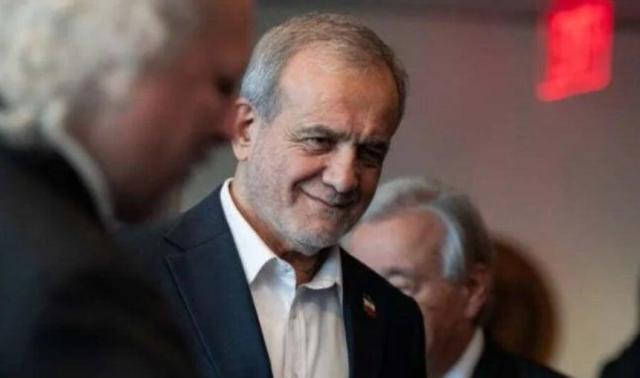
According to AFP, President Pezeshkian stated during a meeting with media representatives on June 14, "The Supreme National Security Council (SNSC) has concluded that the path of dialogue must continue." He underscored that decisions regarding war and negotiations rest with the SNSC.
His remarks come amid criticism from hardliners regarding the negotiation team’s approach to the ceasefire talks with the U.S. The hardline faction argues that the proposed agreement may not adequately address key demands, such as guarantees for sanctions relief, compensation for war damages, and control over the Strait of Hormuz.
The SNSC is Iran's highest security policy body, coordinating defense, foreign, and security policies. It is chaired by the President and includes the Speaker of Parliament, the head of the judiciary, the Foreign Minister, the Interior Minister, military leadership, the Islamic Revolutionary Guard Corps (IRGC) command, and representatives from the Supreme Leader's office. Decisions made by the council require the Supreme Leader's approval to take effect.
By highlighting the SNSC's conclusion, President Pezeshkian appears to be signaling that the dialogue with the U.S. is not merely a personal decision but rather a result of official discussions among Iran's power elite. This message aims to reassure both domestic and international audiences that Iran will not abandon the negotiation table despite hardliner dissent.
The U.S. and Iran are currently engaged in final discussions regarding the ceasefire MOU. While Iran acknowledges that an agreement is imminent, it has not confirmed a specific timeline for signing. The ongoing hardliner opposition, the approval process from the Supreme Leader, and tensions along the Lebanon front suggest that several variables remain before actual signing and implementation can occur.
* This article has been translated by AI.
Copyright ⓒ Aju Press All rights reserved.