

Resumption of Shipping in Hormuz... Negotiation Timeline Uncertain
On June 18, Vance announced during a White House press conference that the official 60-day negotiation period under the MOU with Iran had begun.
The MOU focuses on halting hostilities and resuming shipping through the Strait of Hormuz, including the lifting of U.S. maritime and port controls on Iran. The two sides aim to reach a final agreement on issues such as the handling of enriched uranium, sanctions relief, the release of frozen funds, and management of the Strait over the next 60 days.
The initial effects have been seen in reduced maritime tensions. The U.S. has lifted its controls on Iranian ports and maritime activities, while Iran has resumed commercial shipping. However, U.S. naval vessels will remain in the area temporarily to monitor compliance with the agreement.
Reuters reported that three supertankers from Saudi Arabia carrying six million barrels of crude oil have successfully passed through the Strait of Hormuz. LNG carriers from Qatar and tankers from Abu Dhabi have also begun operations. Energy transport in the Gulf region is gradually returning to normal, although shipping and insurance sectors remain cautious, indicating that full recovery may take time.
While there are signs of compliance in the Strait of Hormuz, subsequent negotiations are not gaining momentum. Initially, Vice President Vance was scheduled to begin discussions with Iranian officials regarding nuclear and sanctions issues on June 19 in Switzerland. However, the White House announced that Vance would not depart immediately due to scheduling and logistical issues. Iran has also stated that it needs to confirm U.S. compliance with the agreement before engaging in talks. Although the negotiation deadline has begun, the actual negotiation table has yet to convene.
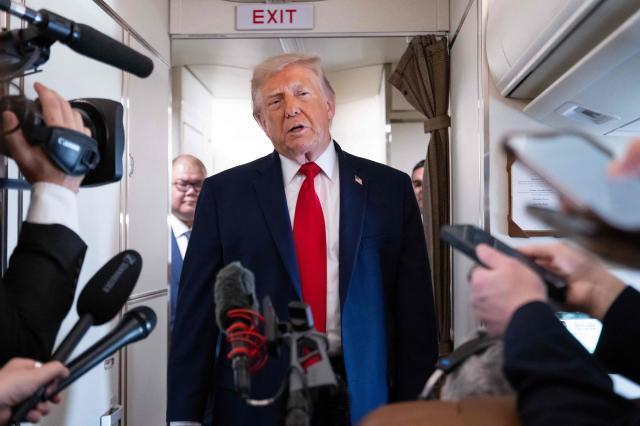
President Trump asserted that this agreement was a necessary choice to prevent the escalation of war and economic turmoil. In an interview with Axios, he explained that without the agreement, disruptions in oil supply due to a closure of the Strait would have been prolonged, potentially leading to a global recession. This suggests a prioritization of energy market stability over military pressure.
Nuclear, Sanctions, and Transit Costs Remain Key Issues
The primary contentious issue in the negotiations is Iran's nuclear program. President Trump has emphasized that "Iran can never have nuclear weapons". Vice President Vance also stated that Iran has committed to disposing of its stockpile of enriched uranium.
However, ABC News pointed out that the agreement does not include an immediate commitment to eliminate nuclear materials. The MOU only states that the two sides will discuss handling procedures over the next 60 days. The timing and method of disposal remain undetermined. Vance has suggested that there may be an informal agreement beyond the official text, but the lack of key details in the document leaves room for controversy.
Interpretations regarding sanctions also vary. Vance claimed that Iran would not receive economic benefits unless it changes its stance on nuclear and military activities in the Middle East. However, ABC News reported that the MOU could allow the U.S. Treasury to grant exceptions for Iranian oil exports immediately upon signing. Experts have also indicated that Iran could generate over $60 billion (approximately 94 trillion won) in annual revenue simply by resuming oil sales.
The situation in the Strait of Hormuz raises concerns about the period following the 60 days. The MOU requires Iran to guarantee safe, free passage for commercial vessels during this period. However, there are criticisms that it leaves open the possibility of imposing tolls or fees afterward. Iran has also hinted at the potential introduction of maritime fees under the guise of managing the Strait after the 60 days. Gulf nations, including Saudi Arabia, are opposing this prospect.
The dynamics in Lebanon and public opinion in both countries also present variables. Iran has raised concerns over Israeli military actions in Lebanon, while the U.S. is pressuring Israel to respect the MOU. Within the U.S., there are criticisms that the Trump administration has made excessive concessions to Iran, while Iran is portraying the agreement as a diplomatic achievement.
Ultimately, while this MOU has achieved short-term success in reducing the risk of war and maritime tensions, with some shipping resuming, issues surrounding the handling of enriched uranium, sanctions relief, transit costs, and the situation in Lebanon remain for future discussions. Although the negotiation deadline has begun, the postponement of the Swiss talks suggests a challenging path ahead for reaching a final agreement.
* This article has been translated by AI.
Copyright ⓒ Aju Press All rights reserved.