

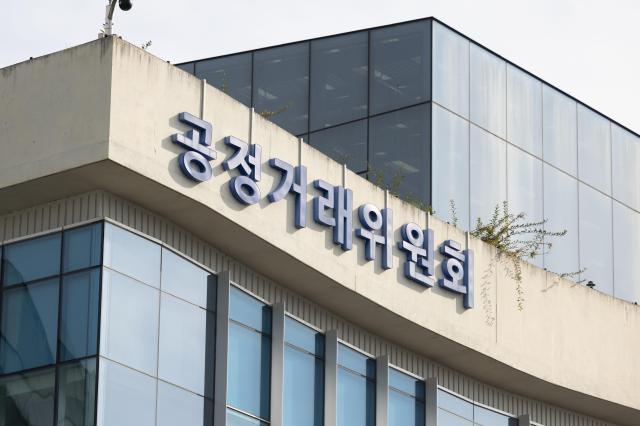
On June 23, the Fair Trade Commission (FTC) announced that it will issue an administrative notice by July 13 regarding amendments to the 'Operational Guidelines for Verification of Claims in Advertising,' which will specify the verification obligations for advertising the performance of new technology products, including AI.
The verification system holds businesses accountable for substantiating claims made in their advertising, allowing for swift determination of legal compliance. The guidelines aim to establish detailed criteria for the request, review, and processing of verification data.
To enhance the effectiveness of the verification system, the FTC is pursuing amendments that clarify the subjects required to submit verification data, specify the processes for requesting and submitting this data, and improve predictability for businesses. The goal is to reduce misleading and false advertising while minimizing consumer harm.
AI products and services are often difficult for consumers to evaluate based on actual functionality and performance, as technical jargon can create a misleading sense of reliability. Phrases such as 'AI-enabled,' 'automatically optimized,' and 'safer' could distort consumer purchasing decisions if used without objective evidence.
In response, the FTC's amendments will add strict verification requirements for product claims related to human safety and performance, including phrases like 'improves concentration and memory' and 'made from non-toxic materials.'
The advertising market is becoming increasingly competitive in areas where consumers struggle to make informed judgments, such as AI, eco-friendliness, healthcare, and educational outcomes. By clarifying examples of claims that require verification, the FTC aims to help businesses understand their responsibilities and prevent violations.
The FTC has also specified the conditions under which the deadline for submitting verification data can be extended. Previously, extensions could only be granted for 'force majeure events,' but now include specific circumstances such as natural disasters, mergers and acquisitions, bankruptcy proceedings, or the seizure of documents by competent authorities.
Furthermore, to ensure compliance with the principle of 'pre-verification before advertising,' the extension period has been reduced from 30 days to 15 days after the reason for the extension has ceased, clarifying the submission process for verification data.
If a business fails to submit the required verification data within the specified timeframe, including any extensions, the FTC can issue a cease-and-desist order for the related advertisement.
Through these amendments, the FTC aims to clarify the subjects required to submit verification data while refining the criteria for evaluating this data, thereby enhancing the effectiveness of the system.
* This article has been translated by AI.
Copyright ⓒ Aju Press All rights reserved.