

As Russia struggles in its fourth year of the war in Ukraine, discussions about resuming peace negotiations between Russia and Ukraine are gaining traction. The leaders of the five major European countries (E5) have expressed support for direct dialogue between the two sides, with the involvement of the United States and Europe. Russian President Vladimir Putin has also mentioned the possibility of negotiations.
On June 24, the E5 leaders—comprising the United Kingdom, France, Germany, Italy, and Poland—issued a joint statement after a meeting in Berlin, stating they share a commitment to "conditions for a fair and lasting peace" and support proposals for direct dialogue between Ukraine and Russia with active participation from the U.S. and Europe.
The leaders reaffirmed their commitment to recognizing Ukraine's crucial role in European and transatlantic security and emphasized their continued support for Ukraine's defense against Russian aggression. They also indicated they would maintain sanctions and economic pressure on Russia while assisting in strengthening Ukraine's energy sector resilience.
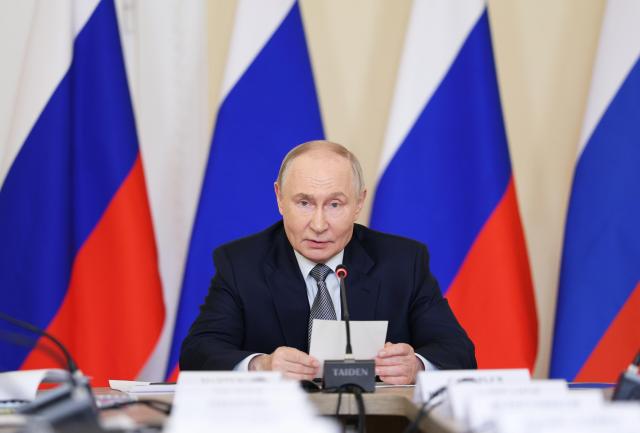
In this context, President Putin has indicated a willingness to negotiate with Ukraine. According to the Ukrainian media outlet Ukrainska Pravda, during a government meeting, Putin stated, "Russia is ready for peace negotiations with Ukraine" and expressed readiness to base discussions on agreements reached in Istanbul.
Putin claimed that the Ukrainian delegation had signed off on the agreements at that time, suggesting that they were satisfied with the terms. He added, "I see no reason for us to deviate from that agreement," emphasizing that negotiations should be based on the Istanbul agreements, the current battlefield situation, and principles he previously outlined in speeches.
The 2022 Istanbul negotiation framework reportedly included provisions for Ukraine's neutrality, denuclearization, prohibition of foreign troops and military bases, and limitations on military capabilities. From Ukraine's perspective, these terms significantly restrict its security options, making them difficult to accept.
While Putin appears to want to project strength ahead of potential negotiations, he asserted, "The reality on the battlefield is completely different." He noted that Russian troops are advancing daily, implying that Ukraine does not hold a superior position in negotiations.
However, analyses suggest that Russia is actually facing increasing burdens due to the prolonged conflict. According to the Wall Street Journal, Russia is encountering difficulties in advancing in eastern Ukraine, experiencing fuel shortages due to Ukrainian offensives targeting its territory and oil facilities, and facing a decline in Putin's approval ratings, leading to a crisis situation.
* This article has been translated by AI.
Copyright ⓒ Aju Press All rights reserved.