


SEOUL, June 26 (AJP) -The KOSPI ended Friday at 8,411.21, nearly 8 percent below the 9,000 milestone it celebrated just a week earlier. Friday's rout — the second intraday plunge of more than 8 percent this week — cannot be dismissed simply as a long-overdue correction.
The Gulf war inflation scare is fading. Oil has retreated toward pre-war levels and the immediate fear of an energy shock has eased. Yet investors are beginning to confront a second, potentially more persistent inflation cycle born not from geopolitics but from artificial intelligence.
Unlike Gulf-flation, which raised gasoline, freight and grocery bills, the new wave — call it chipflation — starts inside AI data centers before spreading through the digital economy.
Korea's producer prices jumped 8.5 percent from a year earlier, which on surface suggest the energy shocks from the prolonged Gulf conflict are beginning to cut through the supply chain in the country. A closer look tells another story unfolding.
Producer prices for IT products rose 11.4 percent from a year earlier, compared with a 13.6 percent increase for energy, sharply narrowing what had long been a wide gap.
Within manufacturing, computer, electronics and optical products climbed 20.2 percent, virtually matching chemical products and overtaking many traditional industrial sectors. Semiconductor prices alone surged 134.7 percent from a year earlier, while DRAM prices soared an extraordinary 445 percent.
The figures suggest inflation is no longer being led solely by oil wells or shipping lanes. Increasingly, it is being driven by semiconductor fabs, AI accelerators and hyperscale data centers.
That distinction matters because the transmission mechanism is fundamentally different.
Energy shocks tend to work through supply disruptions. They raise transportation costs, utility bills and food prices before gradually fading as production resumes and oil markets stabilize.
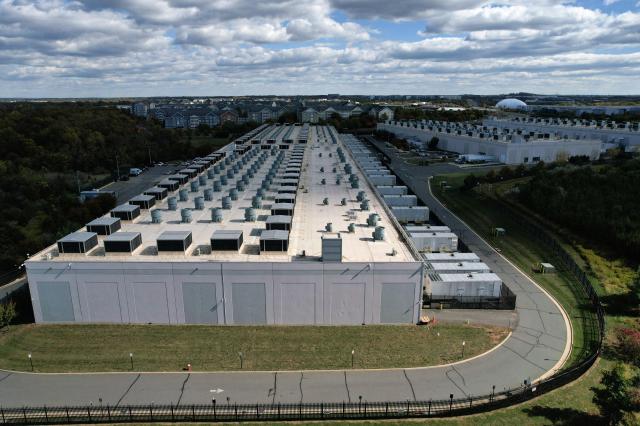
Every additional AI server requires expensive high-bandwidth memory, more advanced storage, larger power supplies and increasingly sophisticated cooling.
That demand is already crowding out consumer electronics.
Apple has raised prices on Macs and iPads. Microsoft has increased Xbox prices. Nintendo and Sony have also adjusted prices as memory and storage costs climb. Their explanation is remarkably consistent: AI servers are absorbing premium semiconductor supply, making components for consumer devices structurally more expensive.

Samsung Electronics and SK hynix stand at the center of the AI supply chain. Their margins continue to expand as hyperscalers compete aggressively for memory. Micron's recent results and long-term supply contracts suggest the memory upcycle could remain unusually durable.
Yet what benefits Korean exporters may simultaneously complicate inflation management.
Unlike oil-driven inflation, chipflation disproportionately affects higher-income consumers and businesses rather than household necessities. AI-capable smartphones, premium laptops, enterprise servers and cloud services become more expensive first. Corporations absorb rising technology costs before eventually passing part of them to consumers through subscription fees, software prices and digital services.
AI data centers are among the most power-intensive industrial facilities ever constructed. As utilities invest in new generation capacity and transmission networks, power costs could remain elevated even after fossil fuel prices normalize. That creates a second-round inflation effect extending well beyond semiconductors.
Central banks therefore face a more complicated inflation landscape.
During Gulf-flation, policymakers could reasonably expect lower oil prices to pull headline inflation down.
Chipflation offers no such assurance because it reflects persistent investment demand rather than a temporary commodity shock.
Eventually, AI should become disinflationary. Every major technological revolution — electrification, computing and the internet — ultimately boosted productivity enough to reduce production costs across the economy. AI is likely to follow the same path.
The challenge lies in the transition. Building the infrastructure comes before harvesting the productivity gains.
Until enough data centers, memory capacity, electricity networks and software ecosystems are in place, demand will continue to outpace supply and make the fight against inflation possibly a constant challenge for policymaker.
Copyright ⓒ Aju Press All rights reserved.
