

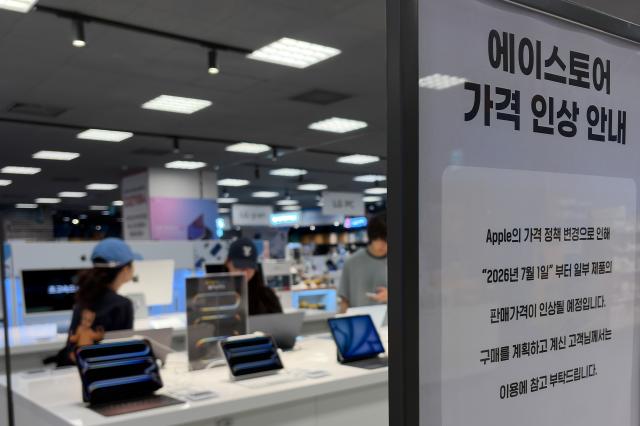
As investments in artificial intelligence (AI) data centers drive up memory prices, a phenomenon dubbed 'phoneflation' is expected to take hold in the second half of this year. Following Apple's price hikes on some products and indications of a forthcoming increase for the next iPhone, Samsung Electronics is also anticipated to raise prices for its Galaxy new products.
According to industry sources on June 26, the prices of the Galaxy Z Fold and Flip models, set to be unveiled in the latter half of this year, are projected to rise by as much as 25% compared to their predecessors. The starting price for the Galaxy Z Flip 8 is estimated to be 1.85 million won ($1,200), up from 1.485 million won for the Galaxy Z Flip 7. The expected starting price for the new wide-form factor Fold 8 is approximately 2.77 million won ($1,800), reflecting a 16% increase from the previous model's price of about 2.38 million won. The top-tier Fold 8 Ultra may exceed 3.23 million won ($2,100).
Earlier this year, Samsung also raised prices for the Galaxy S26 series released in March. The surge in memory and storage prices, including DRAM and NAND flash, has increased manufacturing costs due to expanded investments in AI servers. The combination of enhanced component specifications driven by AI advancements and rising memory prices suggests that the trend of smartphone price increases will continue for the foreseeable future.
Apple is also considering raising prices for the upcoming iPhone 18 series by as much as 18% compared to the previous model. On June 25, Apple raised prices for MacBooks and iPads by $100 to $300 per product. While prices for the iPhone, Apple Watch, and AirPods remain unchanged for now, it is likely that future new products will reflect the increased costs.
Market research firm Omdia forecasts that the average selling price (ASP) of smartphones will rise from $467 last year (approximately 720,000 won) to $565 this year (approximately 870,000 won), marking a 21% increase. This represents the largest annual increase in both rate and amount ($98) on record. Omdia analysts noted, "While the rate of memory price increases will slow to single digits in the second half of this year, component costs will remain structurally high."
An industry insider stated, "The price of DRAM and NAND for smartphones has surged by over 80% in just one quarter, leading to increased cost pressures across the entire smartphone supply chain. Manufacturers are reaching their limits in absorbing these cost burdens, making it highly likely that price increases will spread, particularly for new products in the second half of the year."
* This article has been translated by AI.
Copyright ⓒ Aju Press All rights reserved.