

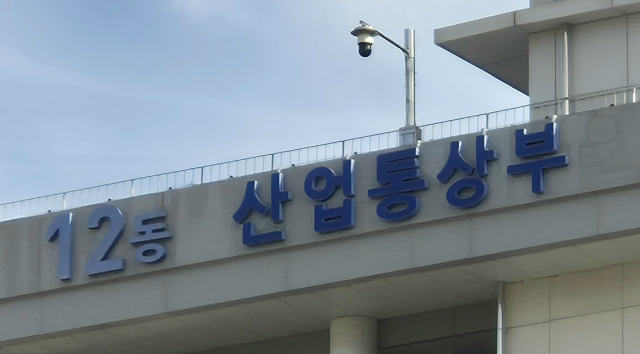
The National Institute of Technology and Standards under the Ministry of Trade, Industry and Energy announced on July 1 that it will provide tailored professional training courses for approximately 100,000 export firms across the country, focusing on practical skills for those responsible for technology regulation compliance.
Recently, major countries have intensified technology regulations under the pretext of product safety, environmental protection, digital management, and supply chain oversight. For export firms, failure to timely obtain local certifications and respond to regulations can lead to customs delays and export disruptions. This is particularly challenging for small and medium-sized enterprises that often lack dedicated personnel to navigate regulatory information and develop response strategies.
While technology regulations may not be visible barriers like tariffs, they can impose significant burdens on exporters. Changes in certification standards, testing procedures, labeling requirements, and environmental and safety regulations necessitate adjustments in product design, manufacturing processes, and documentation.
To improve accessibility to training for export firm employees, the National Institute will also offer online courses. Participants will learn about overseas certification processes, trends in technology regulations in key countries, government support programs, and case studies through the Overseas Certification Technology Regulation Information Portal and the Talent Development Platform. The online courses will be available year-round and are free of charge.
Starting this month, specialized training will focus on urgent areas for export firms, including high-risk artificial intelligence (AI) systems, battery product passports, and restrictions on chemicals in packaging materials. Additionally, separate training will be provided for startup founders to support their overseas expansion efforts, particularly in areas where they may lack experience in responding to technology regulations.
High-risk AI systems, battery product passports, and chemical restrictions in packaging are regulatory areas that export firms should pay close attention to. The demand for safety and transparency in AI products and services is increasing, while supply chain regulations are tightening for batteries, which require tracking of raw materials and production and recycling information. Similarly, packaging materials' recyclability and restrictions on harmful substances can directly impact export competitiveness.
Specialized training will be open to employees from export firms, public institutions, and industry associations. The AI course will begin on July 2, the battery course on August 27, the chemical course on September 30, and the startup course on November 5, all held near Seoul Station. Each course will accept up to 100 participants on a first-come, first-served basis, with all fees covered.
Companies that complete the training will receive additional points during the evaluation process for export voucher support. This initiative aims to link government support programs and training participation to enhance the actual export response capabilities of firms.
A senior course on Technical Barriers to Trade (TBT) will also be offered for executive-level managers. Starting in August, the National Institute will conduct this advanced course to help companies incorporate rapidly changing overseas technology regulations into their management strategies. The course will share insights on global regulatory changes and successful corporate responses, with awards from the Minister of Trade, Industry and Energy for teams that achieve outstanding results through team projects.
Addressing technology regulations goes beyond merely preparing certification documents. Changes in overseas regulations must be integrated from the product development stage, and management must incorporate regulatory risks into investment and supply chain strategies.
Kim Dae-ja, head of the National Institute, stated, "To effectively respond to global technology regulations, securing specialized personnel who can respond immediately is crucial. We will actively support export firms in acquiring the necessary response capabilities by enhancing our tailored training system based on the challenges and needs of the industry."
* This article has been translated by AI.
Copyright ⓒ Aju Press All rights reserved.