

Following the U.S.-Iran ceasefire memorandum of understanding (MOU), oil shipments through the Hormuz Strait have returned to levels seen before the conflict, according to U.S. Vice President JD Vance. However, the overall volume of vessel traffic remains significantly below pre-war levels, indicating a disparity in the recovery rates of oil transport and general cargo operations.
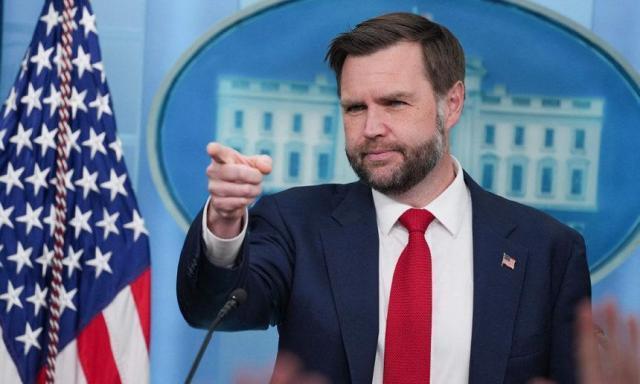
On June 30, Vance appeared on the "Michael Knowles Show" and stated, "The Hormuz Strait is open, and on some days, more oil is passing through the strait than before the war." He acknowledged that while some have pointed out a decrease in overall vessel traffic compared to pre-war levels, this observation primarily pertains to cargo ships. He emphasized that, at least for now, oil transit has reached pre-war peaks.
Despite this progress, traffic through the strait has not fully normalized. According to Lloyd's List data, 240 vessels passed through the Hormuz Strait last week. This figure is still limited compared to the pre-war average of 130 to 150 vessels per day for general cargo operations.
The differing recovery rates between oil tankers and general cargo vessels are believed to be the cause of this limitation. While oil tankers carrying crude and petroleum products have quickly returned to their routes, operators of container ships and bulk carriers are exercising caution due to concerns over the potential for renewed conflict.
The Hormuz Strait is a critical export route for major Gulf oil-producing countries, including Saudi Arabia, Iraq, Kuwait, the United Arab Emirates, and Qatar. Before the war, approximately 20 million barrels of oil and petroleum products passed through the strait daily, accounting for about 25% of global maritime oil trade.
The resumption of oil flows has also been influenced by the restart of Iranian energy exports. Under the ceasefire MOU, the U.S. has lifted sanctions on Iranian oil and removed port blockades, allowing Iran to re-enter the global energy market.
The reopening of the strait has contributed to stabilizing international oil prices. Prices, which soared to around $120 per barrel during the conflict, have since dropped to approximately $73 for Brent crude and about $70 for West Texas Intermediate (WTI).
Vance criticized hardliners within the Republican Party who oppose the ceasefire MOU and advocate for continued military action against Iran. He noted, "Hardliners are losing the political debate over global energy market instability. They keep suggesting we drop bombs, but they cannot explain what that would achieve."
He asserted that the Trump administration is maintaining options to pressure Iran while reducing burdens on the global economy. However, he added, "No one can be certain about what Iran will do next," acknowledging that uncertainty remains.
* This article has been translated by AI.
Copyright ⓒ Aju Press All rights reserved.