

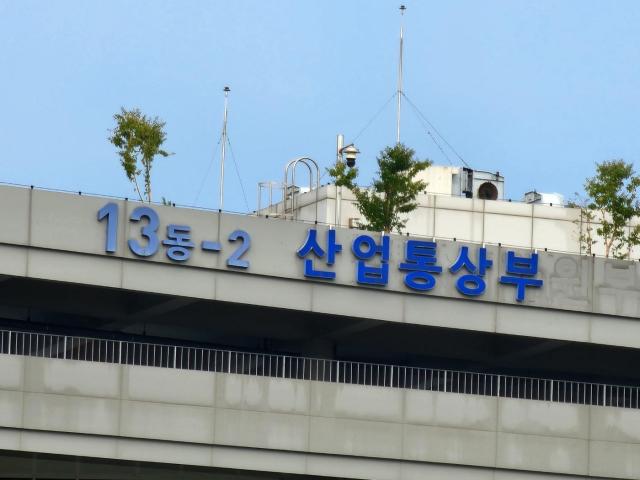
As demand for reconstruction in the Middle East rises following recent conflicts, the South Korean government is discussing strategies for domestic plant companies to capitalize on potential contract opportunities.
On July 2, the Ministry of Trade, Industry and Energy held the "2026 Plant Policy Forum" at the Glad Hotel in Yeouido, attended by representatives from the plant EPC industry, relevant agencies, and experts.
The forum was organized to assess the impact of recent geopolitical changes in the Middle East, particularly following the signing of a ceasefire MOU between the United States and Iran, on the plant market. Discussions focused on future market outlooks and strategies for South Korean companies.
Participants noted that the recent geopolitical uncertainties in the Middle East are affecting not only supply chains and logistics but also the entire plant industry. They examined risk factors and business opportunities while discussing ways to enhance contract competitiveness.
The Middle East is a crucial overseas market for South Korean plant companies. Increased instability, such as conflicts, can lead to logistics delays, rising costs, insurance burdens, and potential contract disputes. However, a stabilization of the situation could simultaneously expand demand for reconstruction and industrial infrastructure investments.
Particularly, the plant business involves long project durations, with complex interdependencies in equipment procurement, local construction, and financing. Changes in the geopolitical landscape can escalate from simple delays to increased costs and legal risks related to liability and force majeure clauses, making pre-contract assessments essential.
During the forum, Jang Ji-hyang, head of the Regional Research Center at the Asan Institute for Policy Studies, predicted that the roles of Israel and Gulf countries would expand in the future economic and security order of the Middle East. Kim Se-jin, from the law firm Sejong's Trade and Industry Policy Center, analyzed the impact of the Middle East conflicts on EPC projects, emphasizing the importance of contract management due to the various forms of geopolitical risks that may arise.
Lim Byeong-gu, director of the Flux Strategy Research Institute, presented on the outlook for the post-conflict Middle East plant EPC market. He stated, "The demand for reconstruction in the Middle East and investments in energy and infrastructure will continue to grow, and our companies need to actively participate in new projects based on their accumulated EPC capabilities."
Lee Han-gu, head of the Trade Negotiation Headquarters, remarked in his speech that while recent changes in the Middle East may increase short-term uncertainties, they could also create new business opportunities for companies in the medium to long term through expanded investments in the region. He assured that the government would actively support the competitiveness of South Korean companies in securing overseas plant contracts based on a Team Korea framework.
* This article has been translated by AI.
Copyright ⓒ Aju Press All rights reserved.