

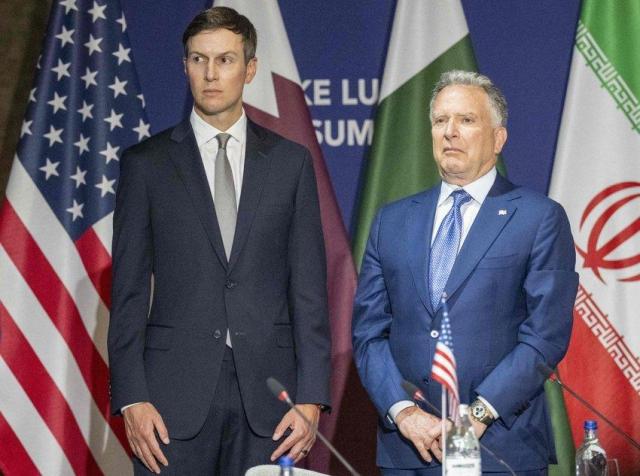
According to Reuters and AFP, the working-level delegations from the U.S. and Iran began their indirect discussions in Doha on the night of July 1. The process involved Iranian officials first discussing matters with Qatari and Pakistani authorities, who then relayed the information to the U.S. side.
An anonymous diplomatic source told AFP, "U.S. and Iranian officials started indirect working-level talks in Doha based on the progress made during the Lake Lucerne summit in Switzerland." An Iranian official also confirmed to Reuters that the discussions focused heavily on the issues of frozen Iranian assets and navigation in the Hormuz Strait.
Iran views the release of its frozen assets held in Qatar as a key provision of the MOU. In contrast, the U.S. prioritizes ensuring free navigation through the Hormuz Strait, a critical route for global oil transport. The conditions for asset release and management of the Strait have become the first test of the negotiations following the MOU.
Kazem Gharibabadi, Iran's Deputy Foreign Minister, led the Iranian delegation in Doha, where he met with Qatari Prime Minister Mohammed bin Abdulrahman Al Thani and discussed the mediation efforts. Jared Kushner, son-in-law of President Donald Trump, and Steve Witkoff, U.S. Special Envoy for the Middle East, discussed U.S.-Iran negotiations and the situation in Lebanon with Qatari officials but did not participate directly in the working-level talks.
Both sides have downplayed the possibility of direct meetings. Iranian Foreign Ministry spokesman Ismail Baghaei stated the day before, "We do not plan to have any level of talks with the U.S. in the coming days," describing the Doha contacts as discussions on MOU implementation with Qatar. Majid bin Mohammed Al Ansari, spokesman for the Qatari Foreign Ministry, also confirmed that no high-level meetings between the U.S. and Iran would take place.
While the Doha discussions have resumed, progress remains limited. Core issues such as the nuclear program, sanctions relief, and long-term monitoring systems have not yet been substantively addressed. U.S. Vice President JD Vance remarked on the nuclear issue, stating, "Clearly, we are concerned about the nuclear issue, and we will begin discussing that as well."
As the Doha talks are tied to the issues of the Hormuz Strait and asset release from the outset, the timeline for reaching a final agreement within 60 days appears challenging for both the U.S. and Iran.
* This article has been translated by AI.
Copyright ⓒ Aju Press All rights reserved.