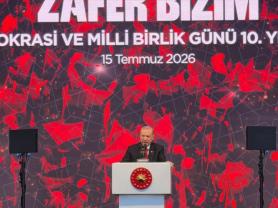
SEOUL, July 20 (AJP) - Ten years after a faction of the Turkish military tried to seize power on the night of July 15, 2016, the civilians who poured into the streets to stop it still carry the marks of that night, in bone, in memory, and in the quiet routines of family life.
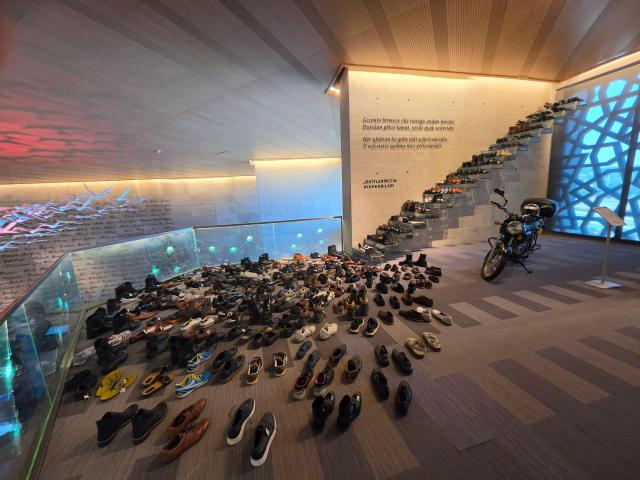
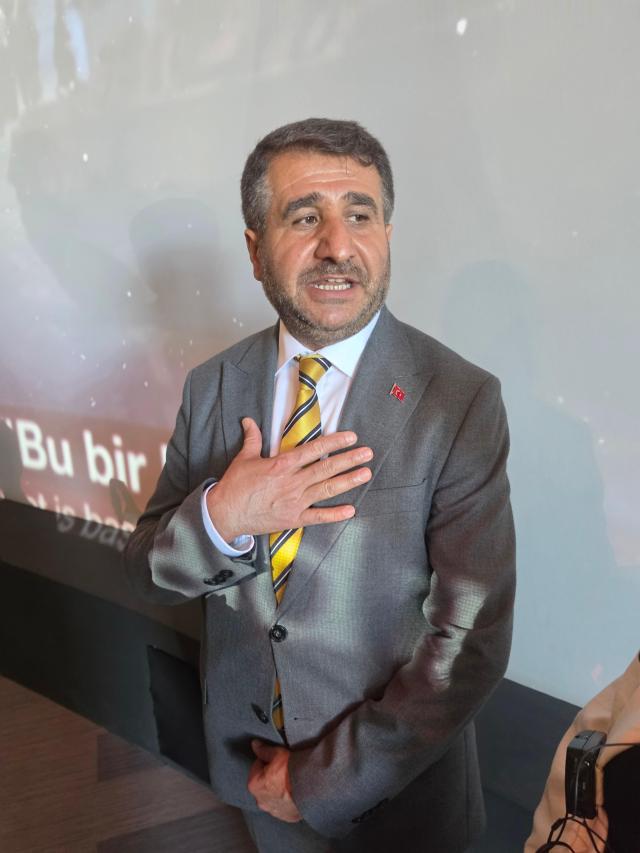
Mehmet Emin Ertaş, a 47-year-old businessman, is missing the metatarsal bone in his right foot, taken by a bullet as he ran toward soldiers firing on the crowd. Elvan Alkılıç, a 36-year-old housewife, spent the night at home with a three-month-old baby while her husband was shot through the arm and head on the Bosphorus bridge. Both spoke to Aju Press on July 17 at the July 15 memorial museum in Istanbul, days after Türkiye marked the 10th anniversary of the failed coup.
The attempt was the bloodiest in modern Turkish history. Rebel soldiers blocked the Bosphorus bridge, fighter jets bombed the parliament building in Ankara, and tanks rolled through Istanbul. President Recep Tayyip Erdoğan, reached by video call on live television, urged citizens into the streets. Thousands went. By morning the coup had collapsed, and the government counted 253 dead, most of them civilians. Their names were read aloud at this year's anniversary ceremony.
The Turkish government blames the coup on followers of Fethullah Gülen, a cleric who lived in self-imposed exile in the United States from 1999 until his death in Pennsylvania in October 2024. Ankara designates his movement a terrorist organization under the name FETÖ, short for Fethullahist Terrorist Organization, and has purged tens of thousands of suspected members from the military, judiciary, and civil service since 2016. Gülen denied any role in the coup until his death, and his followers reject the designation.
Ertaş was at home with his wife and three children when the shooting began. He does not describe hesitating.
"If I do not have a country, my life is not important either," he said. "We are a nation in love with freedom. As the Turkish nation, we either have our freedom, or we have no life."
What he saw on the street stays specific. A friend beside him was shot in the leg and fell. Another man was shot in the chest, and the crowd laid a Turkish flag on his back after he died. A third was killed by a shot through the left eye, and a fragment struck Ertaş in the face. He kept running, he said, reciting the Islamic declaration of faith, a flag draped over his own back, until a bullet found his foot about 15 meters from the soldiers' line.
"I don't have my right foot's metatarsal bone," he said. "But I have my Crescent and Star flag."
The wound made Ertaş a gazi, the Turkish honorific for one wounded in the service of the nation, a status the state extended to civilians hurt resisting the coup. It comes with a pension, healthcare, and public honor, and it carries deep historical weight; Mustafa Kemal Atatürk, the republic's founder, bore the same title. Its counterpart is şehit, or martyr, the one who dies.
"I wanted to be a martyr, but I was granted the status of a gazi," Ertaş said. "May God never show us those days again."
The title sits oddly on him, and he knows it. Ertaş never served in the military. He paid 30,000 liras under Türkiye's paid exemption system, which allows some men to skip conscription.
"I think I am the only one who did not go to the military but became a gazi," he said.
He refuses to call the men who fired on the crowd soldiers at all. "They were thieves who stole military uniforms," he said, using the word Mehmetçik, the affectionate Turkish term for the common soldier, to describe what the putschists were not. "When the state needs it, we are all Mehmetçik."
Asked about foreign criticism that Türkiye's punishment of the plotters has been too harsh, Ertaş did not soften. Turkish courts have handed down hundreds of life sentences in mass trials since 2016, and some Western governments and rights groups have said the crackdown swept up people with no connection to the coup.
"My personal conviction is that anyone who betrays their own country, wherever they are in the world, whoever they are, should be executed in the first degree," he said. Türkiye abolished the death penalty in 2004 as part of its bid to join the European Union, and no coup convict has faced execution.
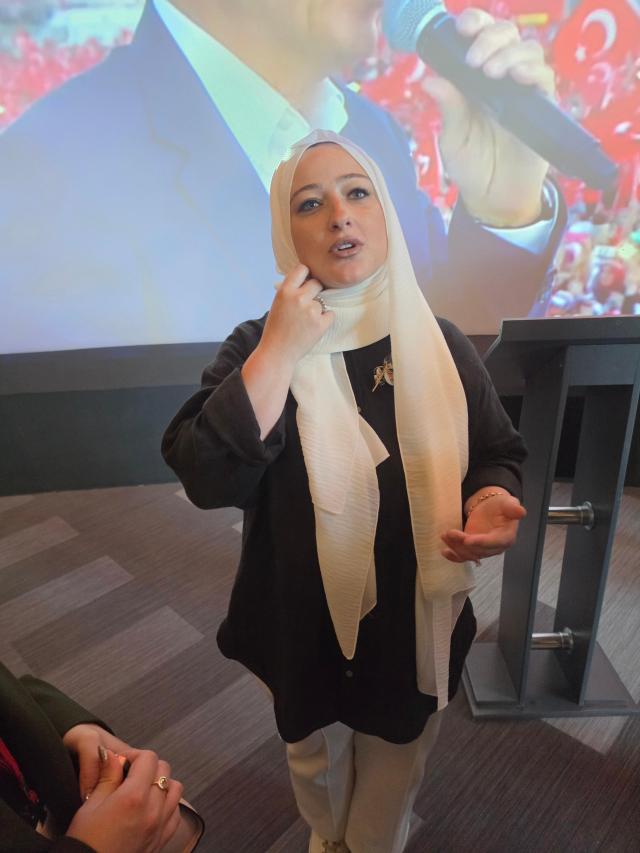
Alkılıç experienced the night from the other side of the door. Her husband Ahmet, an architect who stands 1.93 meters tall, left their Istanbul home after the first reports of tanks in the streets. Her own relatives were away at a summer house, leaving her alone with three children, the youngest three months old.
"I said, please don't go," she recalled. "He said, don't worry, I will come back. But my phone's battery is dead, don't be scared. I said okay, but I already had a bad feeling."
Ahmet reached the Bosphorus bridge, where rebel soldiers had opened fire on the gathering crowd. In the second volley, a bullet passed through his arm and his head as he dove for cover. Thirty-four civilians were killed on the bridge that night, according to the indictment later filed against the soldiers there. The bridge has since been renamed the July 15 Martyrs Bridge.
At home, Alkılıç knew none of this. When low-flying F-16s shook the house like an earthquake and her eldest son woke asking where his father was, she told him a small lie.
"I said, son, go back to sleep, your dad went to buy baby formula for your sibling," she said. "He went to sleep like that."
Ahmet survived, but the first five months were the hardest. The head wound took his speech.
"He could not speak. My husband was speaking like a baby," Alkılıç said. "It took one or two years of our lives."
He recovered and works again as an architect. The children are now 18, 14, and 10. What remains is physical memory: when fighter jets pass low near the airport, she said, her skin still prickles.
Asked whether she ever wished she had stopped him, she said the family has settled the question differently. If it happened again, she said, they would not split up.
"Now we all go out together," she said.
Copyright ⓒ Aju Press All rights reserved.