The company ran its own booth for a third straight year at World ADC San Diego 2026, which drew more than 400 companies and over 1,300 attendees from Oct. 12 to 15.
ADCs, often called guided missiles, attach a potent cancer-killing drug to an antibody that homes in on tumor cells, limiting damage to healthy tissue.
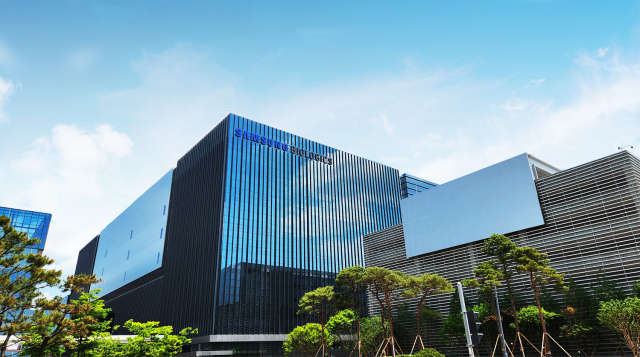
Samsung Biologics entered the ADC contract development and manufacturing market in March 2025 by opening a dedicated facility in Songdo, Incheon, west of Seoul.
It plans to add a line that turns ADCs into finished drug products by 2027, which would complete its end-to-end lineup.
Marc Studer, head of ADC and mRNA operations, set out the company's plans to scale up commercial ADC production in an Oct. 14 presentation.
Company researchers also showed posters on dual-target ADCs and on drug testing with organoids, miniature tumors grown from patients' cells.
"We showcased CDMO capabilities that can flexibly meet clients' increasingly diverse needs, from ADCs to bispecific antibodies and organoids," said Lee Sang-myung, vice president in charge of CDO development. He said the company would keep expanding into new drug types such as peptides.
AJP Takeaways
- Samsung Biologics promoted research-to-production ADC services at a single Songdo site at World ADC San Diego 2026, held Oct. 12 to 15.
- The company began running a dedicated ADC facility in Songdo in March 2025 and plans to add an ADC finished-drug-product line by 2027.
- Samsung Biologics said it will expand into new drug types such as peptides after antibodies, ADCs, bispecific antibodies and organoids.
Copyright ⓒ Aju Press All rights reserved.