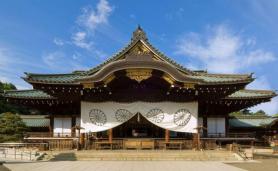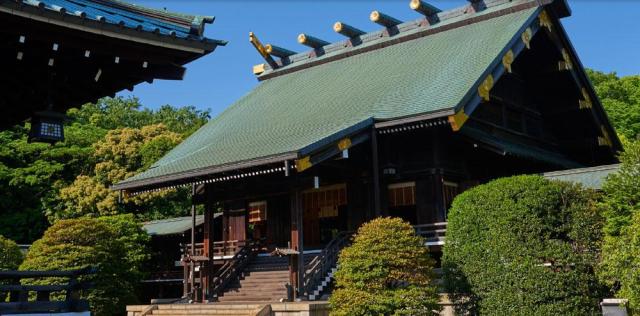
According to Kyodo News and other Japanese media, Takaichi sent a monetary offering, known as "tamagushi-ryo" on the final day of the controversial shrine's three-day autumn festival.
The move came despite South Korea's expression of regret over her earlier offering, known as "masakaki," which she sent in her own name rather than under her official title as prime minister.
She paid for the offering with her own money.
But Takaichi is again expected to refrain from visiting the shrine in person, as she did during its spring festival in April, when she made both a ritual offering and a monetary contribution.
Takaichi, who regularly visited the shrine before taking office in October last year, has continued to make ritual offerings during its spring and autumn festivals while refraining from visiting in person. On Aug. 15, the anniversary of Japan's surrender in World War II, she privately paid for an offering and bowed toward the shrine from a distance instead of visiting the site.
The shrine honors Japan's war dead including war criminals convicted by an Allied tribunal after World War II. It has long been a source of diplomatic friction with neighboring countries including South Korea and China, which view it as a symbol of Japan's wartime aggression.
The Foreign Ministry here expressed deep disappointment last Saturday over Takaichi's offering, urging Japanese leaders to face their country's history with humility and sincere remorse in order to build a foundation for future-oriented relations between Seoul and Tokyo.
Meanwhile, several Japanese lawmakers and other political figures visited the shrine during the festival, while others are scheduled to pay their respects later in the day.
Copyright ⓒ Aju Press All rights reserved.