

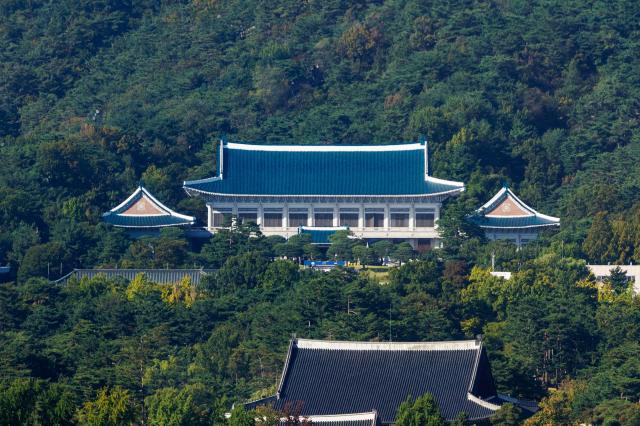
"We will continue taking necessary measures based on clear principles regarding the DMZ mine explosion," Wi Sung-lac, South Korea's national security adviser, said at a presidential office briefing.
Wi referred to the September 21 explosion that injured three South Korean soldiers, two seriously, while they were conducting operations south of the Military Demarcation Line (MDL).
A joint investigation by the South Korean military and United Nations Command concluded that North Korean mines caused the explosion in violation of the 1953 Armistice Agreement.
Wi said Seoul had demanded an apology and responsible measures from Pyongyang, destroyed North Korean mines near the blast site and submitted a letter to the United Nations Security Council.
He added that the military continued to respond firmly to North Korean troops crossing the MDL under established operational guidelines and had demonstrated its readiness through hypersonic missile testing.
Wi said Seoul had repeatedly proposed inter-Korean military talks to resolve disagreements over the location of the MDL, which he identified as a key source of border tensions.
"We will focus our efforts on creating peace that eliminates the need for fighting," Wi said, reaffirming the government's policy of peaceful coexistence.
A senior presidential official said North Korea may have conducted test broadcasts and could resume loudspeaker operations by the end of October, although the reported tests remain unconfirmed. Seoul was considering possible responses.
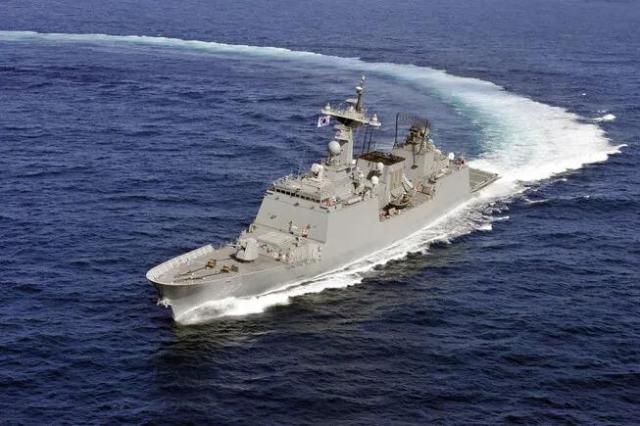
"We are considering measures to strengthen and expand the Cheonghae Unit's activities, but the review has not yet been completed," Wi said.
He stressed that Seoul would maintain President Lee Jae Myung's policy of avoiding involvement in the ongoing war while contributing to maritime security and protecting South Korean commercial vessels and oil transportation routes.
A senior presidential official said expanding the unit's operational area would require parliamentary approval, adding that the government was examining options to address concerns about possible involvement in combat.
Wi also addressed the transfer of wartime operational control (OPCON) from Washington to Seoul, saying U.S. Secretary of War Pete Hegseth reaffirmed Washington's commitment during a bilateral defense meeting Wednesday.
The two defense ministers agreed to hold further talks in Washington in December, ahead of the annual Security Consultative Meeting (SCM), which has been postponed to early 2027.
On Ukraine, Wi addressed a diplomatic dispute over the transfer of two North Korean soldiers captured while fighting for Russia. The soldiers arrived in South Korea in September, but Ukrainian President Volodymyr Zelenskyy publicly disclosed their transfer during his U.N. General Assembly speech on Sept. 23.
South Korea recalled its ambassador to Ukraine and withdrew some embassy personnel amid the dispute, while Ukraine has denied violating the agreement.
Wi emphasized that the diplomatic disagreement would not change Seoul's broader policy of supporting international efforts to assist Ukraine or maintaining sanctions and export controls against Russia.

Copyright ⓒ Aju Press All rights reserved.
