SEOUL, November 11 (AJP) - For Kim Sun-mi, a familiar red box of Pepero brings back memories. For Pranaya Sathe, a box featuring Stray Kids member Felix offers a reason to try the chocolate-coated biscuit sticks for the first time.
Between those two purchases lies the changing appeal of Pepero Day,
South Korea’s annual snack-giving occasion that is finding fresh customers through K-pop, cartoon characters and collectible packaging.
Kim, a 34-year-old office worker in Seoul’s Gwanghwamun district, was buying original Pepero for her colleagues Wednesday. An almond variety was reserved for her manager.
“I don’t think buying Pepero is really about giving it to someone you love anymore,” she told AJP. “It’s more about remembering the past and having something you haven’t eaten in a while.”
Sathe, a 20-year-old visitor from Britain, needed no such history with the snack. Spotting Felix on a package at a convenience store was enough.
“I love Stray Kids, and I didn’t even know these existed,” Sathe said. “I haven’t tried Pepero before, but having the members on the boxes makes them so much more appealing.”
The biscuits inside may be familiar. The reasons for buying them are multiplying.
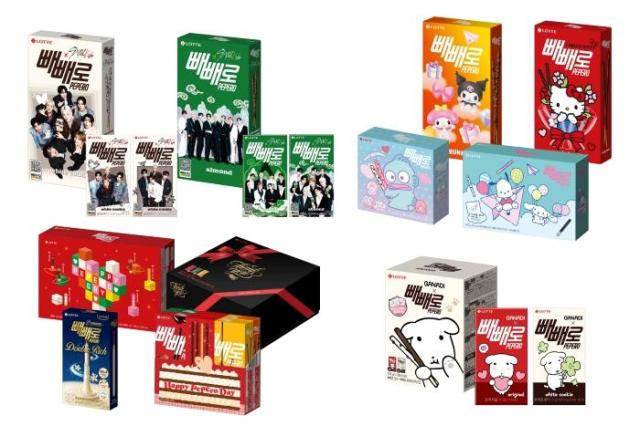
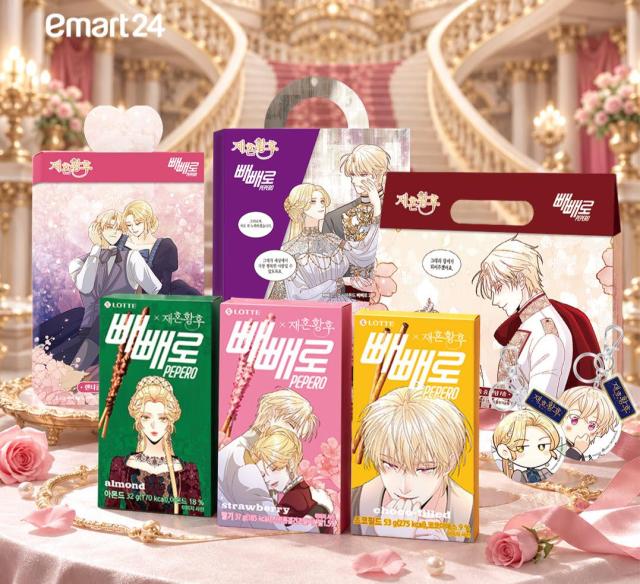
Celebrated on Nov. 11, a date whose four upright digits resemble the slender snacks, Pepero Day has grown from a modest exchange among friends into a major retail event. This year’s offerings include collaborations with Stray Kids, Sanrio Characters and the Korean cartoon character Ganadi, with stickers, keyrings and other extras competing for shoppers’ attention.
For manufacturer Lotte Wellfood, the expanding audience is showing up most clearly overseas.
Domestic Pepero revenue rose from 148 billion won in 2023 to 156 billion won in 2025, a gain of 5.4 percent, according to figures provided to AJP. Overseas revenue climbed 61.1 percent over the same period, from 54 billion won to 87 billion won.
Combined revenue reached 243 billion won last year, up 20.3 percent from 2023.
“Domestically, Pepero sales are growing at a relatively modest pace, but exports are expanding much faster,” said Choi Seung-hoon, a Lotte Wellfood official.
The company expects annual export revenue to exceed 100 billion won for the first time this year.
Much of the novelty, however, is on the outside.
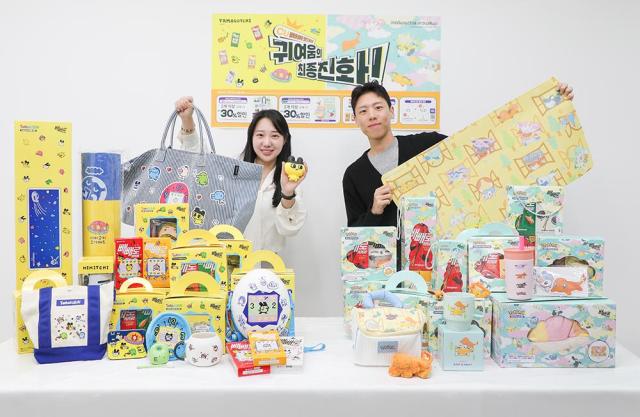
“Most limited-edition and collaborative products are essentially existing Pepero varieties with different packaging,” Choi told AJP on Wednesday.
“It’s not necessarily that limited editions sell better than regular products,” he said. “Convenience stores and other retailers are introducing character and celebrity collaborations to differentiate their products and attract consumers during the season.”
Individual retailers often license characters or celebrities for exclusive seasonal packages, while Lotte Wellfood manufactures the products, Choi explained.
The dependable sellers remain the regular varieties. Almond Pepero ranks first in both domestic and overseas markets, followed by the original chocolate flavor.
Kim was well aware that a new box did not necessarily mean a new biscuit. Although she found the character packages attractive, they offered little incentive to switch from her usual choices.
For American visitor Shala Chaparro, the packaging was part of the point.
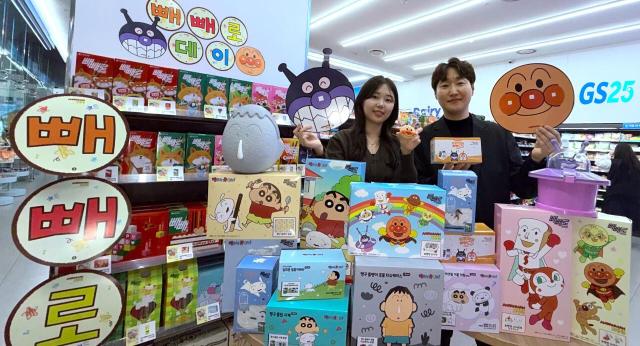
The 28-year-old, already familiar with Japan’s Pocky biscuit sticks, was drawn to Pepero featuring Ganadi, a cartoon character resembling a small dog.
“In the U.S., even when snack brands collaborate with other brands or characters, the packaging is usually much plainer,” Chaparro said. “If there were other versions of this character or ones with merchandise inside, I’d probably buy more.”
A snack can be eaten in minutes. A favorite character or pop star gives the box a longer claim on its buyer’s attention.
That appeal is helping Lotte Wellfood sell an occasion as well as a product.
The company traces Pepero Day to the mid-1990s, when schoolgirls in southeastern South Korea reportedly began exchanging the stick-shaped biscuits as a symbol of friendship. It now presents the day as a Korean gift-giving tradition that consumers abroad can adopt.
At home, the seasonal ritual still carries considerable commercial weight.
Roughly half of Lotte Wellfood’s annual domestic Pepero shipment volume goes to retailers between early September and mid-November as they prepare for the occasion, the company said.
That concentration helps explain why the overseas business can look especially dominant earlier in the year. In the first half of 2026, overseas sales reached 53 billion won, exceeding domestic sales of 38.5 billion won. The comparison comes before Korea’s biggest Pepero selling season.
The figures do not show whether Koreans are exchanging fewer boxes as gifts. They do show that Pepero Day remains central to the domestic business, even as purchases increasingly serve purposes beyond a simple declaration of affection.
Overseas, the company has more room to grow.
Pepero is exported to more than 50 countries. Southeast Asia accounts for about 30 percent of export revenue, followed by North America and East Asia at approximately 20 percent each. The Middle East contributes around 10 percent.
North American revenue rose about 36 percent in 2025 from the previous year.
Lotte Wellfood is backing that expansion with campaigns designed to make Nov. 11 recognizable well beyond Korea.
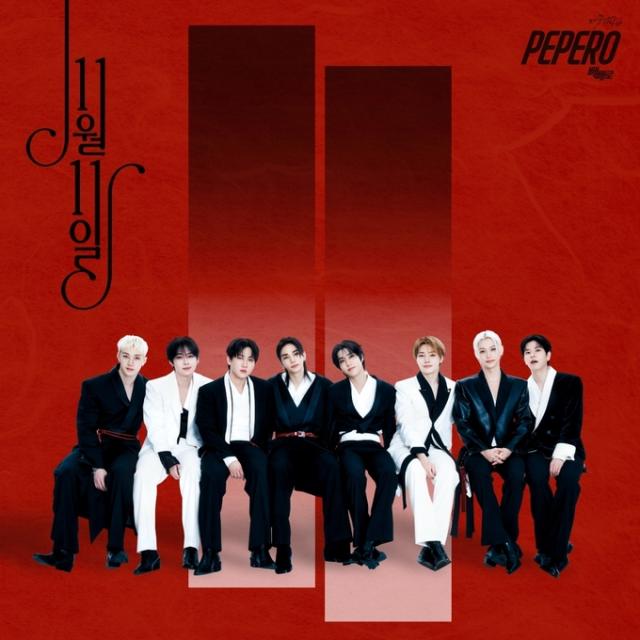
This year, it collaborated with Stray Kids on a digital single titled “November 11” and ran large outdoor advertisements in New York’s Times Square and Los Angeles.
Other promotions have included a pop-up store and university sampling events in Hanoi, a photo booth in Almaty and retail campaigns at Kuala Lumpur’s international airport.
In Korea, foreign visitors are becoming an audience in their own right. Traveling pop-ups in Myeongdong, Seongsu and Gwanghwamun, alongside customized packaging stations at major shopping destinations, invite tourists to make Pepero part of their trip.
Special editions draw on Korean visual traditions, including dancheong — the colorful decorative patterns found on traditional wooden buildings — and royal court imagery.
The hope is that visitors will take home both the biscuits and the habit of giving them away.
For longtime Korean buyers, Pepero Day can still be a small annual reunion with a childhood snack. For newcomers, it may begin with a cartoon dog, a collectible keyring or a photograph of Felix.
The route to the biscuit has changed. The almond variety, apparently, still knows how to hold its own.

Copyright ⓒ Aju Press All rights reserved.