Consumer prices rose 2.8 percent from a year earlier, down 0.1 percentage point from 2.9 percent in September and 0.3 percentage point from 3.1 percent in August, according to the Ministry of Data and Statistics. The index rose 0.2 percent from the previous month.
Underlying inflation showed little further easing. Core inflation excluding food and energy remained at 2.8 percent, unchanged from September, while a separate measure excluding agricultural and petroleum products edged up to 2.8 percent from 2.7 percent.
Industrial product prices climbed 4.4 percent from a year earlier, including a 14.9 percent increase in petroleum products. Services rose 2.7 percent, with personal services gaining 3.3 percent and non-dining personal services up 3.6 percent.
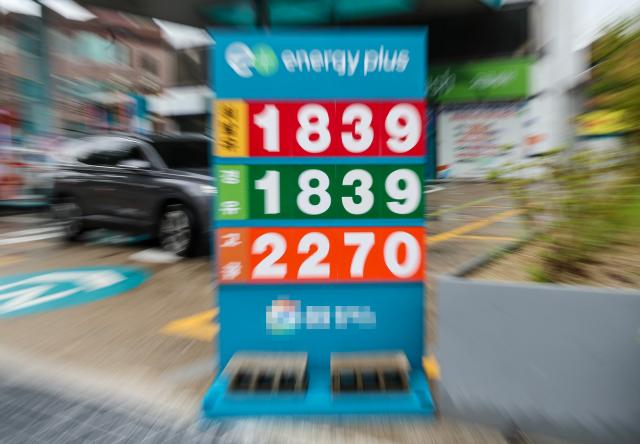
The pressure was visible in everyday expenses. Diesel prices jumped 19.7 percent and gasoline rose 11.6 percent from a year earlier, while dining-out prices increased 2.9 percent.
Agricultural prices, by contrast, fell 7.5 percent, helping hold down headline inflation. Fresh food prices dropped 6.2 percent, with fresh vegetables down 11.3 percent and fresh fruit falling 8.6 percent.
The living-cost index, which tracks frequently purchased goods and services, rose 2.6 percent from a year earlier. Food prices increased 1.5 percent, while nonfood prices gained 3.2 percent. Transport costs rose 6.8 percent and restaurant and accommodation prices increased 3.0 percent.
The persistent price pressure comes as household consumption has yet to show a broad recovery. Private consumption fell 0.2 percent in the third quarter as spending on both goods and services declined, although retail sales rebounded 3.6 percent in September.
The Bank of Korea (BOK) has said accumulated cost pressures and gradually strengthening demand-side pressures are likely to keep inflation above its 2 percent target for some time.

Copyright ⓒ Aju Press All rights reserved.