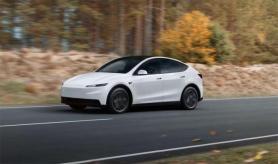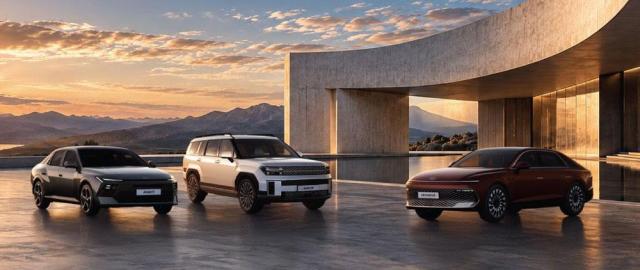
SEOUL, November 2 (AJP) - Hyundai Motor saw its sales decline last month while its affiliate Kia posted strong growth, largely driven by robust demand for sport utility vehicles (SUVs).
According to sales figures released on Monday, the automaker sold some 329,773 vehicles worldwide in October, down 6.3 percent from a year earlier. Its domestic sales fell 8.9 percent to 49,042 units, while overseas sales dropped 5.9 percent to 280,731 units.
In contrast, Kia sold 291,219 vehicles, up 10.3 percent from a year earlier, with domestic sales jumping 27.5 percent to 51,007 units and overseas sales rising 7.2 percent to 239,308 units.
The contrasting results came despite strong growth in sales of eco-friendly vehicles at both automakers. Hyundai sold 6,779 electric vehicles, up 48.9 percent from a year earlier, while Kia's EV sales surged 86.5 percent to 13,169 units. Hybrid sales also increased, rising 3.9 percent to 15,207 units at Hyundai and 70.7 percent to 18,539 units at Kia.
The main reason was weak domestic demand for Hyundai's SUVs. Their sales fell 21.7 percent, with Tucson down 59.3 percent and Santa Fe down 49.2 percent. Part of the decline was also attributed to the launch of a fully-revamped Tucson last month, as deliveries of the new model have yet to pick up. Sales of Hyundai's luxury Genesis models also fell 34.4 percent to 5,942 vehicles.
Kia, on the other hand, saw its recreational vehicle (RV) sales jump 43.7 percent. Sportage sales soared 90.1 percent to 7,708 units, while Seltos sales rose 43.1 percent to 4,816 units. The Sportage even outsold Hyundai's best-selling Grandeur sedan, which sold 6,989 units.
Deliveries of Hyundai's new Tucson would be a key factor in determining whether the automaker can recover its domestic sales toward the end of this year.
Copyright ⓒ Aju Press All rights reserved.