

Journalist

Dorian Rhea Debussy
-
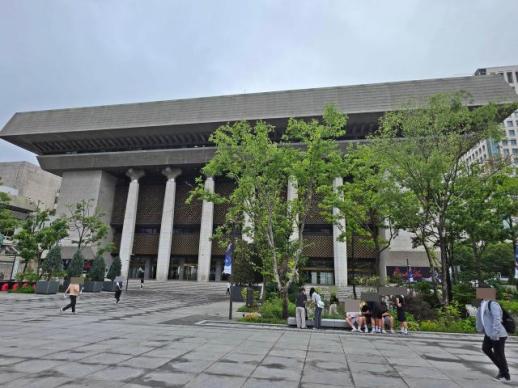 Exploring the Heart of Korean Performing Arts at Sejong Center Gwanghwamun, a historical center of South Korea that has evolved from the Joseon Dynasty through the Japanese occupation to modern times, is home to the Sejong Center for the Performing Arts, often referred to as the "heart of the arts." Despite its proximity, the inner workings of this cultural landmark have remained largely hidden from the public eye. On May 28, visitors embarked on a "Backstage Tour" of this monumental building, revealing the dedication and history behind the scenes that contribute to its vibrant performances. As former announcer Yoo Jeong-ah guided the group, the moment they stepped through the closed doors, the hidden aspects of the stage, usually obscured by dazzling lights and applause, came into full view. This secret space, typically off-limits to the general public, evoked a mix of excitement and nostalgia as attendees adjusted to their surroundings. This program, organized by the Seoul Tourism Foundation in collaboration with the Sejong Center, offered a unique opportunity to explore both the birthplace of performing arts and the historical significance of the venue. It was not merely a tour of a landmark but a genuine journey into the city's cultural depths. ◆ From Ashes to a Cultural Hub: The Grandeur of 1978 The Sejong Center now stands where the Seoul Citizens' Hall, a prominent performance venue completed in 1961, once existed. After a devastating fire in December 1972, Seoul lacked a proper venue, forcing the Berlin Philharmonic Orchestra to perform at Ewha Womans University the following year. The conductor, Claudio Abbado, expressed dissatisfaction with the facilities, vowing never to return, highlighting the urgent need for a comprehensive performance hall. Construction began in 1974, and the Sejong Center officially opened in April 1978. Built with an impressive capacity of over 3,800 seats, it was designed with an awareness of the North Korean Mansudae Art Theater amid the division of the Korean Peninsula. After renovations in 2004, the seating was adjusted to 3,022. Herbert von Karajan, the renowned conductor who led the Berlin Philharmonic in 1984, praised it as a "wonderful hall." The architect, the late Um Deok-mun, envisioned the Sejong Center as "Seoul's living room," integrating traditional Korean architectural elements like the main house and annex with modern design. For instance, the Grand Theater serves as the main house, while the Chamber Hall and M Theater represent the annex. President Park Chung-hee requested a tiled roof design, but Um insisted on preserving tradition through the curves of the corridors and eaves without tiles, ultimately completing the building as it stands today. The most significant legacy of this space is the grand pipe organ that fills the left wall of the Grand Theater. Custom-built by Karl Schuke in Germany, its installation and tuning took 13 months, involving 4,000 personnel, including 1,400 German technicians. The organ features 8,098 pipes, six keyboards, stands 11 meters tall, 7 meters wide, and weighs 45 tons, valued at approximately 6 billion won today. Its design reflects the shape of a geomungo and the curves of traditional tiled roofs, incorporating sounds reminiscent of Buddhist bells, solidifying its status as a symbol of the venue. ◆ The Aesthetics of One Inch Behind the Stage and the Boundary-Breaking S Theater While the sound reflectors are usually lowered, a vast auxiliary space lies hidden behind the stage. Moving to the "Stage Right," the backstage area was bustling with activity as staff prepared for a rehearsal of the musical "Beethoven," resembling a massive organism in motion. The 17-meter rotating stage takes 27 seconds to turn 90 degrees and 55 seconds for a 180-degree rotation. A lifting platform allows the lead actor to rise and descend from the floor, while 43 suspension rods hang from the ceiling, leading to 11 dressing rooms below, hinting at the countless hours of effort that go into creating a spectacular performance. Exiting the Grand Theater leads to the S Theater, a flexible black box theater with around 300 seats that opened in 2018. This space boldly removes the boundaries between the audience and the stage, providing an immersive experience. When all the seats are pushed back, it transforms into a flat stage. A guide shared a humorous anecdote about an audience member who dozed off on a cushioned seat, only to wake up startled by an actor standing right in front of them, showcasing the freedom of this space. ◆ The Memorial Garden 'Garden of Gratitude' and the Future of Arts Tourism The journey through the arts naturally led to Gwanghwamun Square, where the newly opened "Garden of Gratitude" serves as a memorial space honoring the countries that participated in the Korean War. Similar to the Vietnam Veterans Memorial in Washington, D.C., or the National Memorial Arboretum in the UK, this open public space is designed to connect with the daily lives of citizens. It symbolizes South Korea's commitment to remembering its painful history and honoring the sacrifices of allied nations in the heart of Gwanghwamun. In the garden, 23 sculptures stand silently, symbolizing the height of 6.25 meters, representing the date of the Korean War's outbreak on June 25. The number 23 signifies the noble dedication of the allied forces (the Korean military and 22 participating nations) who shed blood to protect this land. Notably, some sculptures are made from stones donated by the participating countries, enhancing the space's significance. Each evening, a laser show titled "Light of Gratitude 23" illuminates the sky from the 23 sculptures, creating a breathtaking display that connects the sacrifices of the past to the peaceful nightscape of today. The tour then led underground to the immersive media exhibition space "Freedom Hall," which poignantly reflects the painful memories of war and the remarkable growth of South Korea from the ashes through media art, leaving a profound impact on visitors. Ki Gi-yeon, head of the Seoul Tourism Foundation, noted, "With the addition of the Garden of Gratitude and the underground media art, a new combination of attractions has been created in Gwanghwamun Square, traditionally guarded by the statues of Admiral Yi Sun-sin and King Sejong the Great." He emphasized that just as South Koreans feel a sense of pride when they encounter the national flag abroad, foreign tourists will also experience a deep emotional connection when they discover their flags in this land of freedom preserved by their ancestors. A representative from the Sejong Center mentioned that over 60 foreign tourists have already visited after seeing reports in international media. The cost of 30,000 won and the 70-minute experience are deemed worthwhile as they immerse visitors in the 600-year history of Gwanghwamun, the philosophy of architect Um Deok-mun, and the heart of the arts. Currently, the tour is exclusively for foreign visitors, but the foundation plans to open it to locals in the future, depending on demand. The day will soon come when locals can also explore this familiar yet unfamiliar world behind the stage that they pass by every day, and it is a journey worth waiting for.* This article has been translated by AI. 2026-06-03 06:03:00
 -
 Insurance Payouts Rise Amid Ongoing Debate Over '8-Week Rule' Discussions surrounding the so-called '8-week rule' for managing treatment periods for minor injury patients have been ongoing for some time. The issue of over-treatment in auto insurance has also emerged as a significant social concern. Stakeholders, including the government, insurance companies, and the medical community, have acknowledged the need for improvements to the current system. There has been a consistent awareness that the financial burden on auto insurance is increasing due to prolonged treatments following minor accidents. However, the '8-week rule' has yet to be formalized. As the process of reconciling differing opinions among stakeholders drags on, the loss ratio in auto insurance continues to rise, and payouts are steadily increasing. While the concerns are repeatedly voiced, progress on reform remains stagnant. As of April this year, the cumulative loss ratio for auto insurance among five major property and casualty insurers reached 85.8%, a 2.5 percentage point increase compared to the same period last year. Despite raising premiums for the first time in five years at the beginning of the year, the trend of worsening loss ratios has not abated. Last year, the total losses from auto insurance across all insurers amounted to 708 billion won. Auto insurance is a mandatory product, making it nearly a public good since vehicle owners cannot avoid enrollment. Therefore, the issue of payout leakage does not solely affect individual insurers' profits. The worsening loss ratio ultimately leads to increased premiums, which are distributed among all policyholders. Given that approximately 85% of auto insurance policyholders were accident-free drivers last year, it means that the majority of responsible drivers are shouldering the increased costs. Some have pointed out that traditional Korean medicine is at the center of the over-treatment controversy. In particular, the focus on treating minor injury patients with traditional medicine has sparked debates over rising costs. In fact, traditional treatments for traffic accident victims have rapidly gained market share in the auto insurance sector. Last year, payouts for traditional medicine amounted to 1.6972 trillion won, accounting for 60.4% of total medical expenses. The average treatment cost per minor injury patient also exceeded 1 million won, nearly three times that of Western medicine, which averaged 355,000 won. Advertisements for some traditional medicine hospitals and clinics prominently feature phrases like 'traffic accident,' 'auto insurance coverage,' and 'no out-of-pocket expenses.' Some medical institutions attract patients by emphasizing their management of the entire process from accident reporting to treatment and settlement. While this can be seen as guidance for patients in need of treatment, it also raises concerns that traffic accident care is being perceived as a type of 'insurance benefit.' Unlike general health insurance, auto insurance treatments involve minimal out-of-pocket expenses for patients, leading to a perception of low costs associated with treatment frequency. This has contributed to a structure where long-term treatment follows even minor accidents. Ultimately, the essence of the controversy is not about traditional medicine itself, but rather whether the current structure, which makes it difficult to feel the financial burden, is incentivizing over-treatment. The traditional medicine community has expressed the strongest concerns regarding the implementation of the '8-week rule.' The Korean Medicine Association opposes the rule, arguing that if the 8-week limit is enforced, the treatment costs that auto insurance would cover may shift to health insurance. The '8-week rule' does not propose a blanket cessation of treatment after eight weeks. Instead, it aims to ensure that any treatment exceeding eight weeks undergoes additional review to confirm its necessity. Nevertheless, discussions about implementing this rule have been stagnant for years. The Ministry of Land, Infrastructure and Transport, which oversees the Automobile Damage Compensation Act, maintains that it must reconcile the concerns and objections of stakeholders. However, the longer the negotiations take, the more delayed the reforms become, and the greater the financial burden will be. While the Ministry continues to take a cautious approach, policies should not end at the review stage. They must lead to conclusions that balance interests and minimize social costs. As decisions are postponed due to conflicts, payouts continue, and the loss ratio rises. Ultimately, the public bears the burden of these costs.* This article has been translated by AI. 2026-06-03 06:03:00
 -
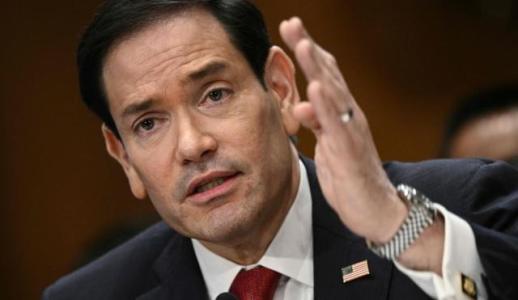 U.S. Secretary of State: Iran's Nuclear Program More Serious than North Korea U.S. Secretary of State Marco Rubio announced on June 2 that Iran has agreed to negotiate aspects of its nuclear program. During a Senate Foreign Relations Committee hearing, Rubio stated that this marks the first time he can recall Iran engaging in discussions about its nuclear program, noting that just a month or a year ago, they had refused to even mention it. Rubio emphasized that Iran had previously not only avoided discussions but had outright rejected them, highlighting that U.S. military actions against Iran have led to this shift in dialogue. He expressed optimism about the potential for successful negotiations, stating, "We have a chance of success. It could happen today, tomorrow, or next week." Rubio warned that if Iran acquires nuclear weapons, they would likely use them, citing the country's theocratic decision-making system as a factor that could lead to nuclear use. He pointed out that possessing nuclear weapons would effectively grant Iran impunity, severely limiting the options available to counteract them and allowing them to hold the world hostage. He assessed that if the U.S. and Israel do not take preemptive action, Iran is likely to possess nuclear weapons soon, which he described as making Iran a more serious threat than North Korea, primarily due to its greater financial resources.* This article has been translated by AI. 2026-06-03 06:03:00
 -
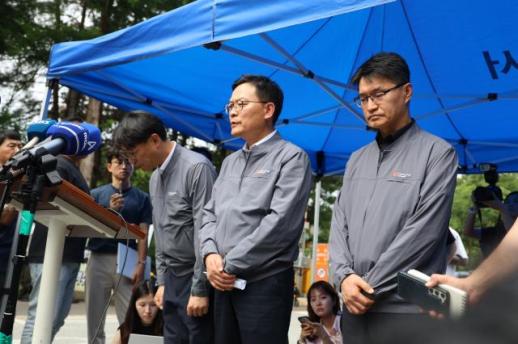 Hanwha Aerospace Faces Scrutiny Under Serious Accident Punishment Act Hanwha Aerospace's Daejeon facility is under scrutiny to determine if it will be the first in the defense industry to be subject to the Serious Accident Punishment Act. While many experts believe that applying the law, which holds management accountable for safety violations leading to fatalities, is unlikely due to the nature of the defense sector, there are calls for strict penalties given that the facility has recorded 13 fatalities from major accidents over the past decade. Despite a significant increase in performance during the ongoing defense supercycle, safety-related investments at Hanwha Aerospace have reportedly accounted for only 0.03% of total revenue. On June 2, the Daejeon Police Agency, the National Forensic Service, the Ministry of Employment and Labor, and the Korea Occupational Safety and Health Agency began a joint investigation into the cause of the explosion that occurred at Hanwha's Daejeon facility. This facility is crucial for developing missile propulsion systems and tactical guided weapons, including the multiple launch rocket system Cheonmu and the long-range surface-to-air missile L-SAM. Hanwha stated that the explosion occurred during a cleaning process involving tools contaminated with gunpowder. Under the Serious Accident Punishment Act, if a workplace safety violation results in a fatality, management can face penalties. Business owners or responsible executives can be sentenced to over a year in prison or fined up to 1 billion won, while corporations can be fined up to 5 billion won. The recent incident, which resulted in five deaths during a safety-related cleaning process, presents a challenging situation for the company. Hanwha Aerospace has previously experienced explosion incidents in 2018 (five fatalities) and 2019 (three fatalities). The key issue is whether the company fulfilled its safety management obligations. Currently, investigations are underway regarding the allocation of safety management personnel, budget planning, execution, and procedures. If it is proven that safety incidents occurred due to pressure to increase production amid rising export volumes, the top management could face serious repercussions. Hanwha Aerospace operates under a dual leadership structure, with Vice Chairman Kim Dong-kwan, the son of Chairman Kim Seung-yeon, overseeing business strategy, while CEO Son Jae-il manages operations. According to Hanwha Aerospace's 2025 Sustainability Management Report, the safety and health investment budget for 2024 was 3.5 billion won, representing only 0.03% of total revenue (11.24 trillion won). This marks a 51.4% decrease from the 7.2 billion won allocated for safety in 2023, raising concerns about a possible safety complacency. A company representative stated, "Safety and health investments are only recorded under 'safety,' and the actual expenditure includes various items such as explosion-proof facilities, automation of hazardous processes, and replacement of aging equipment, so the total is much higher. The Daejeon facility is in the process of implementing measures to minimize accidents through automation and the unmanned operation of hazardous processes." Meanwhile, CEO Son Jae-il emphasized in a message to employees that the management team will take this incident as a painful lesson to create a safer working environment and strengthen the organization.* This article has been translated by AI. 2026-06-03 05:03:00
 -
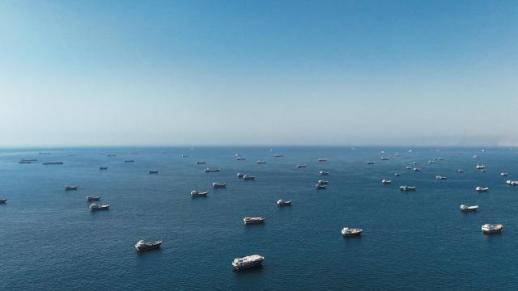 Oman Faces Pressure from U.S. Amid Iran Tensions Oman, a small Gulf nation that has maintained a neutral position for decades while mediating conflicts between the U.S. and Iran, is now facing extensive pressure from the United States. The U.S. is essentially demanding that Oman choose a side, with President Donald Trump even stating that Oman should be "blown out" if it does not comply. Oman and the U.S. have a relationship that dates back nearly 200 years. The U.S. Department of State records that the two countries mutually recognized each other in 1833, and the first U.S. consulate was established in Muscat, Oman, in 1880. Fox News recently reported that Oman has maintained close security ties with the U.S. while also fostering relations with Iran, positioning itself as a key mediator in the region. Oman has played a role in mediating U.S.-Iran nuclear negotiations and has been involved in talks with the Houthi rebels in Yemen, who are backed by Iran. As the U.S.-Israel conflict with Iran escalates, Omani officials have rushed to activate informal channels with Iran, according to a report by The Wall Street Journal on June 1. The newspaper noted that Oman's steadfast neutrality has been beneficial in reopening Gulf shipping routes during the ceasefire process following the conflict. However, Oman's neutral stance is beginning to backfire. The Wall Street Journal indicated that the U.S. is increasingly viewing Oman's policy toward Iran as hostile and is pressuring Oman to sever its ties with Iran. Recent announcements from the Iranian government about jointly managing shipping fees in the Hormuz Strait with Oman have fueled these suspicions. Following this, President Trump warned in a press conference that "Oman must act like every other country, or it will be blown away." The Omani government has repeatedly denied any involvement in Iran's plans. In response to the growing U.S. pressure to choose sides, Oman's Ministry of Information declined to comment. Minister Abdullah Al-Harasi provided a general statement, saying, "Oman is prepared to cooperate with responsible partners, including the U.S., to enhance stability, prevent chaos, and protect shared strategic interests." The Wall Street Journal observed that Oman has been balancing its long-standing alliance with the U.S. and its strong neighbor Iran to maintain peace, but it is losing its standing as a viable partner with both sides. Omani officials are reportedly shocked by the sudden hostile attitude from the U.S. For Oman, abandoning its neutral stance is not an easy option. Aligning with the U.S. could expose it to missile or drone attacks from Iran, similar to those faced by the United Arab Emirates and Qatar. U.S. Treasury Secretary Scott Bancen warned last month that sanctions would be imposed if Oman participated in Iran's collection of shipping fees in the Hormuz Strait. On June 1, as Iran announced a halt to negotiations with the U.S. citing Israel's attacks in Lebanon, Oman is once again stepping into its role as a mediator. U.S. news magazine Newsweek reported on June 1, citing Iran's state-run IRNA news agency, that Iranian and Omani officials are currently negotiating in Tehran regarding the Hormuz Strait. Kazem Gharibabadi, Iran's Deputy Foreign Minister, emphasized that only Iran and Oman have the right to "exercise sovereignty" over the Hormuz Strait and that Oman should not succumb to U.S. threats.* This article has been translated by AI. 2026-06-03 05:03:00
 -
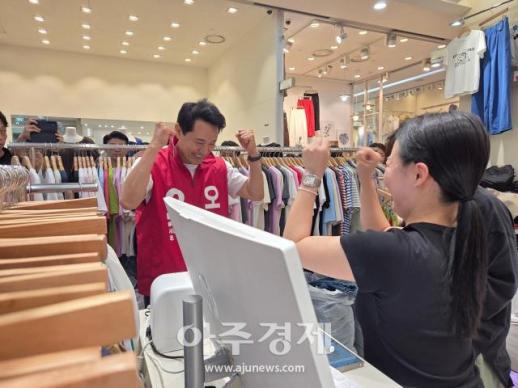 Oh Se-hoon Concludes Campaign with Economic Focus from Garak-dong to Dongdaemun Oh Se-hoon, the People Power Party candidate for Seoul Mayor, wrapped up his official campaign on June 2 at the Dongdaemun wholesale market. He began his campaign on May 21 at the Garak-dong agricultural and fishery wholesale market, declaring his intent to "revitalize Seoul's economy" and concluded by promoting his vision of making the city one of the world's top three cities. After touring the wholesale market area, Oh spoke with reporters in front of the Dongdaemun Design Plaza (DDP) fashion mall, stating, "This election has been a great opportunity for my personal growth." He reflected, "I was confident I knew everything about Seoul, but as I traveled through its corners, I realized there were areas I had overlooked. I am determined to create an inclusive Seoul that embraces those who are struggling and can move toward the future." This marked the conclusion of his 13-day campaign. His choice to end the campaign at the Dongdaemun wholesale market, where economic activity continues late into the night, mirrors his campaign's beginning at the early-morning agricultural market. Oh greeted merchants, inquiring about their business and expressing curiosity about new sales channels, such as online clothing sales through personal broadcasts. He emphasized, "This election is a crossroads for whether Seoul, the heart of South Korea, can become a 'city of quality of life' or face stagnation and regression. Please give me the opportunity to protect Seoul and lay the groundwork for it to rise as one of the world's top three cities." While his campaign began and ended with a focus on the economy, Oh also engaged with citizens throughout various neighborhoods in Seoul. His campaign itinerary was designed to cover a wide range of areas rather than focusing on specific districts. Notably, since launching his "88-hour infinite responsibility campaign" on May 30, he has been energetically traversing the city in a spiral pattern. A member of his campaign team noted, "Compared to past elections, this campaign has been much more intense and tightly scheduled." On the final day of his campaign, Oh visited 13 districts in Seoul, concluding with a rally near Sinchon Station, an area popular with young people. He appealed for support while presenting his vision of making Seoul a top global city. During his last rally, he became emotional while listening to a story from a young person who benefited from the city's representative youth policy, "Seoul Run." After the final rally, he moved to the Garden of Gratitude in Gwanghwamun Square to spend time with supporters. He expressed his appreciation, saying, "When I started, the campaign was heavily tilted against me, but thanks to your support, we have reached a nearly equal footing." He added, "Some candidates have suggested demolishing this space if elected, but I ask you to vote for me tomorrow to protect this Garden of Gratitude. I will ensure that this place remains meaningful for the next four years." Meanwhile, in response to Democratic Party candidate Jeong Won-o's emphasis on safety throughout the campaign, Oh remarked, "Safety is the most fundamental value of urban administration. It was disappointing to see Jeong use safety as a political tool during this election. I have invested significant effort in this area, and seeing Jeong focus solely on safety during the short campaign period raises questions about his readiness to lead a global city like Seoul."* This article has been translated by AI. 2026-06-03 00:33:00
 -
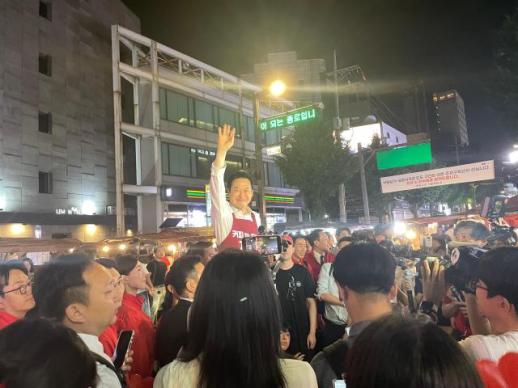 Jang Dong-hyuk Wraps Up Campaign with Final Walk in Jongno and Hongdae Jang Dong-hyuk, leader of the People Power Party, concluded his official campaign on June 2, one day before the local elections, in Seoul, a key battleground. He visited Jongno 3-ga Station and Hongdae to encourage voter participation.At around 10:20 p.m., Jang walked along the street filled with food stalls connecting Line 5 to Line 1 at Jongno 3-ga Station, greeting citizens. The area was bustling with young people in their 20s and 30s, as well as foreign visitors.As Jang appeared, citizens sitting at outdoor tables showed interest, cheering, "You're handsome!" "Go Jang Dong-hyuk!" and "The People Power Party will win!" Many requested to take photos with him, while some expressed confusion, asking, "Who is he, Oh Se-hoon?"Jang made his way to each outdoor table, shaking hands and posing for photos with citizens. He urged them, "Please vote for number 2," and "Make sure to vote tomorrow."At around 11 p.m., Jang moved to Hongdae Station to continue his walk campaign, greeting citizens and appealing for support.As midnight approached, he stated, "I am now wrapping up the People Power Party's campaign," emphasizing, "Please go to the polls tomorrow and support the People Power Party." He also addressed the recent 'Starbucks controversy,' saying, "If you protect the People Power Party, we will safeguard your freedom over a cup of coffee."* This article has been translated by AI. 2026-06-03 00:27:00
 -
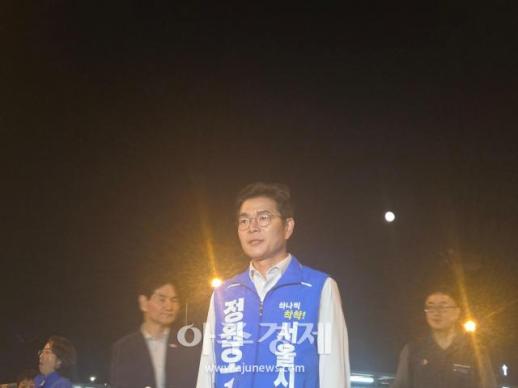 Jung Won-oh Appeals for Votes at Final Campaign Stop Jung Won-oh, the Democratic Party of Korea's candidate for Seoul mayor, concluded his final campaign rally on June 2, urging citizens to realize their dreams through voting. At the Bokjeong Station Transfer Center, Jung called on voters to help create a new Seoul where citizens can feel secure in their daily lives. He explained his choice of Bokjeong Station as the final campaign stop, stating it would become the economic center of a new Seoul, describing it as both the end and the beginning of the city. Regarding the election dynamics, he noted, "I predicted from the start that it would be a close race," adding, "We have done our best until the end." Jung expressed optimism about winning, citing the citizens' expectations for a capable new mayor and their aspirations. As he finished his remarks, supporters gathered at the site chanted his name, encouraging him to win. He then boarded a bus, humorously stating he had not yet decided which station to disembark at, eliciting laughter from his supporters. * This article has been translated by AI. 2026-06-03 00:18:00
 -
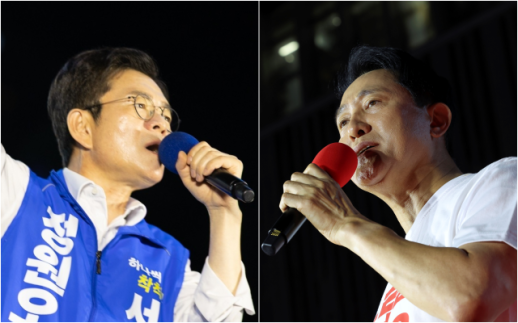 Final Campaign Rallies Held Ahead of Seoul Mayoral Election Jung Won-o of the Democratic Party and Oh Se-hoon of the People Power Party held their final large-scale rallies on June 2, one day before the voting for the Seoul mayoral election. Jung emphasized "national stability," while Oh focused on the need to "check the government." At his rally in Cheonggye Plaza, Jung urged voters, "By voting, you can choose a successful Seoul alongside President Lee Jae-myung." He added, "We can create a Seoul where the dreams of young people come alive, a city that becomes a bucket list destination for people around the world." Jung called for strong support, stating, "Please elect a mayor who acts, keeps promises, and proves results. Make sure your friends also vote, thinking that every vote counts." Jung criticized his opponent, Oh Se-hoon, for neglecting safety and failing to fulfill housing and economic promises. He highlighted his achievements in transforming Seongsu-dong, once an old industrial area, into a global attraction and boosting local employment. "A candidate who neglects safety is unfit to be mayor," he declared, urging voters to choose someone who will ensure a safe Seoul. He stressed that a mayor from the ruling party is essential for collaborating with President Lee to drive Seoul's development. Jung asked, "Can you stand by and watch Oh insult President Lee at the Cabinet meeting?" as he reiterated his plea for votes. At his final rally in Sinchon, Oh expressed his vision for a proud Seoul that is admired and respected worldwide. He stated, "The significance of this election is to make Seoul a city that ranks among the top three globally within four years." He noted that Seoul has risen to sixth place in global city competitiveness rankings and promised to deliver overwhelming results from the changes initiated. Oh actively targeted young voters, highlighting his creation of the free education platform "Seoul Run," which has helped over 900 students enroll in college this year. He asserted, "The ladder of social mobility is beginning to be restored. If you give me four more years, I will strengthen this ladder and ensure that young people can start on equal footing in Seoul." He continued to criticize President Lee's administration and Jung's qualifications, stating, "President Lee is losing humility and becoming arrogant. If this continues, the rule of law and democracy in South Korea will begin to crumble." He urged voters to support him to guide President Lee back on the right path. Targeting Jung, Oh remarked, "Seoul cannot be a practice course for novice drivers. We cannot entrust the city to an unqualified and unprepared candidate. Please protect Seoul by supporting me." 2026-06-02 23:24:00
 -
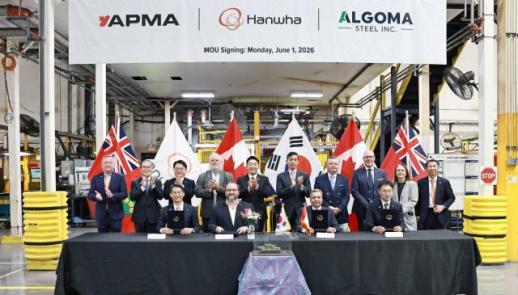 South Korea to Increase Imports of Canadian Crude Oil by 3.3 Times The South Korean government has agreed to increase imports of Canadian crude oil from 4.88 million barrels last year to a maximum of 16 million barrels this year, a 3.3-fold increase. If investments proceed as planned, the share of liquefied natural gas (LNG) imports is also expected to rise from 1.7% last year to 3.0% by 2031.On June 2, the Blue House announced in a joint press release with the Ministry of Trade, Industry and Energy that this agreement was reached with Canada's Ministry of Natural Resources during the 'Korea-Canada Energy Resource Supply Chain Cooperation Forum' held in Ottawa.The forum, organized by KOTRA, was linked to Kang Hoon-sik's visit to Canada as a special envoy for strategic economic cooperation on behalf of President Lee Jae-myung. Approximately 150 participants from both countries' resource-related governments, associations, and businesses attended the forum.Kang held a preliminary meeting with Canada's Minister of Natural Resources, Tim Hodge, to discuss energy and resource cooperation strategies.The Ministry of Trade, Industry and Energy stated, "Both sides recognized that they are reliable partners in the rapidly changing global supply chain environment and agreed to expand mutually beneficial cooperation in areas such as crude oil, LNG, and key minerals."In the crude oil sector, South Korea plans to increase its imports of Canadian crude oil from 4.88 million barrels last year to a maximum of 16 million barrels this year, with a goal of eventually reaching 20 million barrels annually. This would make South Korea the third-largest destination for Canadian crude oil exports, following the United States and China.In the LNG sector, Korea Gas Corporation is participating with a 5% stake in the first phase of the LNG Canada project, which imports 700,000 tons annually. Discussions are underway for the second phase, aiming for a final investment decision by the third quarter of this year. If the new 'Ksi Lisims' project, which will add 2 million tons annually, is included, South Korea will secure a stable supply of 3.4 million tons of Canadian LNG each year.The ministry noted, "In this case, the share of Canadian LNG imports for South Korea is expected to increase from 1.7% in 2025 to 3% by 2031," adding that LNG shipped from Canada's west coast, which poses no geopolitical risks, is expected to arrive in South Korea within 13 days, contributing to supply stability.Additionally, the government discussed ways to enhance cooperation with Canada, a key mineral producer. Currently, Canada is South Korea's third-largest source of mineral imports, following Australia and Indonesia. Domestic companies have expressed plans to purchase Canadian minerals worth CAD 9.03 billion and invest CAD 130 million in graphite mines.The two countries agreed to actively support increased investment and purchasing between companies based on their complementary industrial structures, while continuing discussions on policy measures to stabilize supply.Regarding the joint stockpiling of key minerals, agreed upon during a phone call between the two leaders on May 8, both countries will prepare a joint plan by the end of this year.Meanwhile, the Korea Institute of Geoscience and Mineral Resources and the Geological Survey of Canada (GSC) signed a 'Joint Research Implementation Agreement on Natural Hydrogen' during the forum.The ministry stated, "The governments of both countries and KOTRA will support the smooth implementation of cooperation in the areas of crude oil, LNG, and key minerals, including investments and imports, and will work together to resolve any on-site challenges faced by companies." 2026-06-02 22:48:00