
Journalist

John Pritchard
-
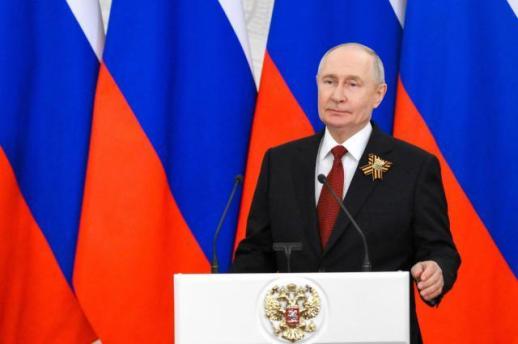 Putin's Visit to China and Xi Jinping's Strategy: New Coordinates in a Shifting World Order In diplomacy, 'order' conveys a message. Who arrives first and who follows reveals not just a schedule but the distribution of power and strategy. This is evident in the recent events in Beijing. Following President Donald Trump's visit to China, Russian President Vladimir Putin is set to visit shortly thereafter, just days apart. This arrangement appears to be less coincidental and more a product of China's orchestrated 'staged diplomacy.' China is employing a dual strategy of managing competition with the United States while fostering close cooperation with Russia. After signaling a desire to ease tensions through a summit with Trump, China invites Putin to showcase their strategic alliance. This emphasizes China's role not merely as a participant but as a 'central player' in shaping the diplomatic landscape. Notably, this visit coincides with the 25th anniversary of the China-Russia Treaty of Good-Neighborliness and Friendly Cooperation. Both nations are expected to announce a joint statement and sign intergovernmental agreements during the summit, indicating an intention to elevate their relationship in both form and substance. Ultimately, the message China aims to convey is clear: it is the only axis capable of engaging in dialogue with the U.S. while cooperating with Russia, positioning itself as a 'mediator and central nation.' This strategy goes beyond mere diplomatic events, seeking to reshape the power structure within the international order. Putin's Visit: A Necessity Amid Sanctions President Putin's trip to China carries significance beyond a typical diplomatic agenda. Following the war in Ukraine, Russia faces financial, technological, and energy sanctions from the West. Structural pressures, including restrictions in the international financial system, limited access to advanced technologies, and a shrinking energy market, continue to mount. In this context, China stands as Russia's virtually sole major economic partner. China has consistently imported Russian oil and gas, serving as a crucial support for the Russian economy. Trade between the two countries has also expanded since the imposition of sanctions. This focus on trade and economic cooperation is a key agenda item for the upcoming summit. However, a closer examination reveals that the China-Russia relationship is characterized more by asymmetric cooperation than by equal partnership. While China maintains a broad range of options by keeping ties with the global market and the West, Russia's alternatives are limited. The urgency for cooperation is significantly greater on Russia's side. For Putin, this visit represents a 'survival diplomacy' aimed at alleviating economic isolation and maintaining a presence on the international stage through relations with China. However, this comes at the cost of limiting Russia's negotiating power, which could impact the balance of their future relationship. Xi's Calculated Balance: Strategic Utilization, Not Alliance China's approach is far more complex. While it publicly emphasizes a 'comprehensive strategic cooperative partnership,' it is, in reality, a meticulously calculated balancing strategy. China views Russia not as an absolute ally but as a 'strategic asset to be utilized.' First, it serves as a means to counter U.S. influence. Cooperation with Russia helps to diffuse American pressure and enhance China's negotiating power. Second, it provides a stable supply of resources. Russia is a vital partner for China in terms of energy and raw materials. Third, it plays a crucial role in reshaping the international order, functioning as a key partner in creating an alternative structure to the Western-centric order. However, China is drawing clear lines. Given its economic ties with the West, unlimited support for Russia could become burdensome. In fact, China has maintained a cautious stance regarding direct military support and has adjusted economic cooperation to minimize controversies over sanctions evasion. This 'dual strategy' is likely to be evident in the upcoming summit. While cooperation will be expanded, conflicts will be avoided. The relationship will be strengthened, but dependency will be sidestepped. This reflects a core characteristic of Xi's diplomacy and represents China's most pragmatic choice in the current international order. Transition to a Multipolar System: A Shifting International Order Putin's visit to China is not merely a bilateral diplomatic event; it illustrates a facet of the changing world order. The unipolar system centered on the United States, which has persisted since the Cold War, is already showing signs of fracture. We are now moving toward a multilayered structure where the U.S., China, and Russia compete and cooperate simultaneously. A key point to note is the coexistence of 'competition and cooperation.' The U.S. and China are in a strategic rivalry, yet they remain economically interdependent. China and Russia maintain a cooperative relationship, but it has not evolved into a complete military alliance. This marks a shift from a binary bloc structure to a more fluid network of relationships. These changes impose new burdens on smaller nations. In an environment where unilateral dependence on a specific bloc is challenging, they must adopt flexible strategies based on situational demands. The complexity of diplomacy has structurally increased. South Korea is not exempt from this trend. Amid the U.S.-China competition, China-Russia cooperation, and the global supply chain reshaping, a simple choice is insufficient; a sophisticated balancing strategy is essential. Given its high trade dependency, the linkage between diplomatic and economic strategies becomes even more critical. A New Test of Diplomacy Begins in Beijing Putin's visit to China is a diplomatic event, but its implications are far more significant. It represents a moment in the formation of a new order involving the U.S., China, and Russia. Notably, China is clearly demonstrating through this diplomacy that it is emerging as a 'central axis' of the international order. The world is now shifting from a simple power struggle to a competition in relationship design. The ability to secure more partners and adjust relationships flexibly will define power in this new era. In this regard, the recent diplomatic activities in Beijing provide a directional insight. Crucially, this change is not a temporary phenomenon but a structural transition. The multipolar system has already become a reality, and within it, the strategic choices of each country are becoming increasingly important. The ongoing summit diplomacy in Beijing serves as a test of this transition. The outcomes will not only influence bilateral relations but will also serve as a critical benchmark for the future direction of the world order.* This article has been translated by AI. 2026-05-17 09:18:54
 -
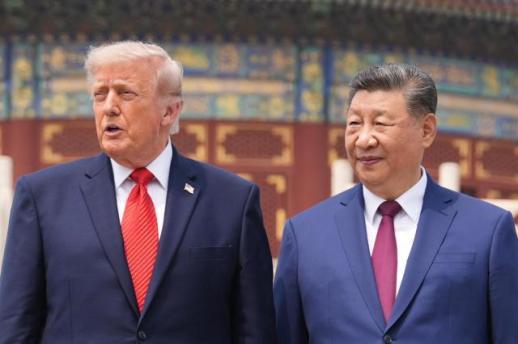 U.S.-China Agreement on Tariff Reductions Signals Need for South Korea to Revise Export Strategy The United States and China have announced a principled consensus on reducing tariffs and easing non-tariff barriers during their recent summit. China's Ministry of Commerce stated that both countries have agreed to discuss mutual tariff reductions on a range of products and to improve market access in certain sectors, including agriculture. However, specifics regarding which items will see tariff reductions and the timeline for implementation have yet to be finalized, and negotiations are ongoing. This announcement is significant as it suggests a potential shift in U.S.-China trade relations from a confrontational stance to a phase of partial cooperation. Previously, the two nations had engaged in a near 'economic war' characterized by high tariffs and various non-tariff barriers. A reduction in these tensions could lead to decreased uncertainty in the global trade environment. However, this change may not necessarily benefit the South Korean economy. There is a growing concern that the 'spillover benefits' South Korea has enjoyed could weaken. During the height of U.S.-China tensions, South Korean companies often emerged as alternative suppliers due to supply chain disruptions and trade restrictions. This trend was particularly evident in key industries such as semiconductors, batteries, and chemicals. Yet, if the U.S. and China begin to expand direct trade again, the situation could shift. As both countries procure necessary items directly from each other, South Korea's position as a supplier of intermediate goods may diminish. This is especially true if tariffs are lowered, which could increase competitive pressure on pricing. Discussions on cooperation in agriculture and aviation should also be viewed in this context. If China increases its purchases of U.S. agricultural products and aircraft, and the U.S. improves its export conditions, market opportunities for third-country firms could diminish. This is not just an issue for specific industries but represents a broader change affecting the entire global trade structure. The easing of non-tariff barriers is another critical variable. In trade, regulations, certifications, and market entry conditions often have a more significant impact than tariffs. If the two countries strengthen cooperation in these areas, the business environment itself could change dramatically. Industries that are heavily reliant on regulations, such as technology, food, and biotechnology, may see rapid shifts in market dynamics. Nevertheless, it is not necessary to view this agreement solely in a negative light. A reduction in U.S.-China tensions could decrease uncertainty in global supply chains, potentially improving investment sentiment and trade conditions. This could be a positive factor for South Korea's export-dependent economy. The challenge lies in whether these changes will present opportunities or turn into crises, which will depend on the response strategies employed. South Korea must now reassess its export strategy. First, market diversification is essential. The country should reduce its dependence on specific nations and expand its export base to emerging markets in Southeast Asia, India, and the Middle East. Second, it needs to strengthen supply chain competitiveness. Moving away from merely supplying intermediate goods, South Korea should focus on core technologies and high-value products to remain resilient amid changes in U.S.-China relations. Third, enhancing trade response capabilities is crucial. There is a need for timely information and negotiation power to respond swiftly to policy changes from both the U.S. and China. The government should bolster support for businesses by providing trade information and regulatory assistance, while also developing tailored strategies for different industries. This U.S.-China agreement is not the final conclusion but part of an ongoing process. Specific details may change during future negotiations. However, the direction is clear: the relationship is shifting from one of conflict to a new phase of competition and cooperation. South Korea's economy stands at the center of this change. Strategies that rely on past spillover benefits may no longer be effective. When the environment changes, strategies must adapt accordingly. Now is not the time to wait but to prepare. As the U.S. and China begin to move, South Korea must also redesign its export strategy.* This article has been translated by AI. 2026-05-17 09:09:00
 -
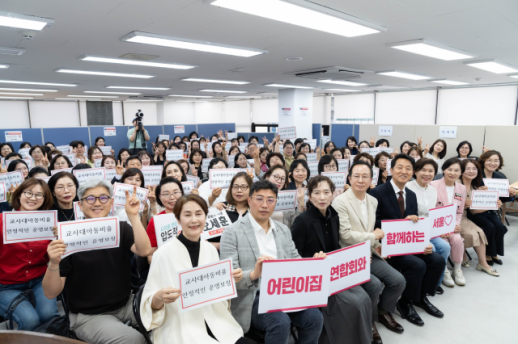 Seoul Mayor Candidate Oh Se-hoon Promises Improved Teacher-Child Ratios "I understand how difficult it is on the ground, as I have two grandsons myself," said Oh Se-hoon, the candidate for Seoul mayor from the People Power Party, during a meeting with over 100 childcare teachers on May 14, 2026, in Jongno, Seoul. The teachers shared their challenges, and Oh took notes while nodding in agreement. The main focus of the meeting was a pressing request: "Please allow us to care for fewer children." Childcare teachers particularly expressed concerns about overcrowding in infant classes. One teacher noted, "Even with just three infants, it’s a situation where I can’t take my eyes off them for a moment," adding that lowering the teacher-child ratio is essential to reduce safety incidents. Another teacher mentioned, "We are already at our physical and emotional limits; teachers need to be able to endure to provide stable care for the children." In response, Oh assured, "The strongly requested '1 to 2 ratio' has been noted precisely," and added, "Reducing the ratio will allow you to work more efficiently and provide quality service to the children. I promise to spare no support as long as finances allow." Following the meeting, Oh posted a lengthy message on his social media, stating, "Raising children is nurturing the future of our society," and emphasized that he would take more responsible actions starting from Seoul. Observers believe that these statements are not mere election promises. During Oh's previous term as mayor in 2021, Seoul became the first city in the nation to launch a 'teacher-child ratio improvement project.' At that time, while childcare centers nationwide operated according to legal standards, Seoul invested municipal funds to experiment with reducing the number of children per teacher. The results were reportedly evident in the field. According to the city, a total of 95.2 billion won will be invested in this project this year, with the number of supported classes doubling from 1,500 to 3,000. Notably, support for infant classes will expand from a limited number of childcare centers to all centers in Seoul. While the legal standard allows one teacher to care for three infants, Seoul will reduce this to two. The ratio for one-year-olds will decrease from five to four, and for two-year-olds from seven to six. For three-year-olds, the maximum will drop from 15 to 10. The ratio for classes with children with disabilities will also be adjusted from three to two. The response from the field has been significant. According to a survey by the city, the number of safety incidents in participating childcare centers has decreased by nearly three times compared to before the project. Teacher job satisfaction has also reportedly improved. One teacher from a three-year-old class remarked, "When I was caring for 15 children alone, I had to work overtime every day, but now that the number has decreased, I can properly attend to each child." A parent of an infant added, "Infants who crawl and lie down require a lot of attention, and seeing the teachers share responsibilities reassured me." Oh reiterated during the meeting that childcare is not just a welfare issue but an investment in the future. He explained that creating a city where it is easy to have and raise children is crucial for Seoul's competitiveness, especially in an era of low birth rates. He emphasized, "Without improving the working conditions for childcare teachers, the quality of care cannot improve," stating, "Teachers must be happy for the children to be happy." Campaign officials also described the meeting as not just a listening session but a reaffirmation of policy direction. As the issue of creating a city conducive to raising children emerges as a major topic among voters, Oh is accelerating his outreach to young parents by emphasizing practical childcare policies. 2026-05-17 09:06:41
 -
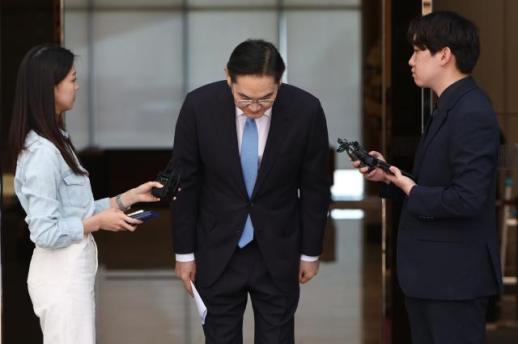 Lee Jae-Yong's Apology Should Mark the Start of Samsung's Labor Relations Normalization Lee Jae-Yong, chairman of Samsung Electronics, publicly apologized to customers and the public ahead of a planned general strike. His statement acknowledging that he caused "anxiety and concern due to internal company issues" and his message of "it's all my fault" highlight that the labor conflict at Samsung can no longer be viewed as just an internal matter. As a key player in the global supply chain, Samsung's labor disputes can impact customers, partners, shareholders, the local community, and even the national economy. This apology is significant. The chairman's direct acknowledgment of responsibility and emphasis on the need for dialogue could serve as a starting point for resolving the strained labor relations. In fact, the company and the union have agreed to resume their second round of post-adjustment discussions at the Central Labor Relations Commission on May 18. The company’s chief negotiator has also been replaced, and the union expressed that while rebuilding trust will take time, they hope for collaborative efforts moving forward. This marks a renewed opportunity for dialogue. However, an apology alone will not resolve the issues. The core of the conflict lies in the method of calculating performance bonuses, but underlying this are distrust in the compensation system, a lack of communication, and delays in changing the organizational culture. Samsung Electronics has grown under a no-union management policy for a long time and now faces the challenge of establishing a labor relations order that fits a new environment where a union exists. First, the transparency of performance bonus criteria must be improved. How to share the benefits of the semiconductor boom and improved performance is a critical internal issue. Performance bonuses affect both corporate competitiveness and employee morale. If the criteria and procedures for determining these bonuses are unclear, conflicts will inevitably recur. It is essential to establish criteria that both the company and the union can accept and to institutionalize this process. The union also needs to adopt a responsible attitude. The semiconductor industry relies on continuous 24-hour operations. A prolonged strike could lead to production disruptions, customer losses, and a decline in global trust, which could ultimately harm not only the company but also the union members in the long run. While demands for rights are legitimate, the unique nature of the industry and the potential impact on the national economy must also be considered. The roles of the government and the Central Labor Relations Commission are also crucial. Mediation should not pressure one side but should aim to achieve reasonable compromises. Particularly, labor disputes involving a key national industry like Samsung Electronics carry significant social costs. It is necessary to adhere to laws and principles while actively working to prevent a crisis. This situation is not just a problem for Samsung. It serves as a test for how South Korea's advanced industries can harmonize performance-based compensation with collective bargaining structures. Returning to past methods is not an option, nor is it feasible to apply traditional manufacturing conflict models directly. What is needed is a new labor relations model suited to advanced industries. Lee Jae-Yong's apology should not be the end but the beginning. It must lead to changes in systems and culture, not just words. There should be transparent criteria for performance bonuses, the establishment of ongoing communication channels, and a structure where both labor and management work together to consider the company's long-term competitiveness. Samsung is a representative company of the South Korean economy, which comes with significant responsibilities. Both labor and management should not turn this situation into a power struggle but instead use it as an opportunity to rebuild trust and safeguard future competitiveness. The apology has been made; now it is time to respond with dialogue and institutional changes. 2026-05-17 09:03:00
 -
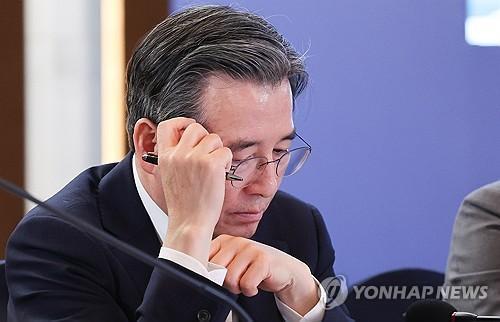 Controversy Over National Dividend Proposal Sparks Debate Between South Korea and Bloomberg The media is not merely a conduit for facts. Especially global financial news agencies can influence market sentiment and sometimes even sway national economic trends. The vast capital in New York, London, Hong Kong, and Singapore now reacts more sensitively to a single line of news than to the smoke from factory chimneys. In this context, the recent controversy between Bloomberg and the South Korean Blue House regarding the 'national dividend' goes beyond a simple journalistic dispute. It touches on the responsibilities of global financial media, the sophistication of policy messaging, and the clash of differing economic logics between East and West. At the center of the controversy was a Facebook post by Kim Yong-beom, the Chief Policy Officer of the Blue House. He referenced the flow of national wealth generated by the growth of the AI and semiconductor industries, using the term 'national dividend' and mentioning the Norwegian sovereign wealth fund model. He expressed the need to consider how to share the fruits of national growth with the public amid the productivity revolution of the AI era. However, Bloomberg interpreted this as a proposal to distribute corporate 'excess profits' to the public. This led to concerns in the market that the South Korean government might be pursuing a 'windfall tax' or a policy to reclaim corporate excess profits. Foreign investors grew wary, with some reports suggesting that "the KOSPI plummeted following Kim's remarks." In response, the Blue House quickly refuted these claims. They clarified that Kim's comments were not about directly reclaiming corporate profits but rather about discussing how to share the 'excess tax revenue' generated by the booming AI and semiconductor sectors with the public. The Blue House even sent an official letter of protest to Bloomberg, emphasizing that they had never advocated for the reclamation of corporate excess profits or the direct transfer of private earnings. So, who is correct? Objectively speaking, it is difficult to definitively label this situation as a 'complete error' or 'total distortion.' At the same time, it cannot be dismissed as a mere incident, given its significant impact on the market. In fact, Kim's original text included terms like 'excess profits,' 'national dividend,' and 'Norwegian sovereign fund.' These are words that global investors could understandably find sensitive. Particularly in American financial discourse, when the government mentions both 'national dividend' and 'excess profits,' it tends to be interpreted as a signal for redistribution policies or market intervention. Conversely, when considering Kim's specific explanations and the Blue House's clarifications, the core of the policy seems to be less about directly reclaiming corporate profits and more about how to share the naturally increased tax revenues resulting from the growth of the AI industry with the public. Thus, the emphasis appears to be on 'utilizing excess tax revenue' rather than 'reclaiming excess profits.' Ultimately, this controversy is more accurately characterized as a clash between the ambiguity of policy language and the over-interpretation by global financial media. Bloomberg's reporting, market conditions, and the Blue House's rebuttal Bloomberg is a communications agency that moves the heart of the global financial market. Major investment banks, hedge funds, and global asset management firms operate through Bloomberg terminals. Therefore, a single line from a Bloomberg article is read not just as news but as a market signal. The issue lies in the interpretative structure used in this article. Bloomberg read Kim Yong-beom's 'national dividend' proposal as a distribution of corporate excess profits, which immediately triggered market anxiety. At that time, the domestic stock market was already shaken by several variables, including concerns over prolonged high interest rates in the U.S., increased volatility in global tech stocks, and profit-taking pressures in the semiconductor sector. In such a context, a policy signal that could be interpreted as 'reclaiming excess profits' was bound to be received sensitively by foreign investors. However, attributing the KOSPI's decline solely to Kim's remarks is also seen as an oversimplification. In reality, multiple factors were simultaneously affecting the market. Therefore, the assertion that "the market crashed because of Kim's comments" may also be an excessive interpretation. The Blue House's response was relatively strong. They sent an official letter of protest to Bloomberg, claiming that "inaccurate framing caused market confusion." They particularly emphasized that they had never advocated for a windfall tax on corporations or suggested a direct transfer of private earnings. There are practical reasons for this. In a market like South Korea, which is highly dependent on external factors and sensitive to foreign capital flows, a single policy message can simultaneously impact the exchange rate, stock market, and bond market. From the government's perspective, it was necessary to quickly address any misunderstandings in the international financial market. However, policymakers must also learn from this incident. The global market operates in a manner that is entirely different from domestic political language. Expressions like 'national dividend' and 'excess profits' may be used in South Korean politics to signify welfare and shared growth, but they are likely to be interpreted as signals of market intervention and anti-business policies in international financial markets. This is why the precision of policy messaging is crucial. Kim Yong-beom's concerns and expert assessments Kim Yong-beom's concerns are not unfamiliar on a global scale. As the AI and platform economy rapidly grow, the concentration of wealth in specific companies and industries has become a significant policy issue in both the U.S. and Europe. In fact, discussions about big tech monopolies and digital taxes are ongoing in the U.S., while the European Union is strengthening platform regulations and fair taxation systems. The concern that the productivity revolution of the AI era should improve the lives of society as a whole is a common challenge worldwide. Kim's logic is not significantly different. He argues that as the national economy enters a new phase of growth due to the expansion of the AI and semiconductor industries, it is essential to consider how to share the resulting increase in tax revenue with the entire public. He cited the Norwegian sovereign wealth fund as an example. Norway has established a model for sharing resource revenues generated from North Sea oil through a sovereign wealth fund, which is not merely about welfare but rather a system for long-term management of national growth assets. The issue lies in the political and market sensitivities of South Korean society. South Korea has one of the fastest-moving financial markets in the world. The proportion of foreign investment is high, and the market is sensitive to global news flows. In this structure, a single word can have a more significant impact than the essence of the policy itself. Economic experts have differing evaluations on this matter. Progressive scholars view the consideration of social return structures amid the productivity revolution of the AI era as a natural contemporary challenge. They argue that since the AI industry is likely to reinforce a winner-takes-all structure, a national-level social safety net and sharing mechanisms are necessary. In contrast, market-friendly experts point to the ambiguity of policy expressions as a problem. They contend that in a market like South Korea, which is highly dependent on global capital, policymakers must consider how their messages will be interpreted by international investors. Ultimately, this controversy is characterized more by the 'clash of political language and financial market language' than by the policy philosophy itself. The Western media's lack of understanding of Asia and the need for a new AJP (Asia Joint Press) This controversy also highlights another significant issue: the lack of understanding of Asia by Western financial media. Today, the global financial order still revolves around New York and London. The principles of American free-market economics and Wall Street investment logic often serve as the benchmarks for interpreting international news. Consequently, the unique models of national development and social consensus in East Asia are frequently not fully understood. Countries like South Korea, Japan, Singapore, and Taiwan have experiences where government, market, industry, and society have moved together in the process of national growth. Discussions about how to share the fruits of growth are also relatively stronger than in the West. However, Western financial media often simplify this as 'market intervention' or 'strengthening redistribution.' The Bloomberg controversy is a case that illustrates such structural limitations. Of course, this is not solely a problem for Western media. Asian countries also need to refine their policy communication capabilities to align with global market language. Both East and West need to deepen their understanding of each other's frameworks. The 21st-century world is no longer solely a Western era. As Asia rises as the center of global growth, there is a pressing need for new media platforms that can accurately understand and explain Asia's history, culture, and economic structure. At this juncture, ajupress.com, or AJP (Asia Joint Press: Asia First Press), plays a crucial role. It is essential to go beyond merely translating Korean news into English and to provide a platform that explains Asia's civilization, economy, technology, and culture from an Asian perspective to the world. The essence of journalism is ultimately understanding. If one fails to accurately understand the other, both the market and politics can be shaken. In an era where East and West misunderstand each other, there is an urgent need for a new journalism that seeks mutual reading, understanding, and shared prosperity.* This article has been translated by AI. 2026-05-17 08:04:57
 -
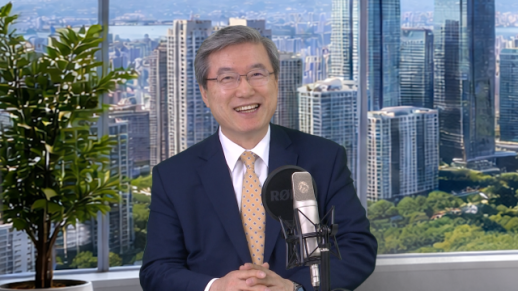 Former Minister Ju Young-seop Discusses Korea's AI Strategy Artificial intelligence is reshaping the industrial landscape. As the competition shifts from technological prowess to purposeful innovation, where should South Korea's industry head? Ju Young-seop, the former Minister of Small and Medium Enterprises and Startups, offers a pragmatic and strategic perspective on this question. With experience as a CEO, government policy maker, and academic, he views AI not merely as a technology but as a "key tool for restructuring industries." He asserts, "The AI era will be determined in the next 2 to 3 years." With the United States and China leading in foundational technology, he believes South Korea must clearly define its path: "We should follow the model but lead in application." He diagnoses that the combination of manufacturing, data, and on-site expertise in what he terms "AI transformation (AX)" is the only strategy for South Korea to rise to the global top tier. In the era of AI transformation, what is the most fundamental change facing South Korea's industry? "We are experiencing a fundamental shift, not just a simple technological change, but a change in the 'grammar of industry.' While past industrial revolutions were driven by specific technologies, AI is altering the very way industries operate. I call this 'AI transformation (AX).' The hallmark of this change is its rapid pace. In the past, industrial structures changed over a decade, but now, competitive advantages can shift within 2 to 3 years. Thus, I see the next few years as a critical period for South Korea's industrial fate. Missing this window could lead to not just a decline in competitiveness but a destabilization of the industrial foundation itself. Conversely, if we respond appropriately, it could be an opportunity to leap forward as a global leader. You mentioned that the AI paradigm is shifting from a technology focus to a purpose-driven focus. What does this mean? "In the past, the technology itself was the competitive edge. The goal was to secure faster and higher-performing technologies. However, now it is more important to consider what the technology is used for. AI must contribute to solving human problems, not just create superior models. A case in point is how John Deere's autonomous farming equipment garnered more attention at CES than BMW's self-driving cars. Technically, the car is more complex, but the farming equipment has a clear purpose: addressing food issues. Ultimately, technology should be a means to achieve a purpose. This shift significantly impacts not only corporate strategies but also national strategies. What do you see as South Korea's most important competitive advantage in the AI race? "I firmly believe it is 'data and expertise.' AI does not operate solely on models. It learns through data, and its performance is determined by the quality of that data. As a manufacturing powerhouse, South Korea has accumulated industrial data and skilled technicians' expertise over many years. This tacit knowledge is an asset that other countries cannot easily replicate. Even if an AI model scores 80, having data and expertise at 100 can yield outstanding results. Conversely, no matter how advanced a model is, limited data will restrict outcomes. In this regard, South Korea has a strong chance of succeeding in AI utilization. How will the integration of manufacturing and AI change the industrial landscape? "The most significant changes will be in productivity and quality innovation. For instance, AI-driven predictive maintenance systems can anticipate equipment failures before they occur. In the past, responses were made after breakdowns, but now prevention is possible. Additionally, AI vision systems can detect defects more accurately than humans during quality inspections. As these changes accumulate, productivity will significantly improve, and quality will be dramatically enhanced. Furthermore, as AI is applied to products themselves, product functionalities will also innovate. Ultimately, competitiveness will rise in both production and product quality. There are concerns that the spread of AI will lead to job losses. What is your perspective? "In the short term, some jobs may be replaced. However, in the long term, increased productivity will create new jobs. The biggest issue in South Korean industry is actually a shortage of skilled labor. Many skilled technicians are retiring, but there is a lack of personnel to replace them. Here, AI plays a crucial role. By training AI with the expertise of skilled workers, we can maintain and disseminate that knowledge. This will enable younger workers to quickly enhance their skills and lower the barriers to entry into the industrial workforce. Ultimately, AI is likely to be a tool for maintaining and expanding the industrial ecosystem, rather than reducing jobs. What is South Korea's current position in the global AI competition? "Objectively, South Korea ranks around sixth. However, there is not much difference between the third and eighth positions. The issue lies in the gap with the United States and China. This gap arises more from the scale of investment than from technological capability. The U.S. and China are pouring astronomical amounts of funding into AI, making direct competition realistically challenging. Therefore, we need to approach this strategically. Instead of trying to compete in every field, it is important to focus on areas where we have strengths. Is the fast follower strategy still valid in the AI era? "I believe a 'dual strategy' is necessary. In foundational technology areas, the fast follower strategy remains effective. However, in the application of AI, we must become first movers. The AI competition is structured such that the first and second place holders capture most of the market. Simply remaining in third place is not meaningful. Therefore, we must secure world-class competitiveness in application areas. This is a realistic strategy for South Korea to leap to a global AI powerhouse. What specific industries can South Korea become a first mover in? "Notably, manufacturing, healthcare, and cultural industries stand out. Manufacturing is where South Korea has its strongest advantages. Few countries can perform across all industrial sectors, making us very favorable in terms of data accumulation. The healthcare sector also has a high level of skilled personnel and data. Additionally, cultural industries like K-content are important areas. By integrating AI into these fields, we can secure global competitiveness. How should the roles of government and businesses be divided? "The government should focus on building the foundation. Key areas include data standardization, infrastructure development, and talent cultivation. Particularly, structuring and standardizing data is challenging for individual companies, making the government's role crucial. On the other hand, businesses must leverage this foundation to generate actual results. Ultimately, the success of AI competition will depend on the level of public-private collaboration. A structure that divides roles while fostering close cooperation is necessary. What core strategies must South Korea choose in the AI era? "I want to emphasize two points: a data strategy and collaboration. We must systematically build and share data and expertise within an ecosystem. At the same time, we need to strengthen cooperation among businesses and between the government and private sectors. AI is not just about competition among individual companies; it is about ecosystem competition. Collaboration is competitiveness. If South Korea can establish a collaborative ecosystem, I believe it can leap to a global leading nation in the AI era. Ju Young-seop is a prominent industrial strategy expert with experience in industry, policy, and academia. He has served as CEO of Daewoo Electronics, GE, and Hyundai Motor affiliates, gaining firsthand experience in the industrial field. In government, he was involved in establishing national industrial strategies while overseeing the Ministry of Knowledge Economy and industrial policy. Later, he served as the 14th Minister of Small and Medium Enterprises and Startups, contributing to strengthening the competitiveness of small businesses and building a startup ecosystem. He is particularly recognized as a 'field-centered strategist,' praised for his ability to connect policies and corporate strategies based on accumulated experience in the industrial field. During his tenure as Minister, he actively promoted policies to nurture technology-based small businesses and support their global expansion. Currently, he serves as a special professor at Seoul National University, leading research on AI and industrial digital transformation. He views AI not merely as a technology but as a key tool for industrial structural innovation, presenting future strategies for South Korean industry through the concept of 'AX (AI Transformation).' His core message is clear: "AI is not just a technology; it is a strategy." To survive in global competition, South Korea needs a utilization-focused strategy based on data and expertise, rather than just competing in foundational technologies.* This article has been translated by AI. 2026-05-17 07:52:32
 -
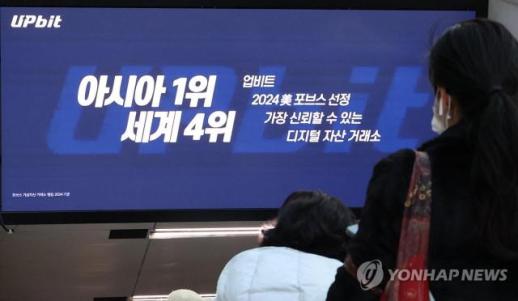 Is a Korean Won Stablecoin Possible? The 21st-century global economy is currently engaged in two simultaneous currency wars. One is the visible battle over interest rates and exchange rates, while the other is a quiet struggle for dominance in digital currencies on the blockchain. In the past, countries with oil held sway over the global order; now, nations that control digital payment networks and stablecoins are poised to lead the future financial landscape. A recent policy symposium at the Global Finance Conference in Seoul symbolically highlighted these changes. The forum, themed 'The Spread of Token Securities (STO) and Stablecoins and Changes in Financial Economics,' was not merely a discussion on virtual assets; it resembled a national strategy meeting questioning the future survival of Korean finance. Professor Lee Jong-seop's remarks were particularly significant. He asserted, 'The time for discussing whether to adopt stablecoins has already passed.' He warned that countries that delay action risk becoming mere consumers following the order set by others. Currently, the market capitalization of dollar-based stablecoins has surpassed $300 billion. While this figure is still small compared to the global foreign exchange or U.S. Treasury markets, its growth rate is outpacing traditional financial systems. What matters is not just the amount. Dollar stablecoins have evolved into a core infrastructure for international remittances, online payments, and digital asset transactions. The United States does not view this as a mere private industry. Through dollar-based stablecoins, it aims to establish a 'new Bretton Woods system' for the digital age. Just as the petrodollar era was initiated by tying oil payments to the dollar, analysts suggest that a digital dollar system on the blockchain is being developed. Tokenizing U.S. Treasury bonds is particularly symbolic. If U.S. Treasury bonds are traded in real-time on the blockchain, allowing global investors to access U.S. assets through dollar stablecoins, the dollar-centric structure in the digital financial market will be further reinforced. Ultimately, stablecoins are not just coins; they represent a new technological facade of U.S. financial hegemony. The challenge lies for countries like South Korea, which are not reserve currency nations. If global digital payments are reorganized around dollar stablecoins, the international influence of the won could diminish significantly. As Korean companies and consumers engage more in the global digital market, they may become increasingly dependent on the dollar ecosystem. This is why Professor Lee emphasizes the need for a Korean model. His core argument is straightforward: create an 'expansive structure' based on central bank digital currencies (CBDCs) and bank deposit tokens, allowing the private sector to develop various won-based stablecoin services. This model is meaningful because it reflects the realities of the Korean financial market. South Korea is neither a dollar hegemon like the U.S. nor a country with a strong capital control system like China. However, it possesses world-class IT infrastructure, a mobile payment culture, and a robust content industry. Ultimately, South Korea's battleground is not 'reserve currency' but 'digital ecosystem.' This is where the significance of K-content emerges. BTS, K-pop, webtoons, games, dramas, and online fandoms have already formed a global consumption ecosystem that transcends borders. Young people around the world are consuming Korean content and connecting with Korean culture. If this consumption flow is linked to a won-based digital payment network, the situation could change. For instance, if global fans use won-based stablecoins for music purchases, concert tickets, webtoon payments, and game item transactions, it would expand the digital financial ecosystem beyond mere content exports. This could ultimately increase demand for the won and expand the need for won-based deposits and Treasury bond collateral. This structure could also provide new vitality to the Korean capital market. Stablecoins fundamentally require collateral assets to maintain stability, necessitating safe and liquid assets. Consequently, demand for deposits, Treasury bonds, and high-quality short-term bonds is likely to increase. This could enhance the liquidity and depth of the entire Korean financial market, going beyond merely fostering the virtual asset industry. It could also positively impact the internationalization of the Treasury bond market and the activation of the token securities (STO) market. The recent Global Finance Conference policy symposium is significant not only as an academic event but also as a signal of a shift in Korean financial policy direction. Just a few years ago, Korean financial authorities tended to view virtual assets solely as speculative targets. However, the world is beginning to recognize stablecoins as the next-generation financial infrastructure. Major financial hubs, including the U.S., Europe, Singapore, Hong Kong, and the UAE, are moving toward a dual approach of regulation and support. The strategy is not to block digital assets but to bring them into the regulatory framework. In the U.S., there is an effort to strengthen digital dollar hegemony through dollar stablecoins, while Europe aims to build a euro-based digital payment ecosystem. Singapore is pursuing a global digital asset hub strategy, and Hong Kong seeks to serve as a digital financial gateway connected to mainland China. If South Korea falls behind, it risks losing not just its blockchain industry competitiveness but also the possibility of being relegated to a peripheral country in future global payment networks and capital flows. The most significant takeaway from this forum is that stablecoins are now viewed as a 'financial order issue.' They are no longer just cryptocurrencies but part of a massive structural change connected to international finance, payment systems, Treasury bond markets, digital trade, and platform economies. Currently, stablecoins are broadly categorized into four types: Fiat-backed: Issued against collateral such as U.S. dollars, Treasury bonds, or deposits. This type is the most stable and currently dominates the market.Crypto-backed: Collateralized by cryptocurrencies like Bitcoin or Ethereum. While it offers decentralization, it has significant price volatility.Algorithmic: A structure that maintains value by adjusting supply through algorithms. However, past large-scale collapses have raised trust issues.Central Bank Digital Currency (CBDC) linked: Based on central bank trust and connected to private payment systems. Most major countries are focusing on the first and fourth models. The U.S. is combining private stablecoins with the Treasury bond market, while China is building a state-controlled model centered around the digital yuan. The key takeaway for South Korea is to prioritize 'ecosystem strategy' over technology. Unlike the U.S., South Korea does not have dollar hegemony, nor does it possess the strong state control seen in China. Instead, it has competitive strengths in content and platforms. Therefore, South Korea must build a unique model that integrates finance, culture, and platforms. This involves not just creating coins but connecting K-content consumption with digital payments and linking this to token securities and capital market innovations. The future of a Korean won stablecoin ultimately hinges on K-content and the platform economy. South Korea wields significant influence in global cultural content. K-pop, dramas, webtoons, and games have already shaped a global digital consumption culture. If a won-based digital payment system is integrated, South Korea could evolve from a mere content-exporting country to a digital cultural and financial platform nation. To achieve this, the role of policymakers is crucial. First, a clear regulatory framework must be established. Uncertainty poses the greatest risk. It is essential to promptly establish issuance criteria for stablecoins, collateral regulations, and consumer protection systems. Second, a collaborative ecosystem among banks, fintech companies, and content platforms must be fostered. The financial and cultural industries cannot thrive in isolation. Third, capital market innovations linked to the token securities (STO) market are necessary. If Treasury bonds, corporate bonds, and content IP can be tokenized, the structure of the Korean capital market itself could change. Fourth, international cooperation strategies are also vital. Particularly, a strategy to expand a won-based digital payment network in the Asian market is needed. Ultimately, stablecoins are not just virtual currencies. They represent a question of which nation will dominate the platform in the future digital civilization order. South Korea stands at a critical crossroads. If the new experiment connecting K-content and digital finance succeeds, the won may evolve from a minor non-reserve currency to a significant connecting currency in the Asian digital economy.* This article has been translated by AI. 2026-05-17 07:31:52
 -
 Son Heung-min heads to fourth World Cup as Korea names 26-man squad SEOUL, May 17 (AJP) - Son Heung-min will lead South Korea to his fourth and possibly final World Cup after head coach Hong Myung-bo named the 26-man squad for the 2026 tournament on Saturday. Hong announced the roster in Seoul, selecting three forwards, 10 midfielders, 10 defenders and three goalkeepers for the June 11-July 19 World Cup in North America. South Korea competes in Group A against Czechia, South Africa and Mexico, with all three group-stage matches to be played in Mexico. Son, now with Los Angeles FC, will become only the fourth South Korean player to appear in four World Cups, joining Hong Myung-bo, Hwang Sun-hong and former goalkeeper Lee Woon-jae. The 33-year-old previously played at the 2014 Brazil, 2018 Russia and 2022 Qatar tournaments. Key European-based players Lee Kang-in of Paris Saint-Germain and Kim Min-jae of Bayern Munich were also included, along with Mainz midfielder Lee Jae-sung and Feyenoord midfielder Hwang In-beom, who is recovering from an ankle injury. Besiktas forward Oh Hyeon-gyu earned his first World Cup call-up after serving as a reserve player at the 2022 tournament, when Son was recovering from a facial fracture but ultimately played all four matches in Qatar wearing a protective mask. Jens Castrop of Borussia Monchengladbach also made history as the first foreign-born player of mixed heritage to be named to South Korea’s World Cup squad. The 22-year-old was born to a Korean mother and German father. Gangwon FC defender Lee Gi-hyuk was among the surprise selections. The left-footed center back, who has only one senior cap, was chosen to help fill the gap left by injured defender Kim Ju-sung. Veteran goalkeepers Kim Seung-gyu and Jo Hyeon-woo were both included, continuing their long-running competition for the No. 1 spot. Kim, 35, is the oldest player in the squad, while Castrop and Stoke City midfielder Bae Jun-ho, both 22, are the youngest. Hong also named three “training partners”: Jeonbuk midfielder Kang Sang-yoon, Jeonbuk defender Cho Wi-je and FC Seoul goalkeeper Yoon Ki-wook. South Korea will open its campaign against Czechia in Guadalajara on June 11, followed by Mexico on June 18 and South Africa in Monterrey on June 24. The team will depart for Salt Lake City on Monday for altitude training before playing friendlies against Trinidad and Tobago and El Salvador. South Korea will then move to its base camp in Guadalajara on June 5. Hong said the expanded 48-team tournament, staged across three countries for the first time, would test teams’ ability to cope with travel, altitude and climate conditions. “We will try to turn these challenges into opportunities to pull off surprises,” Hong said. “We have always been underdogs at World Cups, and this year’s tournament will be a good opportunity for us to stage an upset.” 2026-05-17 06:16:37
 -
 China and U.S. Reach Preliminary Agreement on Tariff Reductions The Chinese Ministry of Commerce announced that the United States and China have reached a preliminary agreement on tariff reductions and the easing of non-tariff barriers during their recent summit. According to Yonhap News on May 16, a ministry spokesperson stated in a press release posted on their website that both countries achieved initial results in economic and trade discussions during high-level talks held on May 13 in South Korea and the summit in Beijing on May 14. The spokesperson noted, "Both sides agreed to continue implementing previous negotiation outcomes and have formed a positive consensus regarding tariff measures. They will discuss tariff reductions on key products through a trade committee and have agreed in principle to reduce tariffs on products of mutual importance on an equal scale." The spokesperson added that the two nations aim to address non-tariff barriers and market access issues for certain agricultural products and to promote substantial progress. Additionally, the U.S. has committed to actively addressing China's long-standing concerns regarding automatic seizures of dairy and seafood products, the export of Chinese bonsai to the U.S., and the recognition of certain regions in Shandong Province as free from avian influenza. In turn, China will work to resolve U.S. concerns regarding the registration of beef facilities and the export of poultry from certain states to China. The spokesperson also mentioned, "Both countries have agreed to promote bilateral trade expansion in agriculture and other sectors through mutual tariff reductions on a specified range of products." Furthermore, the spokesperson explained that both nations have developed plans for China to purchase aircraft from the U.S. and for the U.S. to ensure the supply of aircraft engines and parts to China, agreeing to continue cooperation in these areas. The spokesperson concluded, "Both sides are currently negotiating the details of the outcomes and are working to solidify and effectively implement the consensus established by the leaders, thereby injecting more certainty and stability into future U.S.-China economic and trade cooperation and the global economy." On May 13, President Donald Trump visited China for the first time in nine years, where he held talks and discussions with President Xi Jinping before departing on May 15 after a three-day visit.* This article has been translated by AI. 2026-05-17 06:09:08
 -
 India Day Celebrated on the Han River: A Cultural Exchange May brought an early summer to the Han River. Under a clear blue sky without a hint of fine dust, brilliant sunlight danced on the silver waves. That afternoon, fresh green buds painted the Yeouido riverside in vivid colors, while an unfamiliar scent wafted through the river breeze—an aromatic blend of saffron, turmeric, and cardamom, a smell rarely encountered in the heart of Seoul.People paused, their ears perked up, and they found themselves walking toward the source of the enticing aroma.This was the inaugural 'India Day' event organized by the Indian Embassy in South Korea. Booths lined both sides of the venue, symbolizing India's 28 states. Cultures from North and South India, as well as from the eastern and western regions, were showcased along the riverside. Saffron, cobalt blue, crimson, and golden fabrics fluttered in the May breeze, while traditional dances and songs performed by Indians from various regions filled the stage.As attendees followed the scent of spices, they soon found themselves clapping along to the unfamiliar rhythms.Gokarnal Das, the Indian Ambassador to South Korea, joked, "We specially ordered the weather from India for today." Indeed, the riverside in Yeouido felt more like a festive square in an Indian city than a part of Seoul. People arrived on bikes, couples strolled with their dogs, and families lined up for henna experiences, mingling naturally under the tents.However, the significance of the Han River on this day cannot be fully captured by the aroma of spices or the vibrant dances.India is home to 1.47 billion people, representing a diverse tapestry of cultures. It is not a monolithic nation; it comprises 28 states, hundreds of tribes, dozens of official languages, and a civilization with thousands of years of history. Hinduism, Islam, Buddhism, and Sikhism all have roots in this land, which is home to one of the world's oldest urban civilizations.How have we understood such a country until now?Curry and yoga. Bollywood and IT developers. For a long time, this has been the extent of how Korean society has engaged with India. Conversely, for Indians, Korea has been synonymous with Samsung, Hyundai, and K-pop. The two great civilizations have reduced each other to a few keywords over the years.This disparity is reflected in numbers. Approximately 18,000 Indians reside in South Korea, while the number of Koreans living in India is even lower. Although trade has rapidly expanded, there remains a significant gap in language and talent to truly understand each other. The recent Korea-India summit, which had to rely on double interpretation due to the absence of a Hindi interpreter, highlights this reality. While the economies have already shaken hands, the people and cultures have yet to exchange a proper greeting.As the global balance of power shifts, India is no longer a distant land.Emerging as a strategic counterbalance between the United States and China, India is the world's most populous country and a key market for Korean companies over the next decade. Geopolitically and economically, India has become a crucial partner for Korea. However, true partnership cannot be built solely on agreements and trade statistics. It requires an understanding of each other's histories, sharing meals, and experiencing each other's rhythms.Thus, the scenes along the Han River that day created memories that will last longer than any diplomatic document.Citizens gathered in the shade of trees, listening to the sounds of traditional Indian instruments. Children widened their eyes at the unfamiliar scent of spices. Young couples laughed as henna designs were drawn on their hands. A middle-aged man fumbled through a conversation with an Indian booth operator while savoring a plate of biryani. These moments etched a deeper connection between the two nations than any official statement could.The initial encounters between civilizations are often simple. They begin with smells, sounds, tastes, and gestures. A bowl of curry can bridge gaps more effectively than grand declarations, and a hand drawing henna can build connections more meaningfully than a handshake between leaders.Ambassador Gokarnal Das remarked, "As the saying goes, when hearts connect, today’s gathering symbolizes the unity of Korean and Indian cultures." Kwak Young-gil, chairman of the Aju Media Group, added, "This is not just a cultural event; it is a moment for both countries to understand each other's histories and cultures and to forge future innovations and friendships together."The Han River is inherently an open space. It is a place where anyone can pass through, linger, and mingle. It is not just the river of Seoul citizens but belongs to everyone who traverses this city. Symbolically, on that open riverside, Seoul and Delhi, Busan and Mumbai, kimchi and curry, K-pop and Bollywood flowed side by side.Perhaps these two civilizations are just beginning to discover each other. Some may say it is too late. However, considering the day when the child who first paused to smell the spices on the Han River grows up and thinks about visiting India, today may not be such a late start after all.* This article has been translated by AI. 2026-05-17 06:07:36