


Latest by
-
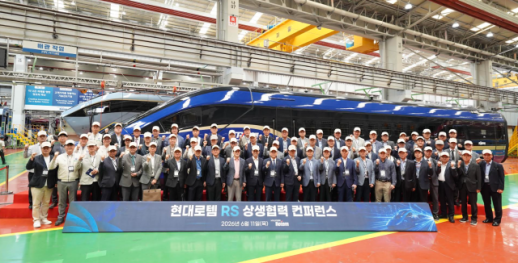 Hyundai Rotem Unveils Strategy for K-Rail Industry Growth and Collaboration Hyundai Rotem is launching a cooperation program with its partners to promote the growth of the K-rail industry. On June 11, Hyundai Rotem held the '2026 Hyundai Rotem Rail Solution Cooperation Conference' at its Changwon plant in Gyeongnam, where it announced strategies to enhance financial support for partners and expand joint ventures abroad. The event aimed to strengthen the foundation for sustainable growth with partners and create an innovative ecosystem in the rail industry. Attendees included local lawmakers, representatives from 50 partner companies, and Hyundai Rotem employees. Democratic Party lawmaker Heo Seong-moo stated, "Every single component in a train car reflects the technology and hard work of our partner companies. We will ensure that the upcoming KTX-I replacement project supports and nurtures the domestic technology and parts ecosystem, and I will closely monitor improvements to the bidding system and legislative support for the rail industry in our committee." People Power Party lawmaker Kim Jong-yang remarked, "A tree cannot make a forest alone, but Hyundai Rotem and its partners are building a forest together. We will do our utmost to enhance the global competitiveness of K-rail." Hyundai Rotem CEO Lee Yong-bae emphasized in his welcoming speech that, following the recent overseas export of high-speed trains, the company has achieved significant success by entering the Vietnamese metro market. He stressed the need for all members of the rail industry to unite as a community of shared destiny to establish themselves as a global rail powerhouse. Hyundai Rotem plans to elevate the competitiveness of South Korea's rail ecosystem through this conference. To promote a virtuous cycle within the rail ecosystem, the company will expand its funding support. The size of the cooperative growth fund, which was previously around 70 billion won, will be increased to a total of 150 billion won this year, more than doubling the amount to support interest rate reductions for partners. In collaboration with Shinhan Bank and the Export-Import Bank of Korea, Hyundai Rotem will sign a cooperative finance agreement to provide trade finance, guarantees, and preferential interest rates to assist in global market entry. The company's research and development investment, previously at 28 billion won, will also see a significant increase to 86 billion won to stimulate the domestic market. Hyundai Rotem is also committed to enhancing the global technological competitiveness of its partners. The company has previously collaborated with partners to enter overseas markets, such as establishing mechanical equipment for the Queensland electric train supply project in Australia and localizing electrical components for the LA Metro project in the United States. Since developing concentrated-power high-speed trains in 1996, Hyundai Rotem has secured expertise in high-speed train manufacturing through technical cooperation with partners and plans to actively support their global growth in upcoming overseas projects. The company will also expand training for partner employees through its internal technical training center. The center will offer tailored education in areas such as quality, production, and design, as well as in artificial intelligence (AI) and automation to meet the demands of the rapidly changing industrial landscape. This year, more than 6,500 employees from partner companies are expected to receive training. Hyundai Rotem will focus on strengthening the protection of partner technologies. The company will provide free security licenses to help establish security systems for partners, as well as offer specialized consulting services for technical security assessments and improvement measures. Additionally, the event included a ceremony for delivering policy proposals from partners aimed at protecting the domestic high-speed rail component industry and enhancing global export competitiveness. Representatives from component industry partners presented policy proposals reflecting on-site opinions to strengthen the competitiveness of the rail industry supply chain. The proposals included suggestions for strengthening bidding qualifications for verified technology and improving the bidding evaluation system based on technological capabilities. Hyundai Rotem plans to continue building a sustainable growth foundation with its partners to contribute to the expansion of the rail ecosystem. A Hyundai Rotem official stated, "Partners are important allies and the core of the rail industry's competitiveness. We will continue to expand our culture of cooperation with partners to ensure that K-rail can secure competitiveness in the global market."* This article has been translated by AI. 2026-06-12 10:51:00
 -
 Kioxia Surpasses Toyota to Become Japan's Most Valuable Company Amid AI Memory Boom On June 12, Kioxia Holdings, a Japanese semiconductor memory company, briefly surpassed Toyota Motor Corporation to become the most valuable publicly traded company in Japan during trading on the Tokyo Stock Exchange. This milestone was fueled by a surge in demand for NAND flash memory, driven by increased investments in artificial intelligence (AI) data centers, allowing a semiconductor firm to outpace the iconic Japanese manufacturer. According to the Nihon Keizai Shimbun (Nikkei), Kioxia's stock price rose by as much as 8% during morning trading, pushing its market capitalization to approximately 44 trillion yen (about $418 billion), surpassing Toyota. The upward momentum followed a strong performance of semiconductor stocks in the U.S. market, coupled with expectations of improved earnings due to expanded AI investments. The primary driver behind Kioxia's stock surge is the anticipated improvement in earnings. As major U.S. tech companies ramp up investments in AI data centers, the demand for NAND flash memory, used for data storage, is rapidly increasing. Market forecasts from Quick Consensus predict that Kioxia's consolidated operating profit for the fiscal year 2026 could reach around 7 trillion yen, an eightfold increase from the previous year. If realized, this would significantly exceed Toyota's projected operating profit of 3 trillion yen. Analysts' outlooks are also rising quickly. SMBC Nikko Securities raised its target price for Kioxia from 48,000 yen to 126,000 yen in a report released on June 10. Senior analyst Takehru Hanaya stated in the report, "We expect an unprecedented boom to continue." Nomura Securities also noted that the potential for earnings growth has increased through fiscal year 2028, adjusting its target price from 71,880 yen to 115,000 yen. This year, AI and semiconductor-related stocks have increasingly threatened Toyota's position as the top company by market capitalization on the Tokyo Stock Exchange. Earlier, SoftBank Group briefly surpassed Toyota on June 1, driven by optimism surrounding AI investments. SoftBank's substantial investments in U.S. OpenAI and its subsidiary, British semiconductor design firm Arm, have contributed to its valuation increase. In contrast, Kioxia's profits stem from NAND flash sales. The Nikkei pointed out that Kioxia has a manufacturing-based profit structure similar to Toyota, which generates revenue through increased vehicle sales. The AI memory boom is also benefiting South Korean semiconductor companies. The Nikkei cited market forecasts indicating that Samsung Electronics' net profit for 2026 could rise sixfold to approximately 29 trillion yen, surpassing the projected net profit of about 27 trillion yen for Alphabet, Google's parent company. SK Hynix is also expected to see its net profit increase fivefold to around 21 trillion yen in the same year. Additionally, SK Hynix indirectly holds shares in Kioxia through private equity investments. Kioxia, a dedicated NAND flash producer, and its joint venture partner, U.S. SanDisk, have seen some of the highest stock price increases among semiconductor companies this year. Samsung Electronics and SK Hynix, known for their strength in DRAM, have also experienced significant stock price gains. The demand for semiconductor memory used in data centers for AI processing is driving clear earnings growth for major memory companies in South Korea and the U.S. However, despite Kioxia's achievement of becoming Japan's most valuable company during trading, there remains a significant gap compared to global semiconductor giants. The market capitalization of U.S. leader Nvidia approaches $5 trillion, while Samsung Electronics has surpassed $1 trillion. Yoshihiko Kawamura, Kioxia's vice president, expressed confidence in the company's long-term growth during an investor briefing on June 2, stating, "We may be entering a supercycle, a period of surging demand." However, he acknowledged that the semiconductor industry has historically experienced cycles of boom and bust, raising questions about how long the growth driven by AI demand will last.* This article has been translated by AI. 2026-06-12 10:51:00
 -
 Understanding the Concept of 'Actual Residence' in Housing Policy The real estate market is difficult to navigate, and so is home ownership. Government policies are equally challenging. This is where the complicated view of real estate begins. In terms of area, one region in South Korea rivals Seoul. However, its population has been steadily declining, now teetering around 50,000. The proportion of residents aged 65 and older has surpassed 40%, while the youth demographic is below 10%. Although the administrative boundaries remain unchanged, the population within is aging and diminishing rapidly. The region's challenge is no longer development; it is about people. Local officials are brainstorming ways to create tourism content and increase both the resident and visitor populations. Discussions often include suggestions to renovate vacant homes for use as second houses. Social media platforms popular among younger people are filled with promotions for month-long stays, workations, and support for relocating to the area. However, progress has been slow. Those occasionally interested in the region often ask, “If I buy a house here, I won’t be able to keep my home in Seoul, right?” Local officials have few answers to this question, as it is not entirely incorrect. We must first redefine 'actual residence' During a press conference marking his first year in office, the President stated, “We must protect those who own homes for actual residence. The burden should not be too great. However, if it has become almost a luxury, we should impose a holding burden similar to that of advanced Western countries. Owning multiple homes is not a problem; we do not prohibit it.” The essence of this statement is not about how many homes one owns, but whether a home is used for actual residence or held as an asset for wealth accumulation. The direction is correct, but it raises an important question: What constitutes actual residence? In South Korean real estate policy, 'actual residence' has long been treated as a moral concept. The narrative has solidified around protecting single-home residents while viewing multi-home owners with suspicion. However, the reality of residence is far more complex. Is it considered actual residence if one changes their registered address? Does spending weekends in the countryside count as actual residence? If someone buys a small house in the countryside to care for their parents, is that an investment? Is a lifestyle split between Seoul and the countryside after retirement considered residence or ownership? Month-long stays are part of the resident population policy, yet buying a home in the same area subjects one to multi-home regulations. Policies have reduced complex lives to a mere number of homes. This is a convenient standard for administration, but it is too crude to explain reality. A home is a space before it is a number. For some, it is an investment, while for others, it is a place to stay near family, or a second living space after retirement. The number of homes does not explain everything Tax policies based on the number of homes have conveyed a strong message for some time: discourage multi-home ownership while protecting single-home ownership. The problem is that the outcomes do not always align with policy intentions. When disadvantages are tied to the number of homes during acquisition, ownership, and transfer stages, rational individuals tend to choose concentration over diversification. It is safer to invest in a single property in a core area of the metropolitan region than to own multiple small homes in provincial cities. The so-called 'smart single home' is less a model of actual residence and more a reflection of the safest concentration permitted by tax policy. Core properties are locked up, private rentals are declining, and the pathways for middle-class individuals planning retirement with multiple small homes in the countryside have narrowed. The term 'multi-home' also encompasses too much. It includes gap investments aimed at short-term profits, long-term rental businesses, small homes for parental care, second houses after retirement, and purchases of vacant homes in areas facing population decline. Speculation and residency, investment and habitation are all lumped together. Policies have chosen to count numbers rather than inquire about the differences. Of course, this does not mean that the number of homes is entirely meaningless. It has been the easiest and quickest criterion for filtering speculative demand. However, an easy standard is not always a good one. With population decline, aging, parental care, and dual-residency lifestyles becoming realities, simply counting one or two homes is insufficient to distinguish between residency and speculation. Tax loopholes can always become conduits for speculative demand. There is a risk that capital from the metropolitan area could sweep up low-cost housing in the countryside, driving up living costs for local residents. Therefore, what is needed is not a blanket repeal but a more nuanced distinction. Discussions must begin on this premise. Regions attract people, but tax policies focus on counting homes The Ministry of the Interior and Safety has designated 89 areas facing population decline and 18 areas of interest, making the securing of resident and visitor populations a national priority. Each region promotes month-long stays, workations, relocation support, and the remodeling of vacant homes. They are striving to find even one more person to stay longer. The numbers already sound alarm bells. The number of unsold homes after completion rose from around 7,000 at the end of 2021 to 28,641 by the end of 2025. Of these, approximately 85%—or 24,398 homes—are located in provincial areas. New homes are piling up in various regions, yet demand is slow to respond. This is not simply due to a lack of appeal; the structure that raises suspicions about purchases and could lead to tax disadvantages also pushes demand away. For people to stay, space is necessary. Relying solely on lodging facilities will not lead to a stable resident population. To repeatedly visit, consume locally, and build relationships with neighbors, a base is essential. That base often turns out to be housing. The government is not unaware of this contradiction. The 2026 economic growth strategy includes a plan to exclude the number of homes from the calculation of capital gains tax and comprehensive real estate tax when acquiring homes in population decline areas. The direction is correct, but it is still only a partial solution. The first question for those looking to buy a home in the countryside is different: “Is it okay to buy now? Will this house make me a multi-home owner? Will it disadvantage me when I sell or move my home in Seoul later?” If the system cannot clearly answer these questions, demand will not shift. The criteria for determining actual residence remain vague. How many days of annual stay constitute residence? How should dual-residency lifestyles for parental care or post-retirement be viewed? How can we differentiate between long-term rentals and short-term speculative demand? Excluding the number of homes from tax calculations and recognizing provincial base housing as a new form of residence are two different issues. We should ask 'how will it be used?' rather than 'how many homes do you have?' What needs to be examined is not just the number of homes but the purpose and usage of those homes. We must consider the region, the price, the actual residency status, the duration of ownership, and the rental utilization methods. Bundling homes priced below a certain threshold in population decline areas into a uniform multi-home framework is a sign of lazy policy design. Even a single home can be problematic if it is not occupied. Conversely, if two homes are actually lived in and contribute to local consumption and relationships, they require a different label. The term 'actual residence with two homes' may still sound unfamiliar. However, considering the era of population decline, aging, parental care, and dual-residency lifestyles, it is no longer an odd phrase. Life no longer stays in one place. Yet, tax policies remain trapped within the confines of a single number. Returning to the local government official, the individual who was captivated by the region's scenery and community posed a final question: “If I buy a house here, I won’t be able to keep my home in Seoul, right?” Answering this question requires more than just a minor adjustment to tax regulations. We must redefine what actual residence means. It is not about how many homes one has, but rather what one does with those homes. If the government is concerned about non-resident single-home ownership, it must also address the concept of actual residence with two homes.* This article has been translated by AI. 2026-06-12 10:48:00
 -
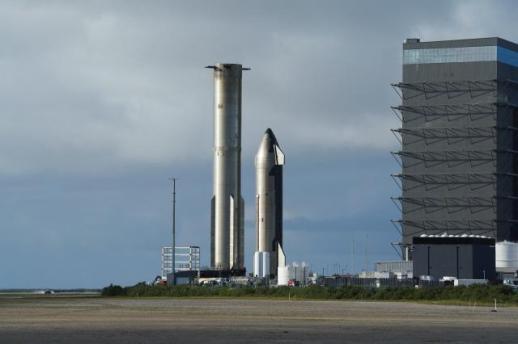 HOT STOCK: SpaceX suppliers Korea in focus after historic debut SEOUL, June 12 (AJP) - The historic Nasdaq debut of SpaceX has turned investor attention to the Korean companies inside its supply chain, with KOSDAQ-trading HVM and Sphere among the names positioned to benefit as the world's most valuable private space company enters the public market. HVM, which has supplied specialty metals to SpaceX directly since 2023, manufactures the high-strength alloys and titanium used in rockets and spacecraft, one of the few Korean firms with a confirmed, flight-qualified relationship rather than thematic exposure alone. The business has been transforming fast. HVM swung to an operating profit in 2025 on revenue of 66.5 billion won ($44 million), up 47.4 percent from a year earlier, as its cost-of-sales ratio fell from above 100 percent to about 82 percent. Roughly 60 percent of that revenue now comes from the space sector, up from a small fraction two years earlier, and the company carried that momentum into 2026 with first-quarter revenue of 23.3 billion won and operating profit of 4.4 billion won. Its capacity is expanding to meet the demand. HVM brought a second plant online in 2025 and raised 92 billion won through a convertible bond in April to fund further expansion, positioning it to convert rising launch activity into orders. HVM traded at 107,200 won, having reached as high as 119,800 won earlier in the session, within range of its 52-week high of 144,700 won and far above its low of 16,800 won, a measure of how sharply the stock has rerated over the past year. Sphere, a KOSDAQ-listed launch-vehicle materials supplier, rose 4.9 percent to 40,400 won, reaching 45,300 won earlier in the day. The company posted 2025 revenue of 45.1 billion won and trades at a market capitalization of 2.08 trillion won. The enthusiasm extends across the market. A leverage exchange-traded fund tied to SpaceX has drawn investor demand ahead of the listing, and Korean aerospace shares have rallied for weeks on expectations that the debut will accelerate global launch activity and lift the suppliers feeding it. SpaceX is set to begin trading Friday on the Nasdaq, raising about $75 billion at a valuation near $1.77 trillion, the largest IPO on record, a milestone the market expects to draw fresh capital toward the space economy. 2026-06-12 10:46:07
 -
 South Korea Prepares Approval for 27.4 Million Flu Vaccine Doses The Korea Food and Drug Administration (KFDA) is gearing up to approve approximately 27.4 million doses of flu vaccine for this year. The agency is also establishing a support system to ensure smooth distribution of the vaccine in the second half of the year and timely vaccinations for the public. On June 12, the KFDA announced it will hold an information session for manufacturers and importers of the flu vaccine to assist with the national approval process. National approval is a system that allows the government to conduct a comprehensive evaluation of test results and documentation for each manufacturing lot of vaccines and plasma-derived products before they are distributed to the market. This is considered a crucial step for final verification of safety and efficacy. The session will cover the national approval procedures and methods, the 2026 flu vaccine approval plan, guidelines for preparing manufacturing and quality control summaries, and the procurement plans for the national vaccination program (managed by the Korea Disease Control and Prevention Agency). This year, about 27.4 million doses of flu vaccine are expected to receive national approval, including eight domestically manufactured products and six imported products, totaling 14 products. The primary vaccines to be supplied will be a trivalent flu vaccine, which includes two types of Type A (H1N1, H3N2) and one type of Type B (Victoria), as recommended by the World Health Organization (WHO). Flu is an acute respiratory illness caused by the influenza virus, typically peaking in the winter months. Common symptoms include fever (38-40 degrees Celsius), headache, muscle aches, fatigue, dry cough, and sore throat. While most individuals recover within one to two weeks, those in high-risk groups may experience severe complications and should take precautions. High-risk groups include seniors aged 65 and older, infants (6 months to 5 years), individuals with chronic diseases (such as heart, respiratory, kidney, and metabolic disorders), and pregnant women.* This article has been translated by AI. 2026-06-12 10:45:00
 -
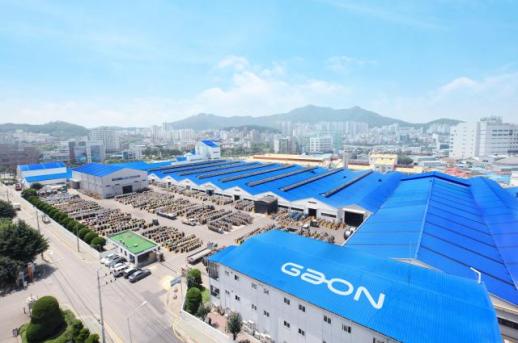 Gaon Cable Secures North American Certification for AI Data Center Product Gaon Cable is set to target the North American market with its new high-capacity power solution, the Cable Bus, designed for AI data centers. This expansion follows its existing product lines of cables and bus ducts, aimed at meeting the growing power demands of AI infrastructure. According to industry sources on June 12, Gaon Cable has received CSA certification for its Cable Bus, marking the first time an Asian company has achieved this certification in the Cable Bus sector. The Cable Bus is a power transmission system that stabilizes high current by arranging multiple medium and low-voltage cables at regular intervals within a metal enclosure. It is utilized in AI data centers, large industrial facilities, and power plants where substantial power is required. One of its key features is improved installation efficiency and cost-effectiveness compared to traditional conduit methods. It can be pre-designed and manufactured to suit on-site conditions, while also protecting cables from external environments, enhancing heat dissipation and maintenance convenience. In the North American data center market, the demand for solutions that enhance both the stability of internal distribution networks and the efficiency of construction has surged due to the increased power consumption driven by high-density AI servers. With this certification, Gaon Cable has established a comprehensive portfolio of high-capacity power solutions, including cables, Cable Bus, and bus ducts. This foundation will enable the company to address both external and internal power networks for AI data centers and pursue expanded contracts in the North American market. In the United States, the rise of generative AI and increased investments in data centers by major tech companies have made power infrastructure a critical bottleneck. Consequently, the demand for high-capacity power cables and distribution solutions is also on the rise. Jung Hyun, CEO of Gaon Cable, stated, "The key to AI data centers is a stable power supply. We will expand our efforts in the North American AI infrastructure market based on our power solutions that encompass cables, Cable Bus, and bus ducts."* This article has been translated by AI. 2026-06-12 10:42:00
 -
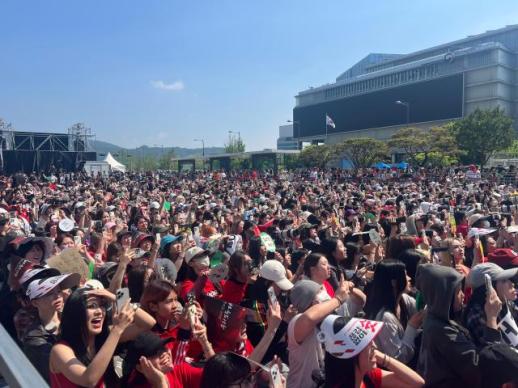 World Cup 26: Red floods Seoul as Taeguk Warriors begin World Cup journey SEOUL, June 12 (AJP) — South Korea's 2026 FIFA World Cup journey began not in Mexico but in the heart of Seoul on Friday, where office workers in red jerseys streamed into Gwanghwamun Square carrying coffee cups, national flags and hopes of a winning start against Czechia. Hours before kickoff at Guadalajara Stadium, the broad plaza beneath the statue of King Sejong was already buzzing with chants, K-pop music and the rhythmic beat of drums as supporters gathered for one of the most unusual World Cup watch parties in recent memory. Unlike previous tournaments, when fans packed streets through the night or braved dawn kickoffs, all three of South Korea's group-stage matches are being played during weekday working hours. The result was a distinctly Korean World Cup scene: employees taking annual leave, workers sneaking out on half-days and groups of colleagues arriving in shirts and ties before settling in front of giant screens. By 10 a.m., police estimated about 1.000 to 2,000 people had gathered at Gwanghwamun. Organizers — the Korea Football Association, KT and supporters' group Red Devils — expect as many as 6,000 supporters by kickoff. The square was divided into six viewing zones stretching from the KT headquarters building to the statue of King Sejong. Giant screens towered over the crowd while event booths offered giveaways and photo opportunities. Volunteers handed out bottled water as temperatures climbed toward 30 degrees Celsius. Kim Eui-hyun, 20-something resident from Pyeongtaek, exclaimed: "I'm excited because I finally get to experience the kind of World Cup street cheering I was too young to enjoy during the 2002 World Cup. "I'm also very happy to be part of what could be Son Heung-min's last World Cup. I came here today with three friends. The weather is really hot, and I thought it might be tough, but I'm glad I made the trip," she said, adding "I think Korea will beat Czechia 2-1." Kim Dong-eon, 37, salary worker in Seoul, said he has taken a day off. "I don't regret it at all. It's been a long time since I've joined a mass street cheering event like this. I don't think I've experienced anything quite like it since the 2002 World Cup." Adding to the festival atmosphere, CORTIS, a fast-rising K-pop boy band under Hybe label touted by fans as a potential successor to BTS, performed on the main stage before kickoff. Hundreds roared as the group energized the crowd at the very square where BTS staged a high-profile comeback event earlier this year. Some fans admitted they had come primarily for the performance. "I came to see CORTIS, but I'll stay for the whole match," shouted a 19-year-old university student who had secured a spot near the front of the stage. "I arrived early, but there were already so many people." Across the Han River in Seoul's financial district of Yeouido, Korea Investment & Securities transformed a plaza into a temporary football arena. Organizers estimated 300 to 400 people had gathered by mid-morning, with attendance expected to reach 1,200 as lunch hour approached. Open-air viewing stages were also set up in cities nationwide, turning a weekday morning into a de facto national sporting holiday. On the field, South Korea unveiled the star-studded lineup many supporters had hoped to see. The starting eleven released about an hour before kickoff featured captain Son Heung-min of LAFC leading the attack, flanked by Lee Jae-sung of Mainz and Paris Saint-Germain playmaker Lee Kang-in. A goal would carry added significance for Son. The 33-year-old is playing in his fourth World Cup and can become South Korea's outright leading scorer in tournament history with his fourth World Cup goal, surpassing Park Ji-sung and Ahn Jung-hwan. Behind the attacking trio, Hwang In-beom of Feyenoord and Paik Seung-ho of Birmingham City were expected to control midfield. Head coach Hong Myung-bo also stayed faithful to the three-man defensive system he has spent the past year refining. Lee Tae-seok of First Vienna FC and Seol Young-woo of Red Star Belgrade started as wing-backs, while Lee Ki-hyeok of Gangwon FC, Bayern Munich defender Kim Min-jae and FC Midtjylland's Lee Han-beom formed the back line in front of goalkeeper Kim Seung-gyu of FC Tokyo. The Czechia arrived with a formidable lineup of its own. Manager Miroslav Koubek handed Bayer Leverkusen striker Patrik Schick the responsibility of leading the attack, supported by Pavel Šulc and Lukáš Provod. Captain Tomáš Souček anchored midfield, while West Ham United defender Vladimír Coufal lined up at wing-back. As kickoff approached, chants of "Dae-Han-Min-Guk" echoed through Gwanghwamun and Yeouido, rising above traffic noise and office towers. For a few hours on a Thursday morning, South Korea's business districts were transformed into football stadiums — and an entire nation paused work to watch whether Hong's generation could take its first step toward another World Cup run. 2026-06-12 10:37:22
 -
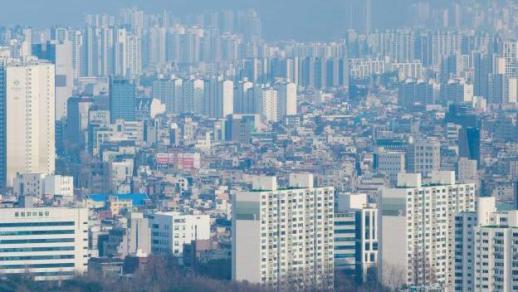 Real Estate Statistics: Rising Home Prices Amid Declining Transactions Highlight Growing Inequality Apartment prices in Seoul continue to rise, but transaction activity is cooling. While reconstruction and redevelopment areas and regions near the semiconductor industrial belt are showing strength, high-end districts in Gangnam are experiencing a wait-and-see attitude, causing the proportion of record transactions in the metropolitan area to drop below 10% for the first time this year. In the new sales market, the average price for standard apartments in Seoul has surpassed 2.1 billion won, increasing the financial burden on buyers. According to the Korea Real Estate Agency's weekly apartment price trends released on June 11, the average sale price of apartments in Seoul rose by 0.27% compared to the previous week, an increase of 0.02 percentage points from the prior week's growth of 0.25%. In Seoul, districts such as Dongdaemun (0.39%), Dobong (0.39%), and Seongbuk (0.35%) showed strong price increases, while in Gangnam, districts like Gangseo (0.42%), Guro (0.40%), and Songpa (0.33%) also saw rises. In contrast, Gangnam (0.25%) and Seocho (0.20%) experienced more limited increases. In Gyeonggi Province, prices rose by 0.20%, a significant increase from the previous week's 0.12%. Notably, Dongtan in Hwaseong surged by 1.98%, leading the price rise in the province. Other areas such as Bundang (0.62%), Jungwon (0.48%), and Guri (0.33%) also reported increases. The rental market remains strong as well. Apartment rental prices in Seoul increased by 0.32%, with a cumulative rise of 4.11% this year, significantly higher than the 0.73% increase during the same period last year. However, the transaction market appears to be slowing down. According to an analysis by Zigbang on June 8 of actual transaction data from the Ministry of Land, Infrastructure and Transport, the proportion of record transactions for apartments in the metropolitan area fell to 9.7% in May, dropping below 10% for the first time this year. This decline is attributed to the expansion of land transaction permit zones and stricter lending regulations, which have dampened buyer sentiment. The wait-and-see attitude is particularly pronounced in Gangnam. The proportion of record transactions in Gangnam dropped to 19.3%, a decrease of 31.1 percentage points compared to the same period last year, with Seocho and Yongsan also experiencing declines. Conversely, districts like Yeongdeungpo (41.2%), Dongjak (35.3%), and Dongdaemun (31.8%) saw significant increases in record transaction proportions. In Gyeonggi Province, Guri and Suji in Yongin also reported rising proportions of record transactions, while Dongtan recorded a 12.0% share, marking six consecutive months of increases. In the new sales market, the financial burden is growing. On June 8, Realhouse, a private apartment evaluation firm, announced that the average sale price for private apartments in Seoul with a size of 84 square meters reached 213.6 million won last month, surpassing 210 million won for the first time in history. This increase is attributed to high-priced complexes like 'Summit The Hill' and 'Acro River Sky' that were launched in Dongjak last month, with sale prices for 84 square meters set at around 290 million won and 270 million won, respectively. Industry experts note that while transactions in Gangnam are slowing, areas focused on reconstruction and the semiconductor industrial belt continue to see demand. Additionally, the rapid rise in new sale prices is exacerbating the regional and price-based polarization in the metropolitan real estate market. Meanwhile, the auction market is seeing concentrated demand for mid-priced properties below 1.5 billion won in the outskirts of Seoul and Gyeonggi Province. According to a report released on June 10 by Gigi Auction, a data firm specializing in auctions, the successful bid rate for Seoul apartments in May was 100.8%, up 0.3 percentage points from the previous month’s 100.5%. This indicates that there were numerous cases where properties sold for prices exceeding their appraised values. However, the bid rate fell to 40.0%, down from 48.7% the previous month. While the high-end apartment market is experiencing a wait-and-see attitude, demand is shifting toward mid-priced properties and those with development potential, indicating a selective investment trend in the auction market.* This article has been translated by AI. 2026-06-12 10:36:00
 -
 Youth Employment Declines Despite Economic Growth in South Korea The number of employed individuals in South Korea decreased by 40,000 in May compared to the same month last year, according to a report released by the National Data Agency on June 11. This marks the first decline in employment since the state of emergency declared in December 2024. Employment in the manufacturing sector fell by 140,000, the largest drop in over seven years. Most concerning is the significant decline of 255,000 in employment among young people aged 15 to 29, highlighting the severity of the issue. Ironically, the economy is not in a recession. Semiconductor exports are reaching record highs, the KOSPI index continues to rise, and corporate earnings are improving. Growth forecasts are also being revised upward. However, the reality for young people is starkly different. While the economy appears to be improving, job opportunities are becoming increasingly scarce. This creates a perplexing situation where the benefits of economic growth are not reaching the youth. The government attributes the situation to the prolonged conflict in the Middle East and high oil prices. While these factors are valid, they do not fully explain the current youth employment crisis, which is more a structural issue than a cyclical one. The South Korean economy is rapidly restructuring, with a few advanced industries driving growth. The semiconductor sector, while crucial for the national economy, does not generate a large number of jobs. Even with investments amounting to tens of trillions of won, automated production facilities and AI systems perform most tasks, leading to increased production without a corresponding rise in employment. A more significant concern is that the pace of job losses is outstripping the rate at which the benefits of growth are being distributed. While semiconductor companies report record profits and the stock market thrives, manufacturing jobs are declining, and youth employment is vanishing. This indicates a fundamental shift in the growth model of the South Korean economy rather than a simple economic cycle. The challenges faced by young people also stem from the structure of the labor market. Companies prefer to hire experienced workers through ongoing recruitment rather than open hiring processes. While those with experience gain better opportunities, young people entering the job market find it increasingly difficult to even get a foot in the door. The system protects those already within the labor market while leaving those outside, particularly the youth, vulnerable. Therefore, what is needed now is not another youth support fund or short-term job program. The government must move away from treating youth employment as a separate policy area and instead examine the overall structure of the labor market. South Korean society has long focused on protecting existing jobs. While protections for regular employees, seniority-based wage systems, and rigid employment structures provide stability for those within the labor market, the costs are largely borne by the youth. When new hiring decreases, young people are the first to lose opportunities. If the government is genuinely concerned about youth employment, it should focus on how much it has expanded pathways for young people to enter the labor market rather than how much budget has been allocated for youth support. Whether through labor market flexibility, wage system reform, or addressing the gap between regular and non-regular workers, the approach must now be from the perspective of the youth. Businesses also cannot escape responsibility. Profits gained from increased productivity through AI and automation should not only be distributed to shareholders and employee bonuses but also invested in hiring future generations. Expanding the hiring of experienced workers solely for short-term efficiency could ultimately undermine the foundation for nurturing talent within companies. The decline in youth employment is not merely a worsening employment indicator; it signals a weakening of the nation’s future growth potential. A society where young people cannot find work will see declines in consumption, marriage, and childbirth, ultimately undermining its growth potential. No matter how much semiconductor exports increase or how high the stock market rises, if young people are losing hope, that is not a successful economy. What is needed now is not to boast about the achievements of growth but to pay attention to the youth left behind in its shadows. There is no future in growth without youth. 2026-06-12 10:36:00
 -
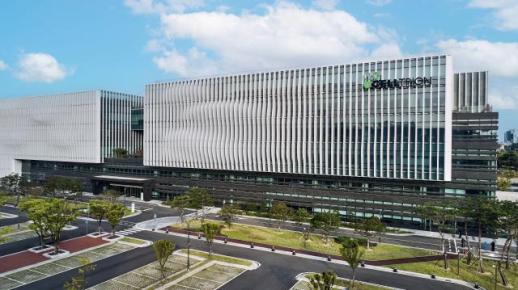 Celltrion Confirms Efficacy of Next-Generation Multi-Antibody Drug, Plans Fast-Track Application Celltrion has confirmed the innovative efficacy of its next-generation multi-antibody immuno-oncology drug, CT-P72/ABP-102. Notably, the drug demonstrated strong anti-cancer effects in gastric cancer, where existing treatments have lost effectiveness, showcasing its potential as a "best-in-class" therapy.On June 12, during the "World Dual-Specific Antibody & T-Cell Engager Summit South Korea" held in Seoul, Celltrion unveiled the preclinical research results for CT-P72/ABP-102. The company stated that the drug has shown promise for expanding treatment indications as a therapy for HER2 (human epidermal growth factor receptor 2) overexpressing solid tumors.In in vitro cytotoxicity tests, CT-P72/ABP-102 exhibited strong anti-cancer effects against HER2 overexpressing tumors, while showing significantly reduced lethality against HER2 low-expressing cells. This indicates a high selective response to cancer cells and suggests that the design successfully minimizes toxicity to normal cells.Pharmacokinetic (PK) and toxicity tests using primates confirmed excellent tolerability even at high doses of 80 mg/kg. The structural design appears to effectively reduce the risk of chronic side effects associated with immunotherapies, such as cytokine release syndrome (CRS), compared to existing treatments.In animal experiments involving gastric cancer with acquired resistance to existing therapies, CT-P72/ABP-102 demonstrated a powerful anti-cancer effect that surpassed previous drug efficacy. The drug also showed excellent anti-cancer effects in HER2 overexpressing bladder cancer, cholangiocarcinoma, and breast cancer, suggesting potential for expanding treatment indications.In breast cancer experiments, the drug's strong anti-cancer effects were confirmed using a microphysiological system (MPS) with organoids, which allows for observing drug responses in an artificial environment similar to that of actual patients. This enhances the reliability of predicting treatment efficacy before administration to patients.Based on these research results, Celltrion plans to accelerate the clinical development of CT-P72/ABP-102, aiming to overcome the limitations of existing HER2-targeted therapies (such as Enhertu) regarding resistance and tolerability, and to address unmet medical needs with this best-in-class new drug.CT-P72/ABP-102 is an immuno-oncology drug co-developed by Celltrion and the U.S. biotech firm Abpro Holdings. It is a T-cell engager (TCE) therapy that connects cancer cells expressing HER2 protein with T-cells.In December of last year, the drug received approval from the U.S. Food and Drug Administration (FDA) for Phase 1 clinical trials and is currently in the patient screening phase for full-scale clinical development. The company plans to apply for FDA fast-track designation within the year.Celltrion's financial performance also supports the acceleration of new drug development. In the first quarter, the company reported consolidated sales of 1.145 trillion won, a 36% increase compared to the same period last year. Operating profit surged by 115.5% to 321.9 billion won, marking the highest first-quarter performance in the company's history.The global sales expansion of five high-revenue new biosimilars has driven this performance. Sales from the new product line increased by 67% year-on-year, reaching 581.2 billion won, and for the first time, accounted for over 60% of total product sales.The outlook for this year's performance is also positive, with the company setting a target of over 5.3 trillion won in annual sales and over 1.8 trillion won in operating profit.* This article has been translated by AI. 2026-06-12 10:30:00