


Latest by
-
 Actor Lee Jae-wook Makes Music Debut with Single 'Shadow' Actor Lee Jae-wook is set to release his first single following his military enlistment.Lee will drop his debut single album, 'Shadow,' on June 11 at 6 p.m. across various online music platforms. This album is a gift for his fans, produced by Im Seulong of the vocal group 2AM, after Lee enlisted in May.'Shadow' features two tracks that capture the emotions surrounding the beginning and end of love, as well as the feelings that linger afterward. The title track, 'Shadow,' combines powerful band sounds with Lee's refreshing yet compelling vocals, expressing the longing and regret of being unable to escape the remnants of love.The second track, 'The Season Everyone Passes Through,' features a minimal rock sound paired with a lyrical melody. Lee conveys the emotions of letting go of past love with his characteristic understated sensitivity. Notably, he participated in both the songwriting and composition, adding his personal perspective and feelings to the piece.Along with the music, a live clip video will also be released. A teaser for the live clip, shared on June 9, features Lee immersed in the performance alongside a band session, hinting at the atmosphere of 'Shadow.'Having showcased his acting skills in various projects, Lee aims to express his emotions through music with this single. He plans to reveal another side of himself by incorporating the delicate expressiveness he has shown as an actor into his vocals and original compositions.Currently, Lee is portraying a public health doctor named Do-ji in the ENA drama 'Doctor Island Boy,' where he skillfully balances a character's coldness with a charming clumsiness. He is also expected to showcase a new side of himself in the upcoming Netflix series 'Honey Job,' set to be released in the second half of this year.* This article has been translated by AI. 2026-06-11 10:54:00
 -
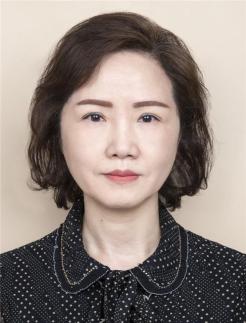 Bae Min-seong Appointed Director of the National Palace Museum The Cultural Heritage Administration announced on June 11 that Bae Min-seong, 59, has been appointed as the new director of the National Palace Museum. His term will last for two years. Bae, a native of Nonsan, South Chungcheong Province, graduated from Chungnam National University with a degree in statistics and holds a master's degree in architectural engineering from Mokwon University. He has held various positions within the former Cultural Heritage Administration, including director of information management, head of policy coordination, and head of the tangible cultural heritage division. He later served as the head of the cultural heritage policy division at the Cultural Heritage Administration. The National Palace Museum showcases royal cultural artifacts that reflect the records, culture, and daily life of the Joseon Dynasty, which lasted over 500 years.* This article has been translated by AI. 2026-06-11 10:54:00
 -
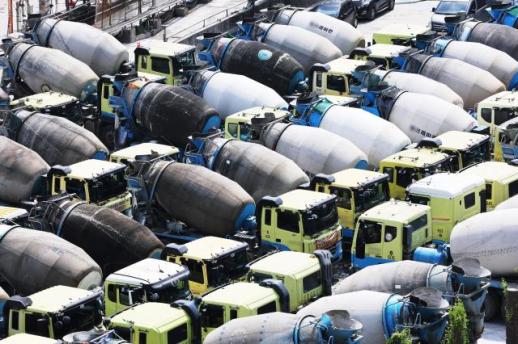 Why a concrete truck strike is threatening South Korea's high-tech chip ambitions SEOUL, June 11 (AJP) - The sprawling industrial belt south of Seoul is the heart of South Korea's semiconductor industry, home to the massive campuses of Samsung Electronics and SK hynix that dominate the global memory chip market powering the artificial intelligence boom. But activity across the region is beginning to slow because of a shortage of one of the most basic construction materials: concrete. A strike by ready-mix concrete truck drivers is exposing a critical vulnerability in South Korea's industrial supply chain, threatening to delay the construction of advanced semiconductor fabrication plants that underpin the country's economic growth strategy. The connection between raw concrete and microscopic silicon is fundamentally structural. Modern chip fabs require enormous, vibration-resistant foundations capable of supporting some of the world's most sophisticated manufacturing equipment. Because ready-mix concrete must be poured shortly after production to maintain structural integrity, even a temporary halt in deliveries can bring construction work to a standstill. Site preparation stops immediately, triggering a domino effect that delays structural work, cleanroom construction and ultimately the installation of chipmaking equipment. "In the long run, these construction delays could severely compromise the precision setup required for advanced microprocessing lines, particularly in critical areas like vibration control and cleanroom integration," said Lee Jong-hwan, a professor of system semiconductor engineering at Sangmyung University. The disruption began Monday when an estimated 8,000 unionized ready-mix truck drivers in Seoul, Incheon and Gyeonggi Province launched an indefinite strike. The walkout has effectively paralyzed much of the capital region's concrete delivery network, which accounts for the overwhelming majority of the country's 11,400 mixer trucks. At the center of the dispute are freight rates. Drivers are demanding higher transportation fees to offset inflation, rising maintenance costs and increased insurance premiums. Manufacturers argue that additional hikes are unsustainable amid a prolonged downturn in South Korea's construction market. Average transportation fees in the capital region have already risen nearly 36 percent over the past four years to 76,100 won ($55) per trip in 2025. For now, Samsung Electronics and SK hynix have largely avoided immediate disruptions by accelerating concrete pouring at key facilities ahead of the strike, including Samsung's massive semiconductor complex in Pyeongtaek. The contingency measures, however, offer only temporary relief. Industry officials warn that a prolonged labor dispute could jeopardize construction schedules at strategic projects including Samsung's next-generation fabrication facilities and SK hynix's semiconductor cluster in Yongin, one of the largest chip manufacturing projects currently under development globally. The urgency of the situation has prompted policymakers to consider extraordinary measures that would have been difficult to imagine only a few years ago. Ready-mix concrete is a highly perishable industrial product. Once mixed, it generally must be poured within about 90 minutes. Because there are virtually no practical substitutes at construction sites, industry officials warn that prolonged supply disruptions could bring work at key national industrial projects to a halt. Any significant delay carries enormous financial consequences. Semiconductor fabrication plants are among the most capital-intensive facilities in the world, with construction schedules closely synchronized with equipment deliveries, customer commitments and technology road maps. Delays can trigger substantial penalty payments, postpone production launches and potentially weaken South Korea's competitive position in the increasingly fierce global race for advanced semiconductors. In response, the government has begun reviewing emergency measures aimed at reducing the industry's dependence on conventional ready-mix supply networks. One option under consideration is easing restrictions on the installation of on-site batch plants — temporary facilities that produce concrete directly at construction sites. Batch plants precisely mix cement, sand, gravel and water to manufacture ready-mix concrete, effectively allowing large industrial projects to bypass traditional delivery systems. Such facilities have historically been subject to strict environmental regulations and complicated permitting requirements because of concerns over noise, dust and emissions. As a result, they have generally been limited to major infrastructure projects such as dams and large-scale civil engineering works. Allowing batch plants inside semiconductor industrial complexes would represent a significant policy shift. It would create a self-sufficient supply route capable of sustaining construction even during transportation disruptions while reducing reliance on regional suppliers and trucking networks. Industry observers say the proposal also sends a strong signal that the government is prepared to challenge longstanding local monopolies held by ready-mix suppliers and transport operators. Officials are also considering reforms to regulations governing mixer-truck registrations. Under the current system, authorities periodically restrict new registrations to balance supply and demand in the sector. The government is reportedly reviewing plans to shorten the adjustment cycle and ease entry barriers, potentially allowing more vehicles and alternative operators into the market during future disruptions. The discussions reflect a broader shift in industrial policy as strategic sectors such as semiconductors increasingly become matters of economic security. The approach echoes the government's hardline response to nationwide truckers' strikes in previous years, when authorities moved aggressively to prevent disruptions to critical supply chains. Policymakers now appear willing to deploy a broader range of regulatory and market-based measures when labor disputes threaten industries considered vital to national competitiveness. Despite the scale of the walkout, some industry observers believe the disruption may not evolve into a prolonged crisis. The strike is being led primarily by drivers affiliated with the Federation of Korean Trade Unions. Drivers belonging to the rival Korean Confederation of Trade Unions, along with non-unionized and directly employed operators, continue to work, helping alleviate some logistical bottlenecks. In an effort to prevent the dispute from escalating into a wider industrial crisis, the Construction Association of Korea has formally asked the Ministry of Land, Infrastructure and Transport to mediate negotiations between manufacturers and labor representatives. Any government intervention – much like its aggressive mediation to stop a Samsung Electronics strike last month - would underscore the strategic importance of semiconductor manufacturing, which has become one of the principal pillars supporting South Korea's export-driven economy. Semiconductors helped make South Korea the world's fifth-largest exporter in the first quarter and have provided a crucial buffer against mounting external risks, including the economic fallout from the prolonged conflict in the Middle East, disruptions to global shipping routes and persistent volatility in energy markets. For Seoul, the dispute is no longer simply about freight rates or concrete deliveries. It has become a test of how far the government is willing to go to safeguard industries deemed essential to the country's economic future — and whether South Korea's ambitions to remain a global semiconductor powerhouse can be derailed by a supply chain bottleneck as basic as concrete. 2026-06-11 10:51:43
 -
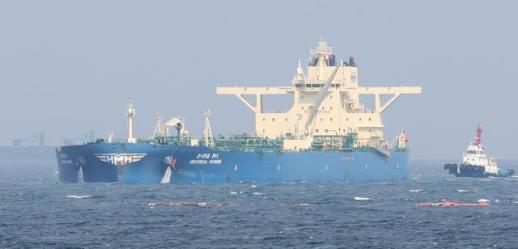 Second Korean vessel exits Strait of Hormuz after being stranded amid Middle East war SEOUL, June 11 (AJP) - A second Korean vessel stranded near the Strait of Hormuz due to the Middle East war has passed through the waterway, South Korea’s Oceans Ministry said Thursday. The latest passage came after the HMM-operated tanker Universal Winner became the first Korean vessel to exit the strait. The tanker, carrying 2 million barrels of crude oil, arrived at the port of Ulsan on Wednesday. The Ministry of Oceans and Fisheries said the second vessel was a liquefied natural gas carrier operated by a Korean shipping company. Eight Korean crew members were aboard the ship, which has now left the Strait of Hormuz and is sailing safely, according to the ministry. The vessel is headed to a third country, not South Korea, officials said. Negotiations with Iran to secure the vessel’s passage were reportedly led by the foreign charterer. A charterer refers to a company that leases a vessel from its owner or operator. “The ministry is supporting safe navigation through real-time monitoring and other measures,” the ministry said. “Detailed information on the vessel, including the shipping company, vessel name and charterer, cannot be disclosed in consideration of the crew members and the shipping company.” With the latest passage, the number of Korean vessels stranded in the Strait of Hormuz has fallen to 24. A total of 139 Korean crew members, including those aboard foreign-flagged vessels, remain in the area. The Foreign Ministry said Seoul has continued to stress to Iran the need for the swift and safe navigation of all vessels in the Strait of Hormuz, including Korean ships. “We are also continuing communication with relevant countries on the matter,” the ministry said. 2026-06-11 10:50:49
 -
 Shinhan Bank Launches Free Insurance to Protect Against Financial Fraud Shinhan Bank is offering a free insurance service to protect customers receiving basic pensions from financial fraud. This initiative aims to prevent increasingly sophisticated financial scams and enhance protections for elderly consumers. Starting June 11, Shinhan Bank announced that it will provide the 'Shinhan Financial Safety Free Insurance' benefits to customers receiving basic pensions. Applications can be submitted through the Shinhan SOL Bank until December 31. The coverage period lasts for one year after enrollment. This insurance is designed to support elderly customers who are particularly vulnerable to financial scams, including voice phishing and messenger phishing. Key coverage items include costs associated with recovering mistaken transfers, up to 3 million won, and compensation for damages from phishing scams, up to 10 million won. Shinhan Bank aims to expand the financial safety net for vulnerable groups through this free insurance initiative. A Shinhan Bank representative stated, "We have established this service to assist basic pension recipients in the event they encounter unexpected financial incidents. We will continue to provide practical support for financially vulnerable groups in the future."* This article has been translated by AI. 2026-06-11 10:48:00
 -
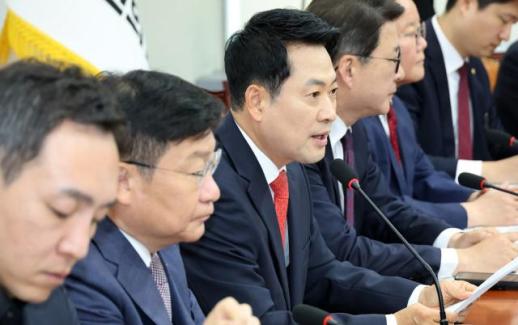 Woo Jae-jun Calls for Total Resignation of Leadership Amid Party Dispute Woo Jae-jun, a member of the Supreme Council of the People Power Party, proposed the total resignation of the party leadership during a meeting on June 11, following the results of the June 3 local elections. This sparked a public exchange of words with fellow Supreme Council member Cho Kwang-han, who dismissed Woo's comments as "childish." Jang Dong-hyuk, the party leader, emphasized the need to address the ballot shortage issue from the recent elections first.During the meeting, Woo stated, "The leadership must not evade evaluation and responsibility for the election results," adding that the current leadership should pave the way for a new leadership to prepare for the next general election. He suggested that the party hold another convention to allow members to re-evaluate Jang's leadership, saying, "This way, dissatisfied party members can accept the outcome, and we can unite again."Woo formally proposed, "I hope we all resign to open up the future for the next leadership." In response, Cho, aligned with the party establishment, criticized Woo's public remarks as politically immature. When Woo retorted, "How is that childish?" Cho suggested they discuss the matter quietly later.Another Supreme Council member, Kim Min-soo, questioned why those who have never properly attended closed meetings are working for personal factions rather than the party. He urged lawmakers to work for the people who elected them and for the leadership to serve the party members who chose them.Before concluding the meeting, Jang reiterated, "There is nothing more important right now than the ballot shortage issue in South Korea." He warned that failing to resolve this matter without any consideration could lead to severe public backlash. He expressed concern that if the party does not address this critical issue, there will be no hope for the next general election. Jang stressed that the party must take full responsibility for the situation and that the 110 lawmakers need to provide solutions to the ballot shortage before any leadership decisions can be made.After the closed meeting, Park Sung-hoon, the party's chief spokesperson, told reporters that Woo's comments were his personal opinion and not a consensus from the party leadership.* This article has been translated by AI. 2026-06-11 10:48:00
 -
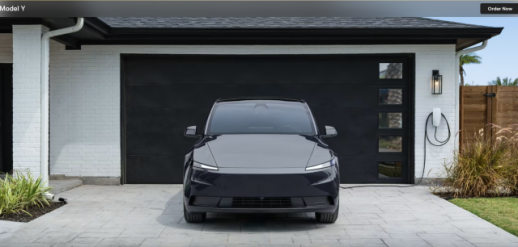 Tesla Model Y Tops Korean Electric Vehicle Market, Displacing Domestic Brands Tesla's Model Y became the best-selling passenger car in South Korea in May, marking the first time a foreign vehicle has topped the monthly sales rankings in the country. In May, 8,762 units of the Model Y were sold, surpassing the Kia Sorento (7,836 units) and Hyundai Grandeur (5,183 units). This is a notable shift in a domestic market long dominated by Hyundai and Kia, indicating a change in consumer preferences during the transition to electric vehicles. Elon Musk, Tesla's CEO, drew attention last month with a post on X (formerly Twitter) stating, "Korea is Awesome," which many interpreted as a reflection of Tesla's remarkable sales achievements in the South Korean market. The brand's overall performance was also impressive. Tesla sold 10,866 vehicles in South Korea in May, securing the top spot among foreign car brands. Cumulative sales from January to May reached 45,020 units, nearly 3.5 times the 12,835 units sold during the same period last year. This suggests that Tesla is rapidly expanding its influence in the domestic electric vehicle market beyond just the success of a single model. Traditionally, imported vehicles have been viewed as premium products with high purchase, maintenance, and repair costs in South Korea. In contrast, Hyundai and Kia have maintained a strong foothold in the domestic market due to their extensive service networks, high resale values, relatively low maintenance costs, and familiar driving experiences. Consumers have often preferred domestic brands for their ease of management and lower repair costs. However, as the transition to electric vehicles accelerates, this dynamic is changing. Consumers are now considering factors beyond brand loyalty and service networks, such as charging convenience, software performance, post-subsidy purchase prices, and operating costs. The Model Y has become more competitively priced after applying domestic electric vehicle subsidies. Some trims are now priced comparably to domestic electric SUVs and mid-sized internal combustion vehicles. Unlike the past perception of imported cars as "expensive," the Model Y has emerged as a realistic option when considering subsidies and lower operating costs. Charging infrastructure has also played a crucial role. In South Korea, where apartment living is more common than single-family homes, many consumers find it challenging to utilize personal garages or dedicated chargers. Consequently, the accessibility and convenience of public charging networks significantly influence purchasing decisions. In this context, Tesla's Supercharger network and integrated vehicle-charging ecosystem have alleviated concerns for first-time electric vehicle buyers. Features such as locating charging stations, managing charging status, and vehicle software integration differentiate Tesla from its competitors. For consumers with limited experience in electric vehicle ownership, the simplicity and predictability of the charging process are critical factors. Kim Min-sun, a 37-year-old designer who purchased a Model Y earlier this year in Seoul, stated, "Charging convenience was my most important criterion. In Korea, it's not easy to charge directly from a personal garage, so I had to carefully consider the charging network." Kim, who previously drove a Hyundai Grandeur, noted that fuel cost differences also influenced her decision. "It's much cheaper than driving a gasoline car," she said, adding, "When I compared fuel and charging costs, the difference was significant." Tesla's brand recognition is another advantage. For many South Korean consumers, Tesla represents the electric vehicle market, much like Apple symbolizes the smartphone industry. Despite Hyundai, Kia, and Chinese manufacturers rapidly expanding their electric vehicle lineups, Tesla's status is not easily replaceable. The growing importance of software experience in electric vehicle purchases also works in Tesla's favor. While traditional vehicles were primarily evaluated based on engine performance, ride comfort, and maintenance convenience, electric vehicles are now assessed on range, charging speed, in-car software, wireless updates, and infotainment experiences. Tesla has established a strong reputation in these areas. Chinese electric vehicle manufacturer BYD entered the South Korean passenger car market in January last year, leveraging price competitiveness, but still lags significantly behind Tesla. In May, BYD registered only 1,032 units in South Korea, about one-tenth of Tesla's monthly sales. While BYD is rapidly growing in the global market, it needs time to build brand recognition and consumer trust domestically. Consumer perception remains a challenge. Although interest in Chinese electric vehicles is rising, concerns about brand familiarity, after-sales service networks, and long-term reliability continue to influence purchasing decisions. This suggests that price competitiveness alone may not be enough to sway South Korean consumers. Kim Yoon-sung, a 30-year-old marketer living in Songpa, Seoul, considered BYD but ultimately chose the Kia EV4. He explained, "I didn't know much about BYD, and I had a vague aversion to Chinese cars. It's hard to pinpoint, but that feeling is definitely there." Japanese brands face their own challenges. While Toyota and Lexus have built strong trust in hybrid vehicles, they have yet to produce a pure electric vehicle that can match the demand for the Tesla Model Y in the domestic market. The image of being a hybrid leader has not seamlessly translated into the electric vehicle market. However, it is premature to conclude that Hyundai and Kia's competitiveness has been shaken by these results. Both companies continue to maintain a strong presence in the domestic market, supported by extensive service networks, flexible pricing policies, and high consumer trust. Factors such as repair costs, interior space, durability, and after-sales service remain crucial purchasing criteria for many consumers. While Tesla excels in software and charging ecosystems, concerns about vehicle maintenance and repair costs persist. Worries about repair expenses, parts replacement costs, and service center accessibility are reasons some consumers opt for domestic electric vehicles. Kim Yoon-sung also considered the Model Y but was deterred by repair costs. He said, "I've heard that Tesla has high repair costs, and that honestly made me hesitate." Ultimately, Tesla's success in May reflects not so much a direct weakening of Hyundai and Kia's dominance in the domestic market but rather a sign that the competitive standards in South Korea's electric vehicle market are evolving. Consumers are now evaluating vehicles based on a comprehensive set of criteria, including brand reputation, software, charging accessibility, operating costs, design, and after-sales service. While loyalty to domestic brands remains strong, the importance of charging ecosystems and user experiences is growing in purchasing decisions within the electric vehicle market. This shift creates opportunities for companies like Tesla, which possess a clear brand image and robust charging infrastructure, to rapidly increase their influence in the domestic market. The Model Y's status as the top-selling vehicle in May illustrates that maintaining market leadership in South Korea's evolving electric vehicle landscape may require more than just traditional strengths.* This article has been translated by AI. 2026-06-11 10:45:00
 -
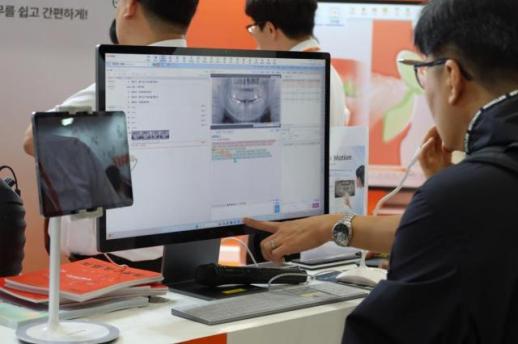 Osstem Implant Enhances OneClick Electronic Chart with AI Features Osstem Implant is accelerating the digital transformation of dental care by expanding the AI capabilities of its OneClick electronic chart. The aim is to reduce the workload of medical staff by allowing them to manage patient records, image interpretations, and patient interactions all within a single chart. On June 11, Osstem Implant announced enhancements to OneClick, including improved panoramic diagnostic features and the integration of AI technologies such as motion detection and speech-to-text (STT). The company emphasized that these upgrades focus on practical functionalities needed in clinical settings. The electronic chart system manages patient information, medical history, images, and questionnaires in digital format. It addresses limitations of paper charts, such as handwriting recognition issues and information omissions, thereby alleviating the burden on clinical staff. Osstem Implant has been refining OneClick since its beta version was launched in 2020. Among the newly added features, the most notable is the AI capability to analyze the risk of cavities. The company plans to introduce a system later this year that will assess diagnostic images and analyze the risk of cavities. This system is designed to assist medical staff in identifying areas they might overlook and to facilitate more intuitive explanations during patient consultations based on the big data the company has accumulated. Convenience features tailored to the clinical environment are also being enhanced. Motion detection technology allows for searching and inputting information without the need for mouse clicks or keyboard typing, enabling staff to interact with the system using hand gestures even while wearing gloves. The STT feature distinguishes between the dentist's and patient's conversations, automatically extracting key information and recording it in the electronic chart. An Osstem Implant representative stated, "Expanding AI-based clinical support functions is an effort to enhance the accuracy and efficiency of dental care. We will continue to introduce digital solutions that both medical staff and patients can benefit from." Meanwhile, the adoption of AI in the pharmaceutical and bio sectors, as well as in hospitals, is accelerating the digital transformation of the medical field. AI is playing a supportive role in various areas, including image interpretation, medical record management, prescription processing, and implant procedures, leading to improvements in diagnostic accuracy and efficiency. Industry insiders noted, "The impact of AI adoption by major companies is evident in improved diagnostic accuracy, reduced patient consultation times, and decreased workload for medical staff."* This article has been translated by AI. 2026-06-11 10:45:00
 -
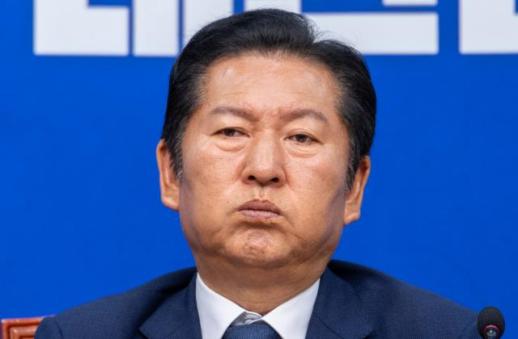 Jung Cheong-rae Calls for Unity in Democratic Party Amid Controversy Jung Cheong-rae, leader of the Democratic Party, emphasized the need for unity within the party on June 11, stating, "The party, government, and Blue House are always one team, one voice. We must unite for the success of the Lee Jae-myung administration and the task of reclaiming power." His remarks come amid rising tensions within the party following his statement on June 10 that "the people are eternal, and the regime is short-lived." During a party meeting held before the National Assembly session, Jung remarked, "South Korea is a country that possesses President Lee Jae-myung, and the world is paying attention to us. I believe that uniting for the success of the Lee administration is our historical mission." He added, "In the face of the significant task of ensuring the success of the Lee administration and reclaiming power, the most important thing is unity." Jung further stated, "If we think that we win together and lose together, we can overcome any difficulties together. As always, the party, government, and Blue House are one team, one voice. I ask for your cooperation." Earlier, after the Supreme Council meeting on June 10, Jung's comment about the people and the regime sparked controversy, with some party members questioning whether it was aimed at President Lee. Criticism also emerged from the pro-Lee faction within the party. Kim Yong, former deputy head of the Democratic Research Institute, described Jung's remarks on CBS Radio's "Park Seong-tae's News Show" as "a statement that should come from the opposition. It is a significant blunder." Additionally, lawmaker Moon Jin-seok expressed concern on Facebook, stating, "Such language is highly inappropriate for the leader of the ruling party. I am deeply worried about our party's future," targeting Jung's comments.* This article has been translated by AI. 2026-06-11 10:45:00
 -
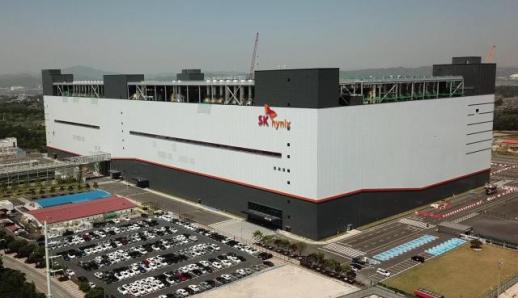 Safety Must Be a Priority in South Korea's Advanced Industries What industries sustain South Korea? Few would disagree that semiconductors, defense, batteries, and artificial intelligence (AI) are among them. The government has positioned the development of advanced industries as a national strategy, while companies continue to invest heavily to survive in global competition. However, a series of recent industrial accidents raises an important question: Is the foundation of competitiveness in advanced industries technology or safety? Two workers at the SK Hynix plant in Cheongju were transported to the hospital after coming into contact with a liquid suspected to be a toxic chemical. This substance is believed to be tetramethylammonium hydroxide (TMAH), used in semiconductor processes, although initial tests did not detect any toxic materials. The exact cause and composition must be confirmed through investigations by the relevant authorities. However, TMAH is a highly alkaline substance that can cause severe damage upon skin or respiratory contact, making even minor exposure a serious concern. The troubling aspect of this incident is that it does not appear to be an isolated case. The SK Hynix Cheongju facility has reportedly experienced a series of safety incidents, including fluoride leaks, equipment fires, and phosphoric acid exposure. If these were isolated accidents, they could be viewed as individual site issues. However, if similar incidents continue to occur, a comprehensive review of the safety management system is necessary. This is not just a problem for one company. Recently, an explosion at Hanwha Aerospace's Daejeon facility resulted in fatalities and injuries among workers. This site had also experienced multiple fatalities due to explosions in 2018 and 2019. Following the incident, Hanwha Group Chairman Kim Seung-yeon expressed condolences and promised a thorough review of the group's safety management system. However, public anxiety does not easily dissipate in the face of repeated accidents. Semiconductors and defense are South Korea's key strategic industries. SK Hynix plays a crucial role in the global semiconductor market by producing high-bandwidth memory (HBM), a key component in the AI era. Hanwha Aerospace is one of the leading companies in K-defense exports. However, if accidents continue to occur in these strategic sectors, the very competitiveness of the industry is at risk. When we think of advanced industries, we often envision dazzling future technologies like AI, robotics, semiconductors, and space industries. Yet, advanced industries are also inherently hazardous. Semiconductor plants handle a variety of chemicals, while defense facilities deal with explosives, propellants, and high-pressure equipment. As industries advance, the nature of risks does not diminish; rather, it can become more complex. Even more concerning is the current production environment. With rising demand for AI, semiconductor investments are rapidly increasing. Geopolitical instability is also expanding defense contracts. Companies are under pressure to ramp up production and meet deadlines. However, production speed must not outpace safety checks. As orders and production increase, investments in safety must lead the way. Common factors exist in workplaces where industrial accidents recur. Often, safety takes a backseat to productivity, deadlines, and cost-cutting measures. Most companies claim that safety is their top priority after an accident occurs. However, true safety management is reflected in preventive investments made before accidents happen, not in apologies issued afterward. Safety should be viewed as an investment, not a cost. While substantial funds are allocated for expanding production facilities, companies must not be stingy with investments in safety personnel, protective equipment, hazardous materials management systems, and emergency response training. Accidents lead not only to loss of life but also to production disruptions, damage to corporate trust, and harm to the national industrial image. Ultimately, failing to invest in safety becomes the most expensive cost of all. As we enter the AI era, companies are talking about a productivity revolution. They claim that AI will accelerate development and robots will enhance production efficiency. However, no matter how advanced technology becomes, nothing is more important than the lives of the people working on the ground. Technology exists for the benefit of people, not the other way around. The government's role is also crucial. The Ministry of Employment and Labor and industrial safety authorities must go beyond conducting special inspections and joint investigations after accidents. A proactive safety management system focused on prevention must be established for national strategic industries such as semiconductors, defense, and batteries. A preemptive inspection system that considers increased production and new investment plans is necessary. Companies must also change. Safety should not be treated merely as a line item in ESG reports. Safety metrics should be included in CEO performance evaluations, and a culture that values safety as much as production goals must be established. Workers on the ground should be granted the authority to stop work immediately if they perceive danger. South Korea aims to be a powerhouse in semiconductors and defense. However, true strength is not achieved solely through technological prowess. It requires a world-class safety culture to accompany world-class technology. The competitiveness of advanced industries ultimately stems from the people involved. The foundation is life. The principle is safety. The common sense is that no industry, no matter how important, can take precedence over human life. The reality of accidents at Hanwha Aerospace followed by incidents at SK Hynix can no longer be dismissed as mere coincidence. The greatest threat to South Korea's advanced industries may not be foreign competitors, but an outdated mindset that views safety as a cost. It is time to prioritize safety as a competitive advantage alongside productivity. This is the path for South Korea's industries to grow sustainably in the AI era.* This article has been translated by AI. 2026-06-11 10:42:00