

Journalist

Seo Hye-seung
-
 LG Household & Health Care Unveils Steroid-Free Solution for Female Hair Loss LG Household & Health Care has developed a new solution to alleviate female-pattern hair loss without using steroid ingredients. The company announced on June 2 that it has discovered a solution that can help improve the environment for hair growth and mitigate female-pattern hair loss without relying on steroid-derived components. This research was presented at the World Congress for Hair Research (WCHR). Historically, treatment options for female-pattern hair loss have been limited. Medications used for male-pattern hair loss, such as androgen inhibitors, are not suitable for women, and estrogen-based hormone therapies have been constrained by concerns over side effects and limited applicability. In this study, LG Household & Health Care confirmed that a non-steroidal substance derived from vitamin A can activate the estrogen receptor alpha (ERα), a receptor for female hormones. This substance was found to promote follicle activity and improve the hair growth environment, with clinical evaluations demonstrating its effectiveness in enhancing hair thickness. Notably, this research expands the scope of hair loss studies, which have primarily focused on dermal papilla cells, by opening the possibility of targeting both dermal papilla cells and hair follicle stem cells through the activation of estrogen receptors. This aspect has garnered attention in the academic community. Artificial intelligence (AI) technology played a significant role in the research process. LG Household & Health Care conducted AI simulations on approximately 420,000 candidate substances to analyze their binding potential with follicle-related proteins and their mechanisms of action. Additionally, by integrating lipid metabolism data and gene expression profiles related to female-pattern hair loss, the company identified ERα as a key target for hair loss improvement, with the vitamin A-derived substance emerging as a promising candidate for effective activation. LG Household & Health Care also revealed findings from its research on a new material called Ramsidil. In follicle tissue experiments, Ramsidil was shown to reduce the expression of DKK1, a factor that induces the transition to the hair shedding phase, thereby creating a favorable environment for hair growth. This candidate substance was also identified through AI simulations. The achievements of LG Household & Health Care's AI-based hair research do not stop there. Last month, the company announced the development of an optimal combination of ferulic acid, extracted from the herbal medicine Chuanxiong, and NMN, a substance known for extending skin lifespan, using AI. This combination was reported to enhance the proliferation of dermal papilla cells, the key cells for hair growth, and activate mitochondrial function, achieving a higher maintenance rate of the hair growth phase compared to minoxidil, a widely used hair loss treatment. This finding was published in the latest issue of Scientific Reports, a sister journal of Nature. Kang Nae-kyu, Chief Technology Officer (CTO) of LG Household & Health Care, stated, "We plan to continue collaborating with LG AI Research to advance our understanding of scalp aging mechanisms and focus on developing next-generation scalp and hair care solutions that can realize 'scalp longevity.'" * This article has been translated by AI. 2026-06-02 14:57:00
 -
 Dongyang, a Unit of Eugene Group, Announces 719 Billion Won Stock Buyback and Cancellation Dongyang, a subsidiary of Eugene Group, is taking steps to enhance its corporate value through a significant stock buyback and consolidation. On June 2, Dongyang held a board meeting and resolved to cancel a total of 24,611,979 shares, including 24,439,999 common shares and 171,980 preferred shares. The cancellation amounts to approximately 719 billion won based on book value, representing 10.26% of the total issued shares. This cancellation is expected to provide shareholder returns, as it involves a permanent buyback that will not re-enter the market. With the reduction in the number of issued shares, the value per share could increase based on the same corporate value and profits. A 10.26% decrease in the total number of shares could lead to an approximate 11% improvement in per-share metrics. Dongyang aims to clarify the direction of its stock buyback and continues to review its capital policy with a focus on maximizing shareholder value. In addition to the stock cancellation, the company plans to implement a 2-for-1 stock consolidation. This measure is intended to reduce the number of issued shares and normalize the trading price per share, thereby alleviating undervaluation perceptions and enhancing market confidence. The final decision will be made at an extraordinary shareholders' meeting scheduled for June 22. A Dongyang representative stated, "This stock cancellation demonstrates the company's strong commitment to enhancing shareholder value. By permanently canceling more than 10% of the total issued shares and consolidating stocks, we aim to increase the predictability of our capital policy and strengthen our investor relations activities to ensure that our corporate value is properly recognized in the market." * This article has been translated by AI. 2026-06-02 14:57:00
 -
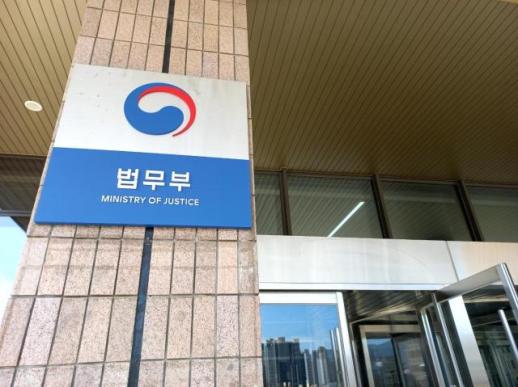 South Korea Revives Committee to Recover Assets from Pro-Japanese Collaborators The South Korean government is taking steps to recover assets unjustly accumulated by pro-Japanese collaborators, aiming to restore historical justice. On June 2, the government announced the re-establishment of the Pro-Japanese Property Investigation Committee and the enactment of the Special Act on the National Confiscation of Property of Pro-Japanese Collaborators. This marks the committee's revival after 16 years of inactivity. The new legislation will take effect on December 2, six months after its announcement. To ensure a smooth launch of the newly formed committee, a meeting of relevant ministries was held today under the auspices of the Blue House. The meeting focused on discussing specific cooperation strategies among ministries to lay a solid foundation for the committee's successful operation. Notably, the meeting led to the establishment of a preparatory team for the Pro-Japanese Property Investigation Committee under the Ministry of Justice. This team will be responsible for designing the committee's organization and operational plans, as well as gathering preliminary data to support the committee's activities. Justice Minister Jeong Seong-ho stated, "The announcement of the Pro-Japanese Property Confiscation Act has reestablished the institutional foundation for recovering pro-Japanese assets. The Ministry of Justice will work closely with relevant ministries to ensure that the newly initiated committee launches without any issues and receives the necessary support and preparation."* This article has been translated by AI. 2026-06-02 14:57:00
 -
 HK Inno.N's Beauty Brand B-Wants Launches at Olive Young in the U.S. HK Inno.N announced that its slow-aging skincare brand, B-Wants, will be available at the Olive Young store in Pasadena, California, as well as on its online platform. This entry into the U.S. beauty market represents more than just an expansion of sales; it is a strategic move to establish a global business foundation. With this launch, B-Wants aims to target local consumers in the U.S. The brand will showcase its flagship product, the Peptide-X Firming Eye Serum Stick, along with the Seaweed PDRN Glow Peel-Off Jelly Mask, Cica Collagen Moisture Serum, and Deep Toning Glutathione Ampoule Serum. The Olive Young Pasadena store, which opened on May 29, is the first U.S. location. To celebrate the store opening, B-Wants is participating in a "Grand Opening Deal" event, offering a 40% discount on three products: the Seaweed PDRN Glow Peel-Off Jelly Mask, Cica Collagen Moisture Serum, and Deep Toning Glutathione Ampoule Serum, available until June 11. A representative from HK Inno.N's beauty division stated, "Through this launch, we will expand consumer touchpoints and strengthen brand recognition in the U.S. market."* This article has been translated by AI. 2026-06-02 14:51:00
 -
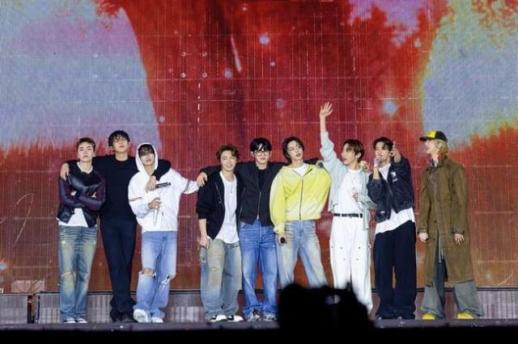 K-pop boy band SEVENTEEN Land at No. 7 on Billboard's Midyear Top Tours chart SEOUL, June 2 (AJP) - K-pop boy band SEVENTEEN ranked seventh on Billboard's midyear Top Tours chart, according to the biannual rankings compiled by the American music magazine. In the chart tracking the highest-grossing concert tours worldwide over the six-month period, the 23-member band generated about US$88 million from 25 shows during the tracking period from Oct. 1, 2025 to March 31, 2026. According to the group's agency Pledis Entertainment, their ranking was the highest among any K-pop act, drawing more than 574,000 concertgoers during the period. SEVENTEEN launched their world tour in September last year before wrapping it up with encore concerts in Incheon in April. Among fellow K-pop acts, girl group TWICE came next, placing 12th with about $58.3 million in revenue from 28 shows and more than 434,000 attendees. Another boy band TOMORROW X TOGETHER ranked 15th, earning about $53 million from 20 shows and drawing more than 412,000 concertgoers. Meanwhile, American singer Lady Gaga topped the overall chart with about $236.2 million in revenue, followed by Puerto Rican rapper Bad Bunny with about $230.3 million. 2026-06-02 14:50:41
 -
 Anthropic Leads AI IPO Race with $1.4 Trillion Valuation Anthropic has taken the lead in the race for an initial public offering (IPO) among AI companies by submitting a confidential S-1 registration statement to the U.S. Securities and Exchange Commission (SEC). On June 1, Anthropic officially announced that it had submitted the draft for its common stock offering to the SEC. The number of shares and the offering price have yet to be determined, and the timing of the IPO will depend on market conditions. The company is expected to go public in October 2026 and has enlisted the law firm Wilson Sonsini, which managed Google’s IPO in 2004, to expedite its preparations. This confidential filing comes less than a week after Anthropic raised $65 billion in a Series H funding round, establishing its valuation at $965 billion. During the Series H announcement, the company reported an annualized revenue of $47 billion, a significant increase from last year's $10 billion. Anthropic's valuation of $965 billion surpasses OpenAI's valuation of $852 billion as of March, setting a new record for AI companies. Founded in 2021 by researchers from OpenAI, Anthropic focuses on its flagship products, the Claude family of large language models and the coding assistant Claude Code. Anthropic's advantage in the IPO race against OpenAI is attributed to structural issues. OpenAI has not yet completed its transition from a nonprofit to a for-profit entity, which could delay its IPO schedule. This situation increases the likelihood that Anthropic will be the first AI company to debut in the public market. Anthropic aims to reach profitability by 2028, two years ahead of OpenAI's target of 2030, which has led to positive assessments of its financial health. Elon Musk's SpaceX is also set to begin a roadshow on June 4, aiming to raise approximately $75 billion with a target valuation of $1.75 trillion. The simultaneous visibility of IPOs from Anthropic, OpenAI, and SpaceX is raising expectations for a robust U.S. IPO market. Goldman Sachs predicts that if major deals like SpaceX, OpenAI, and Anthropic materialize, the total amount raised from U.S. IPOs this year could reach a record $160 billion, nearly four times the amount raised the previous year. South Korean companies have significant exposure to Anthropic. SK Telecom invested about $100 million in Anthropic in August 2023 to establish a strategic partnership, when Anthropic's valuation was around $5 billion. Following the Series H funding, the value of SK Telecom's stake is estimated to be as high as 4 trillion won, suggesting a potential return of over 20 times the initial investment. Samsung Electronics and SK Hynix also participated as "strategic infrastructure partners" in the Series H round, securing stakes, although the investment amounts were not disclosed. Industry insiders suggest that Samsung's role may extend beyond memory supply to include the production of custom AI chips for Claude. Anthropic's announcement noted that its partners' technologies play a crucial role in both memory and storage as well as logic chip supply. * This article has been translated by AI. 2026-06-02 14:48:00
 -
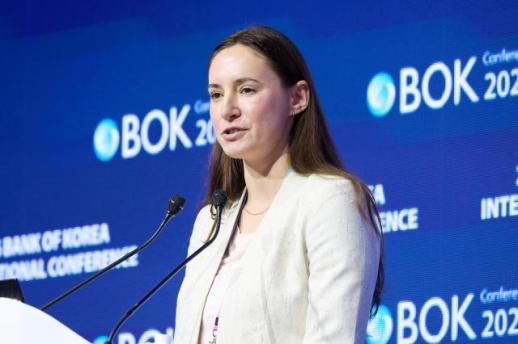 AI Emerges as a Tool for Monetary Policy and Financial Stability, Central Banks Must Adapt A recent analysis suggests that artificial intelligence (AI) will revolutionize the core functions of central banks. Given AI's potential applications in monetary policy formulation and financial stability monitoring, experts argue that central banks must undergo fundamental reforms. Sophia Kazinnik, a senior researcher at Stanford University's Digital Economy Research Institute, presented these insights on June 2 at the '2026 BOK International Conference' in Seoul. Kazinnik stated, "In monetary policy, AI can enhance the accuracy of real-time predictions by extracting and filtering high-frequency data, such as online product price listings and satellite image analysis, to complement the lag in official statistics. In terms of financial stability, large-scale unstructured text analysis can proactively identify signals of systemic risk." Despite these advantages, the adoption of AI in global central banks has been slow due to the complexity of public objectives and the stringent accountability required. Sharing sensitive information externally poses additional challenges. In contrast, the Bank of Korea (BOK) implemented its sovereign AI, 'BOKI,' in January, becoming the first among global central banks to do so. This system is currently used for tasks such as report translation, regulatory searches, and policy support. During the presentation, experts emphasized the necessity of building integrated databases, expanding computing infrastructure, and ensuring access to computing resources to facilitate AI utilization. Kazinnik noted, "Given the nature of central bank operations, a certain level of data barriers is inevitable for personal data and governance control. However, to resolve bottlenecks in large-scale data usage and perform advanced analytics, establishing a 'data lake' is essential." When the Federal Reserve (Fed) in the United States integrated AI into its operations, it was found to significantly enhance productivity. The New York Fed alone saved approximately 1.17 million hours annually in its open market operations. Treasury Services at the St. Louis and Atlanta Feds are projected to save 3.18 million hours, while cash operations managed by the San Francisco, Kansas City, and Dallas Feds are expected to reduce labor hours by 3.51 million through AI. Kazinnik recommended that to successfully implement AI, central banks should designate AI representatives within departments to foster a culture of self-directed learning, rather than solely relying on external experts. He emphasized, "For central banks to fully realize the potential of AI, they must fundamentally innovate not only the related infrastructure but also their operational processes, systems, and norms alongside the technology." 2026-06-02 14:48:00
 -
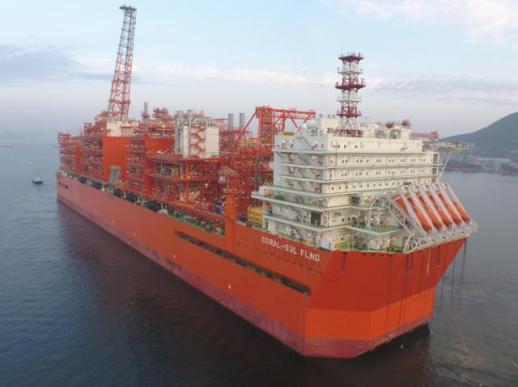 Samsung Heavy Industries Wins $3.2 Billion FLNG Contract in North America Samsung Heavy Industries has secured a contract for one floating liquefied natural gas production facility (FLNG) worth 4.33 trillion won (approximately $3.2 billion) from a client in North America. According to Samsung Heavy Industries, construction is set to begin following the issuance of the client's notice to proceed, with delivery scheduled for July 2030. The company has reportedly captured 64% of the global FLNG market, having secured seven out of the eleven new FLNG units built to date, including the world's largest FLNG, Shell's Prelude. A Samsung Heavy Industries official stated, "This contract reaffirms our overwhelming competitiveness in the FLNG sector, and we will continue to achieve success in the global FLNG market based on our proven technology and execution experience." Meanwhile, Samsung Heavy Industries' cumulative orders for the year have reached a total of 28 vessels worth $8.3 billion, achieving 60% of its annual order target of $13.9 billion. Following a recent order on May 27 for one LNG carrier, two large gas carriers, and two oil tankers from a Bermuda-based shipping company, Samsung Heavy Industries continues to build on its recent successes.* This article has been translated by AI. 2026-06-02 14:45:00
 -
 SpaceX Plans $750 Billion IPO, Allocates 5% of Shares to Employees and Associates SpaceX has allocated a portion of its shares for its upcoming initial public offering (IPO) to employees and associates. The company is preparing for a massive listing expected to raise approximately $750 billion, while also revealing the possibility of an early termination of a significant AI computing lease with Anthropic. On June 1, CNBC reported that SpaceX disclosed in a revised securities filing that up to 5% of the IPO shares will be allocated to a direct stock program. This program allows employees, customers, partners, and other designated individuals to purchase shares. The recipients will include 'specific employees and personnel,' with participation determined at the discretion of management. Those who acquire shares will be able to sell them immediately after the IPO. Typically, in an IPO, initial shares are allocated primarily to large institutional investors. The direct stock program opens a portion of these shares to company insiders and customers. CNBC noted that companies like Airbnb, Uber, and Rivian have utilized similar programs during their IPO processes. The scale of this IPO is unprecedented. CNBC estimates that SpaceX will raise about $750 billion from this listing. Earlier this year, Elon Musk indicated a company valuation of $1.25 trillion when he merged AI startup xAI with SpaceX. According to CNBC, only Facebook and Alibaba have surpassed a $100 billion valuation on their first day of trading on U.S. exchanges. The IPO timeline is also approaching. SpaceX may hold an investor presentation as early as this week, with a potential Nasdaq listing on June 12. Goldman Sachs and Morgan Stanley are serving as lead underwriters, with Morgan Stanley managing the direct stock program. The revised filing also included details about the AI computing lease with Anthropic. SpaceX is leasing computing capacity equivalent to approximately 325,000 NVIDIA GPUs to Anthropic at its Colossus and Colossus II facilities in Greater Memphis, Tennessee. Under the agreement, Anthropic will pay SpaceX $1.25 billion per month until May 2029, following a two-month preparation period. However, the contract can be terminated by either party with 90 days' notice after the initial three months. This new information raises concerns that a contract, which could be a significant source of long-term AI revenue for SpaceX, may end within six months. On the same day, Anthropic also announced that it had submitted a confidential IPO filing to the U.S. Securities and Exchange Commission (SEC). As both SpaceX and Anthropic pursue IPOs simultaneously, the sustainability of AI infrastructure investments and large computing contracts will likely become focal points for market evaluations.* This article has been translated by AI. 2026-06-02 14:42:00
 -
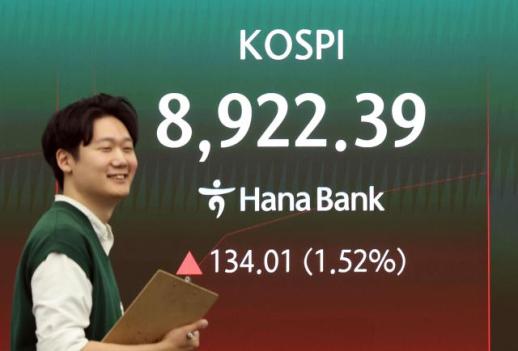 South Korea's Stock Market Surpasses India to Become Sixth Largest Globally South Korea's stock market has surpassed India to become the sixth largest in the world, driven by a surge in shares of Samsung Electronics and SK Hynix amid a boom in artificial intelligence (AI) memory semiconductors. According to Bloomberg, as of June 1, the market capitalization of South Korea's stock exchange stood at $5.42 trillion (approximately 7,550 trillion won), surpassing India's market capitalization of $4.84 trillion. Bloomberg calculates market capitalization based on total outstanding shares, excluding exchange-traded funds (ETFs) and American depositary receipts (ADRs). The South Korean stock market has experienced a sharp upward trend this year, steadily climbing the global rankings. As of April 27, the market capitalization reached $4.04 trillion, moving past the United Kingdom ($3.99 trillion) to become the eighth largest globally. At that time, the KOSPI index broke the 6,600 mark for the first time, propelled by a rally in AI semiconductors led by Samsung and SK Hynix. On May 6, the market capitalization increased to $4.59 trillion, allowing South Korea to surpass Canada ($4.05 trillion) and rise to seventh place. The KOSPI index also crossed the 7,000 mark for the first time based on closing figures. The strong performance in semiconductors has continued, enabling South Korea to overtake India and secure the sixth position globally. This year, South Korea's stock market capitalization has increased by 86%, while India's has decreased by about 9%. Both Samsung Electronics and SK Hynix have surpassed a market capitalization of $1 trillion this year, leading the KOSPI's upward trend and helping South Korea rise from eighth to sixth place in just over a month. Currently, the only stock markets larger than South Korea's are those of the United States ($79.47 trillion), mainland China ($15.09 trillion), Japan ($8.63 trillion), Hong Kong ($7.24 trillion), and Taiwan ($5.15 trillion). Bloomberg analysts attribute South Korea's rapid ascent to its critical role in the AI semiconductor supply chain. Ross McGarry, a senior analyst at UK-based asset management firm Asset Value Investors, told Bloomberg, "The memory cycle has driven the rally, and the key question will be whether South Korea can sustain this revaluation through corporate governance reforms."* This article has been translated by AI. 2026-06-02 14:30:00