


Latest by
-
 Global Attention on 'K-Medical': Seoul Asan Hospital Ranks in Top 10 in Six Categories Seoul Asan Hospital has achieved remarkable recognition in the 'World's Best Hospitals 2027' rankings by Newsweek, placing in the top 10 in six out of 13 clinical categories. The hospital's endocrinology department ranked second globally, marking the highest position ever for a domestic hospital.According to the medical community, Newsweek conducts its annual evaluation of the world's best hospitals in collaboration with the global research firm Statista. This year's assessment considered recommendations from medical professionals, patient-reported outcome measures (PROMs), and international certifications across healthcare institutions in over 30 countries. Alongside Seoul Asan Hospital, Samsung Medical Center and Severance Hospital also received high marks.In this evaluation, Seoul Asan Hospital secured second place in endocrinology, fifth in gastroenterology and urology, sixth in oncology, and ninth in neurology and nephrology. It is the only hospital in South Korea to have six departments ranked within the top 10 globally.The hospital also ranked first domestically in six categories: endocrinology, gastroenterology, neurology, nephrology, cardiology, and cardiac surgery, the highest number for any hospital in the country. Notably, the endocrinology department has consistently ranked among the top five in the world for seven consecutive years, achieving second place this year.The evaluation was based on an online survey of healthcare professionals (83.5%), international certifications of medical institutions (10%), and the implementation of patient self-assessment tools (PROM) (6.5%). The final results were published on Newsweek's website on September 17.This year, eight departments saw an increase in their rankings. Neurosurgery rose 27 spots, obstetrics climbed 11, cardiac surgery improved by seven, respiratory medicine by six, cardiology by four, and both endocrinology and pediatrics moved up two spots, while urology increased by one. Orthopedics ranked 11th, cardiology 13th, respiratory medicine 14th, and cardiac surgery 23rd, all receiving commendable evaluations.Seoul Asan Hospital has established itself as a global medical center, attracting over 20,000 foreign patients annually from countries including the United States, the United Arab Emirates, and Mongolia. International medical professionals frequently visit the hospital to learn treatment techniques for severe illnesses. In the past decade, more than 3,500 medical professionals from over 90 countries have visited Seoul Asan Hospital.Park Seung-il, president of Seoul Asan Hospital, stated, "Since our opening in 1989, we have declared ourselves a patient-centered hospital and have dedicated ourselves to enhancing patient safety and medical quality. This commitment has resulted in our six departments being ranked among the top 10 in the world in this evaluation."Samsung Medical Center ranked fifth globally and first in Korea for cancer care. It has maintained its position as the top hospital in the Asia-Pacific region since 2024, receiving high praise for its advanced cancer treatments, including proton therapy, CAR-T cell therapy, and precision oncology.Since opening Asia's largest single-building cancer hospital in 2008, Samsung Medical Center has strengthened its capabilities in treating severe cancer patients by introducing CAR-T cell therapy and operating a proton therapy center. The five-year survival rate for patients treated at the cancer hospital is 75.4%.The respiratory medicine department also continued its upward trend, ranking 12th globally, having improved from 28th in 2024 to 19th last year and now to 12th this year.Severance Hospital ranked second overall based on the number of clinical specialties ranked first in Korea. It demonstrated strong clinical competitiveness by achieving first place in three specialties: neurosurgery, orthopedics, and obstetrics.Notably, the orthopedics department rose from second to first in Korea this year, with its global ranking improving from ninth to sixth. The endocrinology department also entered the top 10 globally, moving up two spots from 12th last year to 10th this year. 2026-09-18 13:28:00
 -
Highway Gas Prices to Drop by 100 Won, Gas Stations Protest The government announced a 100 won per liter reduction in fuel prices at highway gas stations during the Chuseok holiday, prompting a strong backlash from the gas station industry.On September 18, the Korea Gas Station Association criticized the government's decision to lower prices at 226 highway gas stations managed by the Korea Expressway Corporation from September 24 to 27, arguing that artificially lowering prices at specific stations distorts competition with regular gas stations.The association emphasized that the recent surge in international oil prices has already increased the operational burden on gas stations. They warned that applying additional price cuts solely to highway stations could widen the price gap with regular gas stations, making fair competition difficult.Gas stations are already struggling with reduced profit margins due to high oil prices and the implementation of a maximum price system. They are also facing rising operational costs, including credit card fees, transportation, labor, rent, and electricity. As a result, many gas stations are finding it increasingly challenging to secure even minimal operating profits, leading to closures.The association stated, "In this context, applying a uniform price reduction of 100 won per liter only to highway gas stations effectively forces regular self-operated gas stations to close during the Chuseok holiday without any support." They noted that the Chuseok holiday is a peak travel period, which could lead to customer loss and decreased sales for regular gas stations near highways, national roads, and urban areas. There are also concerns that a widening price gap between highway and regular gas stations could create a perception among consumers that regular stations are relatively more expensive.The association expressed understanding of the government's intention to alleviate the burden of high fuel prices but insisted that it should not require further sacrifices from regular self-operated gas stations by artificially lowering prices at specific locations. They reiterated that if highway gas stations receive an additional 100 won price cut, it would be akin to telling regular gas stations to close during the holiday.They urged the government to ensure that any price reduction policy does not disproportionately benefit specific gas stations but instead includes practical support measures and compensation plans that allow all gas stations to participate. 2026-09-18 13:28:00
-
 Sumair launches South Gyeongsang tour package from Gimpo SEOUL, September 18 (AJP) - Regional airline Sumair has launched a package tour connecting Seoul-area travelers with smaller cities in South Gyeongsang Province, combining flights, accommodation, meals and local guides. The airline said Friday it partnered with the Gyeongnam Tourism Foundation and Hadong Nolluwa Cooperative to launch the three-day “South Coast Local Tour,” covering Sacheon, Namhae and Goseong. Sumair has operated four daily round trips between Gimpo and Sacheon since beginning commercial service in March. The new package will run from Oct. 9 to 11 and is priced at 250,000 won ($180) per person. The fare includes round-trip Sumair flights, local transportation, accommodation, meals and a guide. The itinerary includes the Sacheon Sea Cable Car, Darangee Village and traditional bamboo fishing weirs in Namhae, as well as Sangjogam in Goseong. “We launched the South Coast Local Tour to make it easier for travelers from the Seoul metropolitan area to experience destinations along the southern coast through faster and less tiring air travel,” a Sumair official said. The airline said it plans to continue working with regional partners to expand tourism demand through its Gimpo-Sacheon route. AJP Takeaways - Sumair launched a three-day South Gyeongsang package tour covering Sacheon, Namhae and Goseong. - The 250,000 won package includes round-trip flights, transportation, accommodation, meals and a local guide. - The tour builds on Sumair’s Gimpo-Sacheon service as the airline works with regional partners to boost local tourism. 2026-09-18 13:10:12
 -
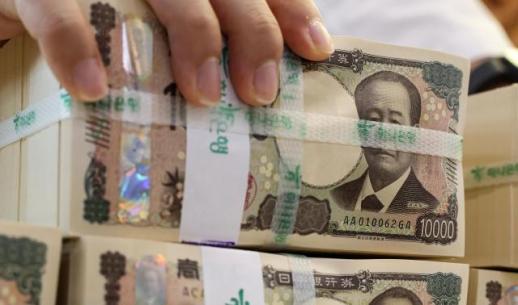 Seoul markets take Japan's 31-year high rate in stride SEOUL, September 18 (AJP) -South Korean capital markets responded coolly to the Bank of Japan's rate hike to a 31-year high Friday, with the widely expected move causing little ripple as the global tightening cycle had largely been priced in. The Bank of Japan (BOJ) raised its benchmark interest rate by 25 basis points to 1.25 percent in a 7-2 vote at the end of its two-day monetary policy meeting, resuming tightening after a three-month pause. The increase took the policy rate to its highest level since 1995. The South Korean won showed little immediate reaction to the decision. The U.S. dollar rose to 1,386.1 won as of 1:40 p.m. after touching 1,379.02 won earlier in the session. KOSPI was 2.6 percent higher at 6,890.88. Flattening deepened in the bond market as shorter-dated yields held firmer while longer maturities declined. The two-year government bond yield stood at 3.997 percent and the three-year yield at 4.034 percent. The benchmark 10-year yield fell 5.4 basis points to 4.452 percent, while the 30-year yield declined 3.3 basis points to 4.574 percent. The moves extended the flattening of South Korea's yield curve seen after the U.S. Federal Reserve raised its benchmark rate by 25 basis points earlier this week, as investors priced in tighter global monetary conditions while seeking longer-dated government bonds. AJP TAKEAWAYS - A 25-basis-point hike lifted the BOJ's benchmark rate to 1.25 percent, its highest level since April 1995. - The 7-2 decision marked Japan's first rate increase since June, while markets shifted their attention to Ueda's guidance on the pace of further tightening. - In Seoul, the dollar-won rate climbed to around 1,385 shortly after the decision, while Korean government bond yields had fallen broadly at the morning close. 2026-09-18 13:08:33
 -
Jeon Min-kyu Joins Musical 'Morning Comes to the Psychiatric Ward' as Lee I-o 그룹 DKZ 출신 전민규가 뮤지컬 '정신병동에도 아침이 와요'에 합류하며 '뮤지컬계 기대주'로서 쉼 없는 열일 행보를 이어간다. 민규는 지난달 26일 막을 내린 뮤지컬 '은밀하게 위대하게 : THE LAST' 마지막 공연을 성황리에 마치며 약 3개월간의 여정을 성공적으로 마무리했다. 그간 '삼총사', '5! 해피맨', '조로: 액터뮤지션' 등 다양한 작품에서 탄탄한 가창력과 섬세한 연기력으로 호평받아 온 민규는 차기작으로 '정신병동에도 아침이 와요'를 선택해 또 한 번 새로운 연기 변신에 나선다. 오는 10월 31일 이화여자대학교 삼성홀에서 개막하는 뮤지컬 '정신병동에도 아침이 와요'는 이라하 작가의 동명 인기 웹툰을 원작으로 한 작품이다. 정신건강의학과 간호사 정시나가 환자들을 돌보는 과정에서 자신의 마음이 무너지고 있음을 깨닫게 되며 벌어지는 이야기를 그린다. 아픈 사람과 그렇지 않은 사람을 나누는 경계를 허물고, 서로의 마음을 돌보며 일어서는 사람들의 따뜻한 서사를 무대 언어로 확장했다. 이번 작품에서 민규는 극 중 '이이오' 역으로 캐스팅됐다. 이이오는 의료진과 환자의 경계를 넘어 상황에 따라 1인 다역을 소화하며 서사를 전개한다. 매 작품마다 폭넓은 캐릭터 소화력을 증명해 온 민규가 현실과 환상이 교차하는 정신병동이라는 공간 속에서 '이이오'의 매력을 어떻게 입체적으로 묘사할지 팬들의 기대가 모이고 있다. 뮤지컬 '정신병동에도 아침이 와요'는 빛과 그림자를 활용한 상징적인 무대 연출과 7인조 라이브 오케스트라의 풍성한 음악으로 인물들의 심리를 시각적, 청각적으로 섬세하게 풀어낼 예정이다. 민규를 비롯해 유주연, 최태이, 정동화, 성연, 최민우, 조성태 등 실력파 배우들이 대거 캐스팅되어 밀도 높은 앙상블을 예고했다. 한편 2026 예술경영지원센터 대형뮤지컬 지원사업 선정작인 뮤지컬 '정신병동에도 아침이 와요'는 오는 10월 31일부터 11월 22일까지 이화여자대학교 삼성홀에서 공연된다. 티켓은 오는 9월 22일 오후 2시 티켓링크를 통해 예매가 시작된다.* This article has been translated by AI. 2026-09-18 13:04:00
-
President Lee: I Am Not Here for Popularity, I Will Continue Reforms 이재명 대통령은 18일 “좋은 평가를 받거나 인기를 누리기 위해 이 자리에 있는 것은 아니다”며 반발이 따르더라도 필요한 개혁 과제를 계속 추진하겠다는 뜻을 밝혔다.이 대통령은 이날 청와대에서 열린 기자회견에서 대통령이 직접 결정할 사안과 부처에 맡길 사안을 구분하는 기준을 묻는 취재진의 질문에 “제가 대통령이 된 것은 권위나 명예를 누리거나 자리가 좋아서가 아니라 일을 하고 싶었기 때문”이라며 이같이 말했다.이 대통령은 “각 부처의 일상적인 사무에는 가급적 관여하거나 보고받는 것을 자제하고, 청와대는 국민 속에서 새롭게 제기되는 문제와 과제를 발굴해 각 부처에 넘겨주는 데 집중하자는 방침을 정했다”고 설명했다.이어 “만기친람할 시간도 역량도 없다”며 “권한은 주되 책임은 확실하게 묻는다는 것이 기본 원칙”이라고 강조했다. 부처의 통상 업무와 부처가 판단할 수 있는 사안은 맡기되, 이해관계가 첨예해 부처 차원에서 결론을 내리기 어려운 문제는 대통령이 책임지고 결정하겠다는 취지다.이 대통령은 임신중지 약물인 일명 ‘미프진’의 도입 추진을 대표적인 사례로 들었다. 그는 “낙태를 어느 범위까지 허용할지, 미프진을 허용할지를 결정하면 어느 한쪽으로부터 비판받게 되기 때문에 보통은 아무것도 하지 않게 된다”며 “이래서는 안 된다”고 말했다.이어 “제가 직접 지시하지 않았다면 미프진 문제는 임기가 끝날 때까지 지금 상태로 유지됐을 것”이라며 “민생 개혁 과제를 우선 처리하면서도 결정하기 어려운 난제들을 정부의 책임 아래 풀어나가겠다”고 밝혔다.개혁 추진 과정에서 이해관계자들의 반발이 누적되면서 국정 동력이 약화될 수 있다는 점도 언급했다. 이 대통령은 “개혁 과제를 하나씩 추진할 때마다 반대자와 반발이 쌓이고 개혁의 힘은 점점 약해진다”며 “결국 반발이 없는 일만 하고, 당연히 해야 할 일을 대단한 성과처럼 포장하게 된다”고 지적했다.부동산 개혁의 일환으로 추진 중인 농지 전수조사를 둘러싼 논란에 대해서도 “농사를 짓겠다고 허가받아 농지를 산 뒤 실제로는 농사를 짓지 않는 투기 사례를 가려내기 위한 조사”라며 “농사를 짓다 어려움에 처한 사람에게 농지를 강제로 팔게 하려는 것이 아니다”고 설명했다.이어 “이익을 잃는 사람들은 조직된 콘크리트처럼 반발하지만 찬성하는 사람들은 모래알처럼 흩어져 있다”며 “저에게 권한을 준 이유가 그런 일을 해내라는 것이기 때문에 국민에게 약속한 일을 할 수밖에 없다”고 말했다.이 대통령은 “언젠가 국민께서 ‘많은 것이 바뀌었고 내 삶도 나아졌다’고 체감하면 평가도 좋아질 수 있을 것으로 기대한다”고 밝혔다. 이어 “일과 결과에 너무 집중하다 보니 그 과정에서 세심하지 못했던 것이 매우 큰 문제였다는 점을 아프게 깨달았다”며 “더 많이 소통하고 듣고 존중하겠다”고 말했다.그러면서 “당초 하고자 했던 일들은 결코 포기하지 않고 힘들더라도 계속해 나가겠다”며 “모두가 함께 잘사는 대동세상, 반칙과 특권이 없는 공정한 세상을 만들기 위해 최선을 다하겠다”고 강조했다.* This article has been translated by AI. 2026-09-18 12:52:00
-
Kim Jeong-yeol Appointed as New Head of Korea Disability Development Institute The Ministry of Health and Welfare announced on September 18 that Kim Jeong-yeol has been appointed as the sixth head of the Korea Disability Development Institute. Kim, a seasoned expert with extensive experience in designing disability policies and practical fieldwork, will focus on enhancing the institute's role and improving its structure to prioritize the protection of disability rights.Kim's term will run from September 18, 2026, to September 17, 2029. His appointment followed a selection process that included document reviews and interviews conducted by the Korea Disability Development Institute's executive recommendation committee, culminating in a final decision by the Minister of Health and Welfare.Born in 1960, Kim Jeong-yeol graduated from Soongsil University with a degree in business administration, later earning a master's degree in social welfare from Chung-Ang University and completing a doctoral program in rehabilitation studies at Hanshin University. He served as the director of the Korea Institute for the Rights of Persons with Disabilities from 1988 to 2006, contributing to the advancement of disability rights. He has also held key positions, including Secretary General of the Korea Association of Persons with Disabilities (March 2006 to September 2008) and Chair of the Social Value Research Institute (January 2015 to December 2019). Additionally, he was the director of a vocational rehabilitation facility for individuals with severe disabilities, known as Leadric, from November 2010 to May 2021.The Ministry of Health and Welfare stated, "Kim Jeong-yeol is an expert with comprehensive experience in policy design and practical work in the field of disability policy. We expect him to significantly contribute to strengthening the functions and roles of the Korea Disability Development Institute and advancing disability welfare."* This article has been translated by AI. 2026-09-18 12:44:00
-
President Lee Addresses Conflict Over Supreme Court Nominee Recommendations 이재명 대통령은 18일 대법관 후보자 재제청을 둘러싼 청와대와 대법원의 갈등과 관련해 “국가기관들에 독립성을 부여하는 이유가 무엇인지 생각해봐야 할 것 같다”고 밝혔다.이 대통령은 이날 청와대에서 열린 기자회견에서 조희대 대법원장의 대법관 후보자 서면 제청과 청와대의 재제청 요구에 관한 입장을 묻는 질문에 이같이 답했다. 다만 재제청 요구의 정당성이나 사법부 독립 논란에 대해서는 구체적으로 언급하지는 않았다.앞서 조 대법원장은 지난달 18일 노태악 전 대법관의 후임으로 손봉기 대구지법 부장판사를 이 대통령에게 서면으로 제청한 바 있다.청와대는 같은 달 28일 손 후보자에 대한 임명동의안을 국회에 제출하지 않기로 하고 조 대법원장에게 다른 후보자를 제청해 달라고 요청했다. 대법원장이 후보자 제청을 장기간 미룬 데다 대통령과의 실질적인 협의 없이 일방적으로 서면 제청해 절차적 완결성을 갖추지 못했다는 이유에서다.청와대는 당시 대법원장의 제청권이 대통령의 임명권을 대체하거나 무력화하는 권한은 아니라며, 기존 대법관후보추천위원회가 추천한 후보 가운데 다른 인물을 제청해 달라는 입장을 밝혔다.반면 야권과 일부 법조계에서는 헌법이 대법원장에게 부여한 제청권을 대통령이 사실상 무력화해 사법부 독립을 침해할 수 있다는 비판이 제기됐다.조 대법원장은 전날 아시아·태평양 대법원장회의 개회식에서 “어떤 도전에 직면하더라도 사법권의 독립은 반드시 지켜져야 한다”고 밝혔다. 다만 대법관 재제청 요구에 대한 직접적인 입장은 내놓지 않았다.* This article has been translated by AI. 2026-09-18 12:40:00
-
Dongwon F&B Launches Chuseok Health Supplement Sale with Discounts up to 71% Dongwon F&B is running a promotional sale on major products from the comprehensive health supplement brand GNC and the ginseng specialist brand Cheonjian in celebration of the Chuseok holiday.As of September 18, Dongwon F&B announced that it will offer discounts on popular health supplement gift sets and provide free gifts at GNC and Cheonjian stores nationwide and major online malls until September 30.In over 70 GNC stores across the country, all items will be discounted by 30%. Customers who purchase four or more representative products, such as 'Mega Man Impact' and 'Women's Ultra Mega Impact,' will receive a 40% discount. At Cheonjian stores, new products like 'Jin Hyang Dalim 100' and 'Hong Sam Vitality Jin' will be available at a 50% discount. A free gift promotion will also be held based on purchase amounts.On online channels like GNC and Cheonjian's Naver Smart Store, discounts are even more substantial. Popular holiday gift sets, including 'GNC Milk Thistle' and 'Cheonjian Root Power Ginseng Cultured Root,' can be purchased at discounts of up to 71%.A representative from Dongwon F&B stated, "In celebration of Chuseok, we have prepared a diverse lineup of health supplements and ginseng products with generous benefits. We hope this promotion serves as an opportunity to gift health to loved ones."Founded in 1935 in Pittsburgh, GNC is a global health supplement brand known for its vitamins and nutritional supplements. Dongwon F&B has been the exclusive importer and distributor in South Korea since 2002. Cheonjian is Dongwon F&B's premium ginseng and health supplement brand, offering a variety of products made from six-year-old ginseng, including ginseng extracts, sticks, pills, and cultured roots.* This article has been translated by AI. 2026-09-18 12:36:00
-
President Lee Responds to Chief Justice Cho's Remarks on Judicial Independence President Lee Jae-myung responded to recent remarks by Chief Justice Cho Hee-dae regarding judicial independence, stating, "We need to consider why we grant independence to national institutions."During a press conference at the Blue House on September 18, President Lee addressed questions from reporters about Chief Justice Cho's comments amid ongoing tensions over the nomination of Supreme Court justices.On September 17, Chief Justice Cho, in his opening remarks at the Asia-Pacific Chief Justices Conference, emphasized that "cooperation among the judiciary, legislature, and executive must occur while ensuring the independence of the judiciary," seemingly targeting the Blue House amid the current conflict over justice nominations.Previously, the Blue House rejected Chief Justice Cho's nomination of Song Bong-ki, a senior judge at the Daegu District Court, to succeed former Justice Noh Tae-auk. Following this, the Supreme Court's Justice Candidate Recommendation Committee requested that the Blue House consider three other candidates recommended in January: Kim Min-ki, Park Soon-young, and Yoon Seong-sik, all judges at the Seoul High Court.As Chief Justice Cho has been contemplating his position, he has yet to respond to the nomination request, citing personal reasons, including a recent bereavement and the Asia-Pacific Chief Justices Conference.Some legal experts speculate that the Supreme Court may need to reconstitute the recommendation committee under the current court organization law, starting the nomination process from scratch. However, this could lead to several months of conflict with the Blue House, as the process from nomination to the National Assembly's confirmation hearing typically takes a significant amount of time.In fact, when then-Supreme Court nominee Kim Byeong-hwa resigned amid various allegations in July 2012, the Supreme Court had to form a new recommendation committee, and it took three months for the National Assembly to pass the appointment consent motion. 2026-09-18 12:36:00