

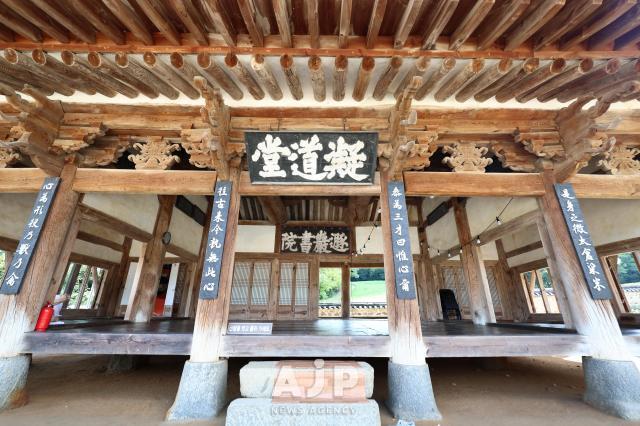
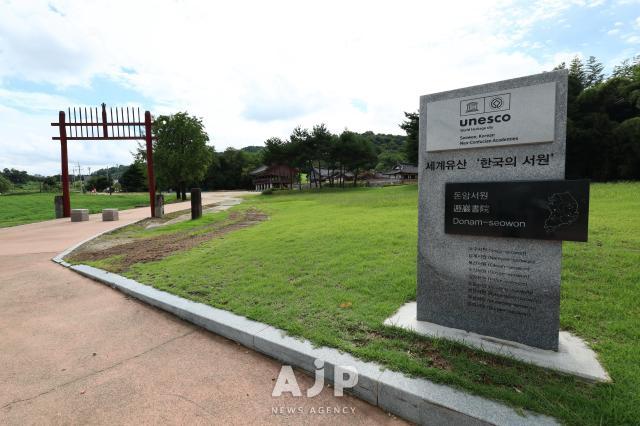
NONSAN, December 04 (AJP) - Nine Confucian academies, known as seowon, from Korea's Joseon Dynasty (1392–1897), were officially inscribed as a UNESCO World Heritage Site in 2019, cementing their status as crucial institutions in East Asian history and education.
The seowon were private, residential academies established by respected Confucian scholars. They served two primary functions: as a place for scholarly worship of revered sages and as an educational institution to prepare the next generation of civil servants and intellectual leaders.
This system stood in contrast to the hyanggyo, which were the public, state-run schools of the era. The seowon’s blend of academic rigor and moral cultivation made them vital centers for Neo-Confucianism, the Joseon Dynasty's ruling ideology.
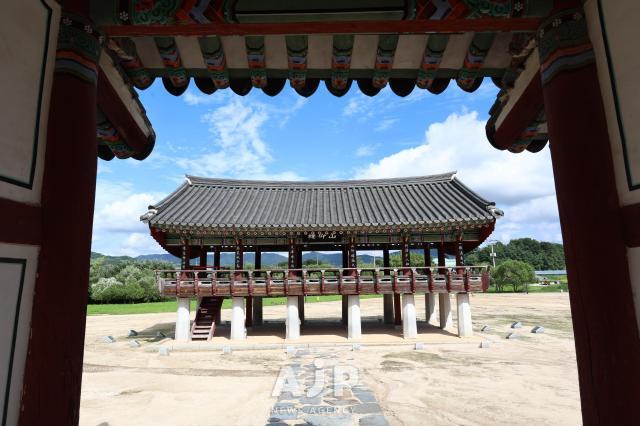
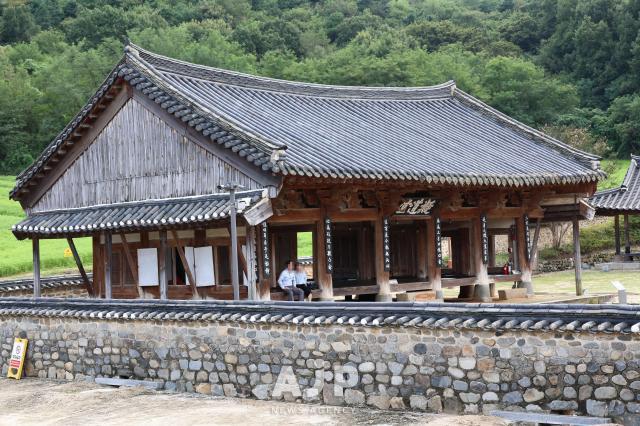
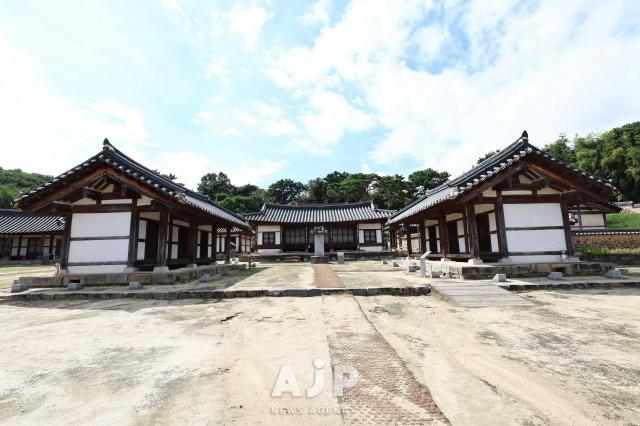
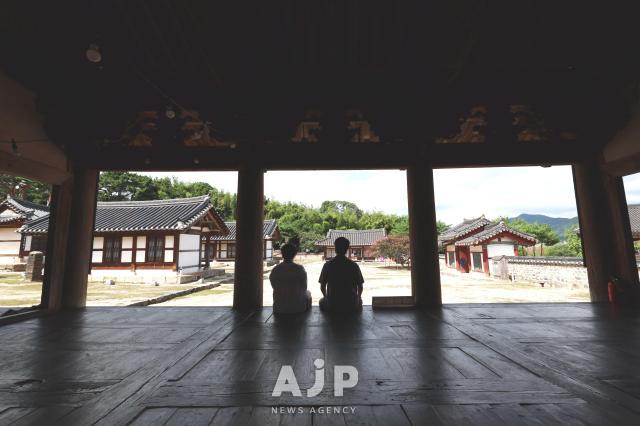
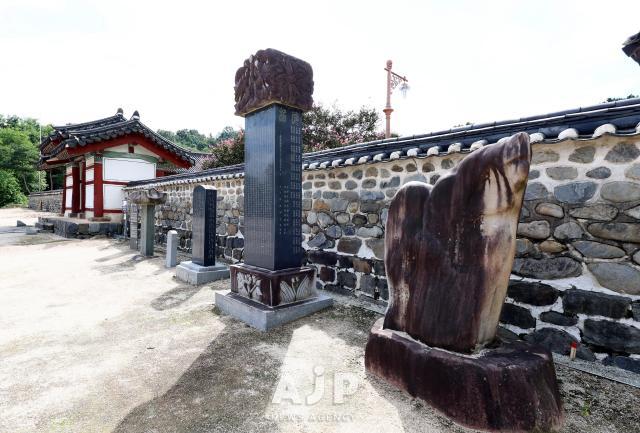
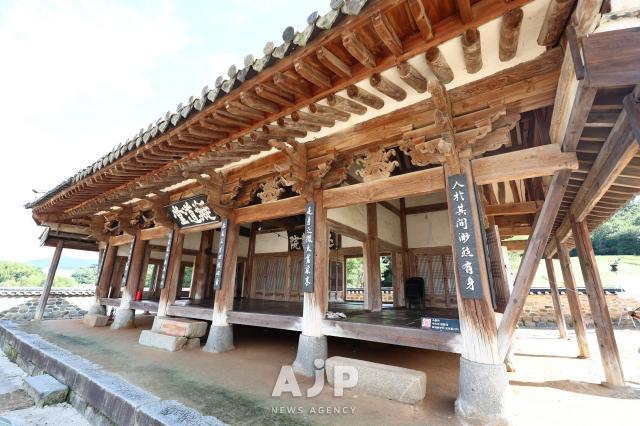
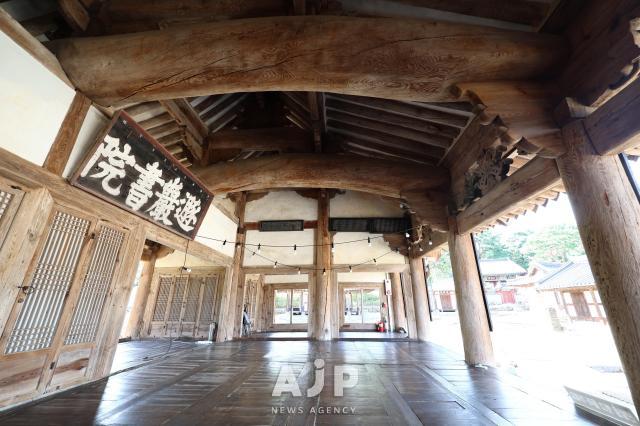
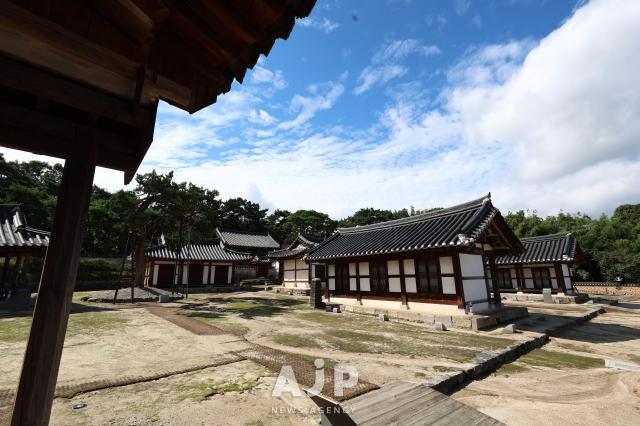
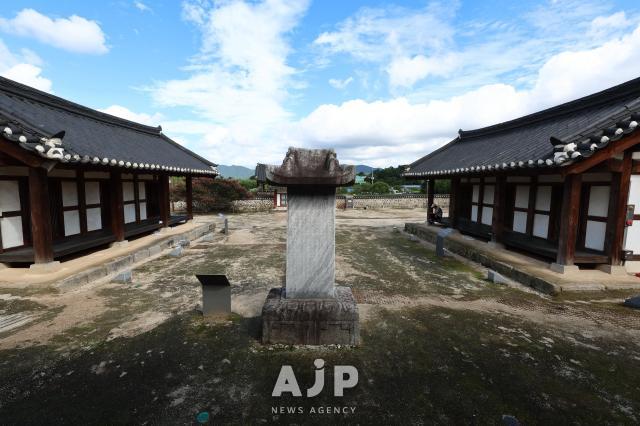
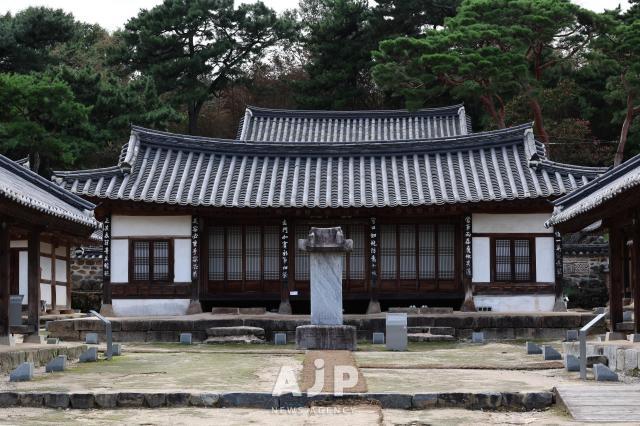
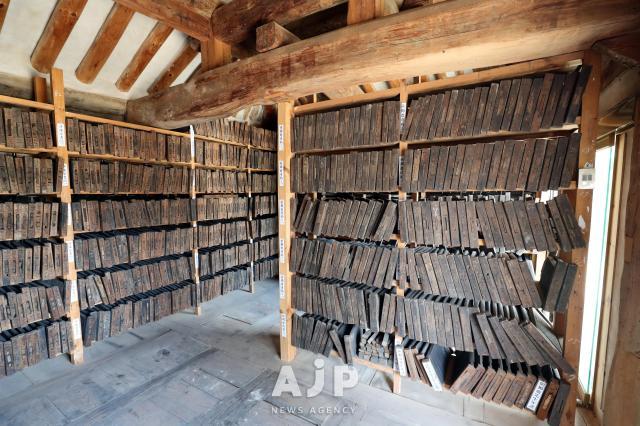
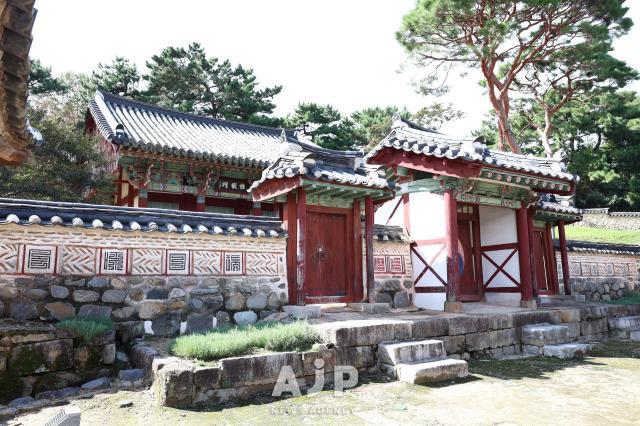
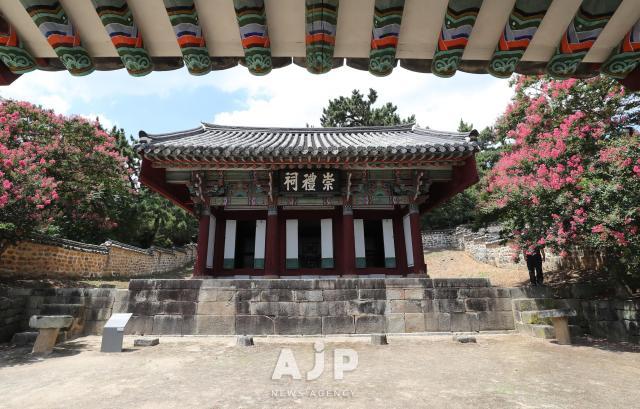
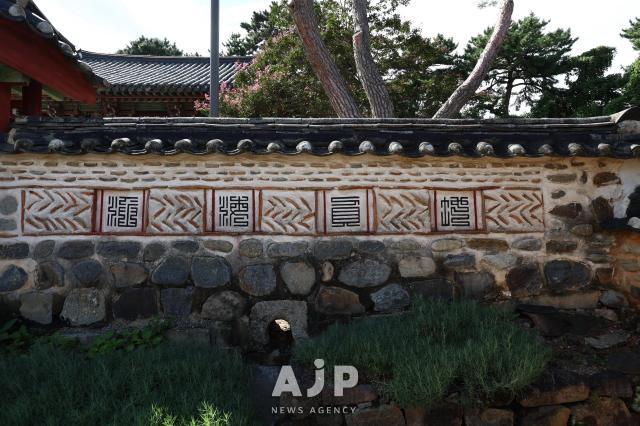
Among the nine recognized sites is Donam Seowon, located in the city of Nonsan, South Chungcheong Province.
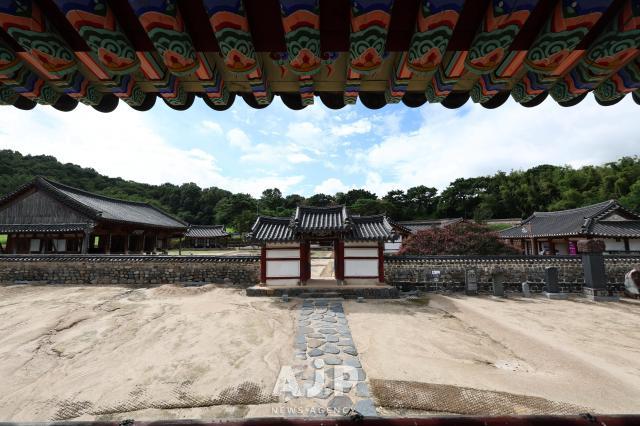
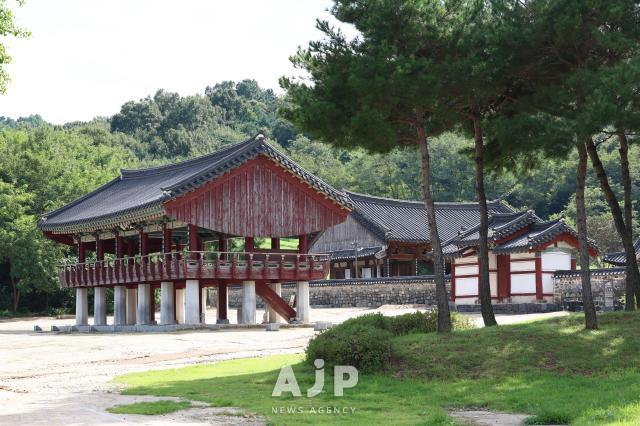
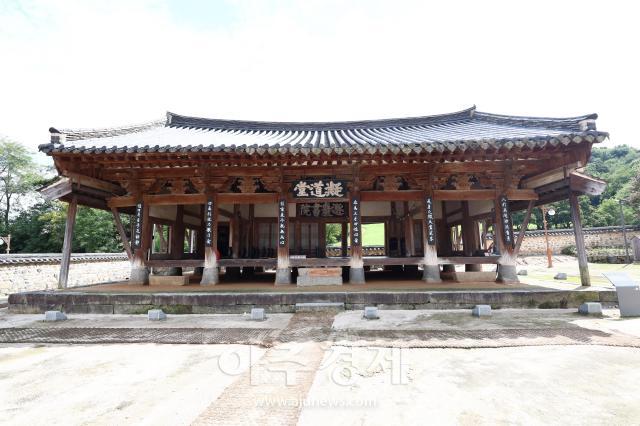
The academy traces its origins back to the influential scholar Sagye Kim Jang-saeng (1548–1631).
Kim dedicated over three decades to teaching his disciples at this location, beginning in 1602. Following his passing, his devoted students established the academy in 1634 to honor his life and continuing legacy.
Donam Seowon, with its tranquil architecture and deep historical roots, now serves as a tangible link to Korea's rich intellectual past.
Copyright ⓒ Aju Press All rights reserved.
