SEOUL, February 25 (AJP) - Korean literature has officially overtaken K-pop music and K-drama as the most documented aspect of South Korean culture in Africa, a report released by the Ministry of Culture, Sports and Tourism showed Wednesday.
The 2025 Global Hallyu Trend Analysis Report, released by the culture ministry and the Korea Culture Information Service Agency (KCISA), indicates that Korean literature now accounts for 32.8 percent of all media coverage related to Hallyu (the Korean cultural wave) in Africa.
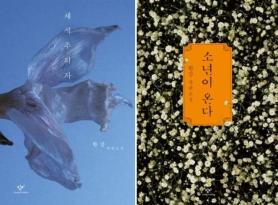
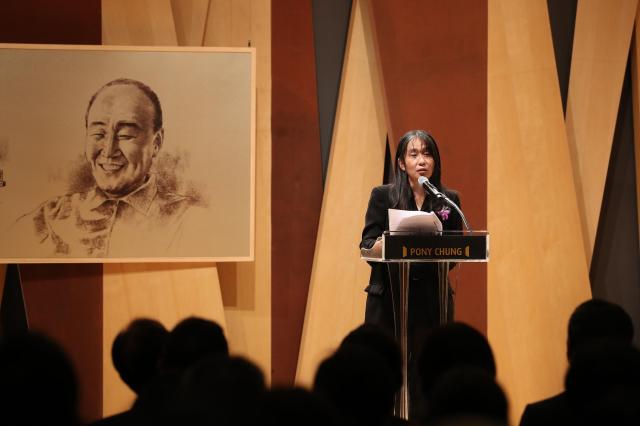
This surge in interest was primarily sparked by Han Kang, who became the first South Korean and the first Asian woman to win the Nobel Prize in Literature in October 2024. Born in 1970 in Gwangju, South Korea, Han is a celebrated novelist and poet whose works, such as "The Vegetarian" and "Human Acts," frequently explore historical trauma and the fragility of human existence. The Swedish Academy recognized her "intense poetic prose" that confronts these universal struggles, triggering a global re-evaluation of South Korean written works.
While K-pop remains the dominant cultural export in Asia, Europe, and the Americas, Africa has emerged as a unique market where literary news and events outpace other entertainment categories. Following the prize announcement, global media coverage of Korean literature spiked to 32.4 percent of all foreign news reports during the final quarter of 2024, a dramatic jump from just 1.2 percent in the preceding quarter.
The popularity of South Korean novels in Africa is particularly evident in Nigeria, which ranked second globally, surpassing both the United States and Sweden, in digital documentation and media mentions regarding Han Kang's achievement. Official sources from the Korean Cultural Centre Nigeria (KCCN) noted that dedicated literary gatherings were held in Abuja to celebrate the win and introduce works such as The Vegetarian and Human Acts to local audiences.
The KCCN highlighted that the resonance of South Korean literature in Africa stems from "cultural compatibility." Readers in the region find that K-novels frequently address universal themes of patriarchy, generational trauma, and social justice, which mirror contemporary issues in many African countries.
Notably, these readers engage with South Korean works despite a challenging local reading environment; official statistics indicate that the average Nigerian reads less than one book per year, though literary interest remains concentrated among highly engaged academic and cultural communities.

Japan and the West see parallel literary interest
The report also identifies Japan as a major hub for Korean literature. Japan recorded the highest volume of documentation for the category at 37.5 percent of its total Hallyu coverage, marking the only Asian country where literature is the primary point of interest over K-pop or K-drama. Japanese media emphasized the significance of the "first Asian woman" to win the prize and highlighted her works' delicate worldviews.
This interest persists even as Japan sees a shift in reading habits. Data suggests that while 62.6 percent of Japanese adults do not read a book monthly, those who do engage with high-profile literary awards and translated works read an average of 6.2 books per year.
Western nations have also shown significant engagement following the Nobel Prize announcement. In the U.S. and Germany, South Korean novels have moved beyond niche academic interests to mainstream media, with The Vegetarian remaining the most discussed work. In the U.S. where the average citizen reads approximately 8 books per year, Korean literature has benefited from a robust infrastructure of translation and literary discussion. Similarly, in Germany, readers average roughly 6.25 books per year, providing a fertile market for the philosophical and social depth associated with modern South Korean novels.
The growth of Korean literature is supported by increased institutional translation efforts and the "Netflix effect," where series like "When Life Gives You Tangerines" and the animated film "K-Pop Demon Hunters" have sparked secondary interest in original stories and broader South Korean heritage. In South Korea, where this cultural wave originates, adults read an average of 5.4 books per year, though this figure rises significantly when digital formats such as web novels are included.
Copyright ⓒ Aju Press All rights reserved.