SEOUL, February 28 (AJP) - South Korea's residential landscape has undergone a radical atomization over the last 40 years, with the number of households nearly tripling even as population growth stalled. A report released Saturday by the Korea Institute for Health and Social Affairs reveals that the traditional multi-generational family has been largely replaced by individuals living alone and elderly couples.
According to the report, "Trends and Implications of Household Structure Changes Due to Demographic Shifts," South Korea recorded approximately 22.73 million households in 2023. This is a 2.8-fold increase from the 8 million recorded in 1980, far outstripping the 1.4-fold increase in the general population over the same period. This divergence highlights a transition where, despite a shrinking working-age population, the total number of households continues to climb as families fracture into smaller, independent units.
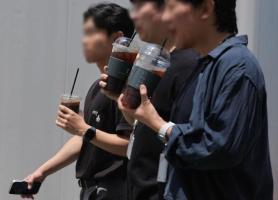
The most profound shift is the ascension of the "solo" household. In 1980, people living alone accounted for a mere 4.8 percent of all households. By 2023, that figure surged to 35.47 percent, meaning more than one in three homes is now occupied by a single person. Conversely, the extended family model—once the societal standard—has collapsed, falling to just 11.89 percent of households by 2020.
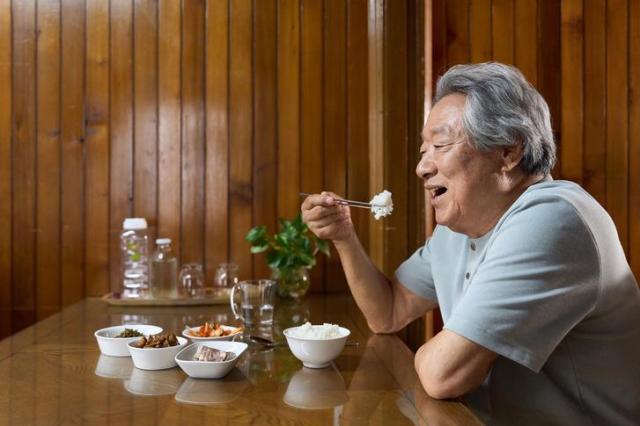
Increasing life expectancy and shifting social norms have also cemented "couple-only" residences as a permanent demographic fixture. While once considered a brief transition before childbirth, these households now frequently consist of aging couples living independently for decades after their children have moved out. The population living in such arrangements skyrocketed from 570,000 in 1980 to 6.36 million in 2020.
The report identifies the aging baby boomer generation as the primary engine behind this fragmentation. This trend is further accelerated by an increasing preference for autonomy among young adults in their 20s and rising instances of divorce or widowhood among older women, many of whom choose to maintain separate homes rather than reintegrating into larger family units.
This move toward an atomized society has weakened the traditional family safety net, which historically provided a buffer against unemployment, illness, and poverty. The report warns that current housing and welfare systems remain rigidly designed around the nuclear family model of a couple and their children, leaving a policy gap for the growing number of small, isolated households.
"South Korea's household changes follow the trends of developed nations, but the speed is unprecedentedly steep," said Woo Hae-bong, a research fellow at the Korea Institute for Health and Social Affairs. "As the fragmentation of households may create new social risks, strategic responses through institutional and policy interventions are necessary beyond simply observing demographic changes."
Copyright ⓒ Aju Press All rights reserved.