

SEOUL, April 11 (AJP) - Iranian and American delegations arrived in the Pakistani capital on Saturday for a summit intended to end their six-week war, though the specific timing of the first session remains unannounced as mediators attempt to resolve a last-minute impasse over Iranian preconditions. While both teams have checked into the Serena Hotel, the high-security venue where the negotiations are set to occur, officials from the Pakistani Ministry of Foreign Affairs confirmed that a formal plenary session has not yet commenced.
The meeting occurs under a proximity format, a diplomatic arrangement where mediators shuttle between separate rooms to avoid direct confrontation before a baseline agreement is reached. This distance reflects the fragility of the peace process, which began following the death of Iranian Supreme Leader Ali Khamenei on February 28 and the subsequent closure of the Strait of Hormuz. For Washington, the priority is the immediate and unconditional opening of that waterway, which handles 20 percent of global petroleum transit, while Tehran views its control of the strait as a primary bargaining chip to secure the lifting of economic sanctions.
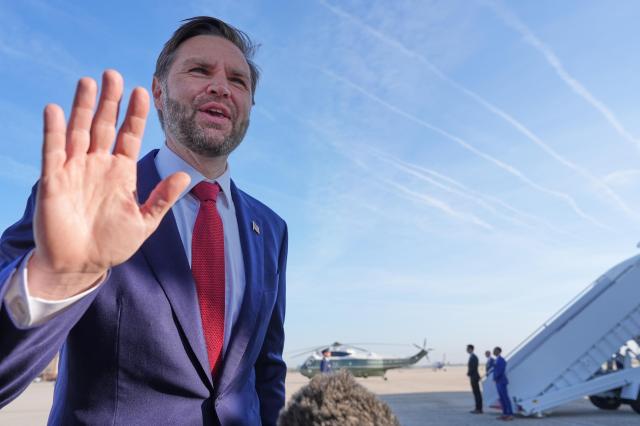
The lead negotiator for the United States is Vice President JD Vance, a former senator who has become the administration's chief diplomatic envoy for the conflict. He is joined by special envoys Steve Witkoff and Jared Kushner, representing the White House’s attempt to bypass traditional State Department channels in favor of a personalist approach. Upon his departure for Pakistan, Vance warned that the American team would not be "receptive" to delays or tactical maneuvers by the Iranian side.
Representing the Islamic Republic is Mohammad Baqer Qalibaf, the speaker of the Iranian parliament and a veteran of the Revolutionary Guard who has assumed a central role in the nation’s wartime leadership. Before arriving in Islamabad, Qalibaf stated that negotiations would not begin in earnest unless Washington accepted certain "preconditions," including a ceasefire in Lebanon and the immediate release of frozen Iranian assets. Iranian state media has emphasized that their 70-member delegation includes technical experts in banking and energy, signaling a focus on concrete economic concessions.
The conflict, which the Trump administration dubbed Operation Epic Fury, has severely disrupted global supply chains and sent oil prices to their highest levels in four years. In the weeks of active combat, American and Israeli airstrikes targeted Iranian nuclear sites and military infrastructure, prompting Tehran to mine the Strait of Hormuz. The current two-week ceasefire, brokered by Islamabad, has provided a temporary reprieve, but the threat of a return to hostilities persists if the current summit fails to produce a breakthrough.
A central point of contention remains the status of Iran’s nuclear program. Washington is demanding a "total blockade" of Iran’s path to a nuclear weapon, seeking terms that go beyond the 2015 Joint Comprehensive Plan of Action (JCPOA) which the first Trump administration exited in 2018. Tehran, meanwhile, has proposed a 10-point plan that calls for the recognition of its right to enrich uranium and the payment of "war reparations" through an international investment fund.
Pakistani security forces have placed the capital on strict lockdown, with thousands of police and paramilitary personnel guarding the "Red Zone" surrounding the hotel. While the Iranian delegation arrived on Friday evening and Vance’s team landed early Saturday, the "proximity" of the negotiators has yet to translate into a face-to-face meeting.
Technical teams from both sides are currently reviewing the logistical details of the maritime ceasefire and the verification protocols required to ensure the safe passage of merchant vessels. The current truce is scheduled to expire in twelve days.
Copyright ⓒ Aju Press All rights reserved.
