SEOUL, April 14 (AJP) —The Association of Southeast Asian Nations (ASEAN), increasingly strained by energy supply disruptions stemming from the Gulf conflict, on Monday urged the United States and Iran to reach a permanent resolution and restore safe passage through the critical shipping lane of the Strait of Hormuz.
ASEAN foreign ministers issued a joint statement following a virtual meeting, calling on Washington and Tehran to intensify diplomatic efforts toward a lasting end to hostilities and durable peace in the Middle East.
They warned that the conflict is already disrupting both energy and food supply chains, underscoring the urgency of securing priority access to energy for member states amid the crisis.
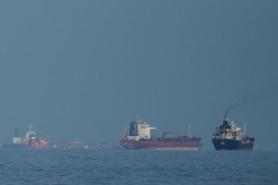
The ministers stressed the need for the full and effective implementation of the two-week ceasefire agreement to prevent further casualties, and called for the immediate restoration of safe, secure and uninterrupted transit for vessels and aircraft through the Strait of Hormuz. They also urged all parties to ensure the safety of ships and crews operating in the area.
ASEAN reaffirmed its commitment to strengthening cooperation with South Korea, China and Japan to mitigate supply disruptions and curb price volatility.
Philippine foreign minister Theresa Lazaro said the ministers also discussed joint measures to secure key agricultural inputs, including fertilizers, in a bid to reinforce regional food security.
She added that the ASEAN Summit in May will proceed as scheduled, with a focus on food and energy security as well as the safety of citizens across member states. Manila chairs this year's summit.
The region is considered particularly vulnerable to the conflict due to its heavy reliance on Middle Eastern oil and gas.
According to the International Energy Agency, roughly 20 percent of global seaborne oil trade passes through the Strait of Hormuz, with nearly 80 percent of those flows bound for Asian markets, including Southeast Asia.
Countries with limited reserves are already feeling the strain from what officials describe as the worst energy disruption in modern history. The Philippines has declared a national energy emergency, Indonesia has introduced flexible work arrangements, Vietnam has suspended crude exports, and Thailand is rationing diesel while reactivating coal-fired power plants.
Tensions escalated further after Donald Trump announced that U.S. naval forces had begun blocking Iranian-linked shipping routes near the Strait of Hormuz starting at 10 a.m. Eastern Time on April 13. The move followed the collapse of ceasefire talks held in Islamabad from April 11 to 12.

Copyright ⓒ Aju Press All rights reserved.