SEOUL, June 02 (AJP) - South Korea expects to secure most of the crude oil it needs for August by next month, the energy minister said, seeking to quell fears of a supply crunch as the Middle East war drags into its fourth month.
Industry Minister Kim Jung-kwan told a cabinet meeting chaired by President Lee Jae Myung that projected August crude volumes were climbing steadily and would reach the mid-80 percent range of normal levels during July, the 95th day of the conflict.
From May to July, the country secured 86 percent of its usual crude and 83 percent of its naphtha, holding a stable course, the minister said. Naphtha plant utilization stood at about 75 percent as of late May, close to the prewar level of 80 percent.
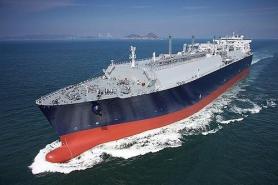
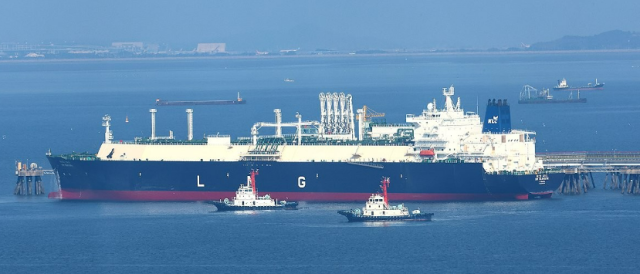
"We have already secured replacement volumes to last through the end of this year," Kim said of natural gas supplies, after Qatar's recent declaration of force majeure on liquefied natural gas shipments stirred concern. The government turned to the United States and Southeast Asia to plug the gap.
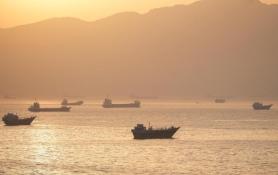
Markets had feared an August squeeze should the blockade of the Strait of Hormuz, a chokehold on Korea's Middle East crude, persist into the peak summer demand season. The International Energy Agency had also warned that supply disruptions and seasonal demand could push the oil market into a danger zone in July and August.
With no clear date for safe passage through the strait, the ministry extended its strategic stockpile swap scheme through this month from an earlier April-to-May window.
Under the scheme, the government lends out reserve crude once a refiner proves it has sourced oil abroad, then recoups the barrels when replacement cargoes arrive. About 21 million barrels have been swapped and are now being repaid in stages.
Supplies of medical materials such as intravenous-fluid packaging, syringes and surgical gloves remained at normal levels, the ministry said, while helium, hydrogen bromide and aluminum wheels feeding the semiconductor, auto and shipbuilding industries showed no signs of disruption.

Copyright ⓒ Aju Press All rights reserved.