

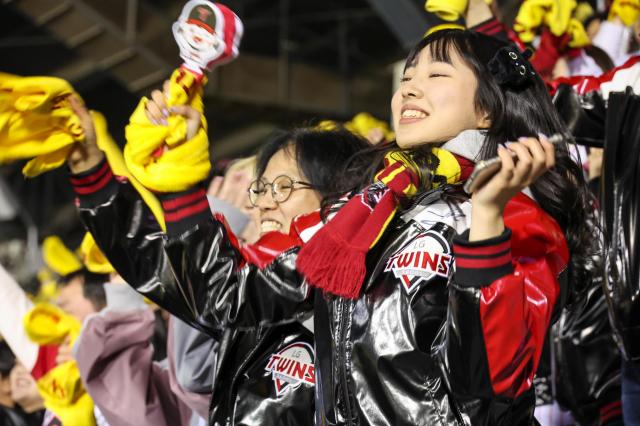
 Fans cheer during the LG Twins–SSG Landers game at Jamsil Baseball Stadium in Seoul on April 11, 20
SEOUL, April 16 (AJP) - Fanchant, glow sticks, choreographed dancing and a brisk run on merchandise stands — the ritual of K-pop no longer ends at the arena gates. In South Korea, it now spills into the ballpark.
Spring, for a growing legion of fans, is no longer about cherry blossoms. It’s about the first flash of team colors under stadium lights, the hum of a crowd finding its rhythm again. Baseball season, like a long-awaited comeback tour, has its own opening night energy.
“Ballparks aren’t old men’s turf anymore,” one fan said with a grin, half-shouting to be heard over the music blaring between innings. And she’s right.
The Korea Baseball Organization (KBO), founded 45 years ago, is in the middle of a transformation that veteran observers say they’ve never quite seen before.
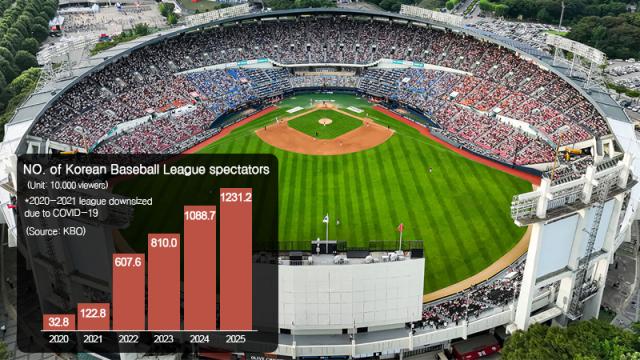
Last year, the league drew a record 12.31 million fans and generated more than 1 trillion won ($740 million) in economic impact.
This season, the KBO League is already rewriting its own playbook. It surpassed 1 million spectators in just 55 games over 14 days — the fastest and fewest games on record — breaking last year’s pace only one year later.
With 440,000 fans pouring into preseason games, the league is now swinging for 13 million. At this trajectory, another record year no longer looks like a stretch.
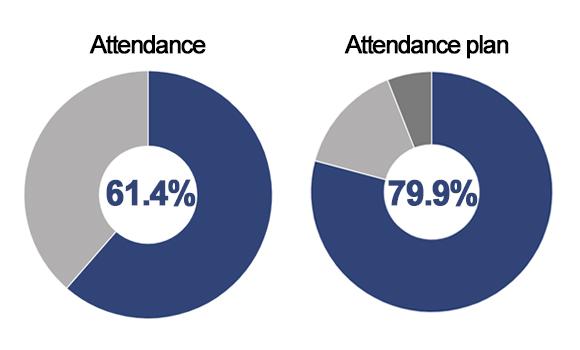
“It’s not just a game anymore”
On a mild weekend afternoon around Jamsil Sports Complex, the air carries a familiar refrain: “Seoul LG, run toward your dreams!”
The chant rolls out of the subway exits before fans even glimpse the field. Streams of supporters in red jerseys move like a tide toward the stadium, phones already out, voices already warming up.
Among them, the new face of Korean baseball is impossible to miss — women in their 20s and 30s, many in character —collaboration uniforms, some clutching light sticks, others filming snippets for social media before first pitch.
“It’s not just about watching the game anymore,” said 23-year-old LG Twins fan Yoo Eun-seo, pausing between takes of a cheer she was recording with friends. “It feels like a full day out — like a festival.” That shift — from spectator sport to immersive experience — is reshaping everything.
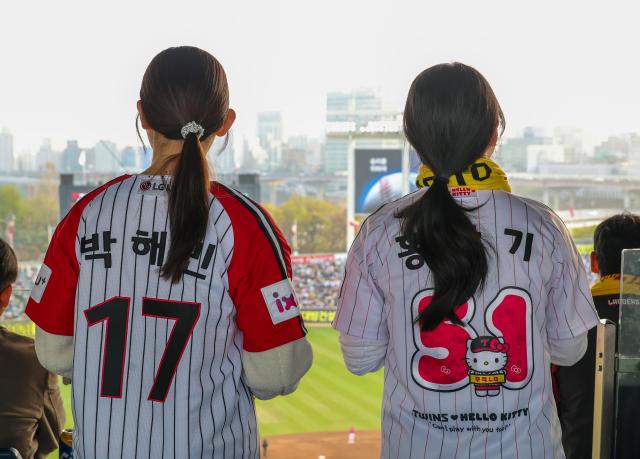 A fan in her 20s or 30s wearing a Hello Kitty collaboration uniform watches the LG Twins–SSG Landers game at Jamsil Baseball Stadium in Seoul on April 11, 2026. AJP Yoo Na-hyun
The new economy of fandom
Start with the concessions.
Gone are the days when boiled silkworm pupae and draft beer defined the ballpark palate. In their place: mala skewers, fruit ades, designer desserts — food that looks as good on camera as it tastes.
Then there’s the merchandise. At team stores, jerseys no longer dominate alone. Key rings, photo cards, and character collaborations fill the shelves. At kiosks, lines stretch long for collectible cards — fans chasing their favorite players like rare pulls in a trading pack.
“I keep buying until I get the player I want,” said 26-year-old LG Twins fan Park si-hyun, laughing as she flipped through a fresh stack. “There’s just so much variety now — it makes you want more.”
The numbers back it up. According to ticketing platforms, women in their 20s and 30s accounted for 36.6 percent of ticket purchases last year — surpassing their male counterparts in the same age group.
The stadium naturally has to change to meet the new demand. “The KBO League is no longer just about watching games. It has evolved into an experience-driven leisure culture that combines food, entertainment and social engagement,” a KBO spokesman said. “Regardless of the outcome, there are now far more elements that encourage fans to stay longer and spend.”
The spokesman added that improvements in facilities — including restroom cleanliness and nursing rooms — are helping create an environment tailored to women and family audiences. Efforts are also focused on ensuring a safe viewing experience, expanding amenities, and strengthening merchandise and content offerings.
“Under a ‘fan-first’ approach, clubs are enhancing fan services, which has significantly narrowed the distance between players and supporters,” he added.
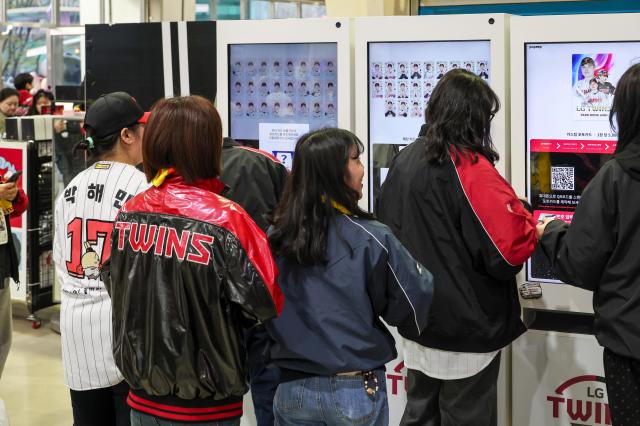 Fans line up at a kiosk to print custom photo cards at the LG Twins goods shop inside Jamsil Baseball Stadium in Seoul on April 11, 2026.
A stadium that sings
Inside a packed 23,000-seat stadium, the noise is constant — not just cheers, but synchronized singing, a rolling chorus that rises and falls with each at-bat.
Phones are always up. Moments are captured in real time — a home run swing, a pitcher’s stare, a perfectly timed dance break between innings.
And when the final out is recorded, no one rushes for the exits.
Fans linger. They pose with slogans, trade photos, relive the game in curated snapshots for their feeds. The experience doesn’t end with the scoreboard; it extends into the afterglow.
Baseball here is no longer just watched. It’s performed, shared, and archived.
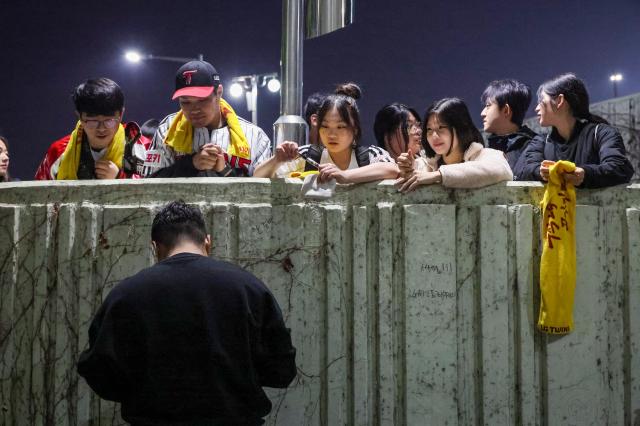 Fans receive autographs from players after the LG Twins–SSG Landers game at Jamsil Baseball Stadium in Seoul on April 11, 2026. AJP Yoo Na-hyun
From players to personas
The way fans connect with players is evolving, too.
Performance still matters — but so do personality, storytelling, and fan service. Players are no longer just athletes; they’re characters in an unfolding narrative, each with their own following.
Clusters of fans wait after games along the players’ exit routes, hoping for a glimpse, a signature, a fleeting interaction.
“Once you see a game live, you start to have a favorite player,” Yoo said. “Then you keep coming back.”
It’s the logic of fandom — familiar to K-pop, now fully embedded in baseball.
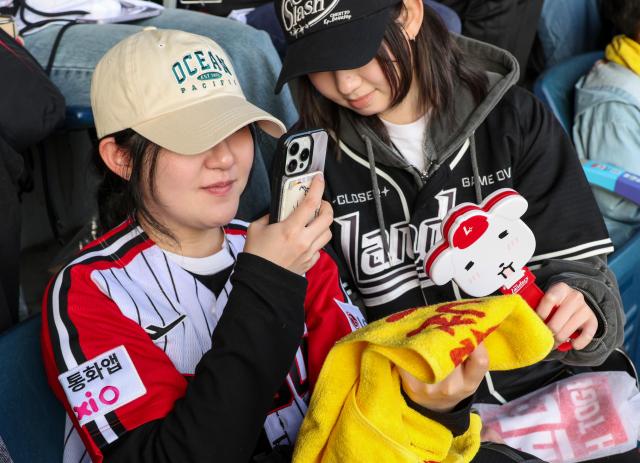 Fans take photos with team merchandise during the LG Twins–SSG Landers game at Jamsil Baseball Stadium in Seoul on April 11, 2026. AJP Yoo Na-hyun
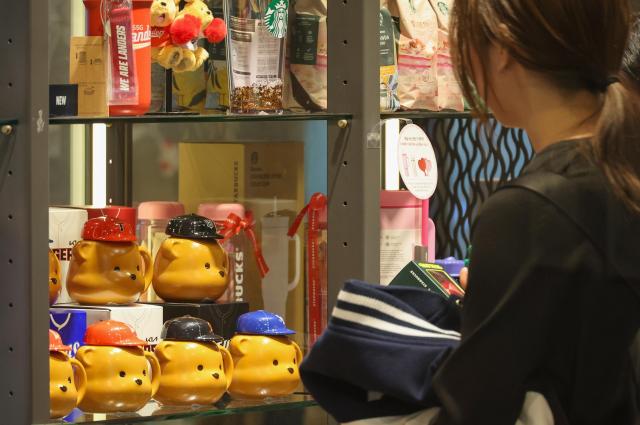 A customer looks at KBO League collaboration merchandise at a Starbucks store on March 30, 2026. AJP Yoo Na-hyun
Beyond the Diamond
The ripple effects are spreading far beyond the stadium walls.
Major brands — from coffee chains to convenience stores — are rolling out collaborations with teams, extending the fan experience into everyday life.
According to the Hyundai Research Institute, professional baseball now generates more than 1.1 trillion won in annual consumption spending, while combined ticket revenues for the league’s 10 clubs have topped 200 billion won for the first time.
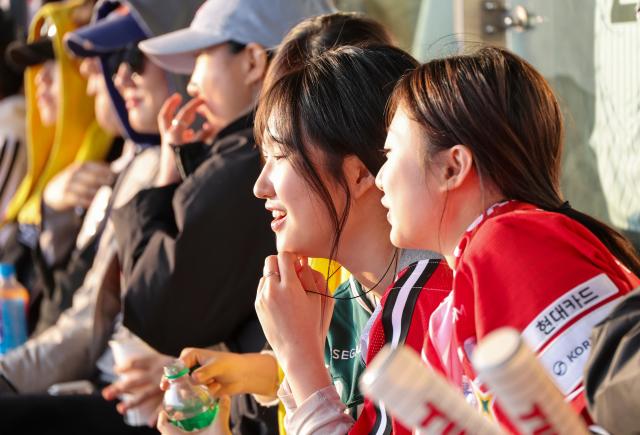 A spectator watches the LG Twins–SSG Landers game at Jamsil Baseball Stadium in Seoul on April 11, 2026. AJP Yoo Na-hyun
On game days, nearby businesses report sales surging by over 90 percent.
This is no longer just a sport. It’s an ecosystem.
What’s unfolding in Korean baseball isn’t a fleeting trend. It’s a structural shift — driven by a new audience that consumes differently, participates actively and expects more than just nine innings.
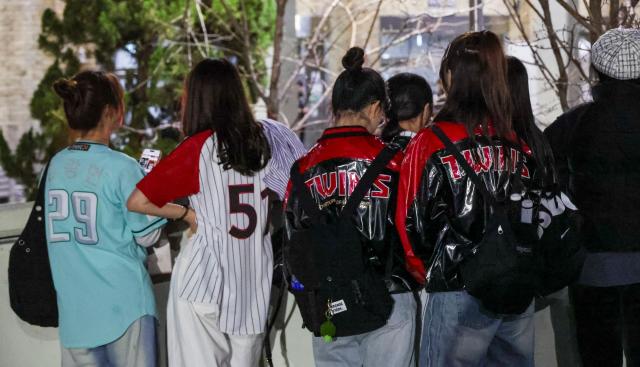 Fans wait for players after the LG Twins–SSG Landers game at Jamsil Baseball Stadium in Seoul on April 11, 2026. AJP Yoo Na-hyun
Like any great season, the game builds inning by inning.
And if the early crowds are any indication, this one is headed for a record finish — with a soundtrack, a light show and a fan base that knows every word by heart.
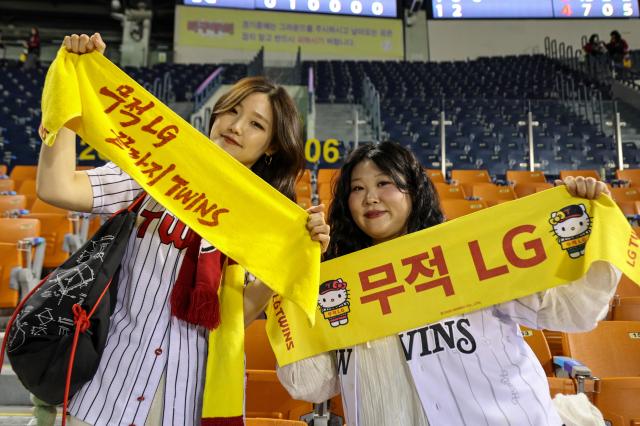 Park Eun-seo (30, left) and Lee Na-young (30, right) pose for a photo after the LG Twins–SSG Landers game at Jamsil Baseball Stadium in Seoul on April 11, 2026. AJP Yoo Na-hyun
Copyright ⓒ Aju Press All rights reserved.
