

The government is set to amend the Price Stability Act to strengthen sanctions against unfair practices such as price gouging, in response to rising price uncertainties stemming from the conflict in the Middle East. A multi-agency approach will also be implemented to stabilize prices of essential goods.
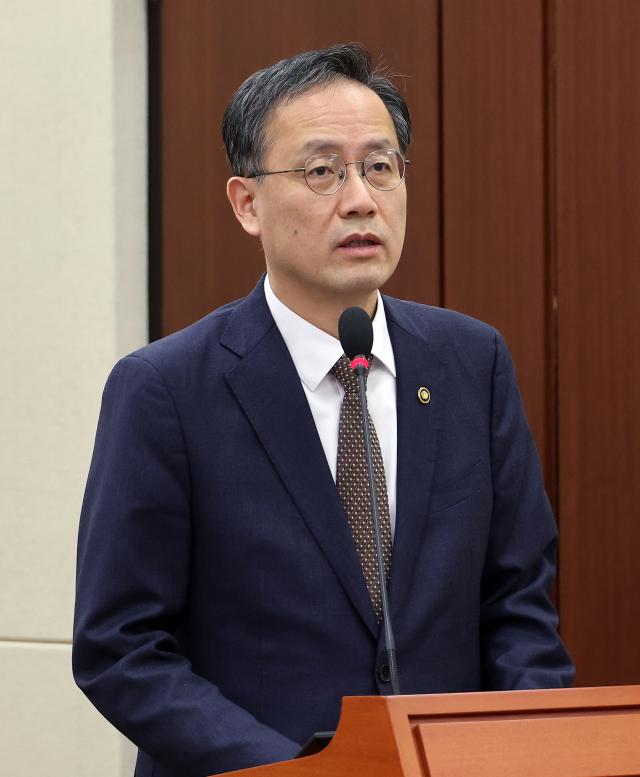
On May 14, Lee Hyung-il, First Deputy Minister of Finance, chaired a meeting of the "Middle East War Price Response Team and Price-Related Deputy Ministers" at the Government Seoul Building, where he reviewed price trends of key items and discussed response measures.
Lee stated, "While inflation in our country is lower compared to major countries, there are upward pressures on prices due to uncertainties from the Middle East conflict and base effects. I urge all relevant ministries to work together to stabilize prices of individual items."
He emphasized a strong response to unfair practices, particularly price gouging, saying, "Unfair practices such as price gouging must be eradicated to stabilize living costs. We will swiftly push for amendments to the Price Stability Act, which will include measures to ensure the effectiveness of confiscation, reward systems for reporting, and penalties for unjust profits."
The government plans to implement price stabilization measures for essential goods, including agricultural, livestock, and fishery products, as well as petroleum. Between May and June, it will provide 22 billion won in discounts for agricultural and fishery products and plans to supply 8,000 tons of government reserves of key fish species such as mackerel, squid, and hairtail to the market this month.
To increase the supply of livestock products, the government will apply emergency tariff quotas to import 30,000 tons of chicken by the end of July and 12,000 tons of pork by the end of the year. It is also considering increasing the supply of pork in wholesale markets and additional imports of eggs from the United States or Thailand.
For petroleum products, which are currently under a price ceiling, the government plans to encourage price reductions through designating "good gas stations" and will raise the payment criteria for diesel price-linked subsidies to alleviate the burden on bus and freight transport operators.
* This article has been translated by AI.
Copyright ⓒ Aju Press All rights reserved.